
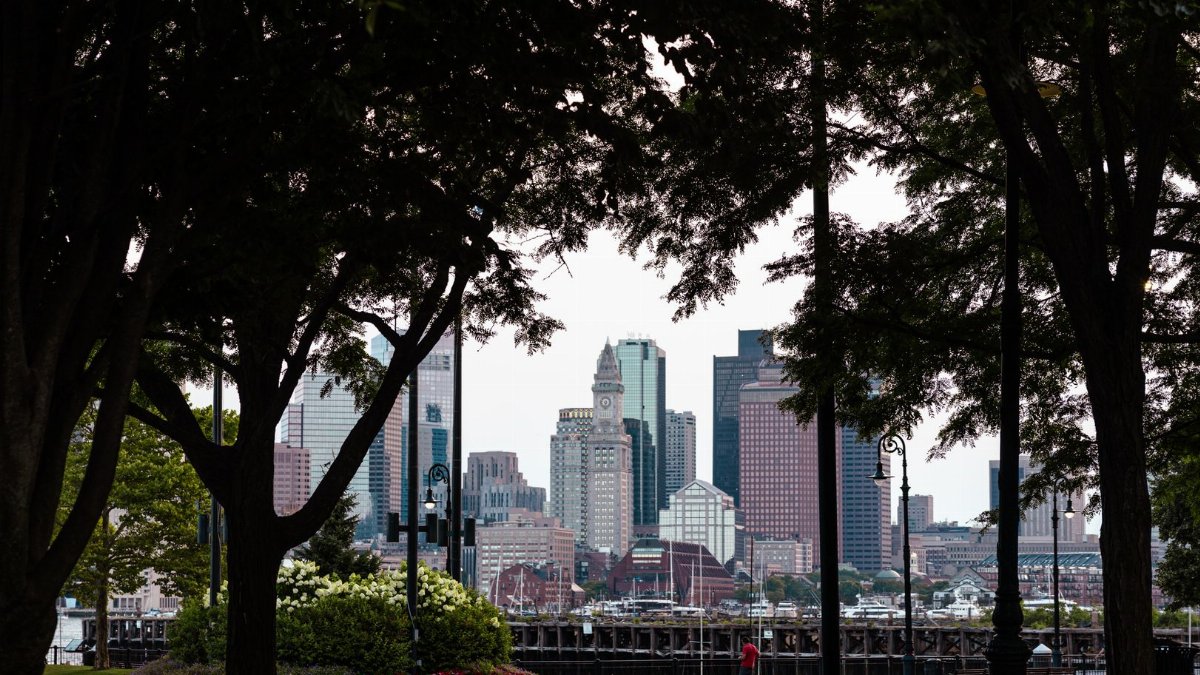
On a sweltering afternoon along the Charles River residents of Boston sought relief from temperatures that soared past previous marks. The city experienced conditions that set a new Boston Heat Wave Record July 4 with the mercury reaching 100 degrees and disrupting plans for Independence Day festivities. Families adjusted their outings opting for shaded parks and later evening activities as officials extended hours at popular spots like the Esplanade to ensure public safety amid the ongoing heat.
Effects on Public Celebrations and Gatherings
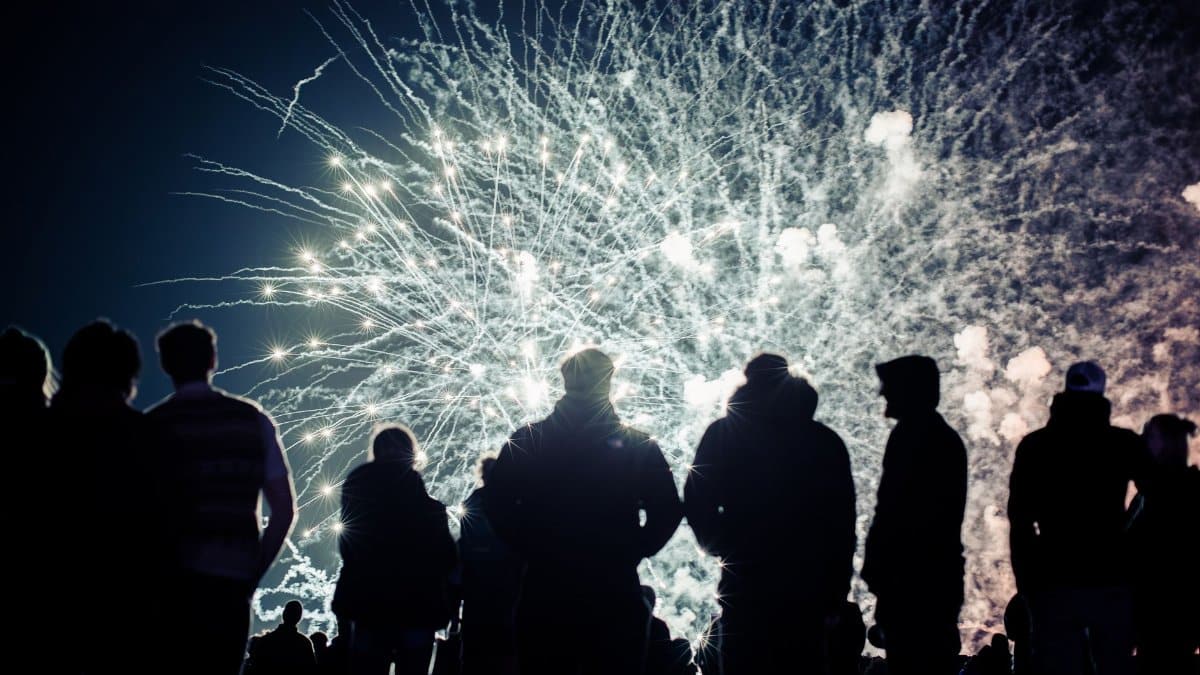
Organizers of the annual fireworks display faced difficult choices as the extreme warmth persisted into the evening hours. Attendance figures dropped compared to cooler years forcing last minute changes to schedules and locations. Safety crews monitored crowds closely while providing extra water stations and cooling areas throughout the venue.
Health Concerns During Prolonged High Temperatures

Medical facilities reported a noticeable uptick in visits related to dehydration and heat exhaustion. Doctors advised residents especially older adults to limit outdoor exposure and check on neighbors regularly. Hospitals prepared additional staff to handle any surge in cases as the warm spell continued without relief.
Comparison With Earlier Weather Patterns

Local climate records show that such intense heat in early July remains uncommon though not unprecedented in recent decades. Analysts reviewed data from past summers to place the current event in context noting shifts in frequency over time. These observations help illustrate broader trends affecting the northeast region.
Actions by Municipal Leaders and Agencies
City officials coordinated with emergency services to open additional public cooling centers in libraries and community halls. Alerts went out through multiple channels urging caution during peak heat hours. Transportation departments adjusted bus schedules to accommodate those seeking to avoid walking long distances under direct sun.
Challenges for Sensitive Groups in the Population
Children and individuals with chronic conditions required particular attention during this period. Schools that remained open implemented indoor recess policies and hydration reminders. Social service organizations reached out to homebound residents to deliver supplies and check welfare.
Influence on Local Commerce and Daily Operations
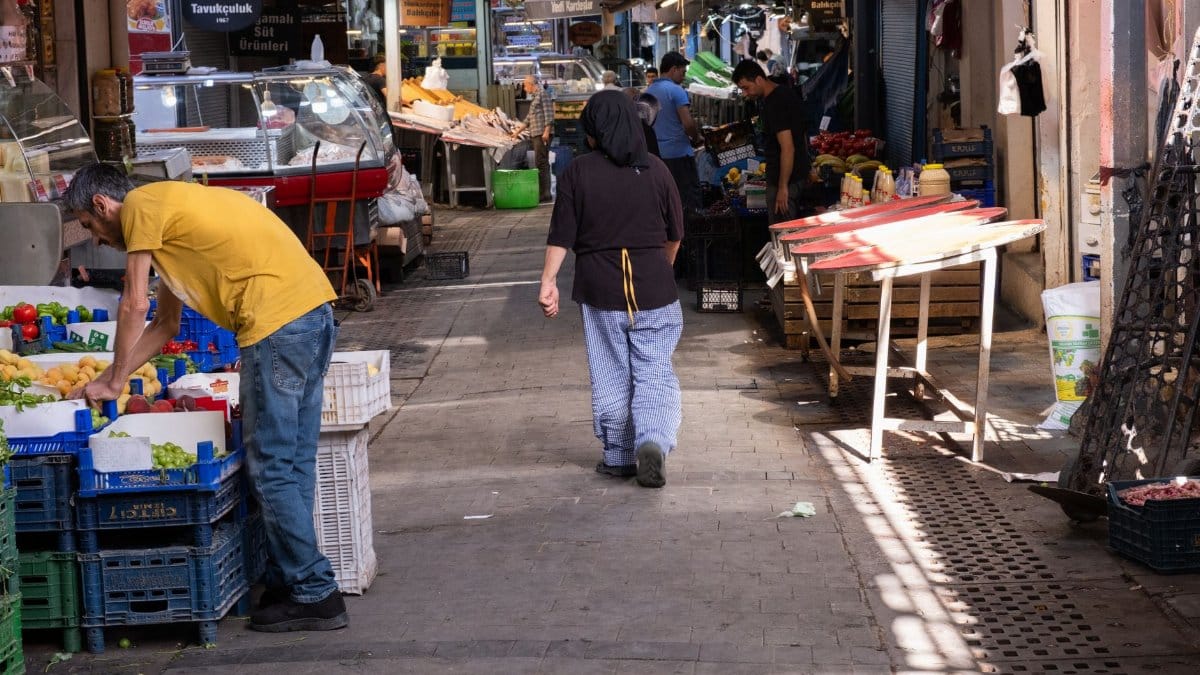
Retailers selling fans air conditioners and cold beverages saw increased demand while outdoor vendors struggled with reduced foot traffic. Construction sites modified work hours to avoid the hottest parts of the day protecting workers from fatigue. Restaurants with patios moved seating indoors where possible.
Contributing Environmental Conditions
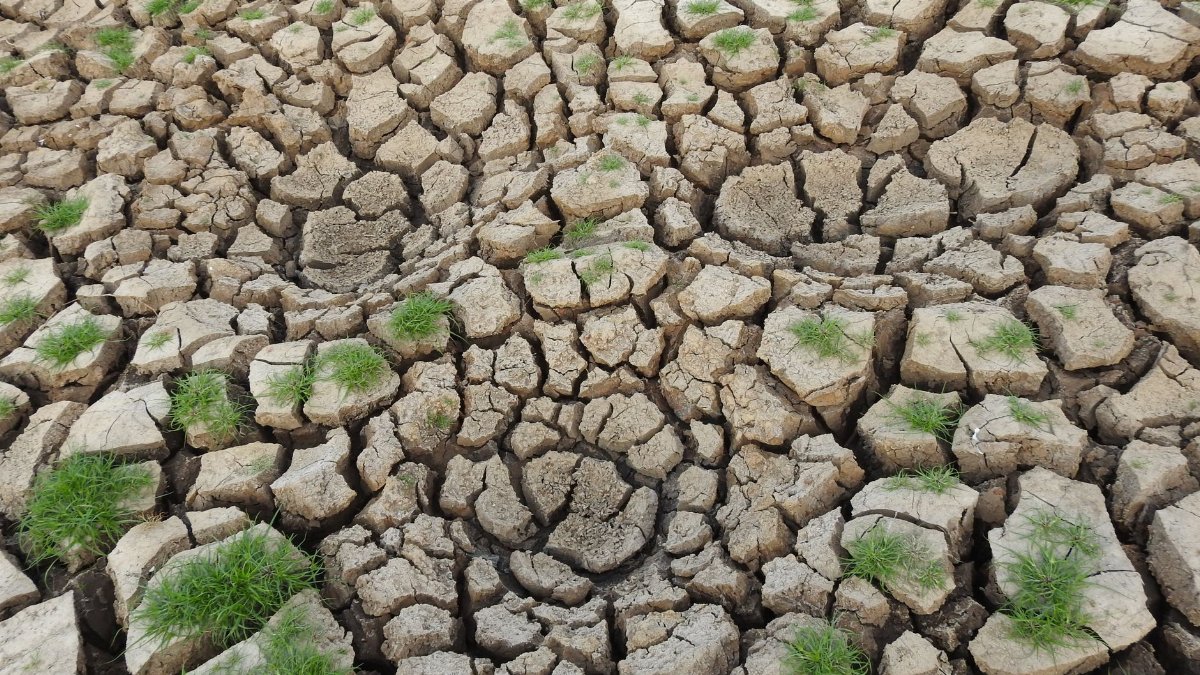
High pressure systems lingered over the area trapping warm air and limiting cloud cover. Experts pointed to regional humidity levels that amplified the felt temperature beyond the recorded figures. These factors combined to create conditions that tested infrastructure and personal endurance alike.
Community Driven Adaptations and Support

Neighborhood groups organized volunteer networks to distribute ice and fans to those in need. Online forums filled with tips for staying comfortable without relying solely on mechanical cooling. Such grassroots efforts complemented official responses and fostered a sense of shared responsibility.
Looking Ahead to Seasonal Shifts

Forecasters predicted gradual moderation in the coming days though they cautioned against assuming quick returns to typical patterns. Long term monitoring continues as planners consider how to prepare for similar events in future summers. Discussions around urban design and green spaces gained renewed attention in light of recent experiences.