
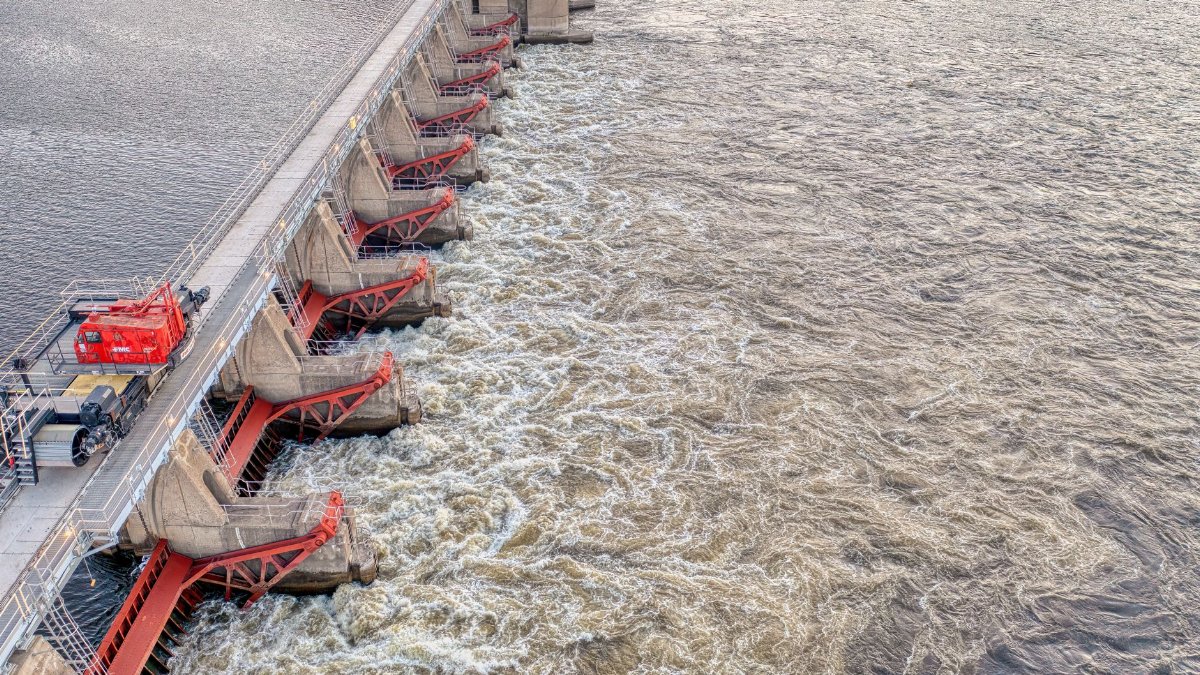
In northern Michigan, where rivers meet the Great Lakes, the return of reliable passage through key waterways marks a welcome shift for those who depend on these routes for leisure and livelihood. Record water levels earlier this year forced an extended shutdown, leaving vessels stranded and local economies strained. Now, with repairs complete, the area once again welcomes traffic. Cheboygan Lock Dam Reopens Michigan Boating stands as a timely reminder of how infrastructure supports both daily routines and seasonal adventures for residents and visitors alike. Crews worked through challenging conditions to restore function, allowing summer plans to proceed without further interruption.
Background on the Cheboygan waterway system
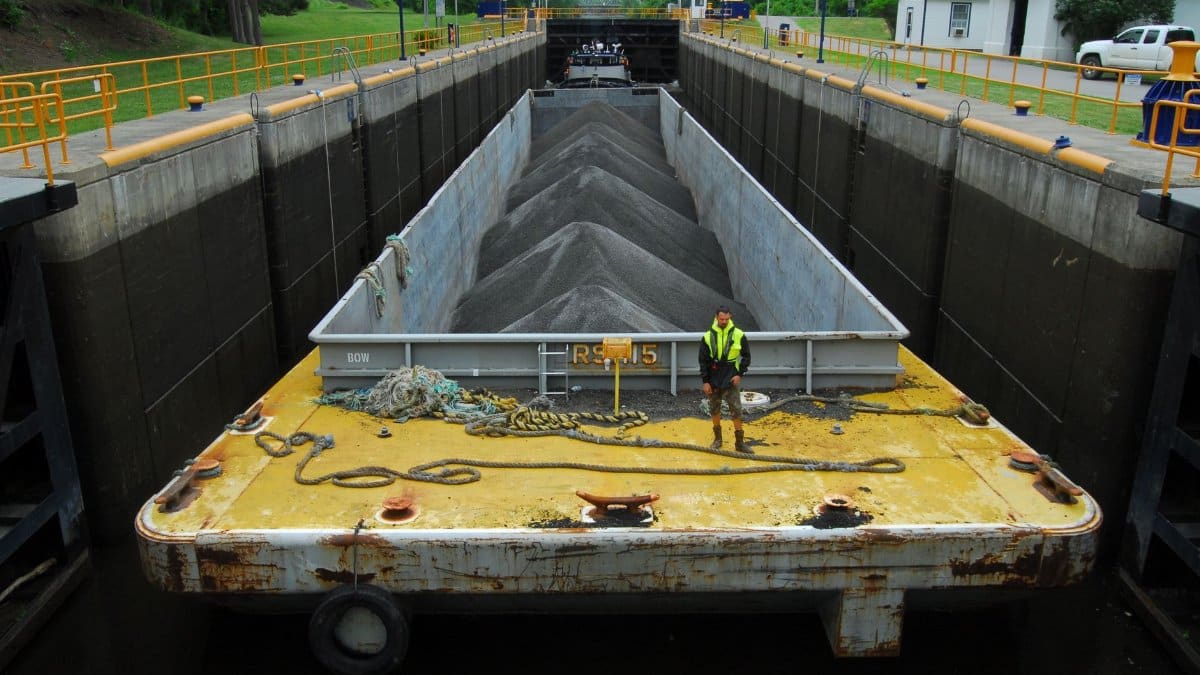
The Cheboygan River has long served as a vital link between inland lakes and Lake Huron. Built in the early twentieth century, the lock and dam complex managed water flow while enabling safe vessel movement. Over decades, the structures endured heavy use from commercial haulers and private craft. Maintenance cycles kept operations steady until unusual weather patterns altered water volumes beyond design limits. Officials documented the strain through routine inspections that revealed stress on gates and foundations.
Causes behind the extended spring closure

Persistent rainfall combined with snowmelt pushed water levels to historic peaks. Engineers noted that excess flow threatened mechanical components and surrounding banks. Safety protocols required a full halt to navigation while assessments continued. The Michigan Department of Natural Resources coordinated with federal partners to evaluate damage and prioritize fixes. Without intervention, further deterioration could have affected downstream communities.
Details of the repair process

Work focused on reinforcing gate mechanisms and stabilizing concrete abutments. Crews replaced worn seals and upgraded control systems to handle variable flows. Divers inspected submerged elements, while surface teams managed debris removal. Materials arrived from regional suppliers to reduce delays. Daily progress reports kept stakeholders informed as timelines shifted due to weather.
Effects on local boating communities

Many operators postponed trips or rerouted through longer alternatives during the closure. Marinas reported reduced fuel sales and service requests. Fishing guides adapted schedules around limited access points. Once passage resumed, pent up demand produced steady traffic that offset earlier shortfalls. Families planning vacations expressed relief at the restored option.
Role of state agencies in reopening
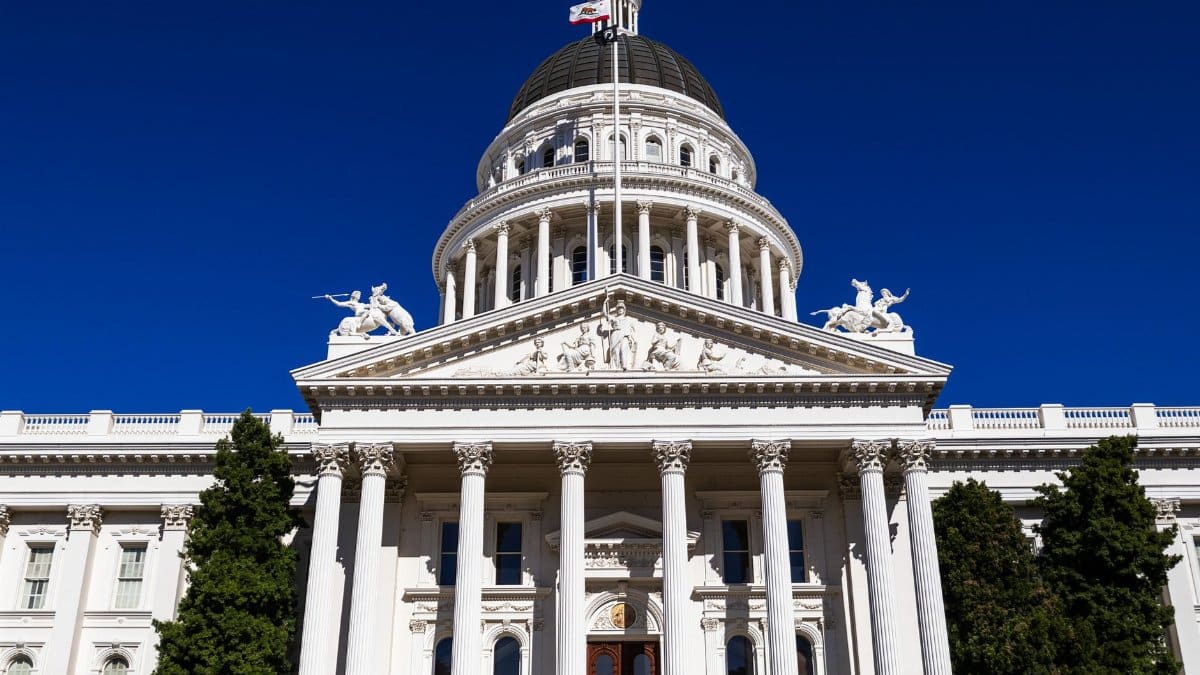
The Department of Natural Resources oversaw final testing and issued clearance for public use. Staff verified operational standards through trial runs with agency vessels. Coordination with the Coast Guard ensured updated navigation charts reflected current conditions. Public notices outlined new procedures for lock passage to maintain orderly movement.
Broader implications for regional tourism
Boating contributes substantially to northern Michigan economies through lodging, dining, and equipment rentals. The reopening supports businesses that rely on summer visitors arriving by water. Chambers of commerce noted increased inquiries from out of state travelers. Events scheduled along the river, such as regattas and tours, gained renewed viability.
Environmental considerations during restoration
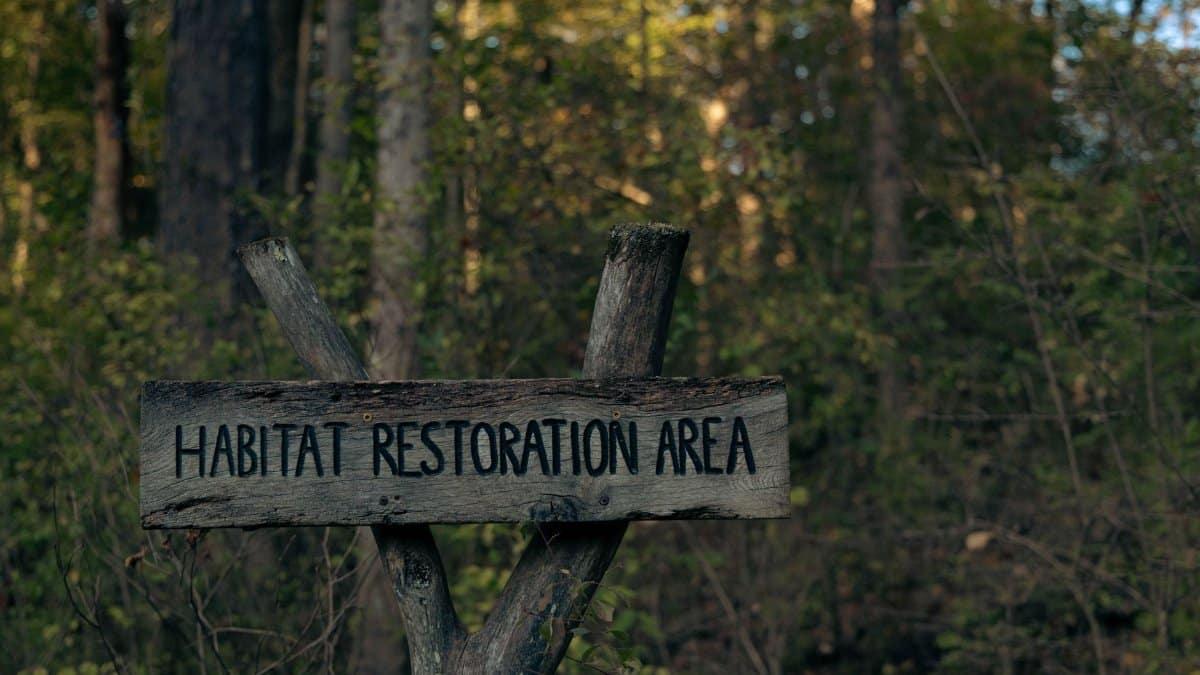
Teams monitored sediment displacement and fish passage throughout construction. Measures included temporary barriers to protect spawning areas and controlled releases to maintain oxygen levels downstream. Post repair surveys confirmed minimal lasting disturbance to aquatic habitats. Ongoing monitoring will track any shifts in water quality metrics.
Safety updates for vessel operators
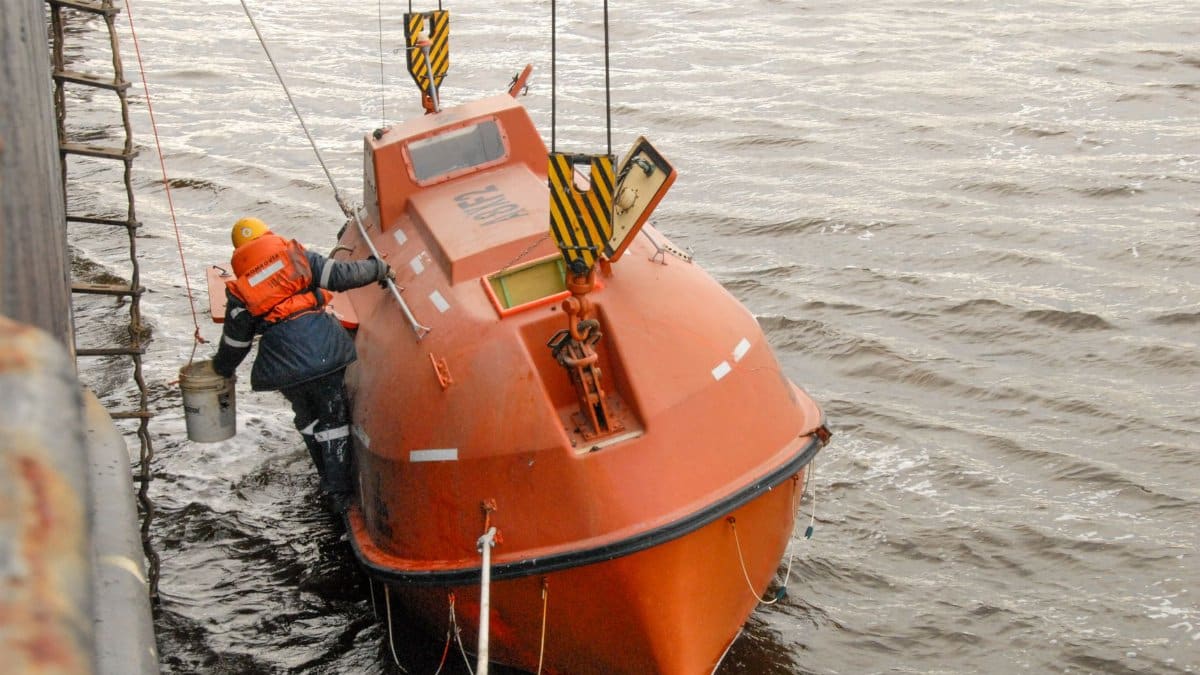
Revised guidelines emphasize speed limits near the lock and proper signaling during transit. Updated signage directs traffic to designated waiting zones. Operators receive briefings on water depth variations that persist near the dam. These steps aim to reduce incidents as volumes normalize.
Future maintenance outlook

Officials plan annual assessments to address wear before it escalates. Budget allocations include provisions for sensor installations that provide real time data on structural stress. Collaboration with engineering firms will explore adaptive designs suited to changing precipitation patterns. Such preparations seek to limit future closures.
Community perspectives on the changes

Residents along the river voiced appreciation for restored access that reconnects neighborhoods divided by water. Local historians highlighted the lock role in regional development. Boaters shared accounts of prior seasons when similar interruptions altered traditions. The consensus centers on balanced use that respects both recreation and preservation needs.