

In recent weeks the Illinois House committee has moved forward with a revised tax framework that could reshape how the Chicago Bears pursue their ambitious venue plans north of the city. This development arrives amid ongoing conversations about public funding, local growth and the long term role of professional sports facilities in suburban communities. Observers note that the measure reflects broader efforts to balance fiscal responsibility with economic opportunity in a state where such projects often spark intense debate. The Bears Arlington Heights Stadium proposal now faces further scrutiny as details continue to evolve through the legislative process.
Legislative Momentum Builds in Springfield
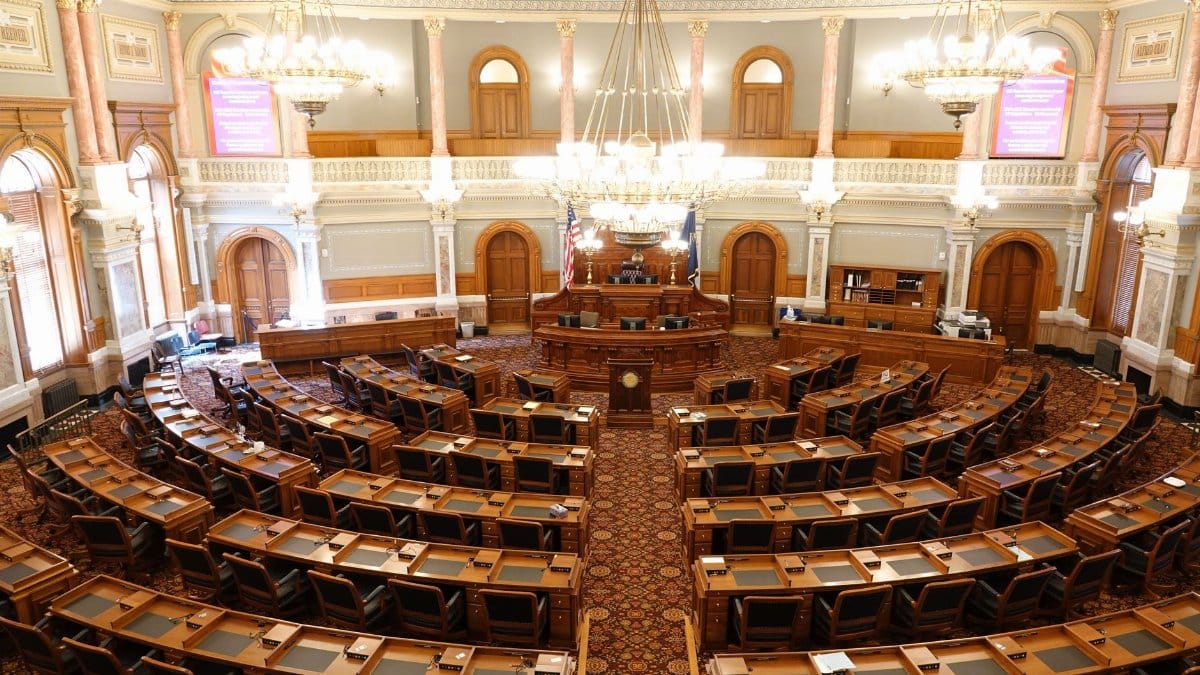
Lawmakers advanced the tweaked proposal after several rounds of negotiation that addressed concerns from both supporters and critics. The committee vote signals a willingness to explore creative financing options while maintaining oversight on how public resources might support private development.
Local Economic Considerations

Arlington Heights residents have expressed a mix of optimism and caution regarding the potential arrival of a major sports venue. Proponents argue that increased foot traffic could benefit nearby businesses and expand the tax base over time. Skeptics point to the need for careful planning to avoid straining existing infrastructure.
Financing Structures Under Review

The adjusted tax approach includes provisions that aim to spread costs across multiple revenue streams rather than relying solely on one source. This method seeks to limit immediate burdens on taxpayers while still enabling the project to move ahead if other conditions are met.
Community Input Shapes Discussions

Public hearings have provided a forum for voices from across the area to weigh in on traffic patterns, housing impacts and quality of life issues. Officials have committed to incorporating feedback as the bill progresses through additional committees.
Comparison With Other Stadium Projects
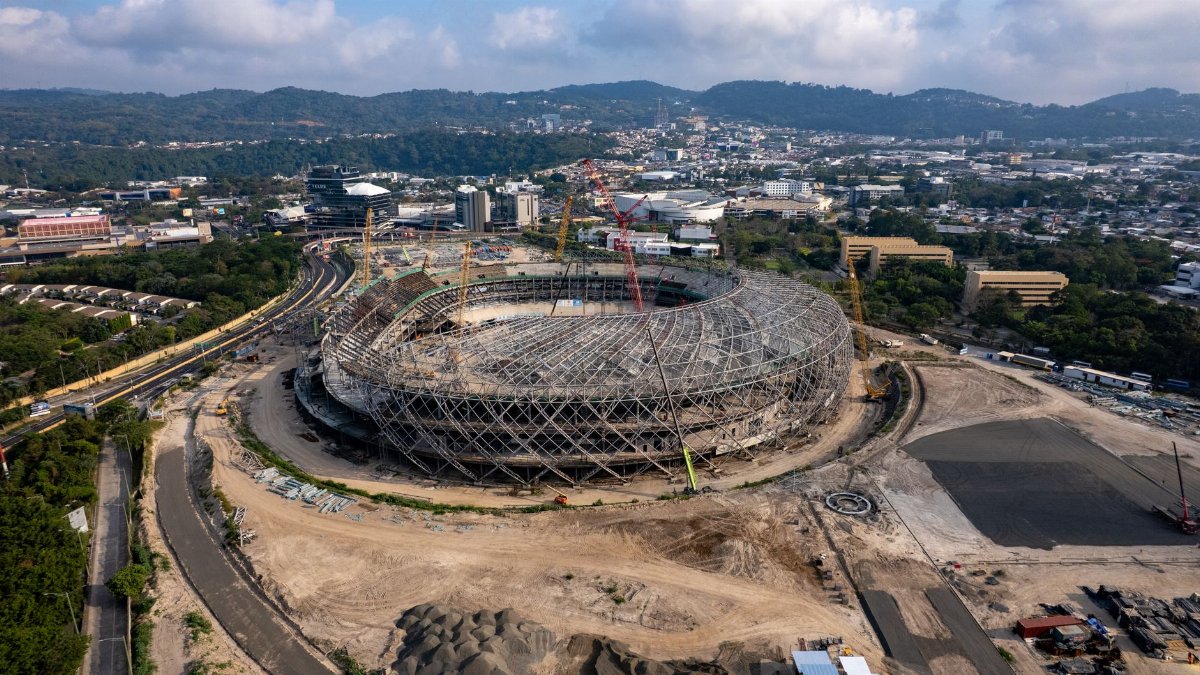
Similar efforts in different states offer lessons about what works and what requires adjustment when public support intersects with professional sports ambitions. Illinois leaders appear attentive to those experiences as they refine the current measure.
Next Steps for Approval

The bill now heads to the full House for consideration where further amendments remain possible. Timing could influence whether construction planning advances before the next budget cycle begins.
Broader Implications for Suburban Growth
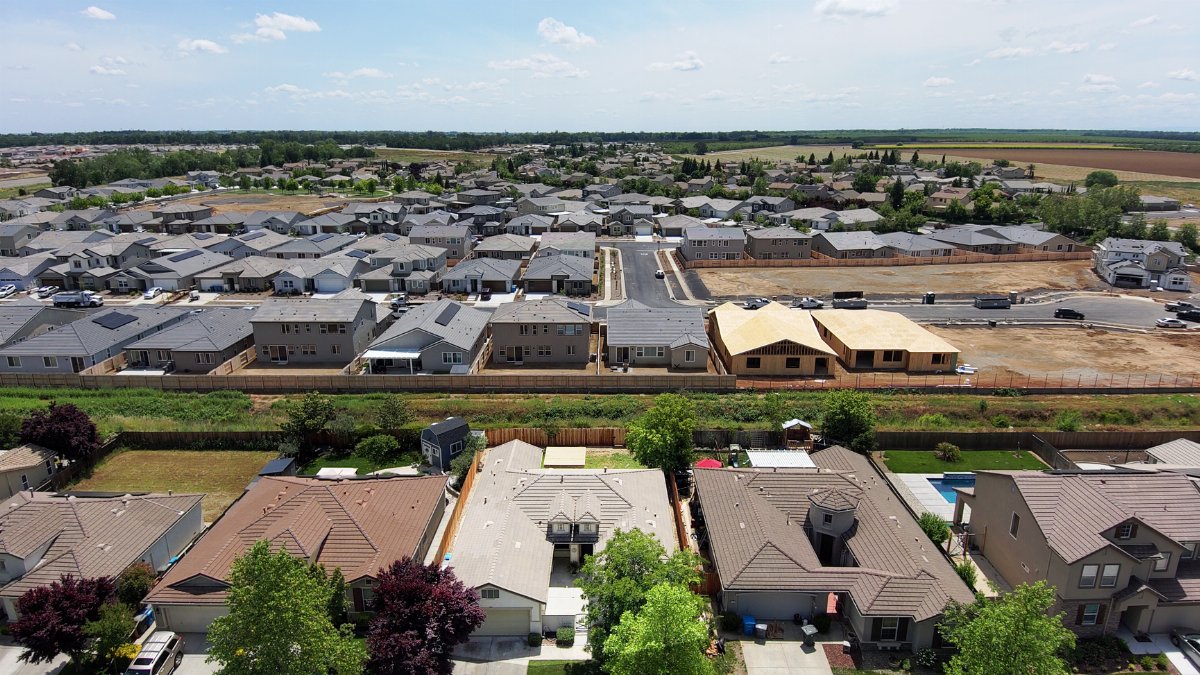
A successful project might set precedents for how other communities approach large scale entertainment investments. It could also influence future negotiations between teams and municipalities seeking to retain or attract franchises.