
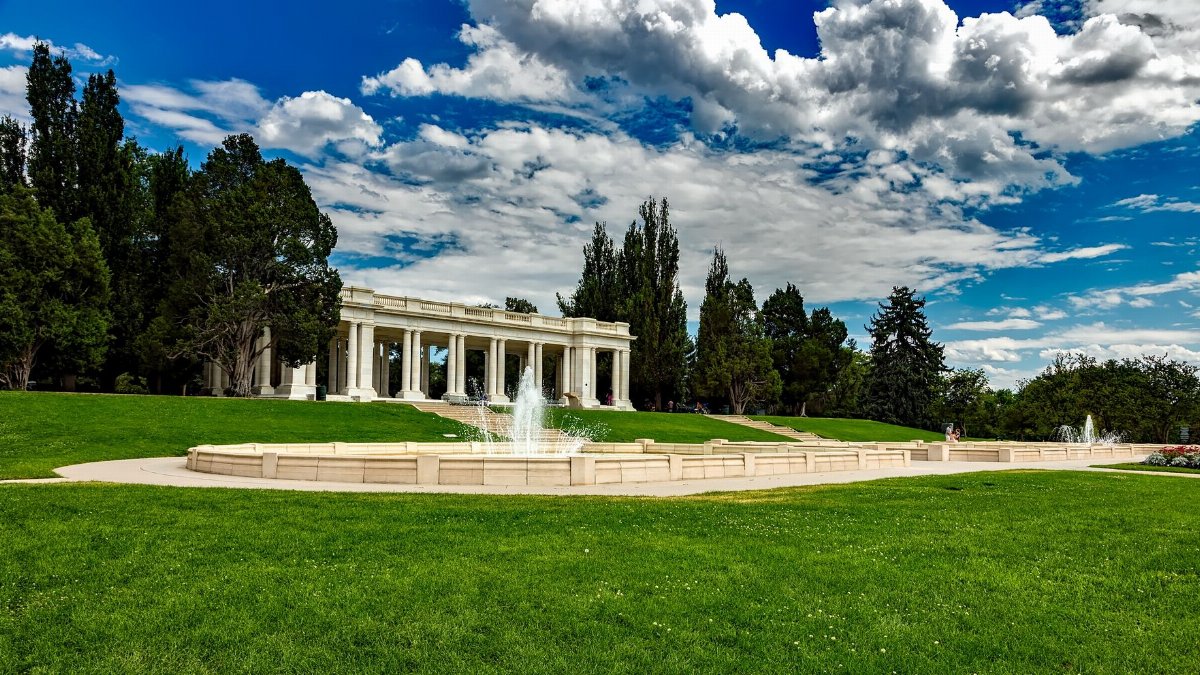
In the heart of Denver a green expanse holds layers of the unexpected beneath its lawns and paths. People gather there daily for picnics and strolls yet few realize how a simple disc can unlock an entirely new layer of engagement. An inventive project now invites participants to confront shambling figures while absorbing details about the grounds former role as burial land. The Cheesman Park game turns an ordinary outing into a lesson wrapped in motion and quick decisions. Players report feeling both entertained and oddly informed after just one session amid the trees. This blend of movement and narrative has begun drawing attention from locals and visitors alike who seek something beyond a standard afternoon outside.
The Spark Behind The Project

A software engineer named Casey Cantor spent years exploring ways technology could intersect with everyday spaces. One afternoon while walking through the park the idea arrived fully formed after noticing how many people carried discs for casual throws. He envisioned a way to add purpose to those throws by tying them to stories from decades past. Working alone he sketched the core loop in a notebook before moving to code. The goal remained simple from the start to create something free that anyone could try without special equipment beyond a phone and a disc.
How The Gameplay Unfolds
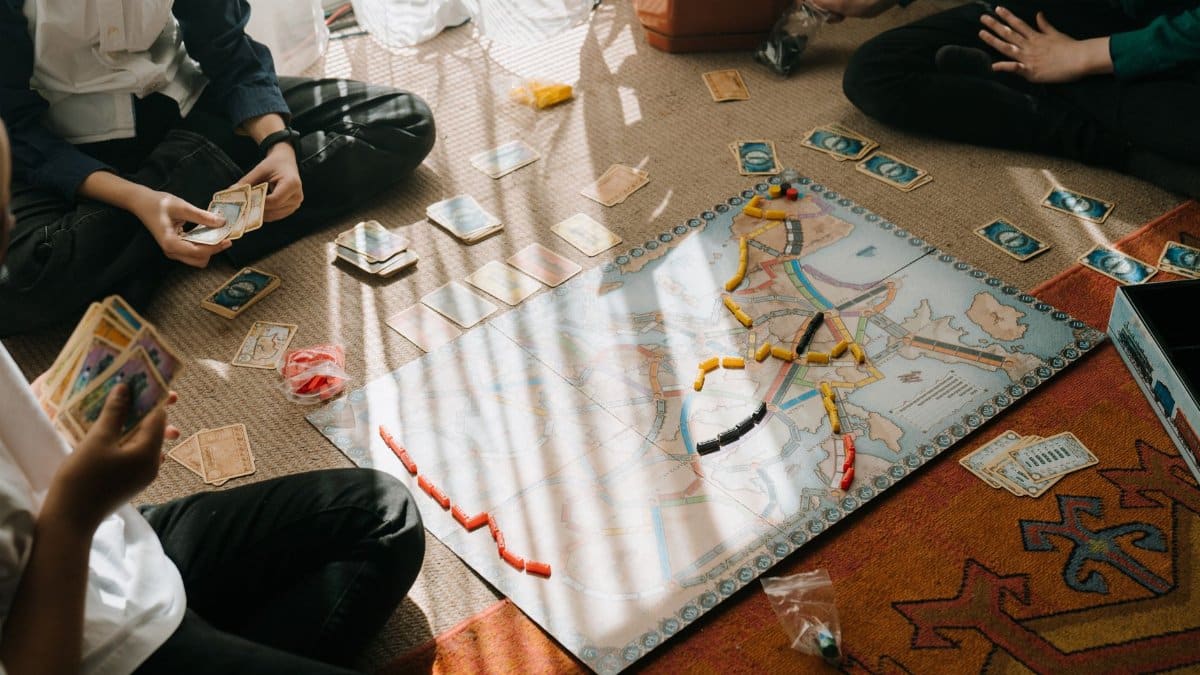
Participants launch their disc toward digital targets that appear on screen as they move across open areas. Each successful toss disrupts advancing figures while facts about the site appear in short bursts. The experience runs on location data so the same spot yields different encounters on return visits. No purchases are required and the whole session lasts roughly twenty minutes making it easy to fit between other plans. Early testers noted the smooth tracking even when groups of friends joined in at once.
Connecting Players To Hidden History
Long before lawns covered the area the land served as a cemetery for thousands. Many graves were later moved yet records show some remains stayed behind creating the uneasy reputation the park still carries today. The game weaves these details into its challenges so users learn the background without opening a separate book or site. Stories surface about early residents and the decisions that shaped the neighborhood around it. This approach keeps the education light yet memorable for those who might otherwise skip traditional tours.
Building It All In Record Time

Cantor completed the entire experience in six days by leaning on artificial intelligence tools for art assets and basic scripting. He tested each element on site to confirm the disc throws registered correctly under open sky. Friends offered quick feedback on pacing and clarity which helped refine the flow before release. The result feels polished despite the short timeline proving how accessible modern tools have become for solo creators. Word spread through local online groups leading to hundreds of downloads within the first week.
Why Frisbees Fit The Setting

The choice of disc throwing aligns naturally with park habits where many already gather for games of catch or longer throws across fields. Adding virtual elements to this existing activity reduces the learning curve for new users. It also encourages physical movement across the grounds which mirrors the exploratory spirit of uncovering the past. Players describe a satisfying rhythm when a good toss clears a wave and reveals the next historical note at the same time.
Reactions From First Players

Local families have praised the way the experience keeps children engaged without screens dominating every moment. One group mentioned returning the next weekend to try different paths and compare notes on what they discovered. Others appreciated the respectful tone taken toward the serious history even as the premise stays playful. Social media posts show smiling faces holding discs with captions sharing favorite facts learned during play. The mix of light competition and quiet reflection seems to strike a chord across age groups.
Potential For Similar Projects Elsewhere

Developers in other cities have reached out asking about the methods used to combine location data with physical play. Cantor has shared basic outlines openly hoping others will adapt the concept to their own parks or landmarks. Such expansions could turn more green spaces into living classrooms where movement itself drives discovery. The low cost barrier means schools or community centers could organize group sessions with minimal setup.
Looking Forward For The Creator
Cantor plans minor updates based on player suggestions such as new routes and additional facts gathered from city archives. He remains focused on keeping the project free and community driven rather than turning it into a commercial product. Future versions might include seasonal themes tied to different times of year when the park looks especially striking. The core remains unchanged an invitation to engage with place through motion and curiosity rather than passive observation alone.