

The first ballots of the November 2026 cycle have already landed in California mailboxes, crisp and early, while the editorial page that many readers treat as a compass is still missing several names. Chronicle California election endorsements are not a single announcement this year. They are arriving in pieces, and the gaps are as telling as the choices already published. I have watched readers write in, impatient and fair, asking why a newspaper that has covered these contests for generations cannot simply finish the list. The answer is less dramatic than a conspiracy and more ordinary than a delay for its own sake. Some measures are still being rewritten in committee language. Some local fields are still settling after late filings. An incomplete page is not a shrug. It is a record of work that has not yet earned a verdict.
What an unfinished list actually signals
An endorsement is a public argument, not a stamp. When the Chronicle withholds one, the silence is supposed to mean the board has not finished reading, listening, and testing claims against the record. Voters sometimes hear that silence as hesitation or bias. In practice it often means a proposition summary changed after the first draft, or a candidate interview was rescheduled because a city clerk released new finance reports the same afternoon. The paper has chosen, in this cycle, to publish what it can defend and to leave blank what it cannot yet defend. That choice frustrates people who want a single morning of clarity. It also protects the one asset an editorial board cannot repurchase once spent: the sense that a recommendation was earned rather than rushed to meet a mail date.
Ballots being out does not freeze the underlying facts. Campaigns keep amending websites. Legislative analysts keep correcting fiscal notes. A board that locks every position on the day envelopes go out is choosing speed over the last useful information. The Chronicle has said, in its own pages, that several November items remain open for that reason. Readers are entitled to know which items those are, and why.
Propositions that refuse to sit still
Statewide propositions are where the delay is most visible. A measure that looks simple on a ballot title can hide a funding formula, a sunset clause, or a definition of eligibility that only becomes clear after opposing counsel files the official arguments. Editorial writers who treat the title as the whole text will endorse a slogan. Writers who read the text will sometimes discover that the slogan and the statute point in different directions. That discovery takes days, not a headline cycle.
November 2026 includes measures whose fiscal effects depend on economic assumptions the Legislative Analyst’s Office is still refining in public supplements. Housing, climate bonds, and criminal justice changes rarely arrive as pure moral questions. They arrive as spreadsheets with political labels attached. A responsible board asks what happens in year three, not only what the television ad promises in week one. Chronicle California election endorsements on those items will look late to anyone who wanted a yes or no beside the sample ballot. They will look early to anyone who has watched a measure’s official argument contradict its own section numbers.
Complexity is not an excuse for endless delay. There is a point at which more reading becomes avoidance. The standard ought to be practical: has the board seen the final ballot language, the main fiscal note, and a fair account of who pays and who is exempt. If those three things are in hand, silence starts to look like indecision. If they are not, silence is the more honest product.
Local races with late maps and late money

City and county contests create a different kind of incompleteness. Boundaries shift after redistricting lawsuits. A supervisor race that looked like a two person field in spring can become a five person field after a court order or a surprise entry. Endorsing before the field is stable means endorsing a contest that may not exist on Election Day. Local readers notice that faster than anyone in a state capital, because they know the neighborhoods the lines cut through.
Money reports matter here in a way that slogan coverage does not. A candidate who looks independent in an interview can turn out, in the next filing, to be funded by a single interest that will have business before the body they hope to join. Waiting for that filing is not purism. It is the minimum check against being used as a free advertisement. The Chronicle has left several Bay Area and statewide local recommendations unmarked while those reports and a last round of interviews are still in motion. Voters in those districts deserve a plain list of which seats are pending, not a vague promise that more is coming.
How the board actually decides

From the outside, an endorsement can look like a mood. From the inside, it is a sequence. Reporters who cover the beat brief the board. Candidates sit for interviews that are on the record in substance if not always in transcript. The board reads the measure, the analyst note, and the strongest argument from each side. Members argue. A recommendation is drafted in plain sentences that a reader can disagree with without having to decode jargon. Then editors ask whether the draft still matches the facts if a single late development lands before publication.
That last question is where November 2026 has slowed the page. A draft written against a preliminary fiscal note can become misleading overnight. Publishing it anyway would be faster and worse. The board’s job is not to be first among newspapers. It is to be usable by a person standing at a kitchen counter with a pen and a deadline of their own. Chronicle California election endorsements that fail that test are not a service, even if they arrive on the same morning as the ballot.
I have sat through enough of these arguments, as a reader of the process rather than a member of it, to know that unanimity is rare and not required. What is required is a reason a skeptic can inspect. When the reason is not ready, the byline should wait.
The pressure of an early mail ballot
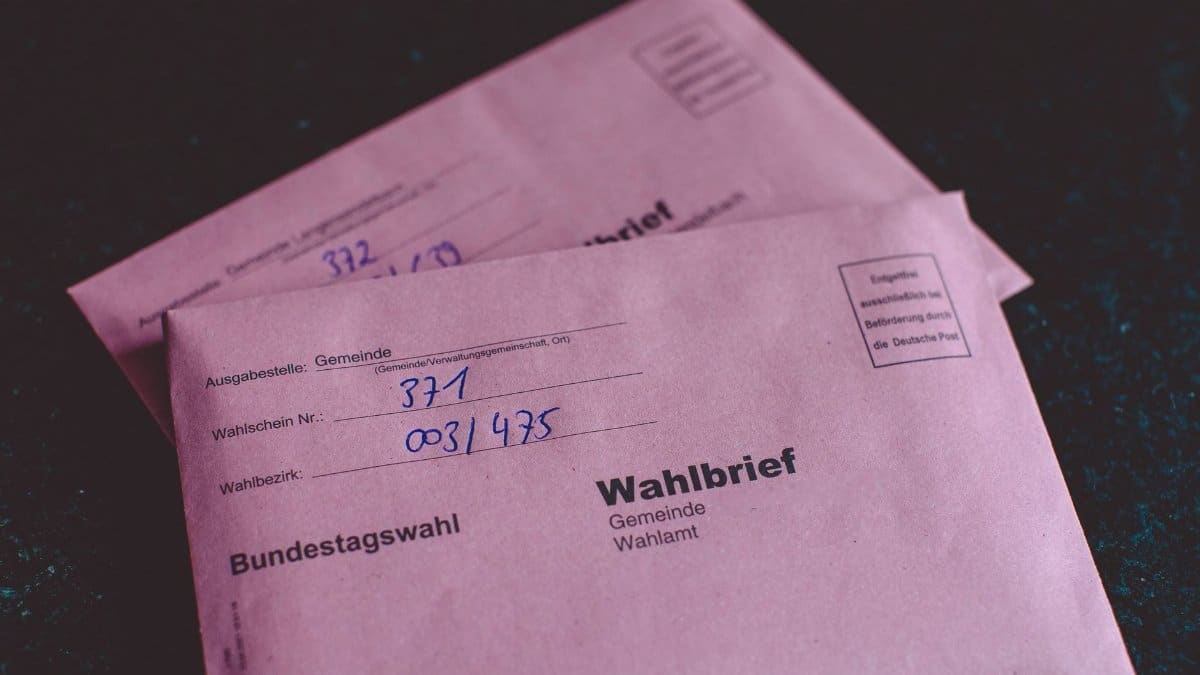
California’s vote by mail habit changed the calendar for everyone who tries to inform an election. Millions of people will mark choices weeks before Election Day. Some will mark them the afternoon the envelope arrives. An editorial page that publishes after those votes are already in the mail has missed part of its audience, and it knows it. That knowledge creates a real temptation to close every open question on the first legally available morning.
The temptation should be resisted where the facts are still moving, and accepted where they are not. A contest with a stable field, a clear record, and completed interviews does not need to wait for the hardest proposition on the ballot. Readers lose when a newspaper bundles everything into one late package out of a desire for neatness. They also lose when a newspaper scatters hasty yes votes so that no box on the page stays empty. The better pattern is staggered publication with dates and reasons attached, so a voter who has already mailed a ballot can see what they missed, and a voter who has not can see what is still unsettled.
What readers are owed while boxes stay empty

Silence without explanation breeds the worst interpretation. If a recommendation is missing, the page should say whether the cause is a late filing, an unfinished interview, a disputed fiscal note, or an internal split that has not resolved. Those are different facts. Lumping them under a single note that more endorsements are coming treats the audience as people who need reassurance rather than information.
Readers are also owed the criteria. A board that weighs fiscal cost more heavily than symbolic intent should say so before the choices appear, not only in the paragraphs that defend a controversial no. A board that treats local experience as more important than statewide name recognition should say that too. Criteria published in advance make later disagreements cleaner. They also make delays easier to judge. If the stated test is whether the final analyst language is public, a reader can look up that language and decide the wait is justified or not.
There is a further debt: corrections. If an early endorsement rests on a number that the state later revises, the page should revisit the recommendation in the same prominent space, not in a quiet editor’s note. Early mail makes that duty heavier, not lighter, because some readers will already have voted on the first version.
The uses and limits of a newspaper’s choice

Endorsements do not decide California elections. They do not even reliably decide San Francisco elections, where the Chronicle’s own readers split, argue, and often ignore the editorial page on purpose. Pretending otherwise flatters the institution and insults the public. The honest claim is smaller. A careful endorsement gathers reporting that a single voter may not have time to gather, states a preference, and shows its work. People who disagree can use the same facts to reach another conclusion. People who agree still ought to read the measure themselves.
That limited claim is worth keeping, which is why an incomplete list is preferable to a fake complete one. A voter who treats Chronicle California election endorsements as a substitute for reading will be poorly served in any year. A voter who treats them as one argued briefing among others can use a partial list without being misled, provided the missing items are labeled as missing. The danger is the unlabeled gap, the race that vanishes from the page as if it did not exist.
Where impatience becomes a civic habit
There is a style of political consumption that wants every institution to speak at the speed of a feed. Newspapers sometimes imitate that speed and call it relevance. On endorsements, imitation is a mistake. A recommendation that cannot survive a week’s worth of new filings should not have been published to catch the first wave of returned ballots. Impatience from readers is understandable. Impatience from the board, directed at its own standards, is how trust erodes in a way no later correction fully repairs.
At the same time, voters are not required to wait. County election sites publish candidate statements. The secretary of state publishes measure texts and arguments. Campaign finance portals, clumsy as they are, show who paid for the ads. A newspaper endorsement is an aid, not a gate. Anyone who needs to mail a ballot before the Chronicle finishes a given race can do so with public documents and a clear head. The board’s delay is not a reason to leave a ballot blank, and it is not a reason to treat rumor as a substitute.
A standard worth applying to the rest of the page
If the paper is willing to say that some choices are not ready, it should be willing to apply that sentence outside election season. Unsigned editorials on housing, policing, and the budget often rest on numbers that move just as fast as a proposition’s fiscal note. Readers notice when the board is cautious in October and casual in March. Consistency would mean fewer confident declarations issued on partial information, and more pieces that end by naming what is still unknown. That habit would make the election delays look like a method rather than a special pleading.
It would also discipline the letters and columns that surround the endorsements. A guest essay that asserts a measure will save a precise sum, without citing the analyst, should meet the same skepticism the board applies to candidates. The opinion section is a bundle. Weak adjacent copy makes a careful endorsement look like an accident.
What to watch as the remaining names appear

When the missing recommendations land, the useful questions are plain. Did the final ballot language change anything the board had assumed. Did a late money report alter the picture of independence. Did the editorial actually describe the tradeoff, or did it praise a goal and skip the mechanism. Readers who only check the yes or no line will learn less than readers who check whether the paragraph under it could have been written a month earlier without revision. If it could, the wait was theater. If it could not, the wait was the work.
Chronicle California election endorsements will not satisfy everyone who wants the moral comfort of a complete grid. They should satisfy a narrower and better demand: that each published choice match the record available on the day it appears, and that each unpublished choice come with a reason a stranger can verify. Ballots are out. Some judgments are not. The distance between those two facts is not a failure of nerve if the page is willing to explain it, item by item, until the list is actually done.