

On a Thursday evening along the Riverwalk, a loose pack of runners in mismatched shirts slows near a coffee window and starts talking about rent, parents, and whether anyone is still in town for the weekend. The gathering is not a charity race and not a college reunion. It is the weekly rhythm that a Naperville run club young adults have built so that leaving a bigger city does not have to mean leaving a social life behind. People in their twenties jog, walk, and linger. Some came back after a first job. Some never left. What they share is a suspicion that the suburb can hold more than a childhood bedroom and a commute.
Why the suburbs started feeling temporary
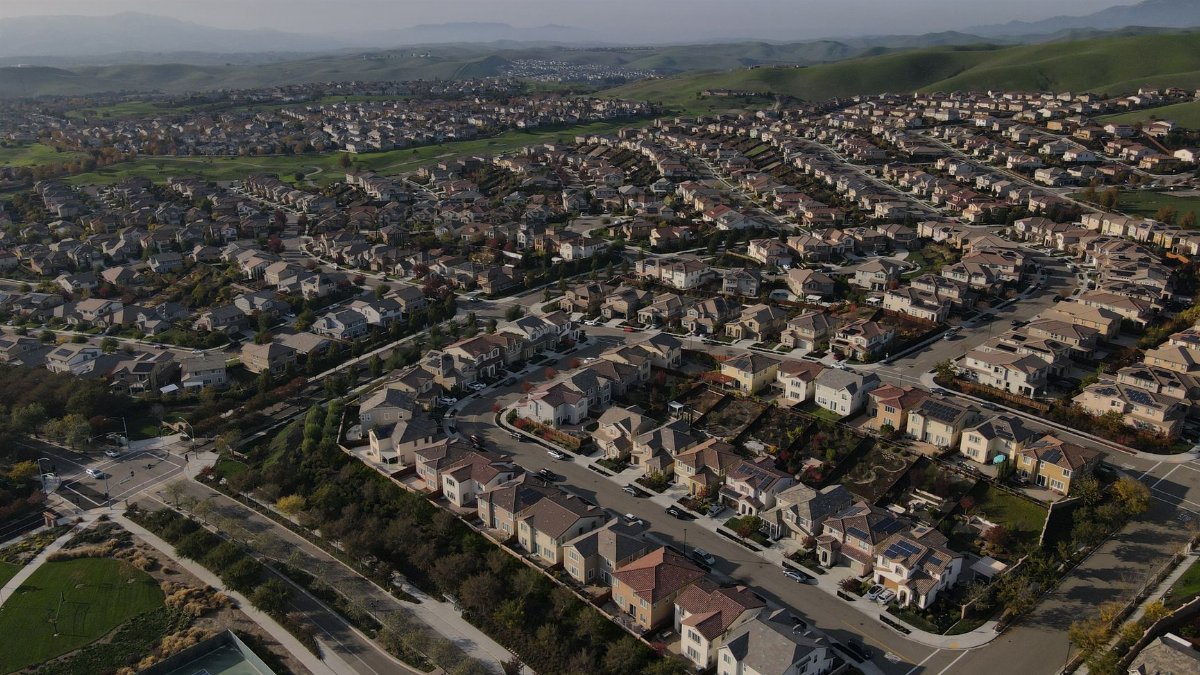
For a long time, Naperville functioned in the regional imagination as a place you graduated from. High school ended, a campus somewhere else began, and the return ticket was reserved for holidays. That story still has force. Apartments downtown Chicago remain a magnet, and friends scatter to coasts that promise denser nights and shorter walks to everything. Yet the cost of that magnet has changed the arithmetic. Rent, train fares, and the simple fatigue of starting over have made a familiar town look less like a fallback and more like a base.
City officials and shop owners have noticed the gap between people who grew up here and people who actually stay. A fun run will not rewrite housing policy. It can, however, answer a smaller and more immediate question: if I am here on a Wednesday, who do I call?
A club that treats friendship as the finish line

The Actual Naperville Running Club organizes outings for people roughly 18 to 28. The name is half joke and half manifesto. Members say they wanted something that felt specific rather than a generic fitness brand dropped onto a map. Pace groups exist, but nobody is shamed for walking the last mile. The point is repetition. Show up often enough and the faces stop being strangers in technical fabric.
I watched one loop end not with a sprint but with a debate over whose turn it was to pick the playlist. That argument mattered more than the split times. Belonging, in this age group, often arrives sideways, through small obligations that do not feel like networking.
How a themed run becomes a weekly plan
Themes keep the calendar from blurring. One week is a glow route after dusk. Another is a silent first mile followed by loud conversation. A third asks everyone to wear a shirt from a local high school, which produces both nostalgia and gentle mockery. The themes are light on purpose. They give shy people a reason to speak first.
Organizers post a meeting spot, a distance, and a nearby business that has agreed to stay patient with sweaty customers. The result is a plan you can text to a friend who is on the fence. Uncertainty is the enemy of attendance. A theme removes a little of it.
Local shops that stay open a little later

The club’s retention idea is braided with storefronts. A bakery near the route sets aside a tray. A bookstore keeps a back table for people who want to cool down without going straight home. None of this is charity in the grand sense. It is ordinary commerce timed to a crowd that might otherwise order delivery and disappear.
Owners describe the runners as polite and inconsistent, which is another way of saying they are twenty something. Some weeks the group is thirty people. Some weeks it is twelve. The shops that benefit are the ones willing to treat irregular loyalty as still worth the lights.
The quiet pressure to move downtown
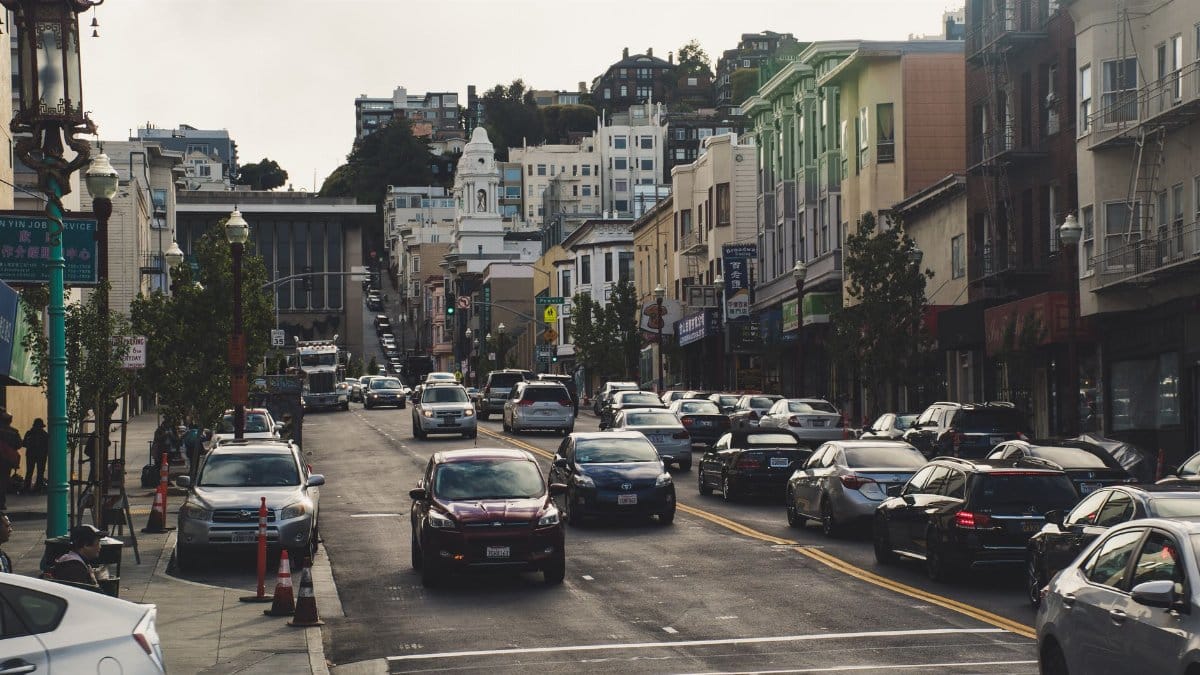
Ask members why they almost left and the answers rhyme. A partner took a job in the Loop. A college friend group calcified around a neighborhood bar two train lines away. Parents asked, kindly and often, when real life would start. Real life, in that telling, had a skyline.
The Naperville run club young adults talk about does not argue with ambition. Several members commute. Several are applying elsewhere. What the club interrupts is the assumption that staying is a failure of nerve. A weekly mile with peers makes the suburb feel chosen rather than inherited.
What parents notice when children come back
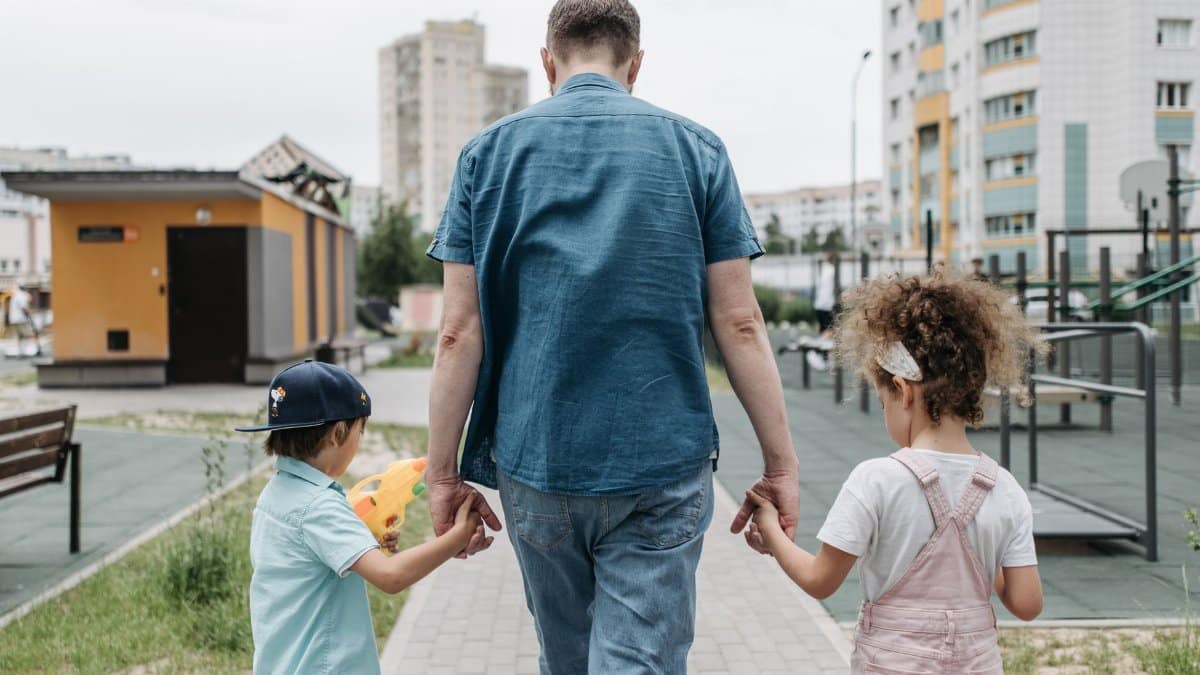
Households feel the shift before city hall does. A son who used to visit for laundry now has plans that do not include the living room. A daughter borrows the car for a route and returns with names her parents have not heard. The emotional weather is mixed. Pride sits beside the old hope that the child would build a life somewhere more obviously exciting.
Parents I spoke with near a school pickup did not use the language of economic development. They talked about Sunday dinners that happen because someone is still in the zip code on Saturday night. That is a modest civic outcome, and it is also the one families can actually touch.
Pace, ritual, and the search for belonging
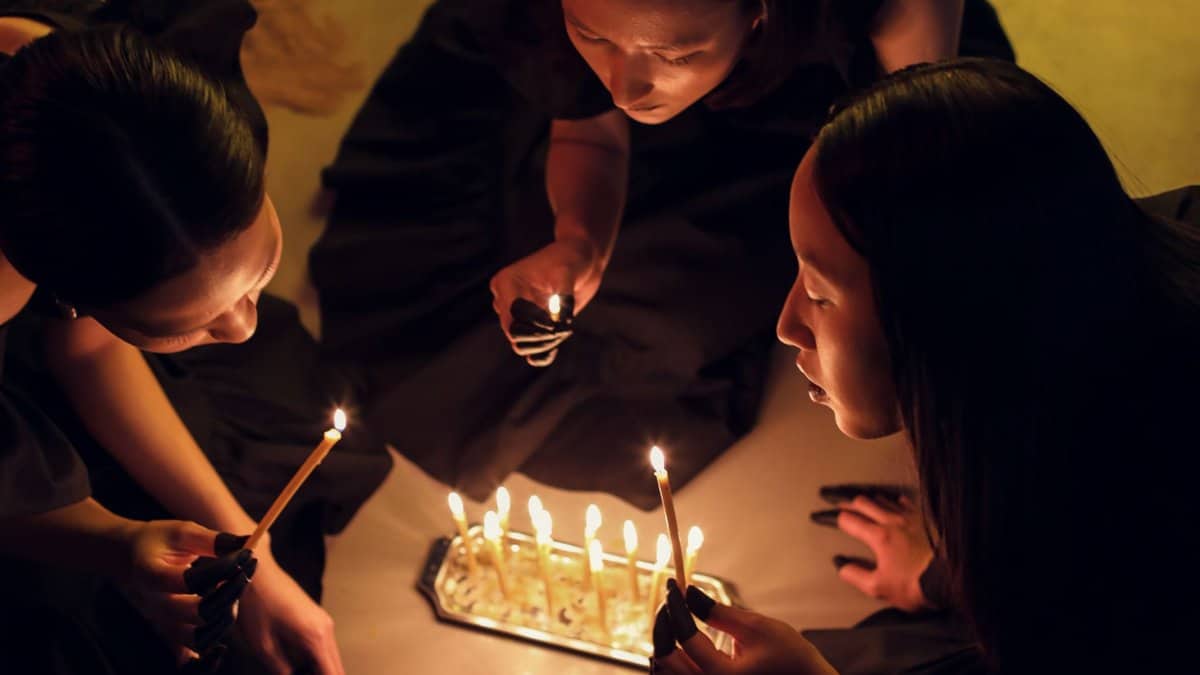
This is not a congregation, and it would be a mistake to dress sweat in vestments. Still, the pattern echoes something older than fitness apps. People agree to meet, move their bodies, and then eat. Ritual does not require a creed to do social work. In a category of news often crowded with institutional decline, a volunteer route can look like a small countertrend: young adults inventing a practice when inherited ones feel distant.
Some runners pray before they start. Most do not. The shared element is attention. Phones stay in pockets for at least the first stretch. Conversation has to survive without a screen to hide behind. That constraint produces awkwardness, then, if the group is lucky, ease.
Routes that make the town feel larger

Naperville is not short on paths, but familiarity can shrink a map. The club rotates river segments, neighborhood grids, and the occasional out and back that ends at a park parents use on weekends. Newer residents learn where the lights are reliable. Lifelong residents discover blocks they drove past for years without walking.
Distance is calibrated so that a newcomer is not stranded. Three miles is common. Five appears when the weather cooperates. The geography lesson is subtle. A place you can cross on foot starts to feel like yours.
Who shows up and who stays away

The crowd is not a perfect cross section. Many members went to nearby schools or know someone who did. Shift workers are underrepresented because the popular start times favor office schedules. Organizers admit that. They have tried sunrise loops and weekend alternatives, with uneven results.
Inclusion here is less a slogan than a logistics problem. If the only invitation is a group chat full of college friends, the club will reproduce the circle it already has. The more public the meeting spot, the better the chance that a new face can join without an introduction. That is why the Riverwalk matters. It is legible. You can find it without already belonging.
A retention idea that is really a social one

Regional leaders sometimes speak about keeping talent as if it were a tax abatement with sneakers. The runners are less abstract. They want someone to notice if they skip two weeks. They want a reason to be outside that is not a solo podcast and a guilt spiral. When a Naperville run club young adults describe to their friends back in the city, they do not lead with property values. They lead with a person who saved them a seat at the bakery.
That is a fragile infrastructure. It depends on two or three organizers who answer messages, print no forms, and refuse to let the thing become a brand exercise. Burnout is the obvious risk. The club’s answer so far has been to rotate theme duty and to keep the rules short enough to fit in a text.
What other towns might copy without copying the costume

Not every suburb has a river path and a downtown dense enough to walk after dark. The transferable piece is narrower. Pair a recurring, low pressure gathering with businesses that expect the group and with an age band explicit enough that nobody feels like they crashed a different life stage. Leave the matching uniforms optional. Publish the plan early. End near food.
Towns that chase young residents only with apartments and slogans often miss the middle hours, the ones after work and before people retreat to private screens. A run club occupies exactly those hours. It is cheap compared with a new transit line and more personal than a marketing campaign. It will not hold everyone. It can hold enough people to change the feel of a Thursday.
The morning after the last mile

By the time the trays are empty, the conversation has drifted from pace to leases, siblings, and a concert someone might attend if the group buys tickets together. That last detail is the tell. The sport was the door. The calendar beyond the run is the retention program, whether anyone uses the phrase or not.
Naperville will keep losing some of its young adults to louder cities. It always has. The newer fact is that a visible cohort is testing a different ending, one in which friendship is rebuilt on familiar pavement. If the experiment lasts, it will be because the Naperville run club young adults rely on remains ordinary: a time, a route, a shop light, and the slight embarrassment of being glad to see the same people again.