
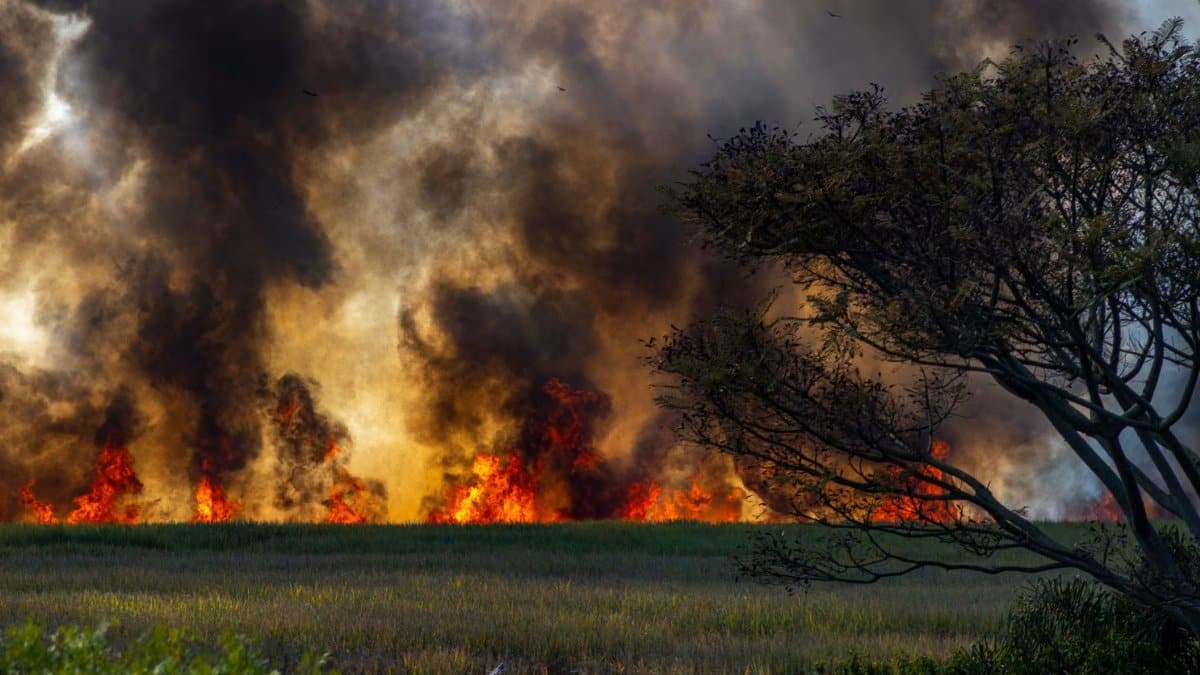
In the vast expanses of northern Arizona, where pine forests meet arid plateaus, residents have watched with growing concern as flames spread across remote ridges this season. Officials report that several large fires have ignited in quick succession, fueled by dry conditions and shifting winds. Fire crews from multiple agencies work around the clock to protect homes and natural areas while communities adapt to evacuation orders and air quality alerts. This evolving situation highlights the persistent challenges posed by Arizona Wildfires 2026, a reality that demands both immediate response and longer term planning from all involved.
Current Scale of Blazes in Northern Regions
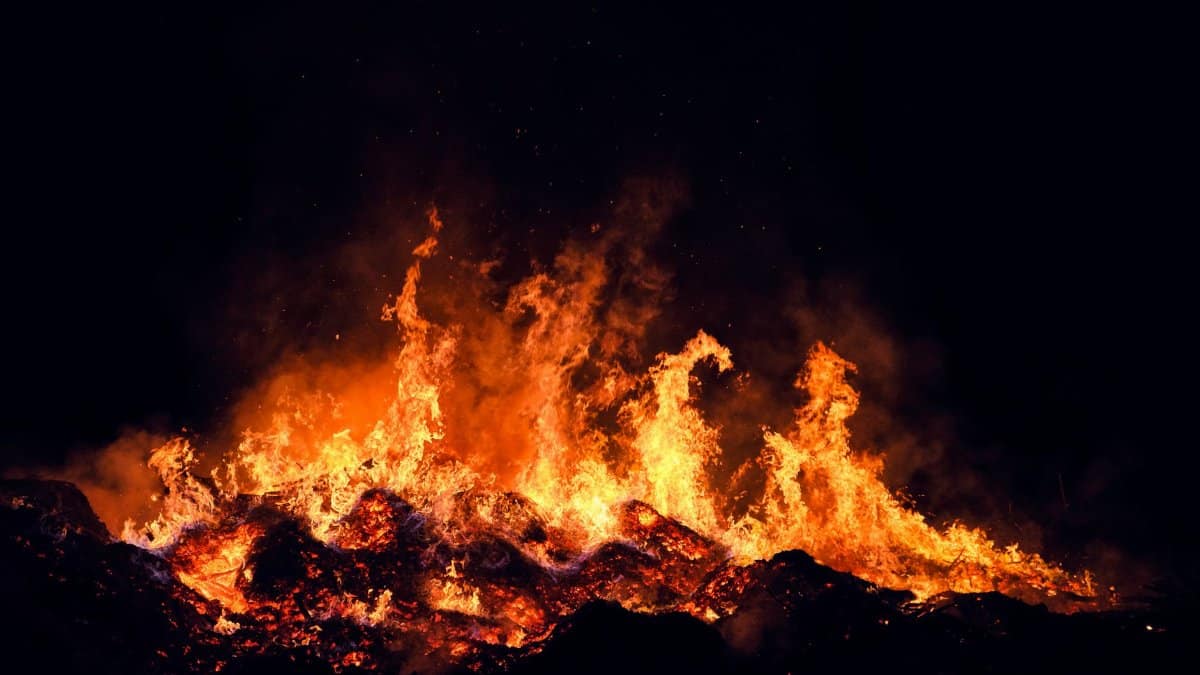
Fire activity has concentrated in areas north of Phoenix, where crews battle spot fires that threaten to merge into larger fronts. Local emergency teams coordinate with federal resources to establish containment lines along key highways. Residents in small towns describe nights illuminated by distant glows and mornings filled with smoke that lingers in the air. These conditions have prompted temporary closures of recreational sites and adjustments to travel routes for commuters.
Role of Weather Patterns in Fire Growth
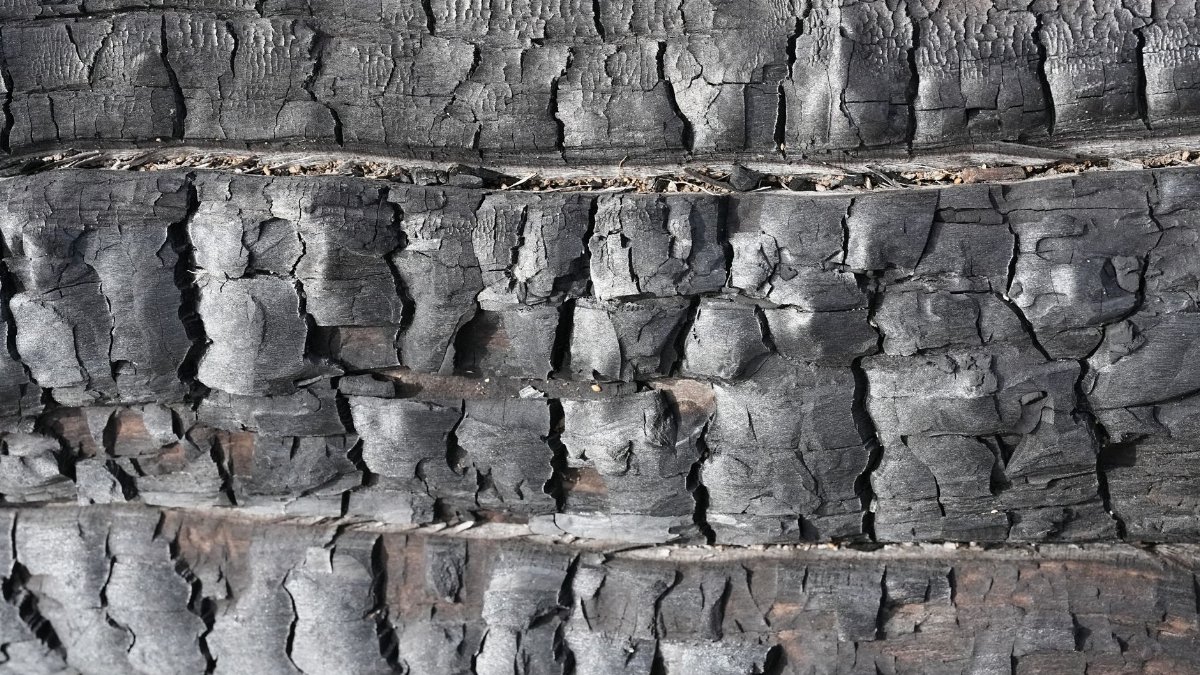
Meteorologists note that prolonged dry spells combined with occasional gusts have accelerated flame movement in recent weeks. Without significant rainfall, vegetation remains highly combustible across wide stretches of land. Forecasts suggest continued warmth through the coming period, which could extend the window for new ignitions. Such patterns underscore how climate influences shape the progression of Arizona Wildfires 2026 and the resources needed to address them.
Community Preparedness Efforts Underway
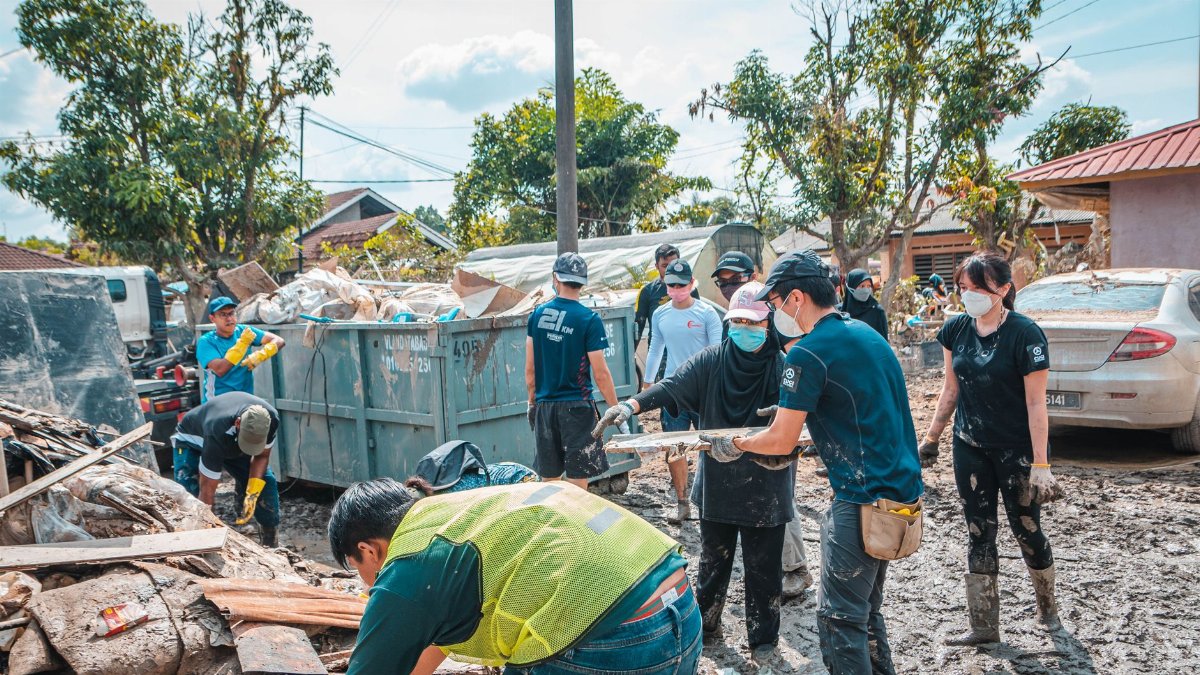
Towns throughout the affected zones have activated emergency plans that include public alerts and designated safe zones. Volunteers assist with distribution of supplies while schools adjust schedules to account for air quality concerns. Local leaders emphasize the importance of clear communication channels between agencies and households to reduce confusion during rapid changes. These steps reflect a collective approach to managing risks associated with Arizona Wildfires 2026.
Impact on Local Wildlife and Habitats
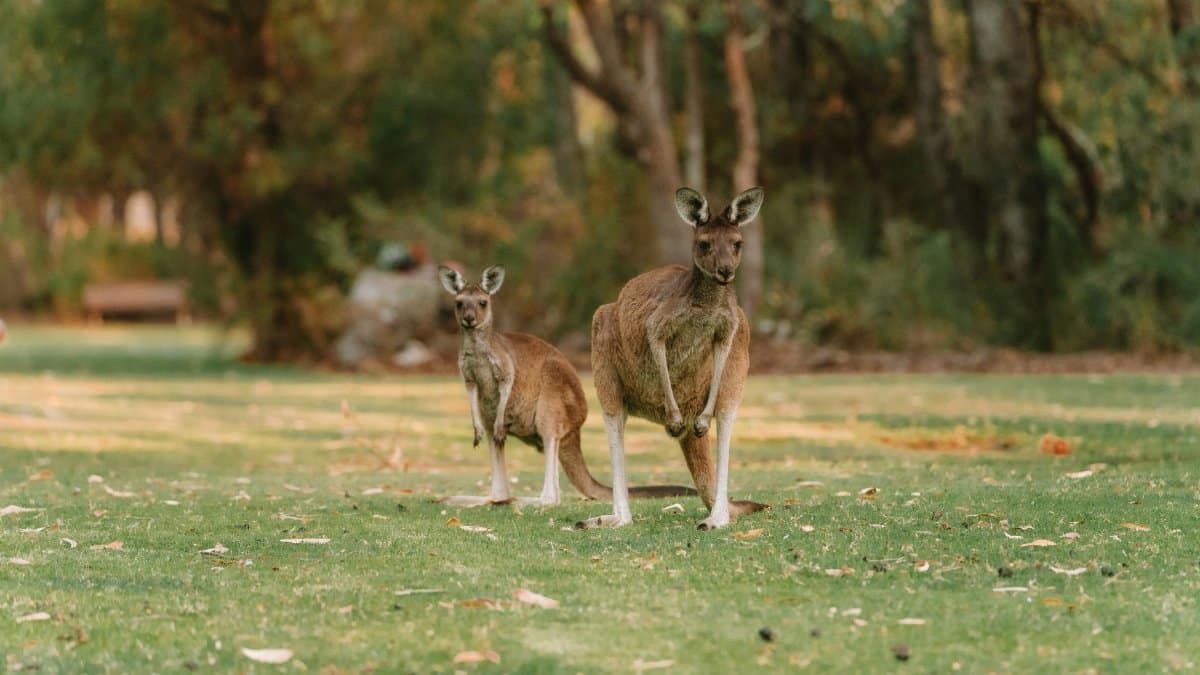
Ecologists observe that fast moving fires disrupt migration routes and nesting sites for several species native to the region. Burned areas may take years to recover fully, affecting biodiversity in subtle ways. Rehabilitation programs focus on replanting native grasses once containment is achieved. Such environmental consequences add another layer to discussions about sustainable land management in fire prone states.
Challenges Faced by Firefighting Personnel
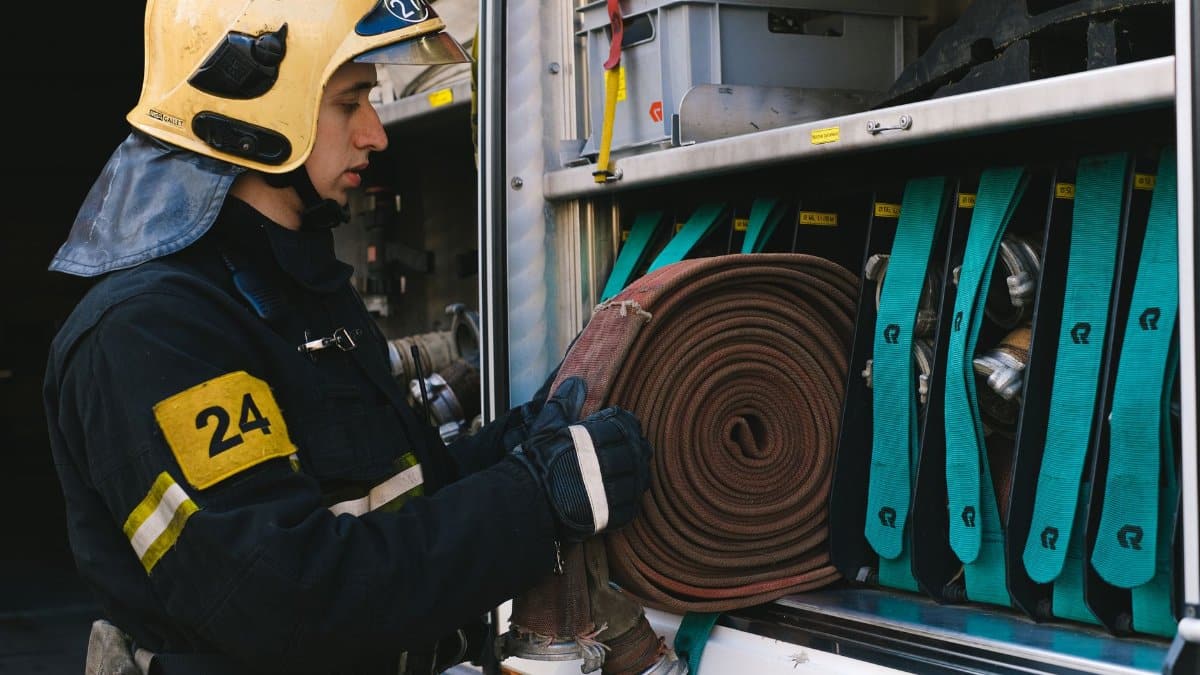
Teams on the ground navigate steep terrain and limited access roads while relying on aircraft for water drops in remote sections. Fatigue sets in during extended shifts, prompting rotations to maintain effectiveness. Equipment maintenance becomes critical amid constant use and harsh conditions. These operational demands illustrate the dedication required to contain Arizona Wildfires 2026 effectively.
Economic Effects on Surrounding Areas
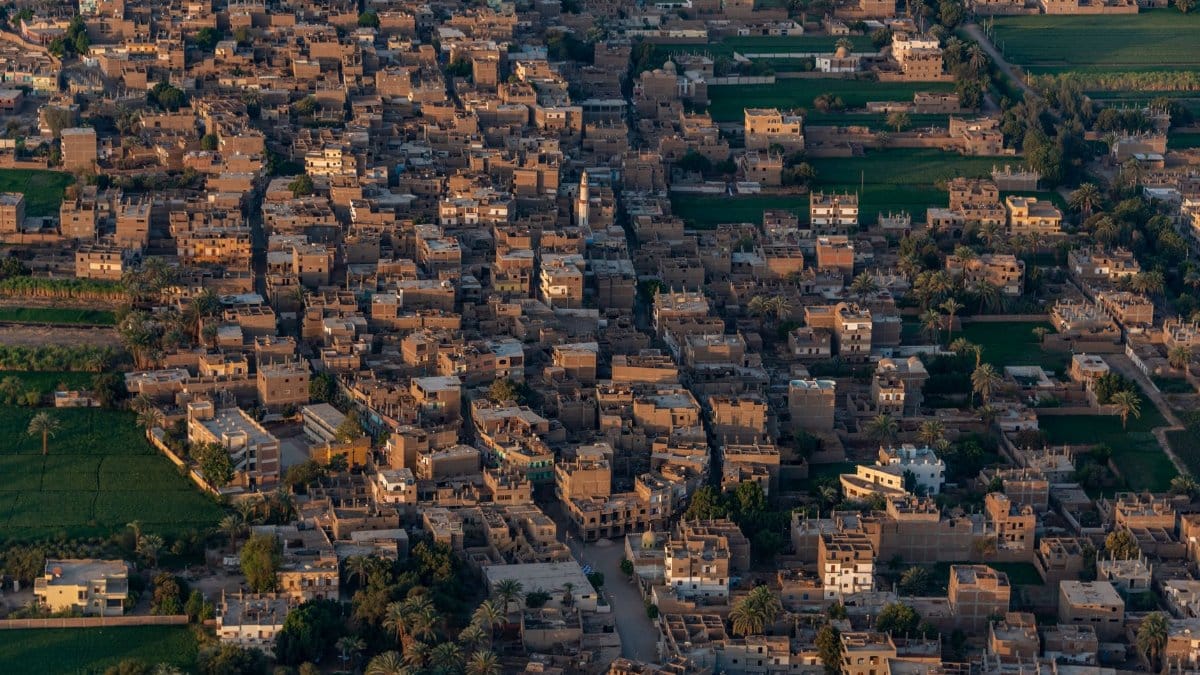
Businesses tied to tourism and agriculture report disruptions from road closures and reduced visitor numbers. Insurance claims have begun to rise as property assessments proceed in damaged zones. State officials review aid packages to support recovery once flames subside. The financial ripple extends beyond immediate losses, influencing planning for future seasons.
Lessons from Past Fire Seasons
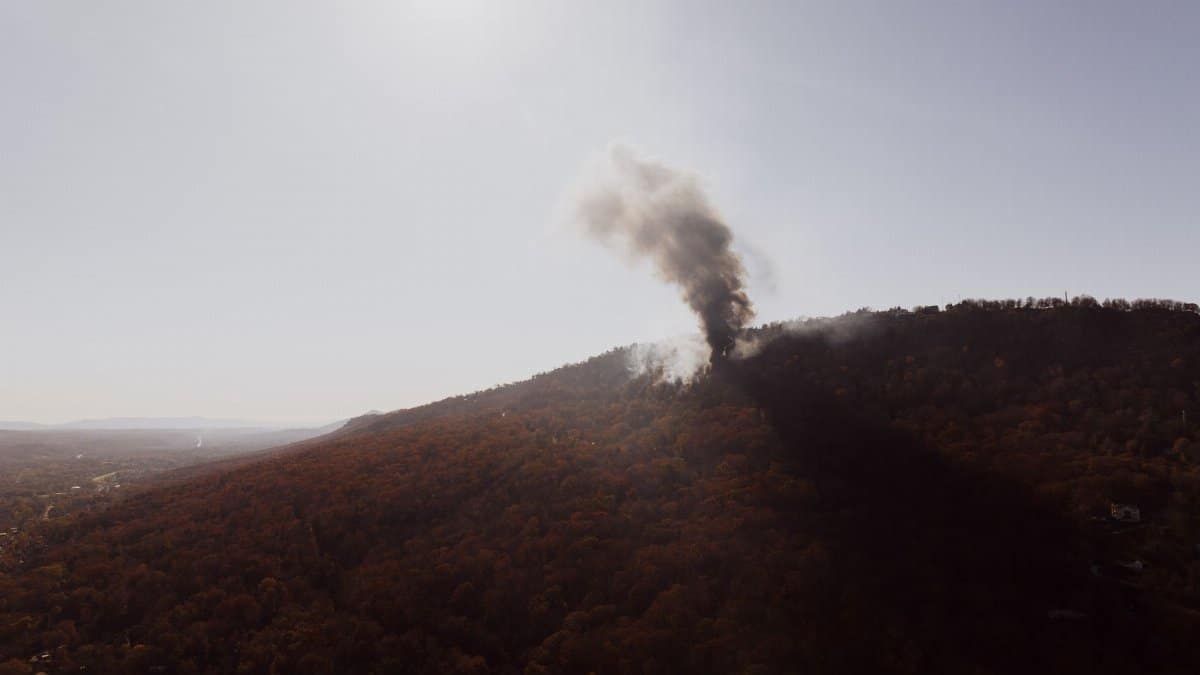
Historical records show that early detection systems have improved response times over the years. Training programs now incorporate advanced mapping tools to predict fire behavior more accurately. Communities that invested in defensible space around structures often fare better during outbreaks. These experiences inform current strategies aimed at minimizing harm from Arizona Wildfires 2026.
Air Quality Concerns for Residents
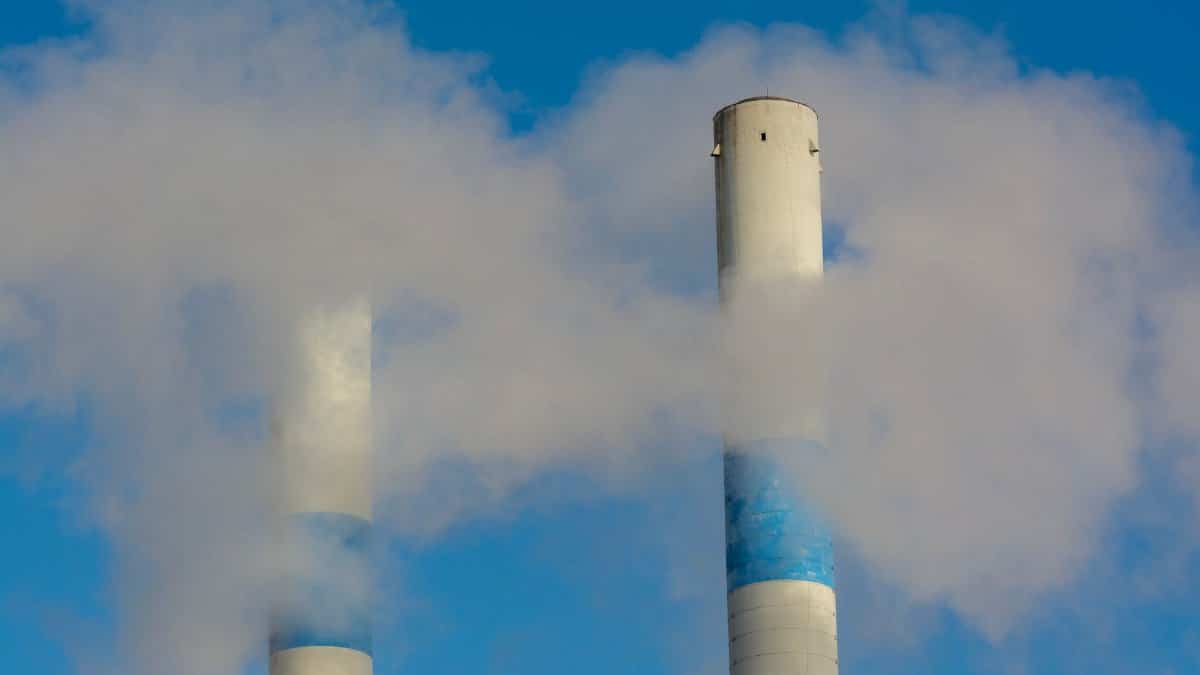
Health departments issue regular updates on particulate levels, advising sensitive groups to limit outdoor exposure. Masks and indoor air filters see increased demand in nearby cities. Long term studies track respiratory trends linked to repeated smoke events. Public awareness campaigns stress simple precautions that protect daily routines amid ongoing incidents.
Future Planning for Land Management
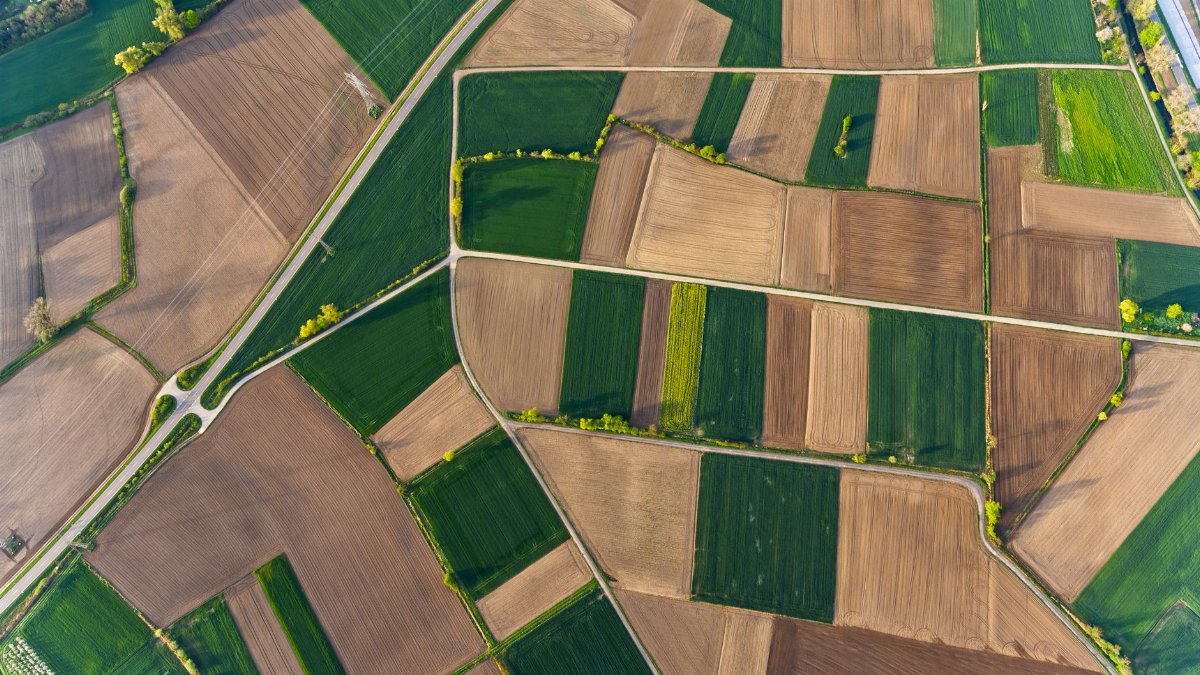
Policymakers consider expanded controlled burns and vegetation thinning to reduce fuel loads in high risk zones. Collaboration with tribal nations brings traditional knowledge into modern frameworks. Funding allocations focus on both prevention and rapid response capabilities. Such forward thinking aims to build resilience against recurring threats like Arizona Wildfires 2026.