
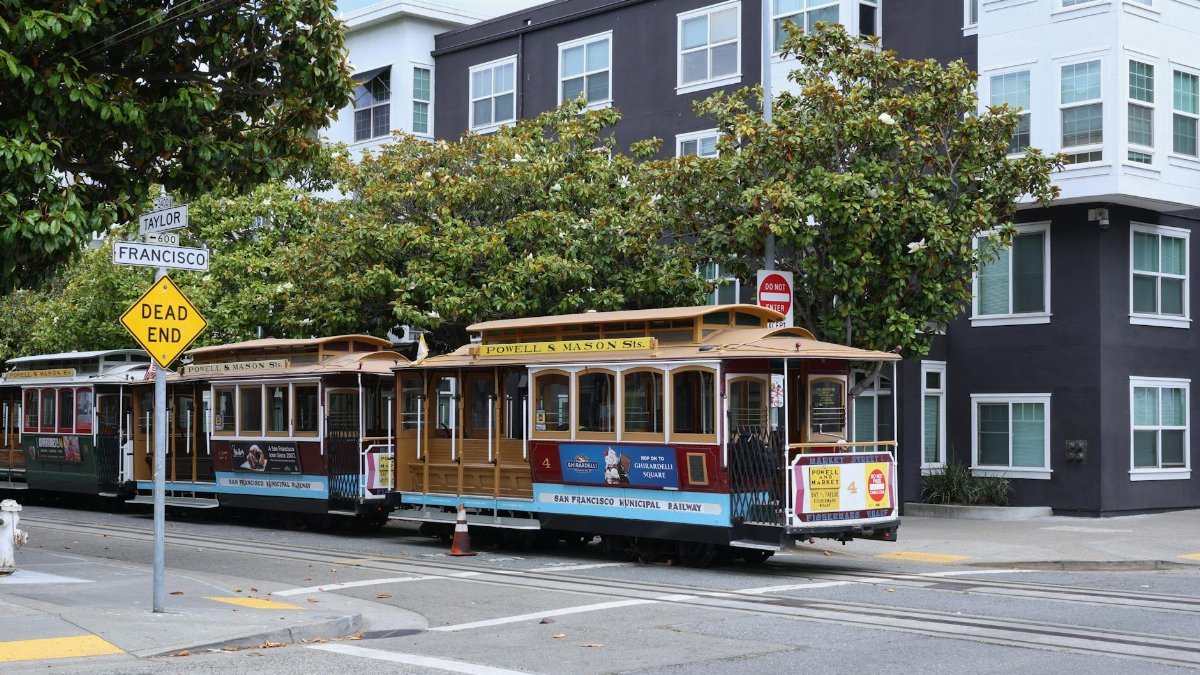
The cable cars of San Francisco have long been a source of wonder and practicality for those navigating the citys steep inclines. With their clanging bells and steady progress up and down the famous routes they offer a unique perspective on the urban landscape. Now that experience will require additional payment following the approval of a substantial adjustment in cable car fare. The San Francisco Municipal Transportation Agency has approved what is described as the largest increase of its kind in the history of this cherished mode of transport. This move reflects broader challenges in maintaining historic systems amid rising costs for labor materials and safety enhancements. For many middle aged residents who remember cheaper rides in decades past this change prompts both nostalgia and practical concern about its place in the evolving fabric of city life.
The Specifics of the Approved Increase

The SFMTA board voted to raise the standard single adult ticket from eight dollars to twelve dollars. This fifty percent jump represents the largest single increase since the system first began running in the 1870s. The adjustment takes effect early next year after a brief transition period. Officials emphasized that the revenue will help close a persistent budget gap without resorting to reduced service hours or delayed repairs.
Passes and multi ride options will see proportional adjustments while limited discounts for seniors and persons with disabilities remain in place. The decision followed months of analysis and community meetings where data on expenses and projected shortfalls were presented in detail.
Financial Pressures Facing the Agency

Operational costs for the cable car system have climbed sharply in recent years. Inflation has increased the price of steel cables replacement parts and specialized tools while wages have risen to attract and retain skilled mechanics and operators. An SFMTA financial overview indicates that expenses per mile have grown by more than thirty percent since 2019 even as ridership recovered from earlier lows.
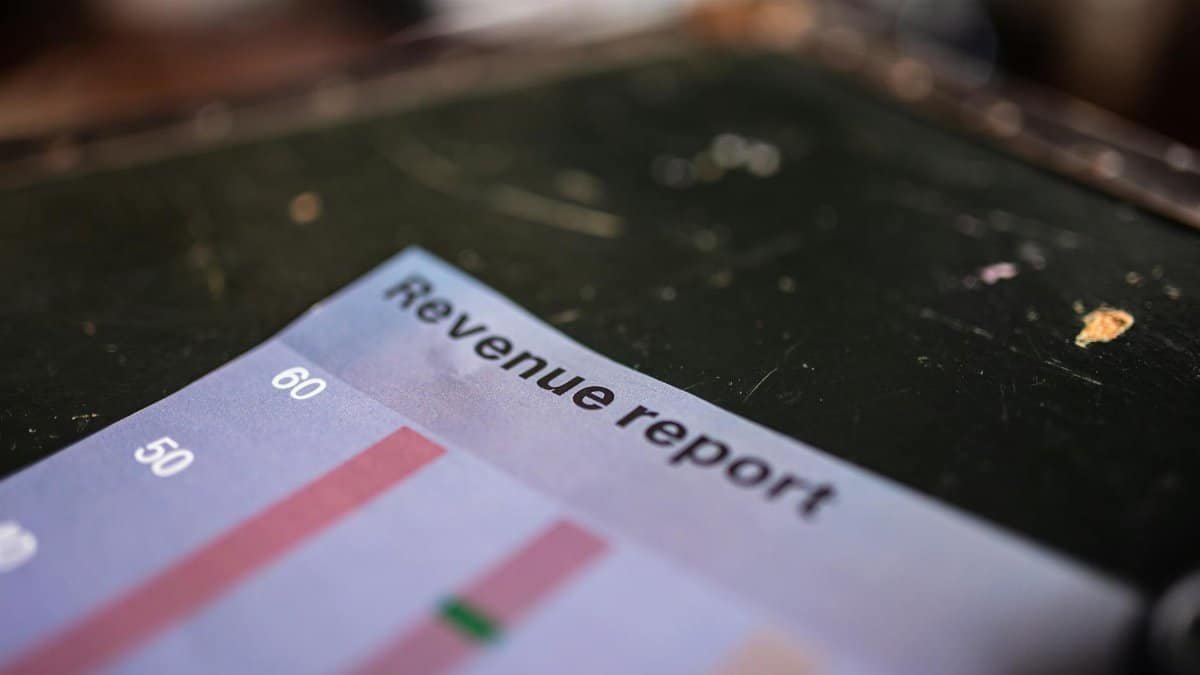
The new cable car fare levels are projected to bring in roughly three million dollars in additional annual income. Part of that money will support not only the cable cars but also broader network maintenance that benefits buses light rail and street infrastructure used by hundreds of thousands of residents each week.
Cable Cars as a Spiritual Touchstone for the City
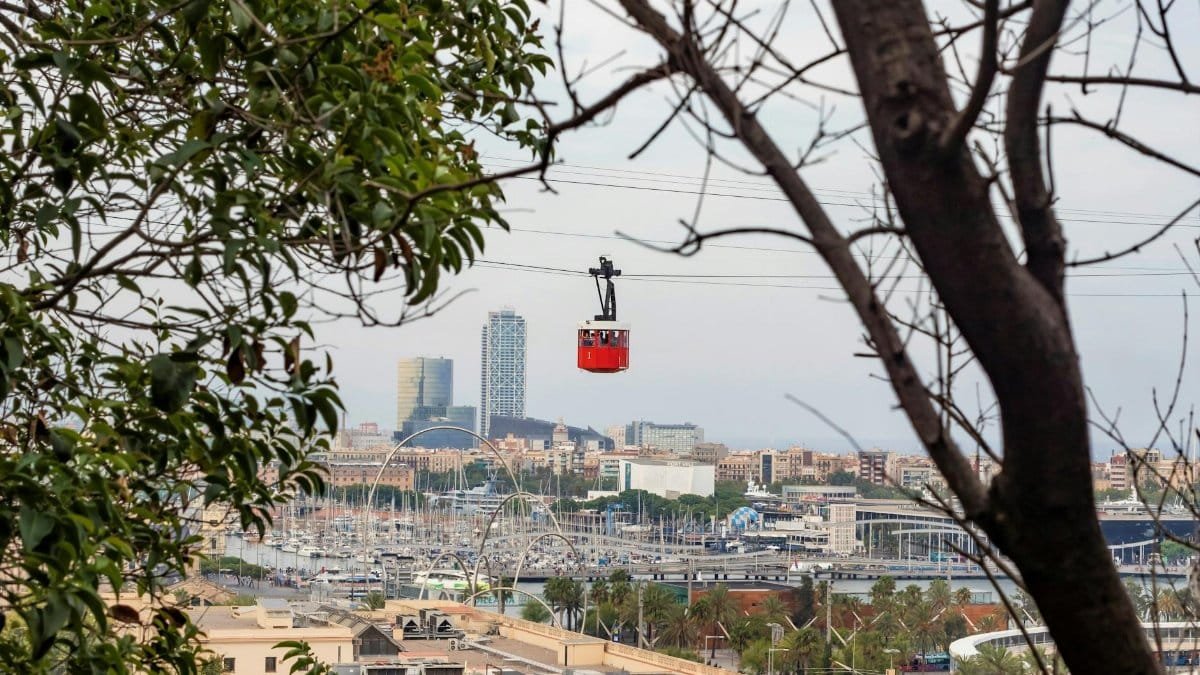
These vehicles have always represented something deeper than transportation in San Francisco. They embody the citys story of ingenuity survival and constant reinvention. After earthquakes fires and social upheaval the cable cars kept running offering a tangible link to resilience and shared memory. In a fast moving world their deliberate pace invites riders to pause and notice the hills the architecture and the rhythm of daily life around them.
That symbolic value nourishes the civic spirit. Preserving the system through careful investment can be understood as an act of cultural stewardship. Many longtime San Franciscans describe a ride as a form of renewal a small reconnection with the optimism and determination that define the place. The fare decision aims to protect that experience for future generations rather than allow gradual decline.
Reactions from Longtime Residents

Local opinions vary widely. Neighborhood advocates in areas like Nob Hill and Russian Hill acknowledge the need for revenue yet worry that higher prices will discourage spontaneous trips by older residents who value the cars for both mobility and pleasure. At public hearings several speakers recalled paying fifty cents as children and expressed sadness at the steady climb in cost.
Others take a pragmatic view. They point out that infrastructure this complex cannot run on sentiment alone. One retired cable car gripman told reporters that safety and reliability must come first even if it means riders pay more. The conversation has surfaced larger questions about equity in a city where housing and daily expenses already strain many budgets.
Effects on Visitors and the Tourism Industry
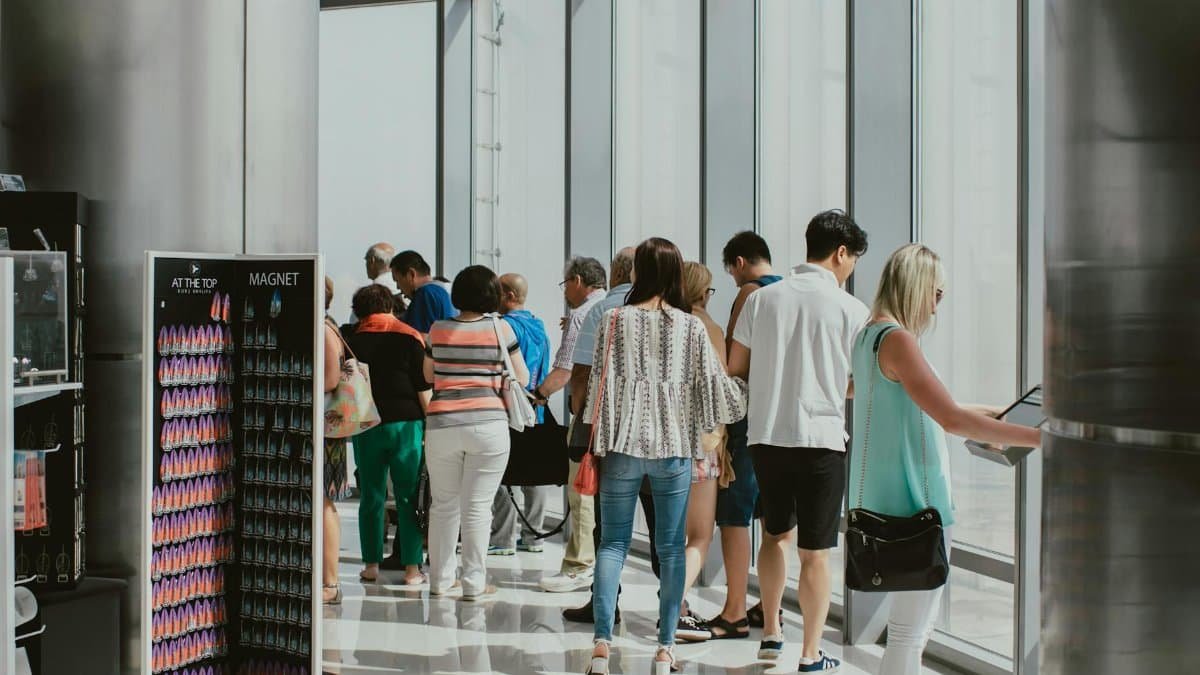
The higher cable car fare will likely register with tourists who make up roughly two thirds of ridership. International guests and families often budget carefully and a jump from eight to twelve dollars may prompt some to skip the ride or choose alternative sightseeing options such as buses or walking tours. Hotel staff report frequent questions about current prices and value.
At the same time the experience remains uniquely appealing. The open air views the distinctive bells and the thrill of cresting a hill at a measured speed continue to draw crowds. Tourism leaders expect the increase to be absorbed over time especially if visible improvements to cars and stations follow. They see the change as part of a larger effort to maintain the high quality attractions that support the local economy.
Upgrades Made Possible by Added Revenue
Agency leaders have outlined clear priorities for the new funds. Track sections along Powell and California streets will receive reinforcement to reduce downtime. The thick steel cables that pull the cars will be replaced on a stricter schedule to prevent wear related incidents. Grip cars and trailers will undergo more frequent refurbishment with attention to seating accessibility and braking technology.
Training programs for operators and maintenance teams will expand. These steps are intended to lower long term repair costs and improve reliability. By addressing small problems before they grow into major failures the SFMTA hopes to keep the fleet running smoothly well into the coming decades.
The Distinct Engineering of the Cable Car System
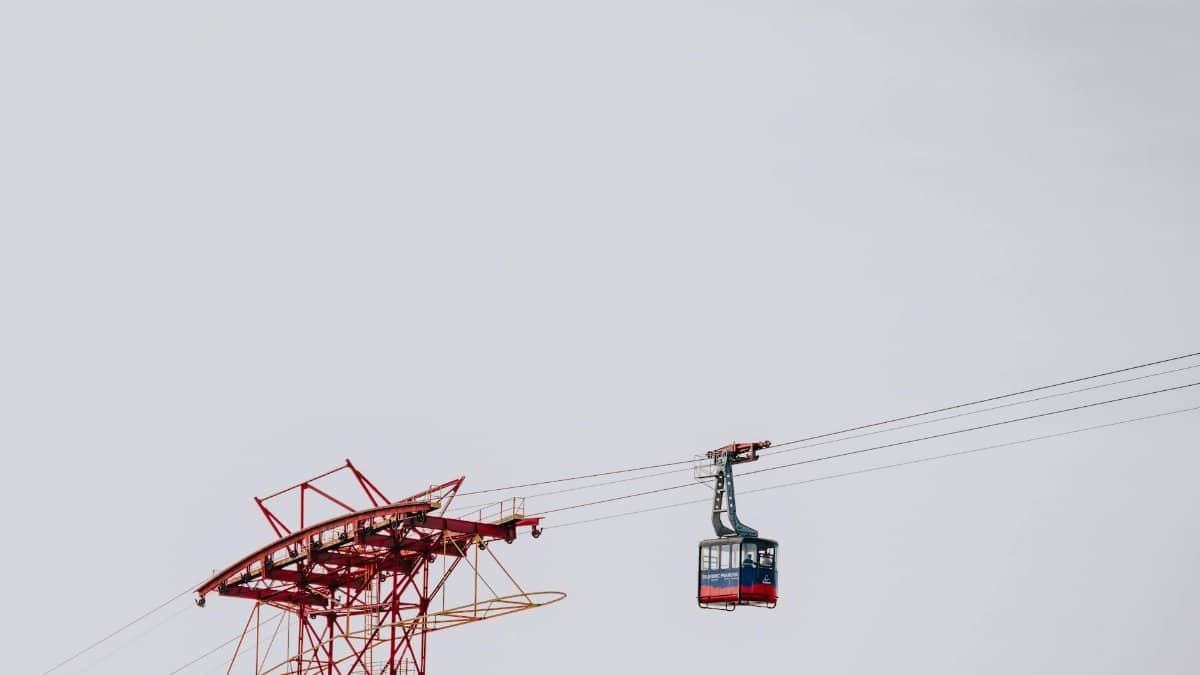
Unlike any other transit network in the world San Franciscos cable cars rely on a continuous moving cable beneath the street. Operators engage a grip mechanism to connect the car to the cable and release it to coast or brake. This nineteenth century technology demands constant vigilance and precise coordination between mechanical systems and human skill.
The geography adds further complexity. Sharp grades and tight curves place heavy stress on every component. Regular inspection of underground vaults and pulleys is essential yet time consuming and expensive. The fare increase recognizes these realities and provides resources to sustain an engineering achievement that remains a source of fascination for visitors and engineers alike.
Fare Changes in Comparable Transit Systems
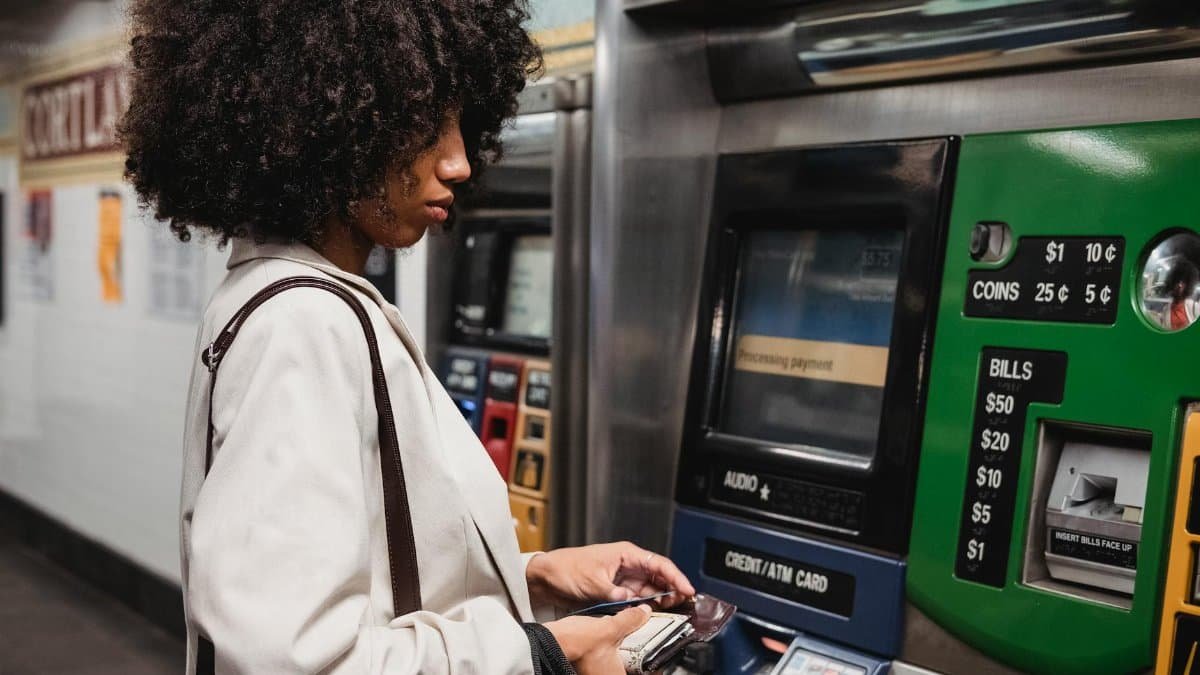
Other American cities have faced similar pressures. New York Boston and Philadelphia have adjusted prices for historic trolleys and subway lines in recent years to match rising costs. Each case involved public debate and compromise yet most ultimately succeeded in stabilizing service without major ridership losses once improvements became visible.
In San Francisco the new cable car fare still positions the experience as competitive with other paid attractions such as boat tours or specialized museum admissions. Planners studied these examples carefully before finalizing the proposal. The goal remains keeping the system accessible enough to remain a living part of the city rather than an unreachable relic.
Maintaining Access amid Rising Costs
Agency staff say they will watch ridership numbers closely after the change takes hold. Targeted programs such as expanded monthly passes for city residents or deeper discounts during off peak hours could ease the burden on local riders. Officials stress that the cable cars should not become an exclusive experience reserved only for those with disposable income.
Environmental factors also matter. Each car replaces car trips up steep hills reducing congestion and emissions in a region working toward cleaner air. Supporting the system through stable funding therefore serves both cultural and ecological purposes. The balance between revenue needs and open access will likely shape policy discussions for years ahead.
Prospects for the Citys Signature Transport
The approved increase gives the cable car system a firmer financial foundation at a critical time. With consistent maintenance and thoughtful upgrades the fleet can continue to serve residents and welcome visitors for many years. The measure reflects a willingness to confront uncomfortable realities rather than allow slow erosion of a beloved public asset.
In the end the cable cars remain a vivid expression of San Franciscos character. Their survival depends on practical decisions like this one that honor both history and future needs. As the city grows the steady chime of bells on its hills offers reassurance that some essential things can endure if given the care they require.