

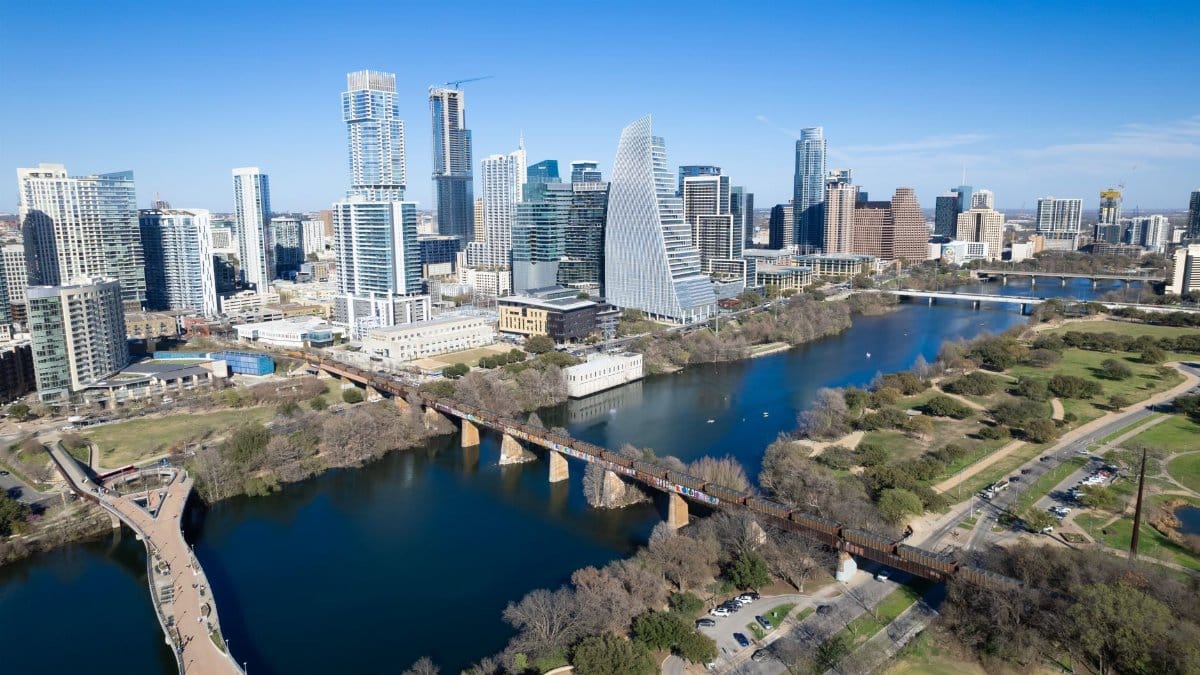
In the evolving landscape of major league sports across the Sun Belt states investors have begun to examine fresh opportunities for growth. Discussions about market viability often center on demographics and existing fan interest in hockey. The idea of Austin for potential NHL team surfaces repeatedly as analysts weigh the merits of various locations in Texas. Local leaders point to rising populations and corporate support as key factors driving this consideration. Observers note that the region offers a blend of urban development and recreational appeal suited to new franchises. This potential shift reflects broader trends in how leagues evaluate expansion beyond traditional northern markets.
Investor Interest Builds in Texas Markets
Billionaire Dan Friedkin has signaled his intent to explore options centered on Houston while nearby areas draw parallel scrutiny. His background in business and prior sports investments positions him as a notable figure in these talks. Community stakeholders in several cities have voiced support for bringing professional hockey closer to home. Such moves could stimulate local economies through new venues and related jobs.
Demographic Trends Favor Expansion

Population growth in central Texas continues at a steady pace with many newcomers arriving from other parts of the country. Families and young professionals alike seek diverse entertainment options including winter sports. This shift creates an environment where Austin for potential NHL team becomes a logical point of conversation among planners. Data from regional chambers of commerce highlights sustained increases in household incomes that could sustain ticket sales.
Comparison of Houston and Surrounding Cities
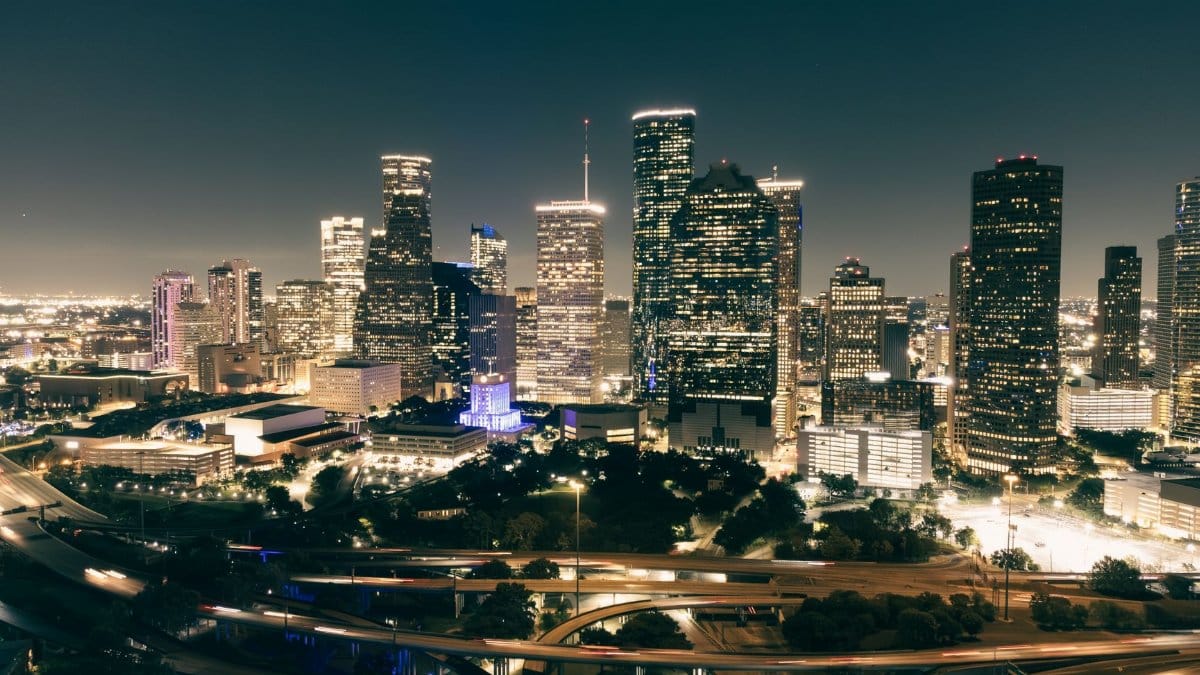
Houston presents established infrastructure and a large media market while Austin emphasizes a vibrant cultural scene. Both areas compete for attention from league decision makers focused on long term stability. Friedkin and associates appear to balance these attributes when assessing risks and rewards. Public forums have hosted debates on which site might better accommodate arena construction and traffic demands.
Economic Ripple Effects Anticipated

A new franchise would likely generate revenue streams extending to hospitality and retail sectors. Construction projects tied to facilities often involve multiple local contractors over several years. Austin for potential NHL team discussions frequently reference these multipliers as reasons for optimism. Officials emphasize careful planning to ensure benefits reach a wide array of residents rather than concentrating in isolated zones.
Challenges in Building a Fan Base
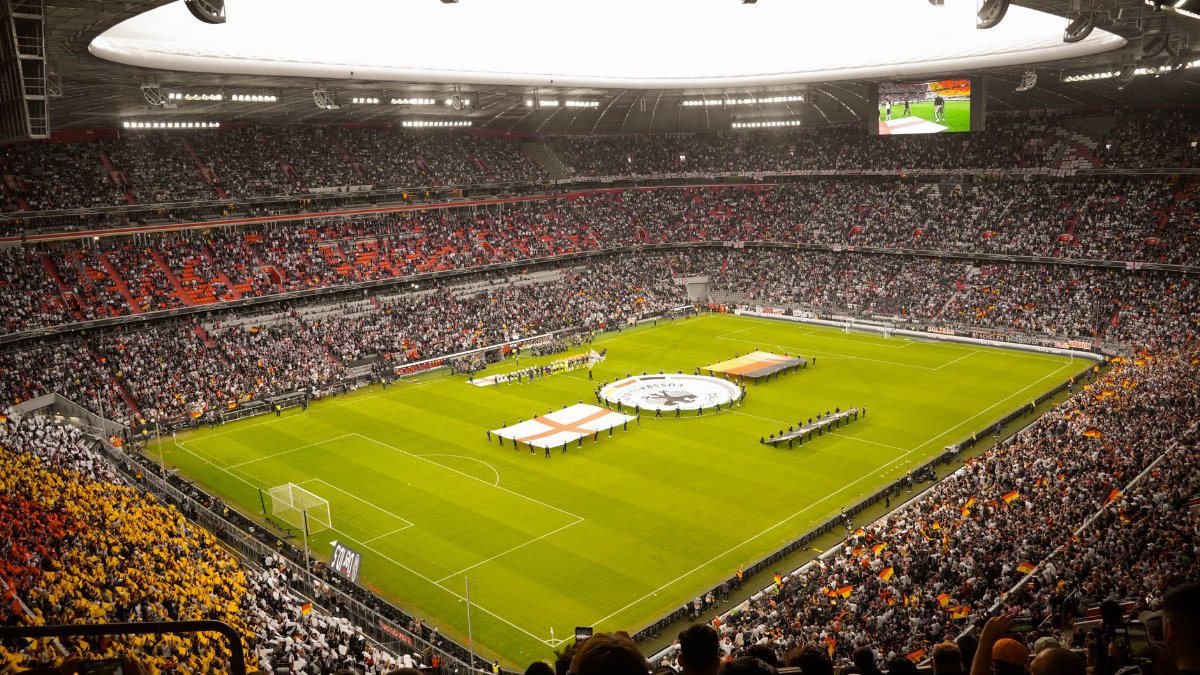
Introducing hockey to areas without deep rooted traditions requires targeted outreach and youth programs. Marketing campaigns must address perceptions that the sport remains niche compared to football or basketball. Early season ticket drives in comparable markets provide models for success. Patience remains essential as interest builds gradually through community events and school partnerships.
Role of Local Leadership
Mayors and economic development boards play pivotal parts in preparing bids and securing land approvals. Collaboration between public and private entities can accelerate timelines for necessary upgrades. In this context Austin for potential NHL team proposals gain from unified messaging across political lines. Transparency in negotiations helps maintain public trust throughout the process.
Environmental and Infrastructure Considerations
Modern arenas incorporate sustainable design elements to minimize resource use during operations. Transportation networks around proposed sites require evaluation for capacity during peak event times. Planners draw lessons from recent builds in other growing cities to avoid common pitfalls. These details influence overall feasibility assessments by ownership groups.
Broader Implications for the League
Adding teams in southern locations diversifies the geographic footprint and potentially extends television audiences. Scheduling adjustments might arise to account for travel distances and climate variations. League executives monitor indicators such as merchandise sales and social media engagement in target regions. This strategic evolution aligns with efforts to modernize the sport for contemporary viewers.
Future Outlook and Next Steps

Further studies and feasibility reports will shape decisions in coming months. Austin for potential NHL team remains one option among several under active review by interested parties. Continued dialogue among stakeholders promises greater clarity on timelines and commitments. Observers expect announcements once preliminary evaluations conclude.