
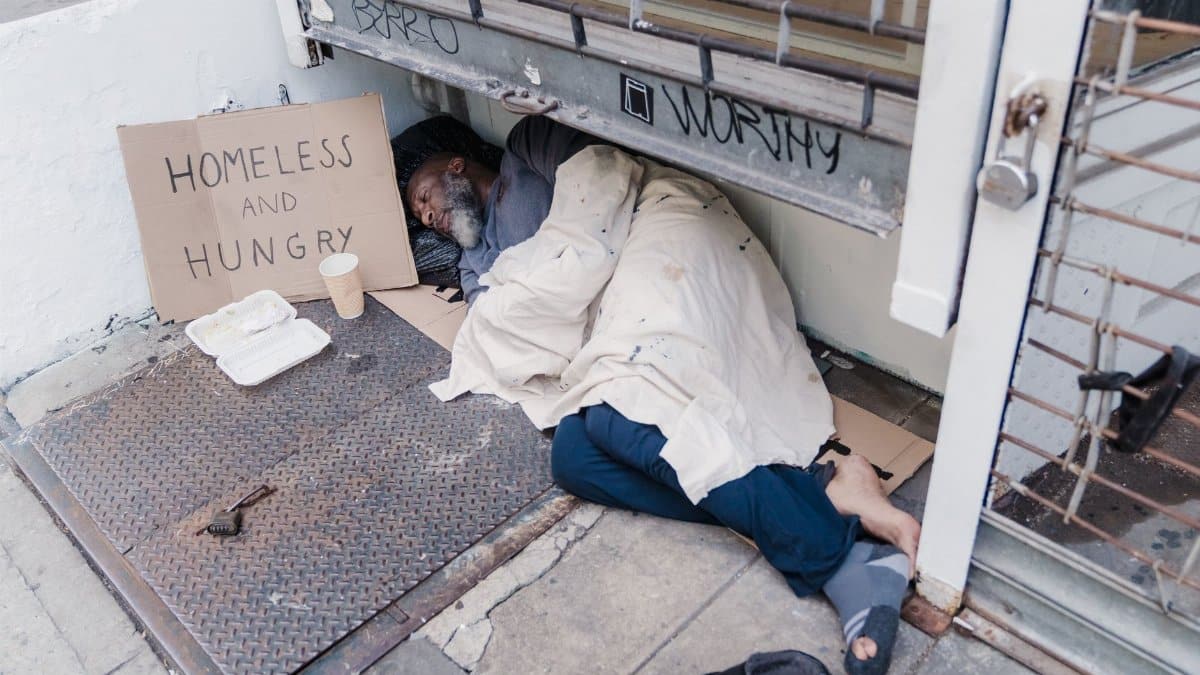
On a weekday afternoon near the 16th Street BART plaza, the sidewalk carries more weight than a transit map can show. Commuters step around clusters of belongings. Outreach workers speak in low voices. Merchants watch the corner and calculate whether the next hour will be quiet. Into that familiar strain comes a new promise of Mission District funding, $12 million that Mayor Daniel Lurie and Supervisor Jackie Fielder say will draw on philanthropic gifts and state support. The aim is plain and local: better street conditions around the neighborhood BART plazas, places that serve as gates to the city and, for many people, as a last public room.
A corner the whole city can see
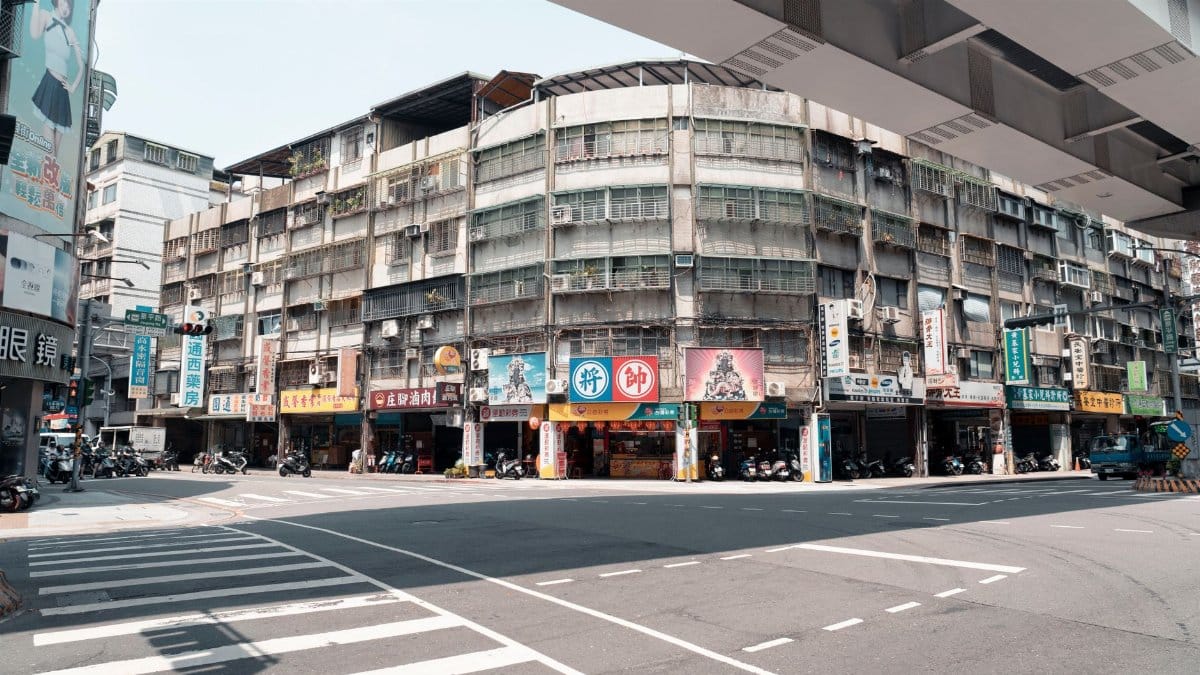
The Mission has long been a neighborhood of markets, murals, churches, and tight apartment blocks, and also a stage on which San Francisco argues with itself. The plazas at 16th and 24th Streets concentrate that argument. Trains arrive. Buses idle. People wait for friends, for treatment, for a place to sleep. When trash builds up or drug use happens in the open, the harm is not abstract. Parents change their route. Elders avoid the station. Workers lose shifts because customers stay away. Officials have returned to these blocks for years with sweeps, services, and speeches. Residents remember the cycle more clearly than any press release.
What the twelve million is supposed to change

The announcement frames the money as a response to homelessness and to the visible disorder that surrounds it. Street conditions, in this use, is not a cosmetic phrase. It covers cleanliness, lighting, the presence of trained staff, and the speed with which a crisis on the sidewalk becomes a response rather than a spectacle. Lurie, early in his mayoralty, has tied his political standing to whether commercial corridors feel usable again. Fielder, whose district includes much of the Mission, has to answer to people who live above the plazas and to people who live on them. A joint appearance signals that City Hall wants the effort read as shared, not as a program imposed from a distant office.
Philanthropy beside public authority
A notable feature of the package is its mix of private gifts and state funds. That mix can move faster than a purely municipal budget fight, and it can also blur responsibility. Donors may want a visible win near a landmark station. State agencies may attach rules about eligible uses, reporting, and timelines. The mayor can convene, but he cannot personally hire every outreach worker or guarantee a shelter bed on a given night. When Mission District funding arrives through several doors at once, the public needs a single account of what was promised, who holds the contract, and which office answers when a plaza looks unchanged in three months.
People who are not a problem to be cleared

Any honest account has to begin with the men and women whose homelessness is the reason the money exists. Many have been housed and unhoused more than once. Some are in withdrawal. Some are managing severe mental illness without a stable clinic relationship. A plaza is a poor substitute for a room, a bathroom, and a locked door, yet it offers proximity to transit, donations, and other people. If the new effort treats them only as obstacles to retail recovery, it will fail them and, soon enough, fail the merchants too. Relocation without a bed is a photograph of order that expires by evening. Care without expectations can also harden into neglect. The difficult work is to hold both truths without using one as an excuse to abandon the other.
Merchants and riders who keep showing up

Small businesses along Mission Street have described years of broken windows, theft, and customers who no longer linger. Transit riders have their own ledger: missed connections, harassment, and the quiet decision to drive instead. These are not opposing constituencies to the unhoused so much as neighbors occupying the same failing public space. A credible plan spends on more than power washing. It coordinates ambassadors, cleaning crews, and clinical outreach so that a clean corner at dawn is not a vacant promise by dusk. It also listens to shopkeepers who know which doorway attracts trouble and which hour the block tips from busy to unsafe. Their knowledge is operational, not merely sentimental.
Why earlier rounds lost public trust

San Francisco has funded navigation centers, street teams, and special initiatives that were unveiled with similar confidence. Some placements stuck. Some corners improved for a season and then reverted. The public memory of those efforts is skeptical for a reason. Announcements traveled faster than housing. Data was released in forms that made comparison hard. A sweep could look like progress on a Tuesday and like displacement by Thursday, once people returned because no alternative existed. This round will be judged against that memory. If leaders describe the Mission District funding as a break from the past, they should also name which practices they are retiring, not only which dollars they are adding.
Care, enforcement, and the line between them
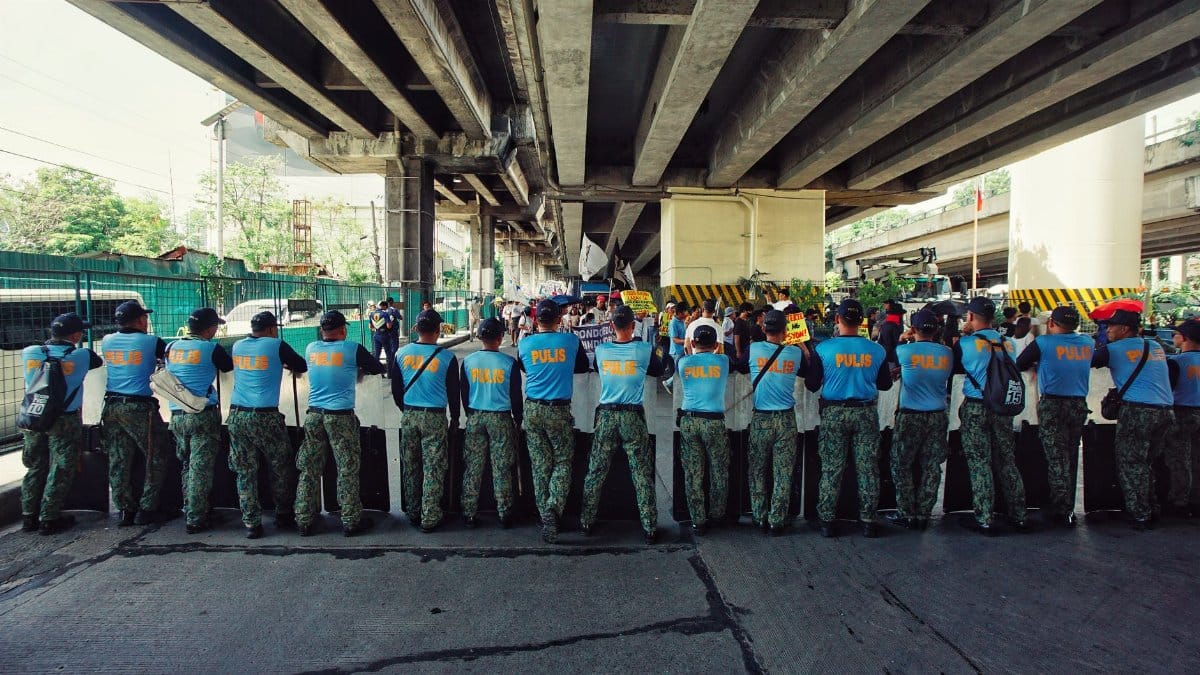
Street conditions improve only when several systems agree on a sequence. Outreach offers help. Clinical staff can respond to overdose and psychosis. Police remain responsible for violence and for crimes that are not excused by poverty. Public works removes hazards. None of those roles substitutes for the others. When the sequence is confused, advocates fear punishment dressed as compassion, and residents fear compassion that never interrupts open drug markets. A moral city does not choose between dignity and safety as if they were rival goods. It builds enough shelter, treatment, and lawful order that neither is theatrical. That is a civic standard, and for many congregants and neighbors it is also a spiritual one: the stranger is not disposable, and neither is the block.
How a resident could tell that it is working
Success should be legible without a briefing. Fewer people sleeping in the station entrance because they have been offered a real bed. Faster cleanup after a night of debris. Outreach staff who know names and follow through. Merchants who reopen doors they had kept locked. Riders who no longer plan their trip around fear. Those signs can be counted, but counting is not the same as honesty. Officials should publish simple monthly figures: placements into shelter or housing, overdose responses, sanitation visits, and crimes reported at the plazas. They should also publish what the money cannot buy, including the regional shortage of treatment beds and the time it takes to site them. Transparency is the cheapest part of the program and the part most often skipped.
The politics of a visible neighborhood
The Mission is not a pilot site chosen at random. It is photographed, organized, and politically fluent. Immigrant families, longtime tenants, artists, and new arrivals share blocks where rent pressure and street disorder arrive together. A program that improves a plaza while accelerating displacement of low income tenants would solve the wrong problem. Supervisor Fielder’s presence matters because district politics can force that distinction into the open. Mayor Lurie’s presence matters because philanthropic energy often prefers a mayoral stage. Together they can either model joint accountability or produce a split screen in which each claims credit and neither owns failure. Voters who watched previous mayors learn to discount ribbon cuttings will watch the split screen closely.
What donors and the state should demand

Private funders sometimes prefer flexibility, and public agencies sometimes prefer forms. The neighborhood needs both discipline and room to adjust. Contracts should say which organizations provide behavioral health support, which handle cleaning, and which have authority to place someone in shelter the same day. They should bar the quiet habit of counting a contact as an outcome. State support, if it is truly part of the $12 million, should come with reporting that a resident can read, not only a compliance file that satisfies Sacramento. Philanthropy can seed speed. It should not purchase secrecy. When Mission District funding depends on goodwill, goodwill has to survive an audit.
A standard beyond one plaza
Other neighborhoods will ask why these corners received a concentrated sum. The fair answer is that BART plazas are regional infrastructure sitting inside a local crisis, and that failure there radiates onto trains used by the whole Bay Area. The incomplete answer is that politics follows cameras. If the model works, it should travel to other stations and commercial streets without waiting for a new donor cycle. If it fails, the lesson should travel just as fast. Cities do not lack slogans about compassion or order. They lack the boring alignment of beds, staff, rules, and follow through. That alignment is what this sum either purchases or merely advertises.
The measure of a public promise

There is a spiritual question inside a budget line, though it does not require a pulpit. What do neighbors owe one another when suffering is public and patience is thin? A city answers in schedules and contracts more than in sermons. The $12 million will not end homelessness in the Mission. It might, if spent with clarity, make two plazas less brutal for the people who sleep there and more trustworthy for the people who pass through. Residents should keep the announcement, not as a souvenir, but as a checklist. In a year, the sidewalk will still be the most reliable report. Mission District funding earns its name only if that sidewalk tells a different story than it tells today.