
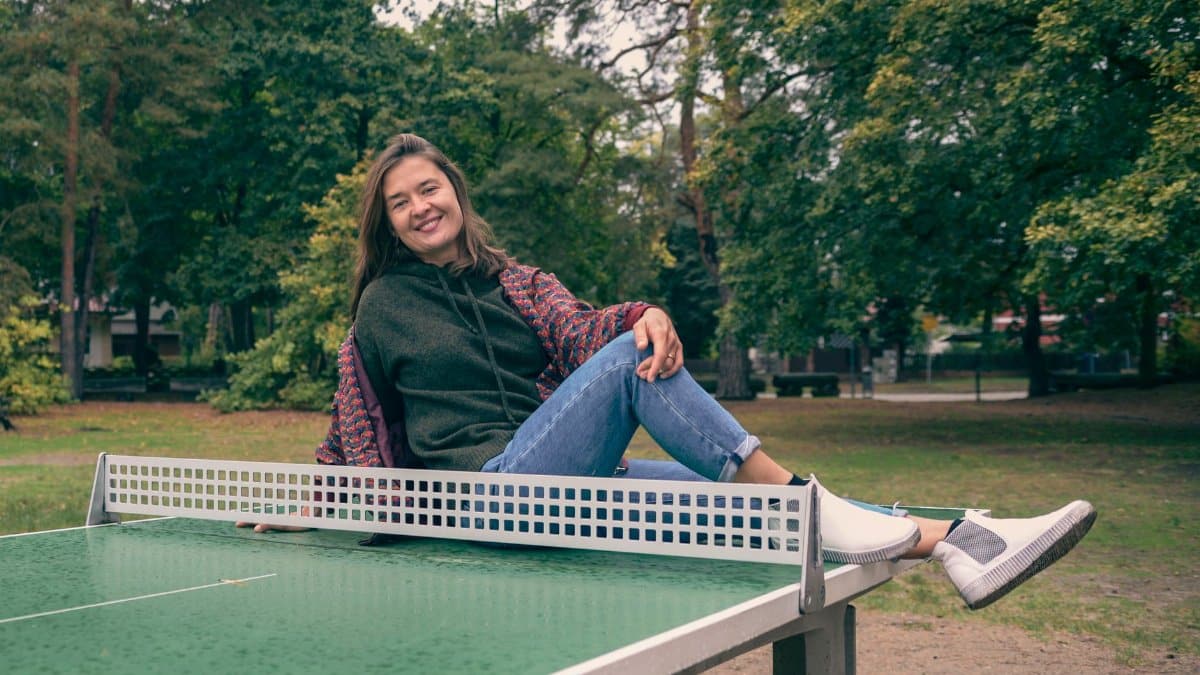
The first thing you notice is not the score. It is the way a small white ball keeps people standing in the same square of Seattle long after they meant to leave. At Hing Hay Park ping-pong, paddles pass from hand to hand beside the pavilion, and strangers negotiate turns with a nod. Office workers in loosened collars wait beside teenagers. An older man in a windbreaker coaches without raising his voice. The Chinatown International District has many formal rooms for culture and commerce. This one is concrete, open to weather, and strangely intimate. For a few minutes the city narrows to a table, a net, and the question of who serves next.
A sound that travels farther than the plaza
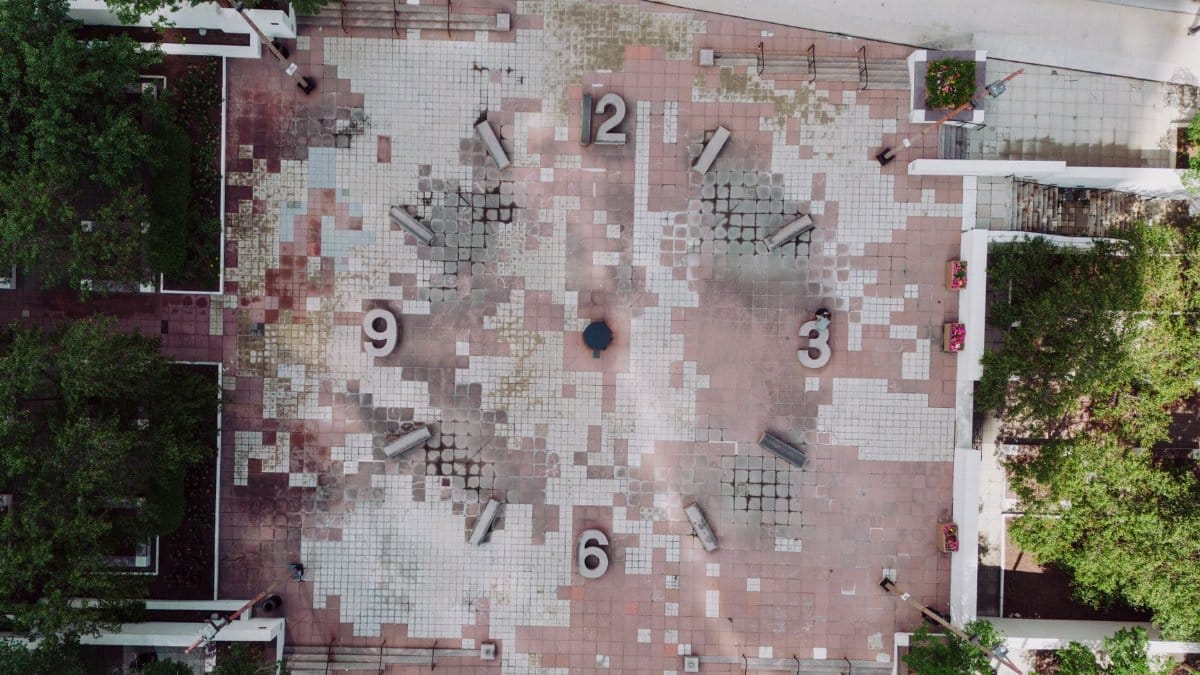
From South King Street the rally arrives before the players do. A dry click, then another, then a laugh that does not bother to explain itself. The park sits in a neighborhood dense with history, restaurants, and the ordinary traffic of people trying to get home. Against that backdrop the game is almost modest. Yet the sound organizes attention. People slow down. Some stop. A few step in from the sidewalk with the cautious look of someone entering a conversation already underway.
Public space often fails in silence. Benches go unused because nothing invites a person to risk being seen. A table with a ball on it makes a different offer. You can watch without apology. You can ask for a paddle without a speech. The invitation is physical, which is why it works across age and language more reliably than a flyer ever will.
Who shows up when nobody is keeping a roster

There is no membership card and no posted ladder that decides who belongs. Regulars still exist. You can spot them by the way they warm up, by the spare balls in a pocket, by the patience they show when a newcomer sends the first three serves into the shrubs. Newcomers exist in equal number: tourists who wandered off the main shopping street, students between classes, parents killing twenty minutes while a child finishes a snack.
The mix matters. A park that serves only one circle becomes a club with grass. A park that serves everyone and no one becomes a passage. The tables sit in a useful middle. Skill levels vary wildly. Some players clearly trained in gyms. Others hold the paddle like a spatula and grin when the ball cooperates. Nobody seems shocked by either fact. The point, at least on an ordinary weeknight, is continuation. Keep the rally alive. Keep the next person from feeling foolish for trying.
Furniture that behaves like a civic institution
Cities spend fortunes on community centers, and they should. Rooms with heat, storage, and staff do work that a plaza cannot. Still, it is worth noticing what a few fixed tables accomplish without a budget line for programming. They are there at dawn if someone wants them. They do not close for a holiday. They do not require an email chain to reserve a half hour.
That reliability is a kind of respect. Residents of the International District have long argued that public investment should match the density and the needs of the neighborhood, not merely its postcard appeal. Outdoor tables will not settle those larger fights over housing, safety, or small business survival. They do show a simpler truth. When the city places something durable and usable in a park, people treat the park as theirs. Use is a claim. Repeated use is a record.
Talk that does not depend on a shared sentence

Stand near the tables long enough and you hear Cantonese, English, Mandarin, Vietnamese, and the universal dialect of apology after a wild shot. Not every player shares a language fluent enough for politics or personal history. They share a score. They share the small theater of a let ball, a net cord, a point that should not have counted and did anyway because both sides laughed.
I watched two men play for nearly half an hour without exchanging more than numbers and a thumbs up. When they finished, one offered the paddle to a girl who had been hovering with her mother. The handoff took three seconds. It contained more hospitality than many official welcome events. Sport is often praised for building bridges, a phrase worn thin by overuse. Here the bridge is narrower and more honest. It is a turn. It is a rule everyone can see. It is the decision to include the person waiting rather than to pretend the wait is invisible.
After dark the same corner keeps its promise
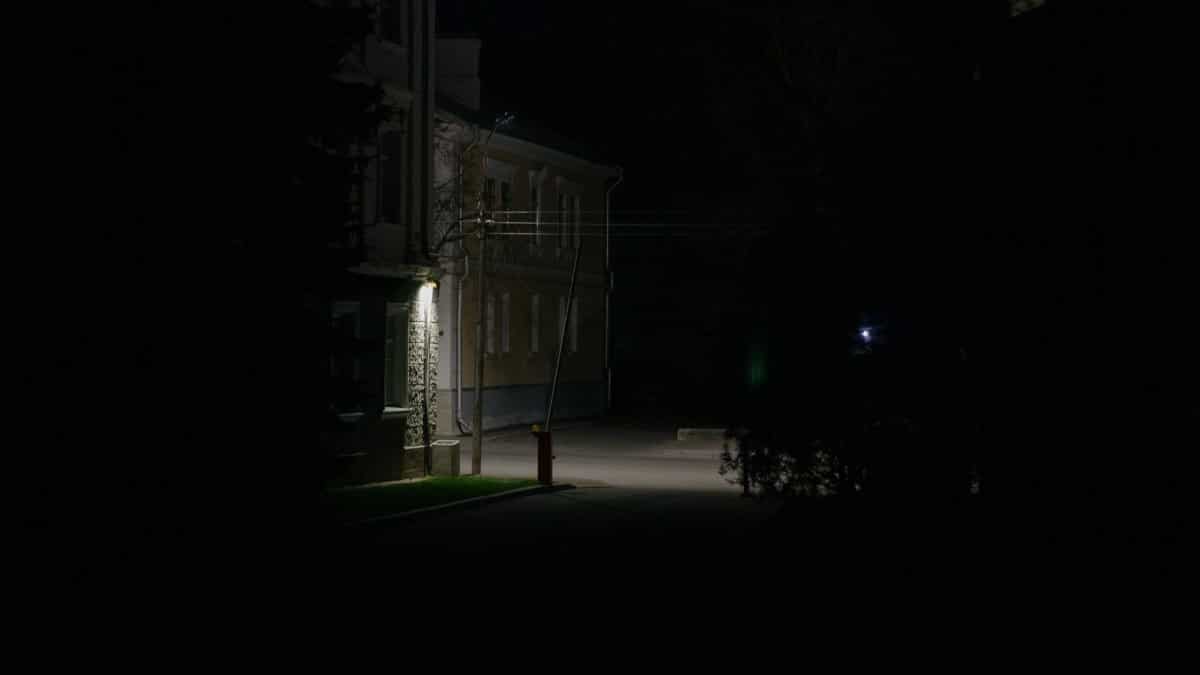
Daylight games have an easy charm. Evening games reveal whether a place was designed for real life or for a rendering. At Hing Hay Park ping-pong the tables remain legible after the shops thin out, provided the lights hold and people feel safe enough to stay. Safety is not a mood. It is lighting, sight lines, nearby activity, and the presence of others who would notice if something went wrong.
Players talk about the night sessions with a practical pride. The park does not empty the moment offices close. A cook still in a stained apron might take a game before the bus. A couple on a date might lose twenty minutes and gain a story. The neighborhood, so often discussed by outsiders as a destination or a problem, reads in these hours as a place where people live. Night use is not a gimmick. It is evidence that the park belongs to the clock of the district, not only to the lunch crowd.
What regulars quietly protect

Every informal institution develops customs. At these tables the customs are light but real. Do not hog a table when others are waiting. Return a ball that rolls toward the path. Do not turn a friendly game into a humiliation. Leave the paddle if it is a shared one, or ask before you borrow gear that clearly belongs to someone else. These are small ethics. They are also the entire operating manual.
Regulars enforce them mostly by example. A sharp word is rare. A raised eyebrow after a third consecutive game with a line behind you does the job. The social pressure is gentle because the stakes are gentle, and that gentleness is the point. Hing Hay Park ping-pong works when nobody confuses a public table with a private club. The moment regulars start treating newcomers as intruders, the magic thins. So far, from repeated visits, the balance holds more often than it breaks.
The neighborhood that frames every rally
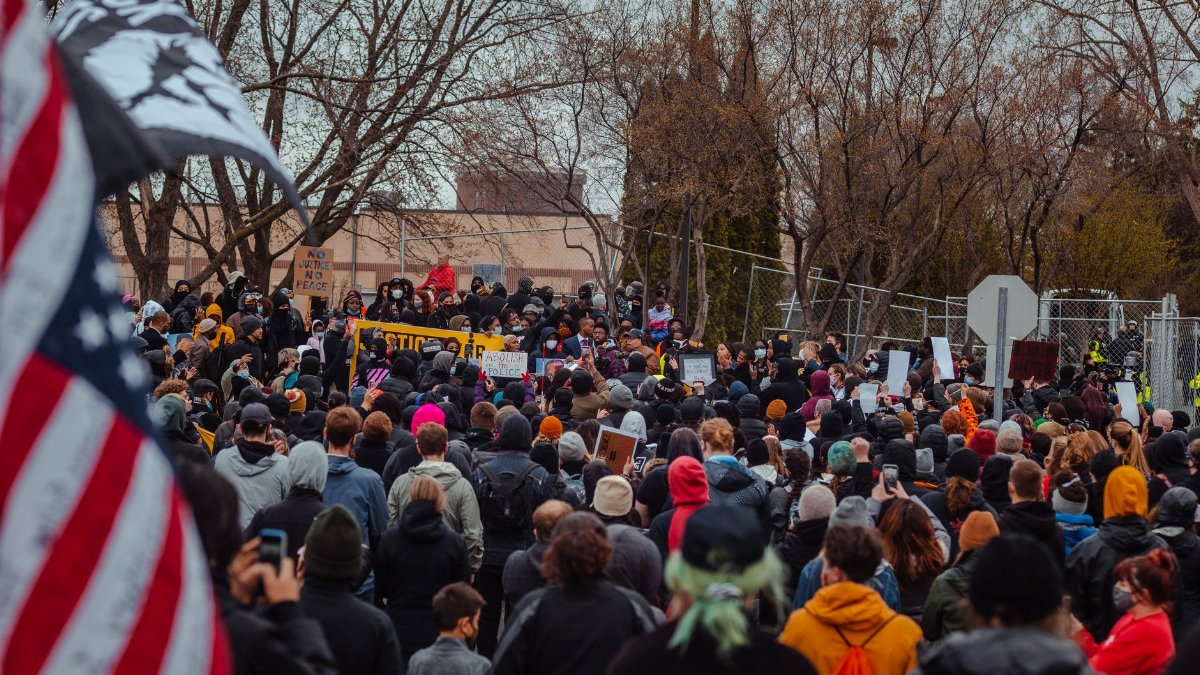
You cannot separate the games from the streets around them. The International District carries layered histories of Chinese, Japanese, Filipino, Vietnamese, and other communities, along with the scars of displacement, internment, and decades of being planned over rather than planned with. A park renovation can honor that context or ignore it. Tables alone do not tell the story. They sit inside it.
Players sometimes drift from the game to food, to a festival stage, to a conversation about rent or a closed storefront. The park is a hinge between leisure and the harder news of the neighborhood. That is healthy. Recreation that floats free of local concern becomes decoration. Recreation that stays alert can be a meeting ground where people who might not attend a hearing still recognize one another. Recognition is not policy. It is a precondition for the kind of public life policy claims to want.
Attention, ritual, and a secular kind of gathering
There is a reason this corner can feel almost devotional without anyone naming a faith. Players return at the same hours. They repeat gestures. They accept limits: the lines of the table, the spin they cannot yet read, the weather that ends a match. Ritual does not require an altar. It requires return, and a form that is larger than any single mood.
In a city thick with screens, a rally demands the eyes. You cannot check a message and still see the ball. For a few minutes attention is not a personal productivity trick. It is shared. Spectators feel it too. The spiritual language here should stay modest. Nobody is being saved by a plastic ball. Something quieter happens. People practice being present with strangers, which is a civic skill and, for many, a personal one. Parks that allow that practice are doing cultural work whether or not a grant writer ever describes it that way.
Friction, weather, and the limits of charm
None of this is automatic. Rain ends games. Wind makes a joke of a careful serve. Occasionally a group camps on a table and forgets the line. Occasionally the surrounding street feels tense, and families leave earlier than they planned. Maintenance matters. A torn net or a dark lamp is not a detail. It is a message about whether the city expects people to keep coming.
There is also the risk of romanticizing. A pleasant evening of play does not erase disputes over policing, homelessness, or the pressure of development on longtime shops and residents. Journalists do the neighborhood no favor by treating a charming scene as a verdict that all is well. The honest account holds both facts. The tables are a genuine common good. The district’s pressures remain. Good public space does not cancel politics. It gives politics a human scale, which is where arguments about belonging become harder to keep abstract.
What other cities might copy without cheapening it

Seattle is not the only city to discover that outdoor tables draw a crowd. The lesson is still easy to botch. Copy the object and forget the setting, and you get equipment in a plaza nobody trusts after dusk. Copy the programming impulse and staff every hour, and you may smother the informality that makes strangers bold. The useful model is simpler. Put durable tables where people already pass. Light them. Maintain them. Let local players set the tone. Resist the urge to brand the fun until the fun has a chance to become habit.
Hing Hay Park ping-pong succeeds because it is specific. It belongs to a park with a name, a neighborhood with memory, and players who return without being summoned. Other parks can learn from that specificity rather than from a template. Ask who lives within a ten minute walk. Ask what hours they actually keep. Ask whether a newcomer can join without knowing anyone. If the answers are generous, a table can do more civic work than a slogan.
A score that was never the point

On a recent evening the last game broke up not because anyone won a tournament, but because the bus was coming and the air had turned cold. Paddles were gathered. A ball was pocketed. Someone said they would be back tomorrow, and it did not sound like a plan so much as a fact. The plaza did not look transformed. It looked used, which is the higher compliment.
Cities keep searching for ways to stitch strangers into something sturdier than proximity. Programs help. So do budgets, and so does the unglamorous work of keeping a place safe and clean. Alongside those efforts, Hing Hay Park ping-pong offers a reminder that is almost too plain to make a headline. Give people a shared task with clear rules and an open invitation, and many of them will stay long enough to recognize one another. The score fades. The recognition does not. In a district that has earned the right to be taken seriously, that small staying power is not a sideshow. It is part of how a public place proves it is alive.