
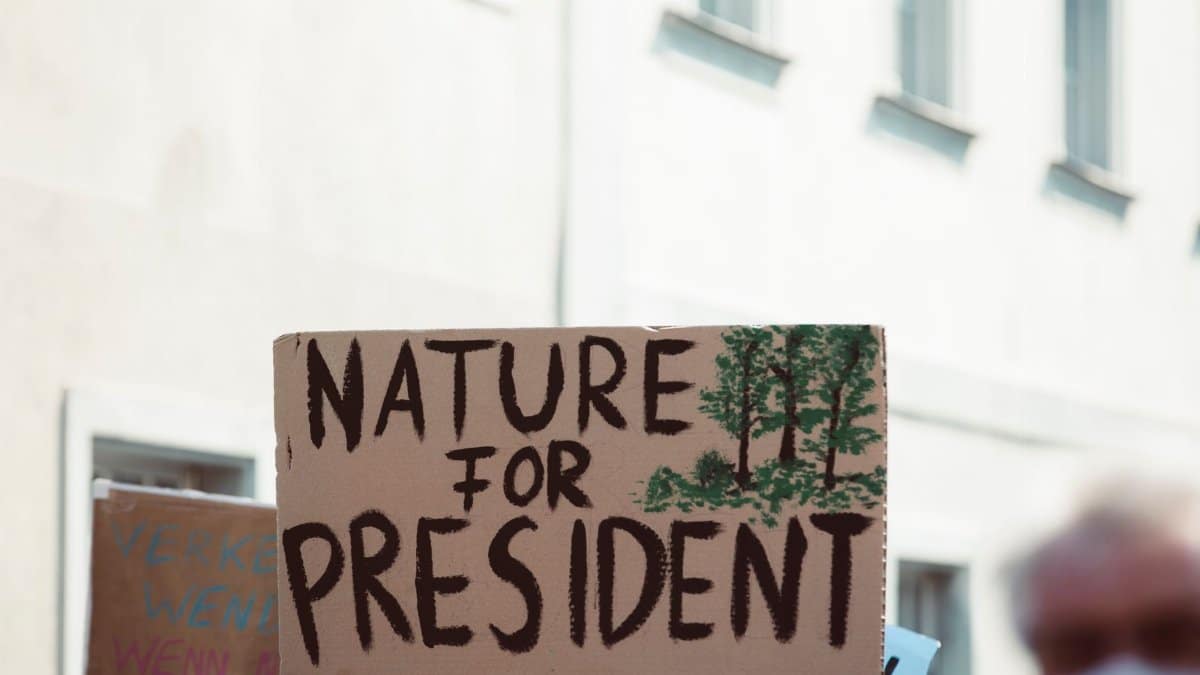
During a week when diplomats, investors, and activists filled New York meeting rooms, Al Gore Climate Week became a stage for an argument that has grown both more urgent and more hopeful. The former vice president told audiences that 2026 could mark a turning point, not because danger has passed, but because clean power is finally cheaper and faster to build than coal, oil, and gas in much of the world. I have watched these gatherings for years, and the tone has shifted from pleading for attention to arguing over pace. Gore still warns that ice, oceans, and weather are moving in the wrong direction. He also insists a cleaner earth remains within reach if governments and markets stop treating fossil fuels as destiny.
The argument Gore is making now

After years of charts and warnings, Gore is pressing a narrower claim. According to reporting in the Seattle Times, he told listeners that a clean earth is within the world’s grasp even while climate dangers accelerate. The line is not a victory speech. It is a bet on timing. If solar, wind, and batteries keep getting cheaper, and if grids can absorb them, the economic case for new coal and for much new oil and gas weakens on its own. Gore has tied that bet to 2026, a year he suggests could be remembered as the moment clean power clearly pulled ahead.
Why 2026 is the year he names
Naming a year is risky. Weather does not obey calendars, and neither do legislatures. Gore’s point, as conveyed in that coverage, is less about a single treaty and more about momentum. Construction timelines for power plants run for years. Decisions made now show up in emissions later. If utilities, manufacturers, and governments lock in another wave of fossil infrastructure, the chance to bend the curve slips. If they lock in clean capacity instead, the same inertia works the other way. That is why a former vice president still travels to rooms full of people who already agree with him. He is trying to move the people who write checks and permits.
What the week puts on display

Al Gore Climate Week is not a single speech. It is a cluster of panels, investor meetings, and side conversations in which the same numbers get argued in different dialects. Engineers talk about interconnection queues. Bankers talk about cost of capital. Mayors talk about heat in apartments without reliable cooling. Gore’s role is to hold those dialects in one frame. He has done this since leaving office, through films, training programs, and relentless travel. The repetition can sound theatrical. It also reflects a simple fact. Climate politics fails when it stays inside one profession. Outside those rooms, the week means little to people paying electric bills. Inside them, it is a reminder that speeches still need permits, capital, and public trust.
Renewables against coal oil and gas
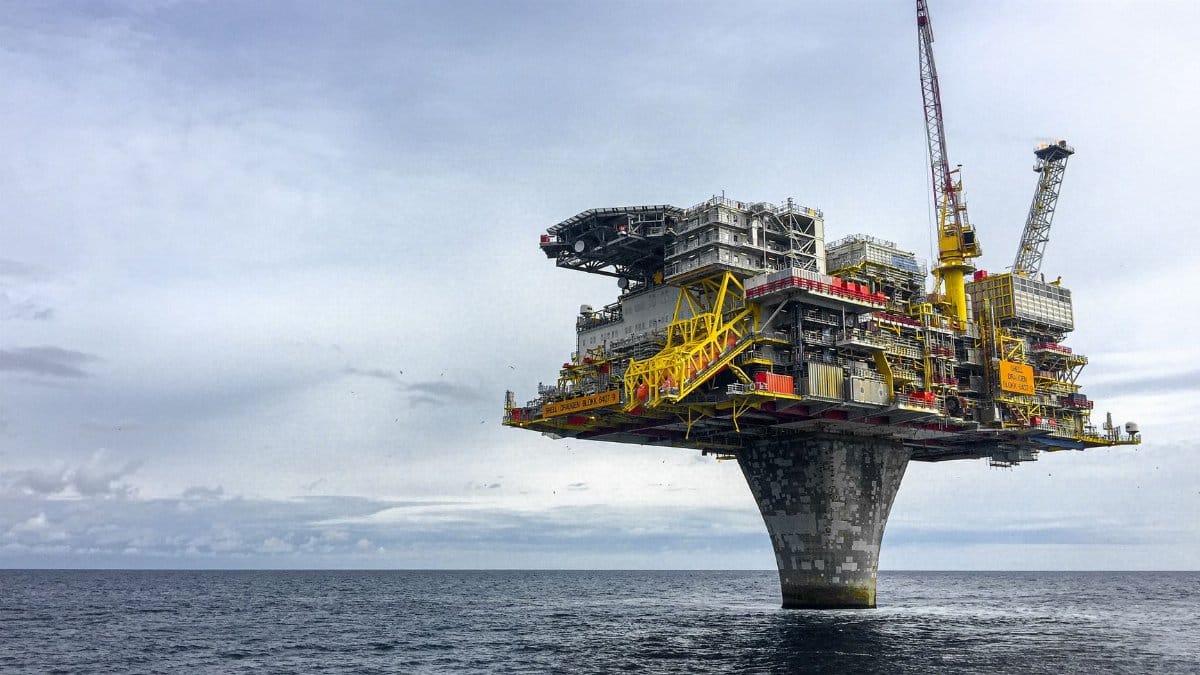
The claim Gore has been willing to make in public is that renewables may be overtaking coal, oil, and gas. Overtaking does not mean oil disappears from ships and planes next year. It means new electricity, in a growing list of places, is cheaper when it comes from sun and wind plus storage than from fuel that must be mined, shipped, and burned. The International Energy Agency has spent recent years documenting how quickly solar in particular has spread, a shift readers can explore on its public site. Gore treats that spread as the opening, not the ending. Cheap panels do not automatically rewire a city. They do change the burden of proof. Anyone who argues that coal, oil, and gas must keep expanding now has to explain why a cheaper clean option should lose.
The risks that keep rising
Hope about markets can hide what thermometers already show. Heat lasts longer. Heavy rain falls harder. Seas creep into streets that were dry a generation ago. Wildfire smoke now visits cities far from the forests that burned. Gore’s warning, set beside his optimism, is that these harms compound while politics argues. Delay is not neutral. Each year of high emissions adds heat that oceans hold for a very long time. People with money can buy cooling and insurance, until insurers retreat. People without money cannot buy their way out. Any honest account of a turning point has to name who is already living past the point of easy recovery. Children in hot classrooms and farmers watching failed seasons are not abstractions in a slide deck.
Money politics and permission

The obstacle is no longer only invention. It is permission. Transmission lines cross counties that do not want towers. Mines for copper and lithium draw protests of their own. Oil and gas firms remain rich, organized, and fluent in legislatures. Gore has long argued that the industry delays policy in ways that echo older fights over tobacco and health. Whether one accepts that comparison, the political pattern is plain. Subsidies, lawsuits, and campaigns of doubt slow a transition that engineering has made plausible. During Al Gore Climate Week, capital that wants returns tied to climate goals shares hallways with incumbents who would rather stretch the old system another decade. Both groups speak the language of responsibility. Only the project lists reveal who means it.
A moral register for a technical fight

Readers who arrive at climate news from a spiritual or ethical angle will recognize the shape of the appeal. Gore speaks less like a pure engineer than like a witness. The measurements are physical. The request is moral. Do we owe a livable season to children who did not burn the fuel? Do we treat the atmosphere as a commons or as a dump with no fee? Those questions sit beside interest rates and permit timelines. They do not replace them. The former vice president frames a clean earth as a duty rather than a consumer identity. Duty will not pass a statute by itself. It can keep tired people from reducing the work to a gadget story. In that sense the week is also a test of conscience, conducted under fluorescent lights.
What skepticism gets right
Skeptics of the calendar are not all deniers. Some analysts doubt that 2026 will look clean in the data. Global emissions have been stubborn. Rising demand from factories, vehicles, and data centers can swallow gains from new wind and solar. Permitting in the United States remains slow. China builds enormous clean capacity and still burns a vast amount of coal. A turning point can be real in cost and late in pollution. Critics also note Gore’s own record. As vice president he held power and did not remake the energy system. As a private citizen he has attention without authority. Both points can stand while his present claim about price remains serious. Al Gore Climate Week does not settle that argument. It only makes the argument impossible to ignore for a few days.
How to read the next two years

If the year he names is to mean anything, watch decisions rather than slogans. Count how many coal plants close and how many new ones break ground. Watch whether battery projects connect to the grid, not merely win a press release. Listen for utilities that cancel gas plants because clean bids won, and for utilities that cite reliability to keep fuel in the mix. Follow whether large economies keep or scrap rules that favor clean power. Gore will almost certainly call the moment historic if those signals break his way. If he stays consistent, he will also keep saying the dangers are accelerating. The adult reading is to hold both sentences together. Celebration without measurement is marketing. Measurement without a deadline is an excuse.
A cleaner earth is not a finished one

The phrase a clean earth is within reach can sound soft. Gore uses it as a prod. Reach implies effort, distance, and the real chance of missing. In this telling, Al Gore Climate Week is a marketplace of that effort. Investors compare projects. Officials compare timelines. Activists compare promises with smokestacks. I came away with a plainer impression than the charts invite. The technology story has improved. The fairness story and the weather story have not. A turning point is not a comfort. It is a narrowing stretch of time in which choice still matters more than fate, and in which delay will be legible to the people who inherit it.