
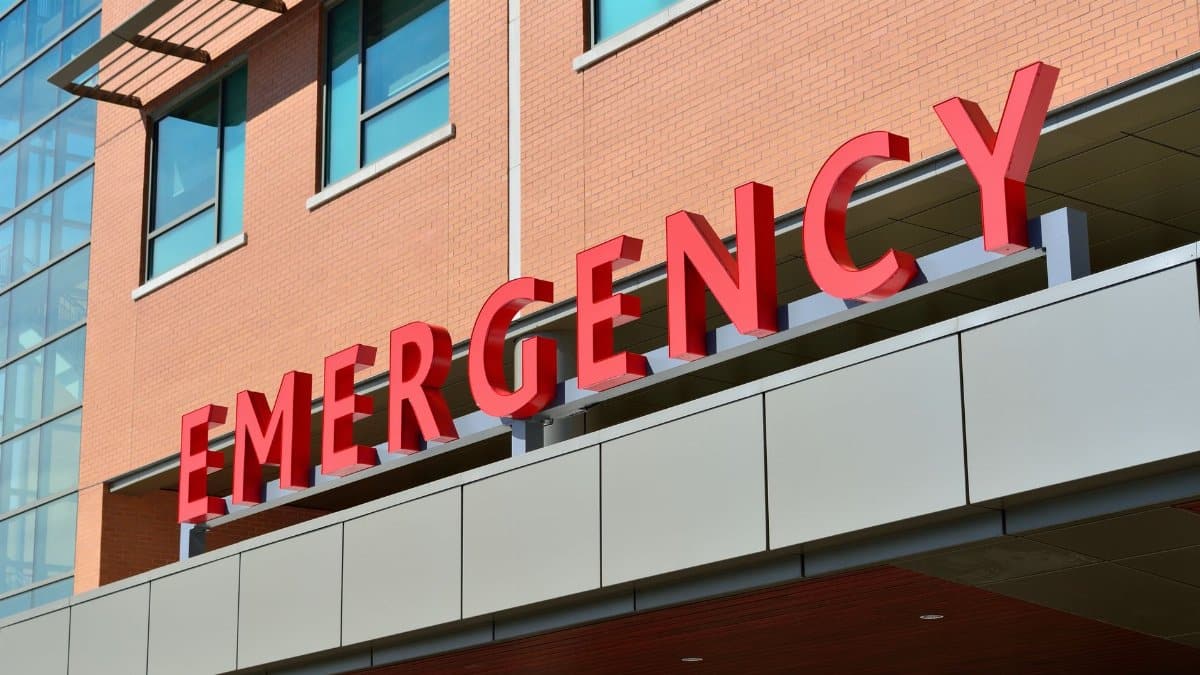
In recent months residents across St Clair County have been grappling with an unexpected announcement from one of the regions major health providers. The decision centers on shutting down emergency services at a longstanding facility and has sparked conversations about access to urgent medical support in rural parts of Michigan. Henry Ford Health ER stands at the center of these discussions as leaders weigh operational adjustments against community needs. Officials have cited shifting patient volumes and resource allocation as key factors behind the move which is expected to take effect in the coming year. Many locals worry about longer travel times during critical moments while others point to the potential for improved coordination at larger campuses. The change reflects wider patterns in how hospital networks adapt to evolving demands and financial pressures.
Background on the Facility and Its Role

River District Hospital has served the area for decades as a vital point for immediate care. Its emergency department handled thousands of visits annually from surrounding towns where options remain limited. The hospital integrated into the Henry Ford system several years ago bringing new protocols and support structures. Over time patient patterns shifted with more people seeking specialized treatment at urban locations. This evolution set the stage for the current realignment focused on concentrating resources where demand proves highest.
Reasons Behind the Planned Closure

System leaders have outlined a series of considerations driving the choice. Declining volumes in the emergency unit combined with rising costs for staffing and equipment played significant parts. They emphasize that maintaining full operations at every site no longer aligns with efficient care delivery across the network. Projections indicate that redirecting cases to nearby facilities will allow for advanced capabilities in areas such as trauma response and diagnostic imaging. The approach mirrors strategies adopted by other providers facing similar regional dynamics.
Effects on Nearby Communities

Travel distances for emergency situations will increase for some households particularly those in outlying zones. Ambulance routing may adjust to prioritize the closest open department which could add minutes in time sensitive cases. Local officials have begun mapping these routes and discussing supplemental transport options. Families express concern over potential delays though administrators counter that overall outcomes may improve through consolidated expertise at main sites. Public forums have drawn steady attendance as details continue to emerge.
Alternative Care Options Emerging
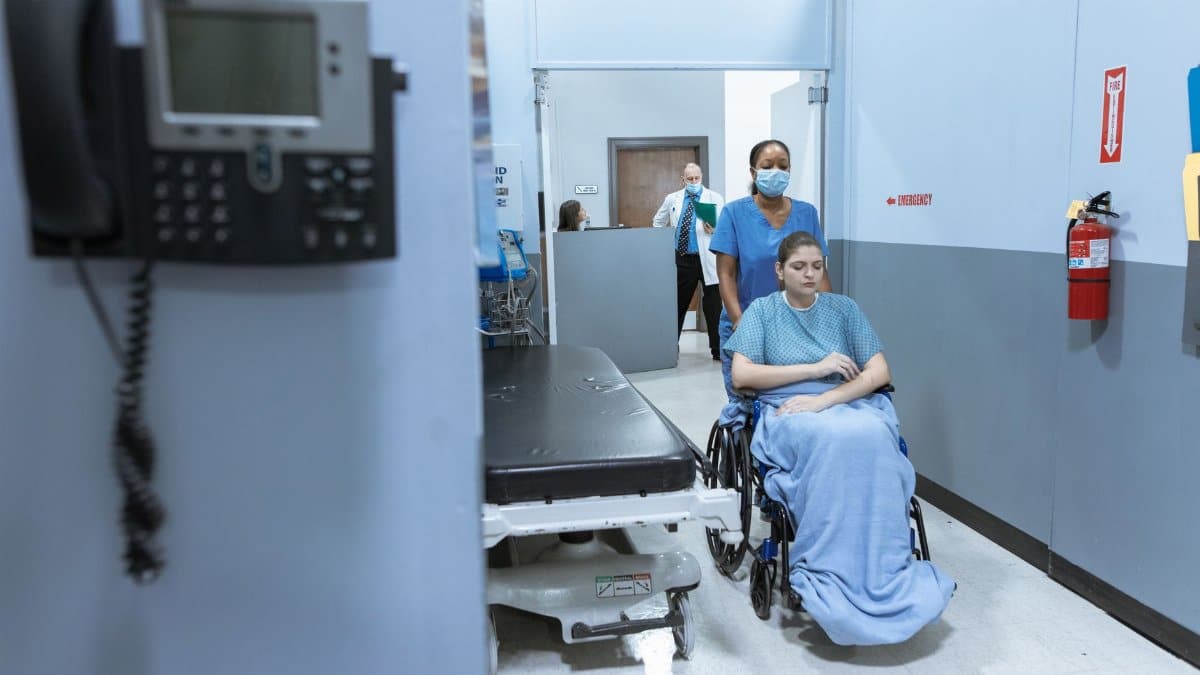
Henry Ford Health ER locations at other campuses will absorb much of the redirected volume according to plans. Urgent care centers and primary clinics are positioned to handle noncritical issues freeing emergency slots for genuine crises. Telehealth expansions offer another layer for initial assessments in remote spots. Partnerships with neighboring systems aim to ensure seamless transfers when higher level intervention becomes necessary. These layers seek to offset the loss of the River District site.
Workforce and Operational Shifts
Employees at the affected department face transitions that may involve relocation or role adjustments within the broader organization. Training programs are being reviewed to prepare staff for updated workflows at receiving facilities. Retention of experienced personnel remains a priority to preserve continuity in patient handling. Union representatives have entered talks to address benefits and scheduling during the changeover period. Such moves highlight the human element in large scale service adjustments.
Financial Context for the Decision

Reimbursement rates and regulatory requirements have tightened margins for smaller emergency units nationwide. The Henry Ford network cites the need to invest in technology and specialized personnel rather than spreading thin across multiple sites. Capital previously allocated to the River District emergency space could support enhancements elsewhere. Audits and planning documents suggest long term savings though upfront transition expenses will arise. Stakeholders continue to scrutinize these figures for transparency.
Patient Perspectives and Daily Realities

Individuals who relied on the local emergency room describe a sense of security now in question. Stories range from quick responses to heart episodes to routine stitches for farm injuries. Many acknowledge the logic of consolidation yet voice frustration over reduced proximity. Support networks within faith communities and civic groups have started organizing rides and information sessions. These efforts underscore the social fabric that often fills gaps during institutional changes.
Looking Ahead for Regional Healthcare

The closure forms part of an ongoing adaptation in how care reaches scattered populations. Henry Ford Health ER services are slated for reinforcement at central hubs to handle increased loads. Monitoring committees will track outcomes such as response times and satisfaction scores once the shift occurs. Future expansions might include satellite clinics tailored to preventive needs. Observers note that similar realignments elsewhere have yielded mixed results depending on execution and local input.