
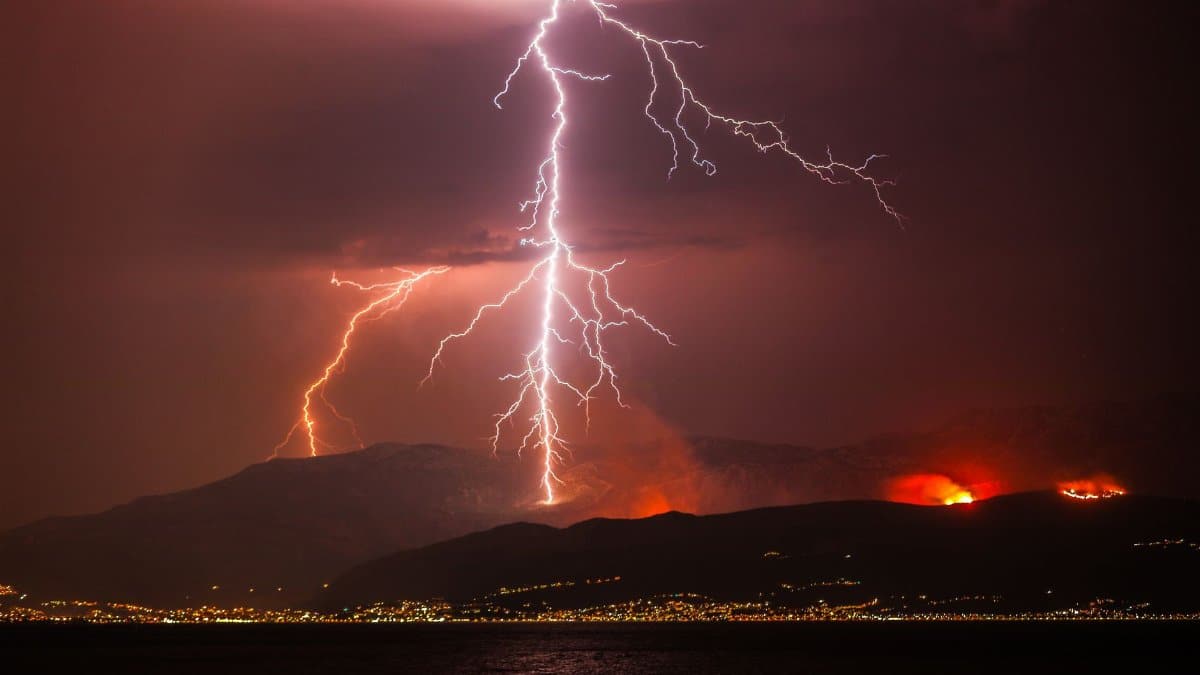
In the aftermath of a fierce weekend storm system, the Pacific Northwest now confronts dozens of fresh ignitions that have left officials and residents on high alert. Dry fuels combined with powerful winds created ideal conditions for rapid fire growth, turning what began as scattered strikes into a broader PNW wildfire surge. Local crews have already logged long shifts as they assess access routes and protect homes perched near forested ridges. The event underscores how quickly weather can reshape daily life in this corner of the country, prompting renewed attention to preparedness plans that many households had set aside during milder months.
Storm Sequence Sets the Stage
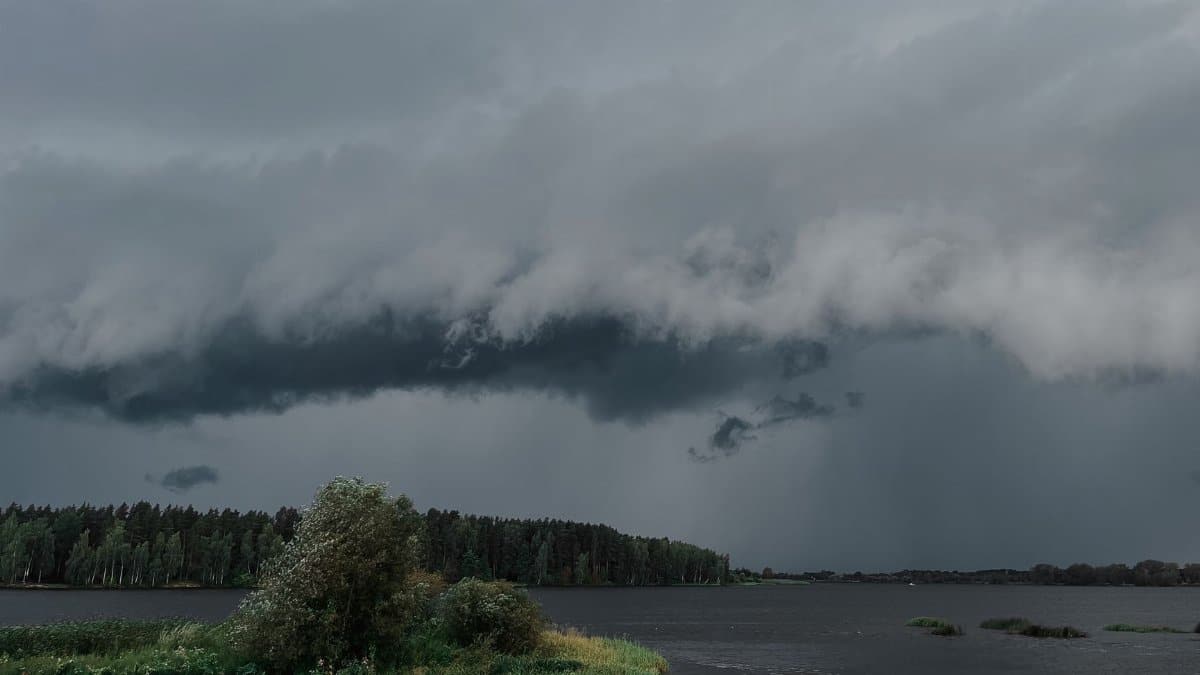
Lightning flashed repeatedly across remote ridges and valleys, each bolt a potential spark in parched timber. Forecasters noted that the strikes arrived ahead of a strong pressure gradient, which later delivered gusts capable of carrying embers far beyond initial impact zones. Residents reported hearing thunder echo for hours, a sound that soon gave way to the smell of smoke drifting into populated areas.
Early Response Efforts Underway
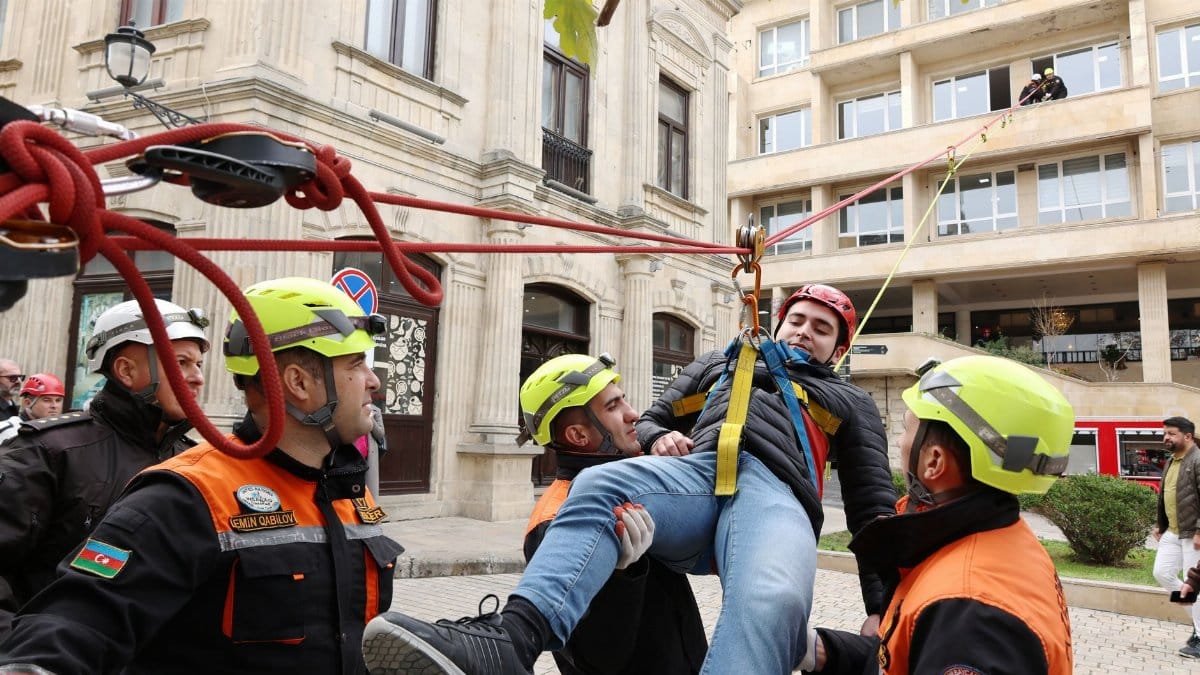
Incident management teams activated within hours, drawing personnel from multiple agencies to establish command posts and begin mapping perimeters. Helicopters circled overhead to drop water and retardant while ground crews cleared lines along existing roads and trails. Supply chains for equipment moved smoothly thanks to prior coordination drills held earlier in the year.
Communities Weigh Evacuation Options

Families in scattered neighborhoods gathered important documents and pet supplies as alerts reached their phones. Some chose to stay with relatives farther from the risk zones while others monitored updates from local radio stations. Schools adjusted schedules and businesses posted notices about temporary closures to keep staff safe during the uncertain period.
Role of Forest Conditions
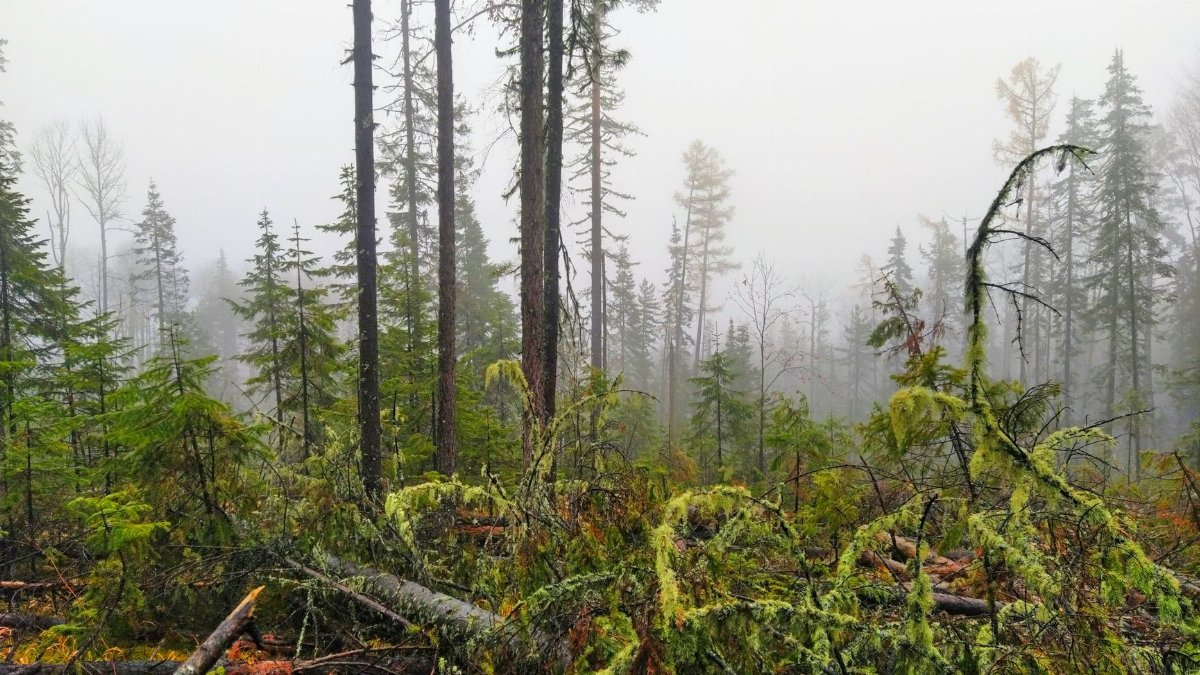
Years of accumulated growth and beetle damage have left many stands more vulnerable than in past decades. Lower moisture levels in soil and vegetation allowed flames to transition quickly from surface burns to crown fires in several locations. Land managers continue to review treatment areas that had been thinned or burned under controlled conditions to gauge their effectiveness during this event.
Air Quality Concerns Rise
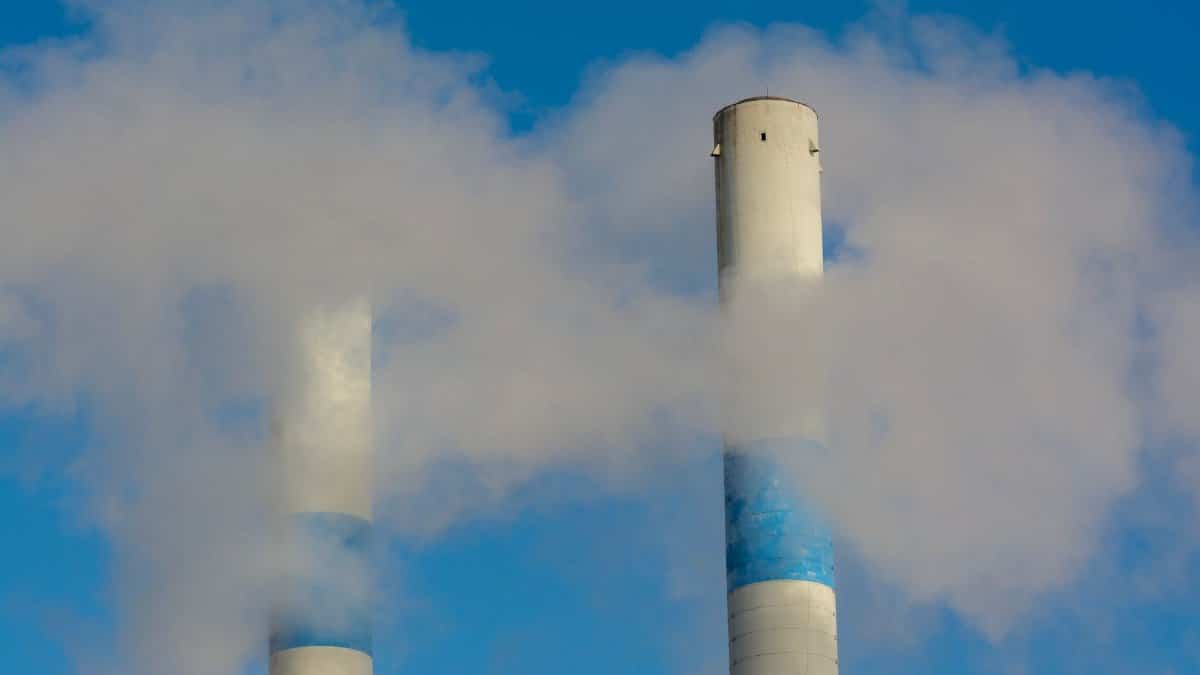
Smoke plumes drifted toward urban centers, prompting health officials to issue guidance for sensitive groups to limit outdoor activity. Hospitals reported a modest uptick in visits related to respiratory irritation though no widespread crisis has developed. Portable air filters sold out at many stores as people sought relief inside their homes.
Economic Pressures Mount
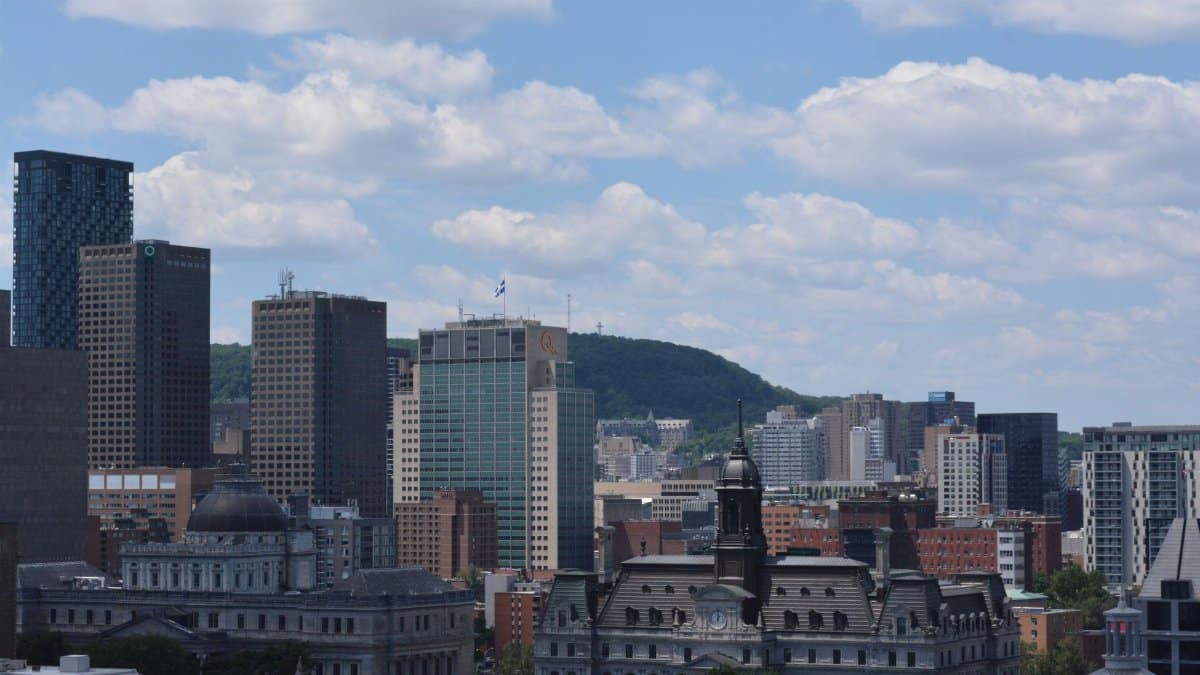
Tourism operators watched cancellations climb while agricultural producers worried about impacts to harvest schedules if roads remained restricted. Insurance adjusters began preliminary assessments of structures threatened by the expanding fronts. State economists noted that extended fire activity often ripples through sectors far beyond the immediate burn areas.
Climate Context Shapes Outlook
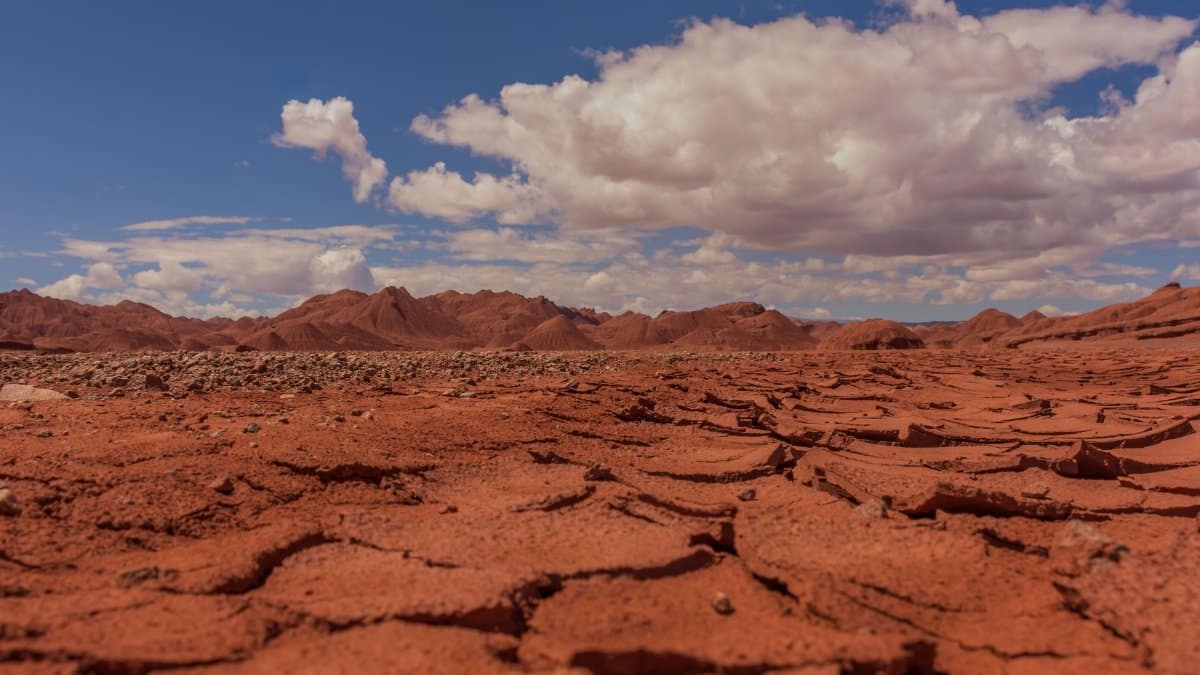
Researchers point to shifting temperature and precipitation patterns as factors that extend the period when fuels remain receptive to ignition. While no single event tells the full story, patterns observed over recent seasons suggest the region may face similar challenges more frequently. Public discussions now include calls for updated building codes and expanded fuel reduction projects on both public and private lands.
Looking Ahead to Recovery

Once containment lines hold, attention will turn to rehabilitation of burned slopes to reduce erosion risks during upcoming rains. Volunteers have already offered to assist with replanting efforts in accessible zones. Long term lessons from this surge will likely inform training and resource allocation for seasons to come.