
Residents across Washington have watched their monthly power costs climb steadily over recent seasons, leaving many to question what drives these persistent jumps. This growing concern has sparked the Washington Electric Bills Utility Rates Investigation, an effort to examine every layer of pricing and delivery that affects households from urban centers to rural towns. The process draws attention from regulators, consumer advocates and industry leaders alike who seek clearer answers amid shifting energy patterns and rising operational demands.
The Scope of the Current Inquiry

The Washington Electric Bills Utility Rates Investigation covers multiple layers of utility operations, from generation sources to final delivery fees. Analysts review contracts, maintenance records and investment choices made in recent years. Early stages focus on data collection across several service districts to identify patterns that may explain cost pressures felt by thousands of accounts. Public meetings allow residents to share experiences directly with officials overseeing the process.
Historical Trends in Energy Pricing
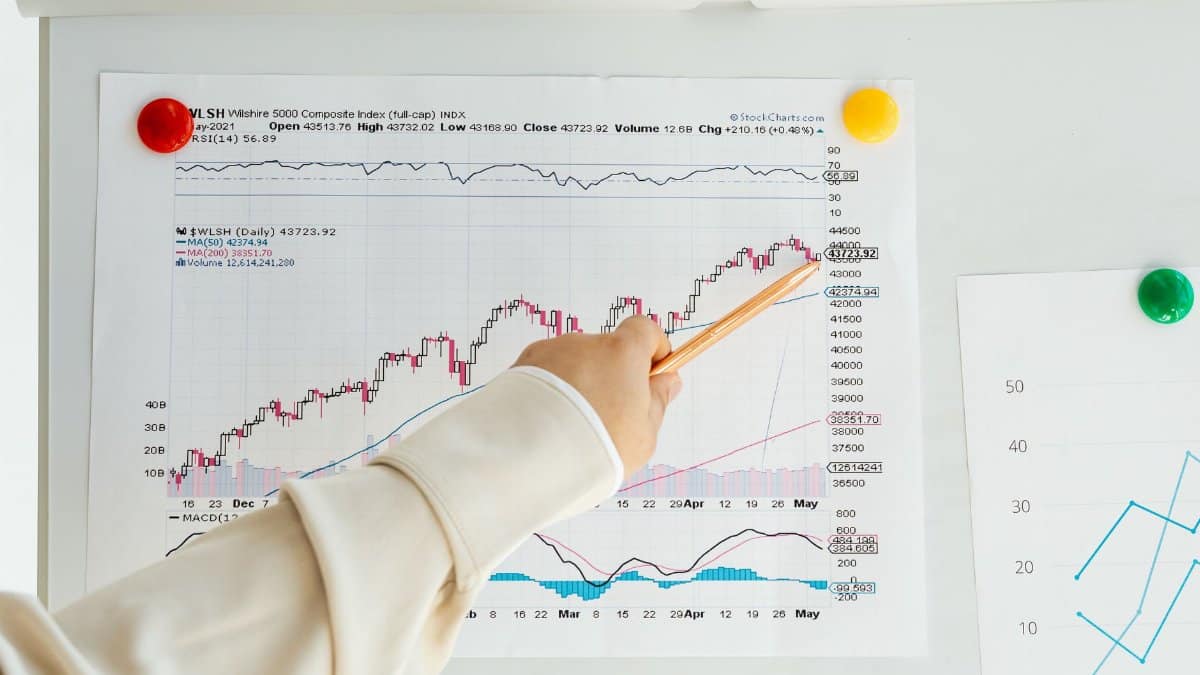
Over the past decade energy prices in the region have moved upward in response to infrastructure upgrades and fuel market shifts. Records show gradual adjustments that accelerated after major weather events strained the grid. The Washington Electric Bills Utility Rates Investigation places these changes in context by comparing earlier rate structures with present ones, revealing how cumulative decisions now influence current statements.
Impact on Local Households and Businesses

Families report reallocating budgets to cover higher statements, while small enterprises face tighter margins that affect hiring and expansion plans. Some communities have formed discussion groups to track changes month to month. The Washington Electric Bills Utility Rates Investigation includes surveys that capture these personal accounts, providing a human dimension to the numerical data collected from billing systems.
Role of Renewable Energy Initiatives
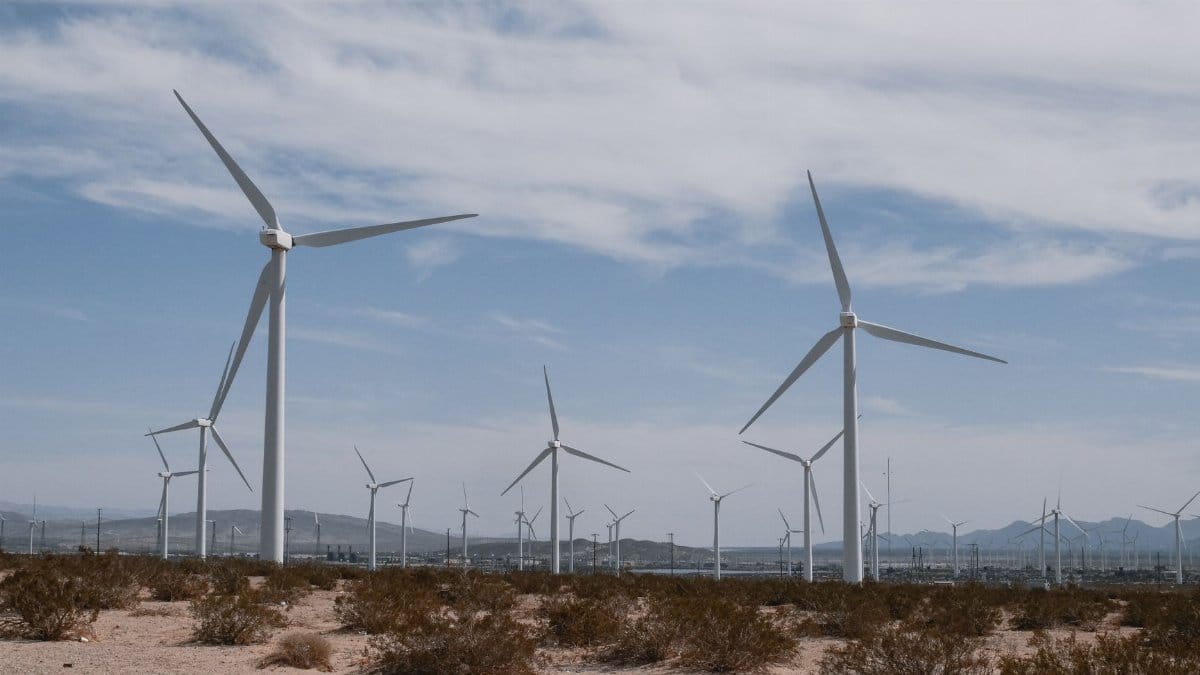
State goals for cleaner sources have prompted investments in wind and solar projects that carry upfront expenses. Transmission upgrades needed to bring power from remote sites add further layers of cost. Participants in the Washington Electric Bills Utility Rates Investigation examine whether these long term commitments align with short term savings for ratepayers or if transitional funding mechanisms require adjustment.
Regulatory Oversight and Its Effectiveness

State commissions hold authority to approve or modify proposed rate changes, yet critics argue that review timelines lag behind market realities. The Washington Electric Bills Utility Rates Investigation evaluates past approval processes to determine if additional safeguards or faster response protocols could better protect consumers without stifling necessary improvements.
Comparisons with Neighboring States
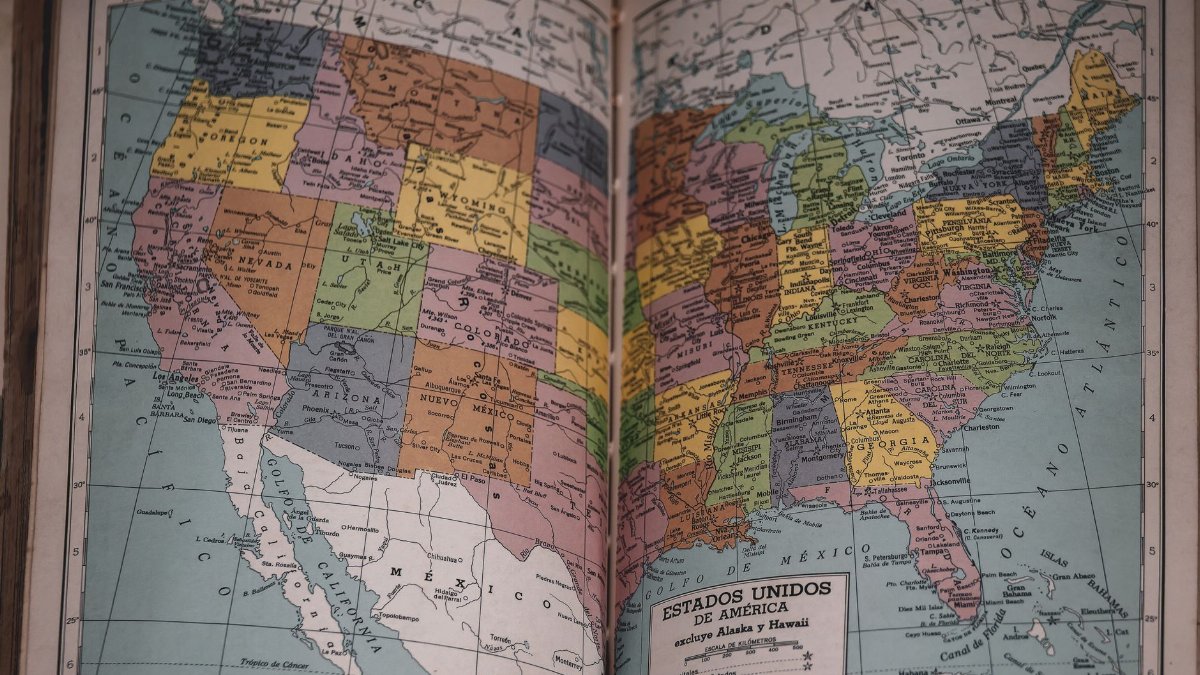
Neighboring jurisdictions face similar supply challenges yet often display different cost trajectories due to varied resource mixes and policy choices. Data shared during the Washington Electric Bills Utility Rates Investigation highlights how Washington rates stand relative to those in Oregon and Idaho, offering benchmarks that may guide future adjustments.
Potential Solutions Under Consideration
Options range from revised rate designs that reward off peak usage to expanded assistance programs for qualifying households. Some proposals call for greater transparency in how capital projects are funded. The Washington Electric Bills Utility Rates Investigation compiles these ideas into a report that lawmakers and utility managers can reference when shaping next steps.
Voices from Affected Communities

Public forums held across the state reveal frustration mixed with a desire for practical fixes. Retirees on fixed incomes describe difficult choices between utilities and groceries, while farmers note seasonal spikes tied to irrigation needs. Testimony gathered for the Washington Electric Bills Utility Rates Investigation underscores the diverse ways higher costs ripple through daily life.
Future Projections for Utility Costs
Forecasts suggest continued pressure unless efficiency gains or new supply arrangements offset rising expenses. Modeling presented to investigators factors in population growth, electric vehicle adoption and climate driven demand shifts. The Washington Electric Bills Utility Rates Investigation aims to ground these projections in verifiable assumptions rather than speculation.
Broader Implications for State Policy

Outcomes from this review may influence how Washington approaches energy equity and infrastructure planning in coming years. Lawmakers watch closely as findings emerge, aware that decisions made now will shape affordability for the next generation of residents. The process stands as a reminder that utility rates reflect both technical realities and collective priorities.