
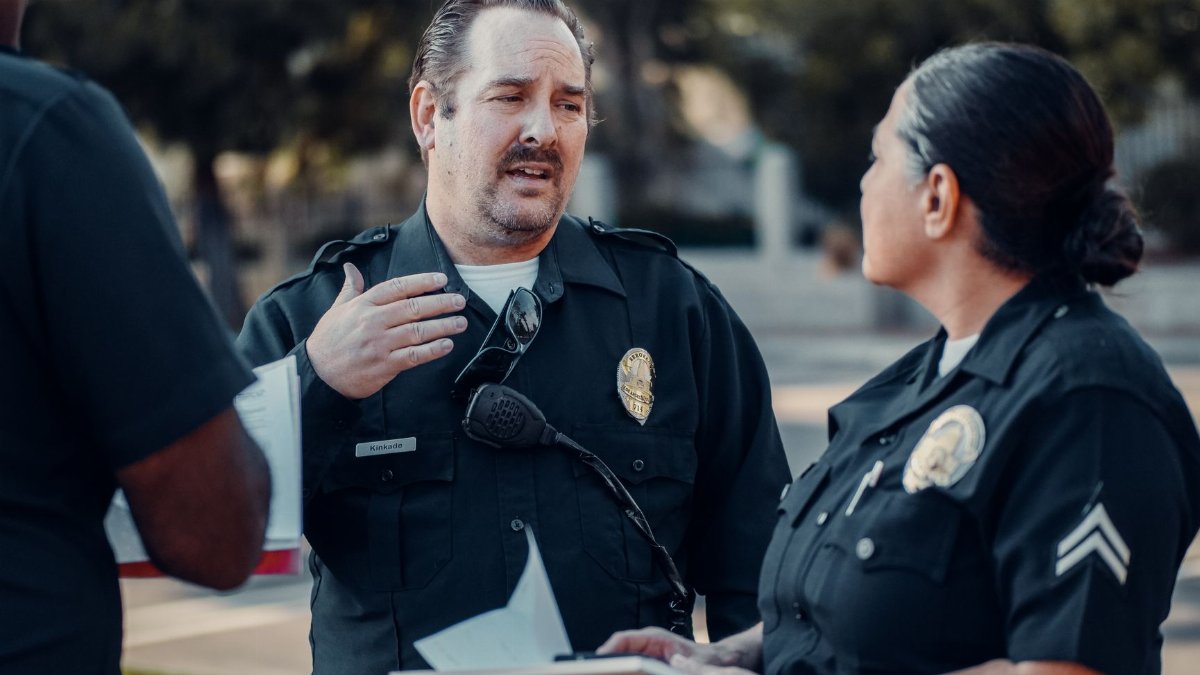
On a block in West Philadelphia, gunfire aimed at police officers turned a neighborhood emergency into a statewide argument about who the mental health system can hold, and for how long. Mayor Cherelle Parker renewed her call within hours, urging Governor Josh Shapiro and the legislature to widen the Parker involuntary commitment law so that severe substance use disorder can open the same emergency door now reserved largely for mental illness. Neighbors asked a harder question than any briefing could settle. If a person is in crisis and a danger to others, why does the statute still sort suffering into categories that hospitals cannot always treat?
A city absorbs another shooting of officers
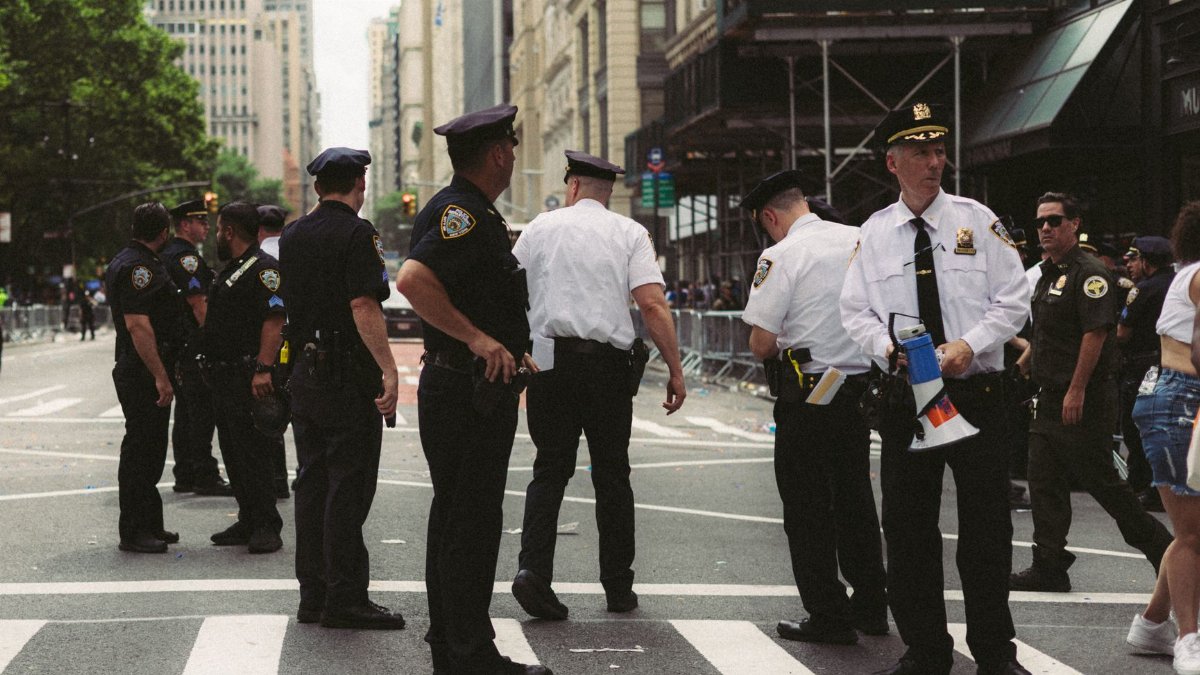
Philadelphia has lived with this pattern for years. A confrontation escalates. Officers are hurt. The public wants an explanation that feels larger than one bad night. Parker has treated the latest shooting not as an isolated crime story but as evidence that the safety net fails before a gun is drawn. Her argument is political and practical at once. People in the grip of addiction, she has said in earlier fights over street conditions and treatment access, can be as unreachable as people in psychosis, yet the law does not always let clinicians act.
The mayor is not inventing a new crisis to fit an old bill. She is returning to a fight she has already picked with Harrisburg, using a moment of public shock to ask why the rules have not moved. Supporters hear urgency. Critics hear a familiar temptation: to answer violence with custody, and to let fear write health policy.
What the present statute actually permits

Pennsylvania involuntary commitment, widely known as a 302, is an emergency civil process, not a criminal sentence. A person can be taken to a facility for evaluation when there is reason to believe that mental illness has made that person a clear and present danger to self or others, or unable to care for basic needs. The clock is short. Rights attach quickly. A longer stay requires further review.
Substance use, by itself, does not fit neatly inside that frame. Intoxication can look like psychosis. Withdrawal can look like collapse. A person may be dangerous on a given night and legally beyond reach by morning, once the drug wears off and the statutory box no longer matches the chart. Families describe the gap in plain language. They can beg for help and still be told to wait for a crime, or for a suicide attempt, before the system has a lawful handle.
Why Parker wants substance use inside the law

The Parker involuntary commitment law, as she is pressing it, would treat severe substance use disorder as a ground for emergency intervention when danger is real, not merely when a separate psychiatric diagnosis can be documented in the chaos of an emergency room. Her appeal to Shapiro and to legislators is aimed at that mismatch. She wants clinicians and, in extreme cases, police to have a lawful path toward treatment rather than a revolving door of short arrests.
The case she makes is moral as much as managerial. Leaving someone on a corner, cycling through overdoses, is not liberty in any meaningful sense. It is abandonment dressed up as respect for autonomy. Expanding commitment, in this telling, is a way to interrupt death, not a way to warehouse the poor.
The appeal landing in Harrisburg

Changing the standard is not a mayoral power. Philadelphia can fund outreach, open beds, and train officers. It cannot rewrite the Mental Health Procedures Act. That work sits with the General Assembly and with a governor who must decide whether to spend political capital on a fight that splits his own coalition.
Shapiro has spoken often about addiction as a public health emergency and about fentanyl as a killer that does not respect county lines. He has been more cautious about widening involuntary treatment, a tool with a long record of misuse against people who are poor, Black, or simply inconvenient. Parker is asking him to choose. After officers are shot, caution reads to many voters as delay. To civil liberties lawyers, speed reads as the moment when bad law gets made.
Families who have already lived the gap

Talk to parents who have tried to commit an adult child and the statute stops being abstract. They know the phone numbers. They know the phrase clear and present danger. They know what it feels like to be told that addiction, however lethal, is not the qualifying illness. Some have watched a son leave an emergency department because he could recite the date and walk a straight line, then found him overdosed two days later.
Those families are Parker’s most persuasive witnesses, and also her most complicated ones. They want a door that opens sooner. They do not want a system that confuses a hospital with a jail, or a three day hold with recovery. Any serious rewrite has to say what happens after the hold ends. Without housing, medication, and a bed that still exists next week, commitment is a pause, not a plan.
Civil liberties and the risk of a wider net
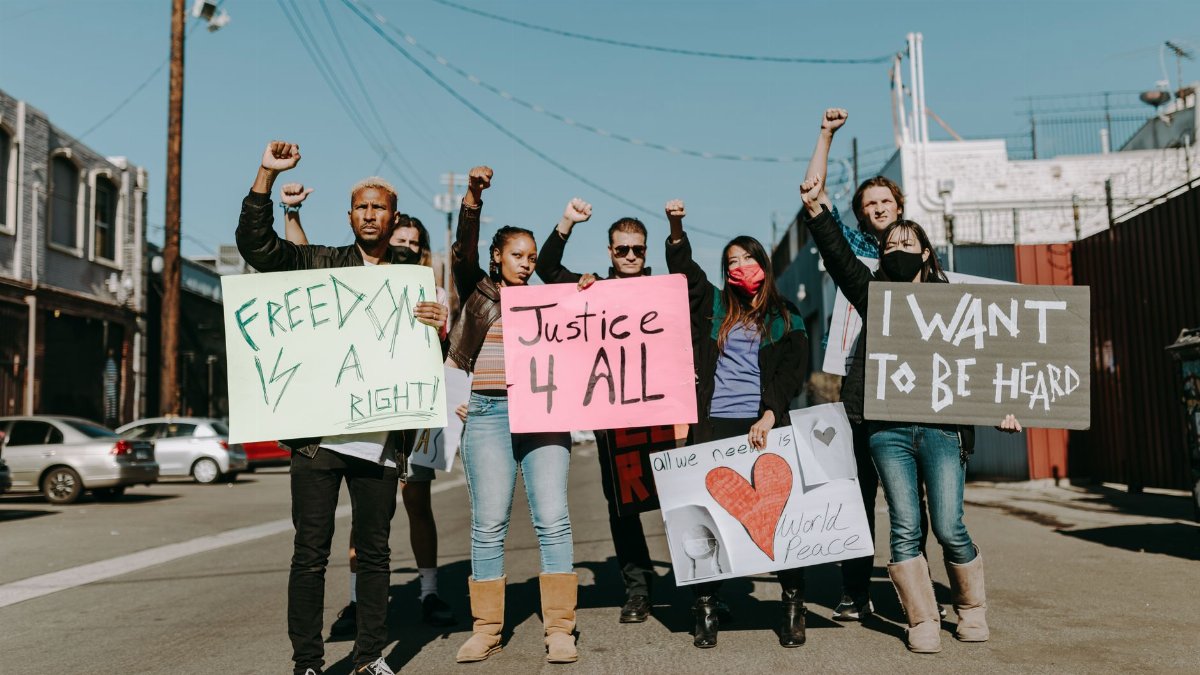
Opponents do not deny the horror of the shooting or the wreckage of untreated addiction. They deny that a broader commitment power is the remedy that matches the harm. Involuntary treatment is a profound loss of liberty. It has been used, in this country and in this state, against people whose main offense was being ill in public. Widening the standard to include substance use disorder multiplies the number of people who can be swept in, including people who are not dangerous in the legal sense but are merely distressing to look at.
Race sits in the middle of that warning. Philadelphia’s street crisis is not evenly distributed. A law enforced most often in the neighborhoods already most policed will not feel like care to everyone it touches. Disability advocates add a second warning. Once substance use is a ticket to detention, the incentive to diagnose broadly grows, especially when shelters are full and political pressure is hot.
Hospitals, police, and a system already full

Even supporters of tighter standards run into a blunt fact. There are not enough crisis beds, not enough psychiatrists, and not enough step down programs to absorb a surge of new commitments. Emergency departments already board patients for days. A legal change that creates more 302s without creating more treatment is a paperwork victory. Officers would still be the first responders. Nurses would still be the last stop. The person in crisis would still leave when the hold expires, often to the same block.
Parker’s critics inside city government have made this point without opposing her motive. Capacity is policy. A statute that promises intervention and delivers a plastic chair in a hallway will deepen distrust, not safety. The honest legislative package, if one comes, has to fund the beds, the follow up, and the community teams in the same breath as it rewrites the danger standard.
What officers can and cannot be asked to do
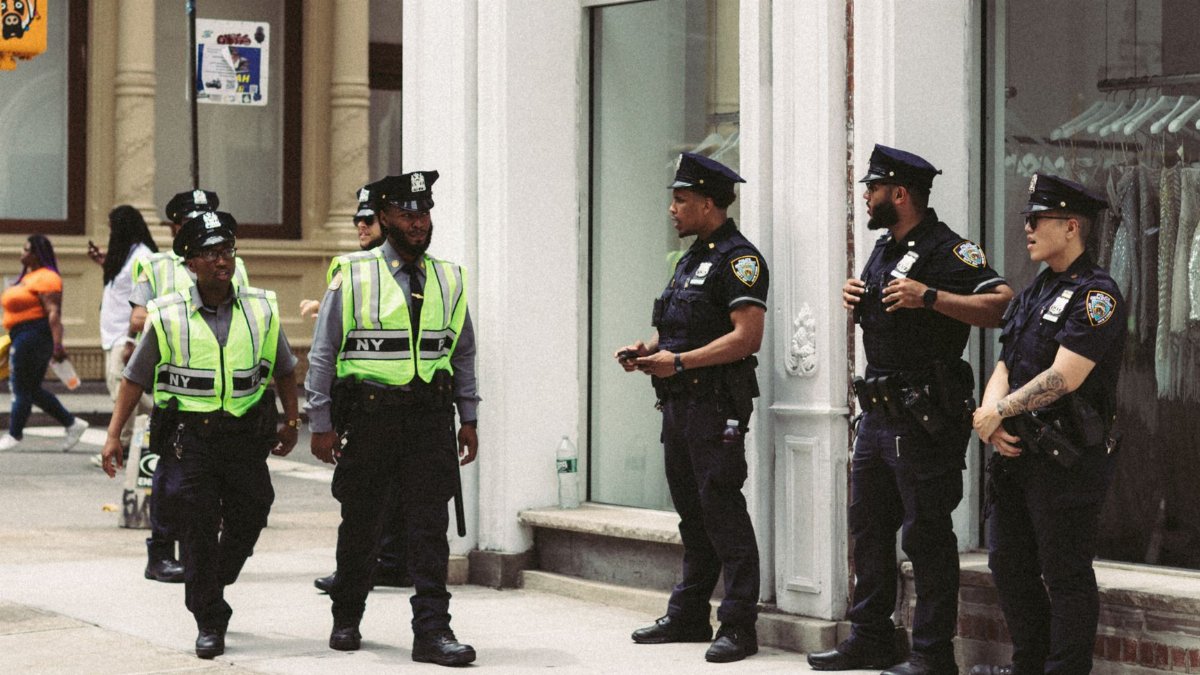
The shooting of police officers gives the debate its heat, and also its distortion. Officers are not clinicians. They are asked, night after night, to judge danger in seconds, often with incomplete information and a person who may be armed, intoxicated, or both. Expanding commitment will not remove that danger. It may, at the margins, give them a destination other than a holding cell when the immediate threat has passed and the underlying illness remains.
It will not, by itself, stop the next ambush or the next chaotic call. Anyone who sells the Parker involuntary commitment law as a shield for every officer on patrol is overpromising. The law can change the options after a crisis. It cannot erase the crisis.
A standard of danger, not of discomfort

If Harrisburg moves, the hardest drafting choice will be the line between danger and disorder. Voters are tired of open drug use, of people asleep in doorways, of storefronts that feel abandoned to chaos. That exhaustion is real. It is not the same thing as a clear and present danger. A law written to soothe public discomfort will detain people who need housing and a prescription, not a locked ward. A law written only for imminent violence will leave many families where they are now, watching a decline they cannot legally interrupt.
The respectable middle is narrow. Danger must stay meaningful. Substance use must be severe, not casual. Review must be fast, independent, and real. Counsel must show up. And release must connect to care that exists outside the headline cycle.
The politics of a renewed call
Parker is betting that a wounded police force and a frightened city will move legislators who have stalled before. That bet has a logic. Tragedies open windows. It also has a cost. Policy made in the week after officers are shot tends to remember the gun and forget the months of untreated illness that came earlier. The Parker involuntary commitment law will be judged less by the press conference that relaunched it than by whether a person in Kensington or in a quiet rowhouse block can be helped before someone is bleeding.
Shapiro can embrace the request, narrow it, or let it die in committee. Legislators can attach funding or strip it out. None of those choices is neutral. Each one tells families, officers, and people living with addiction whose fear counts.
After the hold, the harder work

Commitment is a beginning only if the system on the other side of the door is built to receive people. Medication for opioid use disorder, psychiatric care, a bed that is not a shelter mat, a case manager who answers the phone: those are the unglamorous pieces that determine whether a legal change saves lives or merely relocates misery for seventy two hours. Philadelphia has pilots and promises. It does not yet have a network large enough for the demand Parker’s proposal would surface.
That is the test worth keeping in view when the argument turns loud. A city can expand its power to hold people and still fail them. It can also refuse to expand that power and call the refusal compassion while people die in public. Neither posture is serious on its own.
What the city is really being asked to decide
The renewed push around the Parker involuntary commitment law is, at bottom, a question about the kind of force a democracy is willing to use in the name of care. After police officers are shot, the appetite for force grows. The obligation is to ask whether the force on offer is precise, funded, reviewable, and aimed at illness rather than at visibility. Parker has put that question back on the governor’s desk and in the legislature’s lap. The answer will not come from a single block in West Philadelphia. It will come from whether the state can tell the difference between locking a crisis away and finally treating it.