
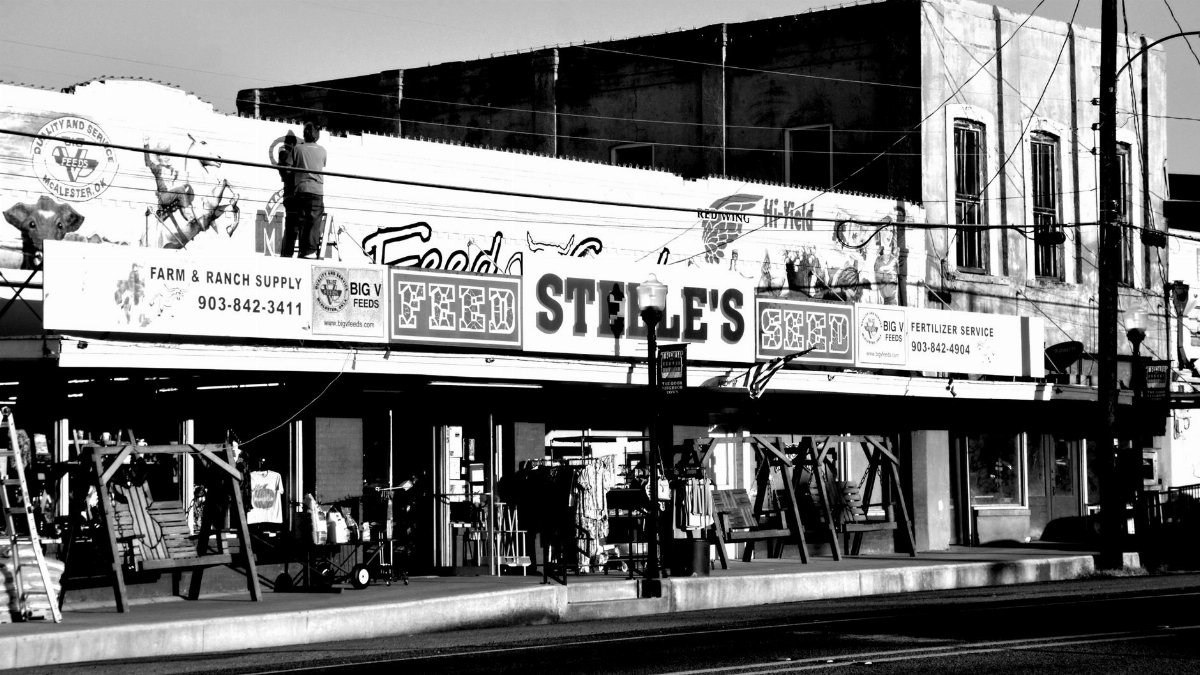
On a humid Houston morning, the kind that turns a short walk across a parking lot into a small negotiation with the air, a feed store more than a century old asked its neighbors for something simple. Come in. Buy the seed, the hay, the chicken feed, the pot you have been meaning to get. Wabash Feed and Garden had been open since 1906, long enough to outlast streetcars, hurricanes, and several versions of what the city thinks it wants. Then owner Heacker posted a plea on Instagram to shop local. The video drew about 96,000 views. Sales nearly doubled. For a few days, a business that usually lives on habit became a public question: if you love a place, will you show up before it is gone?
The plea that left the parking lot
The public shape of the moment was modest. Heacker did not unveil a new concept or a limited drop. The owner asked people who already claimed to care about local shops to prove it with a purchase. Independent stores live on a thin margin, and a stretch of quiet weeks can erase a year of compliments that never reach the register. Customers who assume a beloved shop will always be there are often sincere. They are also, sometimes, late. Reporting in the Houston Chronicle described what followed: a surge of attention, and sales that nearly doubled. A view is easy to give. A bag of feed in the trunk is a different kind of answer.
That difference is the whole story, and also the part people prefer to skip. Affection feels like support. It is not support until it moves money, time, or both. Heacker said the quiet part in public, which is uncomfortable, because it asks neighbors to notice the gap between what they praise and what they fund.
Older than the roads that now lead to it
A store open since 1906 is not a novelty and not a pop up. Wabash Feed and Garden has sold the unglamorous goods that keep animals fed and gardens alive through wars, oil busts, floods, and the slow replacement of pasture with pavement. That span is not a slogan. It is a record of people who kept coming back when coming back was ordinary rather than urgent.
Houston is good at reinventing its surface. New towers, new restaurant rows, new names on old corners. Under that churn, a few rooms still smell like work: feed dust, damp soil, the sweet and slightly sour note of hay. Those rooms do not photograph as cleanly as a cocktail bar. They matter for a plainer reason. They sell things that living creatures need on a schedule, and they hold knowledge that does not fit in a product description.
What nearly double looks like in the aisle
Nearly doubling sales is not an abstraction on a spreadsheet. It is more bags lifted into trunks, more seed packets, more people waiting at a counter where someone still knows which mix a backyard flock needs in August heat. For a store of this kind, a surge is physical. Aisles get tighter. Staff answer the same sincere questions from visitors who saw a video and decided the errand could not wait. Some of those visitors will return in a month, when nobody is watching. Some wanted to be part of a rescue and will not. Both facts can be true in the same week, and a wise owner plans for both.
A crowded Saturday can also exhaust the people who make the place worth visiting. Viral attention arrives all at once. Payroll, rest, and the patience required to explain soil to a beginner do not multiply on the same timetable. Gratitude and fatigue can share a shift.
Creatures and crops that ignore the internet
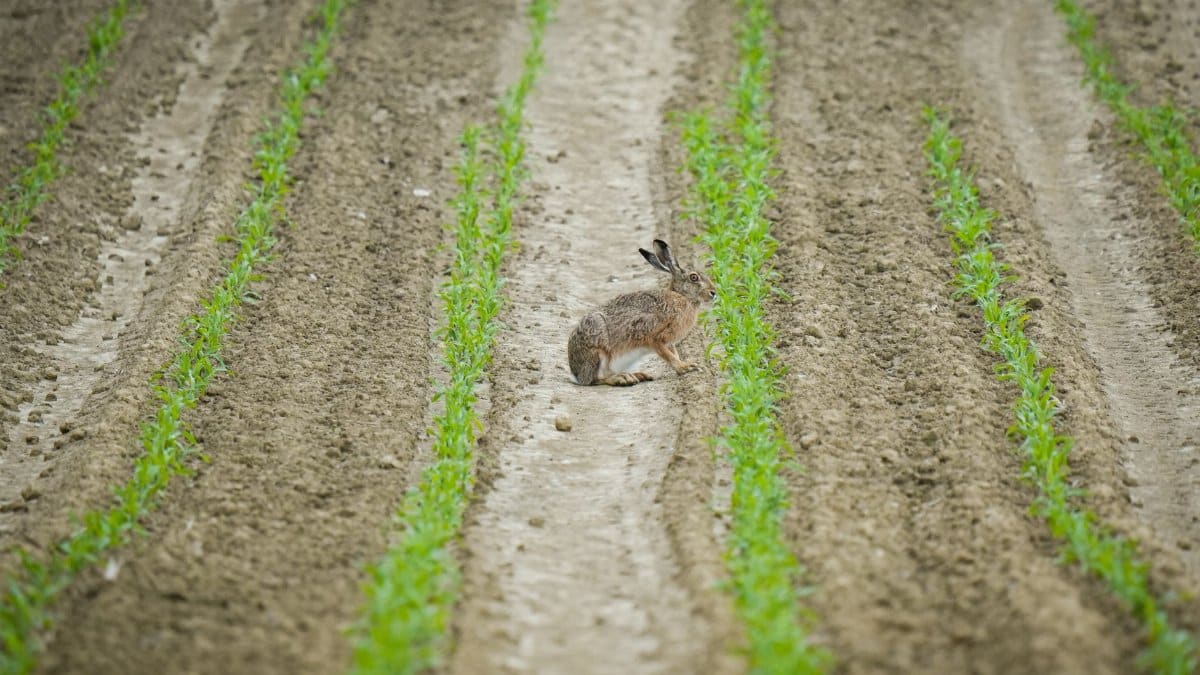
A chicken does not know that a post traveled. A tomato seedling does not care that a stranger tapped a heart icon. The work inside a feed and garden store is stubbornly local because the customers, human and otherwise, are local. Pets need food on a calendar, not when a trend peaks. Gardeners in Houston fight heat, sudden rain, heavy soil, and the particular disappointment of a plant that looked fine on Tuesday and failed by Friday.
Advice at the counter is part of the product. You can order a bag from a warehouse a state away and have it left on a porch. You cannot always get the correction that saves the rest of the season, the one that starts with a look at what you actually brought in a photo on your phone and ends with a smaller, cheaper purchase than you expected. That exchange is slow. It does not scale. It is also why some people drive past three larger options to stand in a line that smells like hay.
The thin space between love and a ledger
This is where the story stops being only warm, if it ever was. Independent retailers hear “I love this place” from people who have not visited in months. Rent, payroll, inventory, insurance, and the cost of keeping the lights on do not pause for nostalgia. A viral weekend can refill a cash drawer and still leave Monday looking like every other Monday. The honest reading of the plea is not that the internet saved a landmark. It is that customers, once asked clearly, proved they could move a number that matters.
Wabash Feed and Garden did not become a different business because a video spread. It became, briefly, undeniable. The goods were the same. The need was the same. What changed was the willingness of people to connect a feeling they already had to an action they had been postponing. That is a useful fact for any city that talks often about character and less often about receipts.
A purchase as a kind of promise
There is a reason a retail story can land in a deeper register than sales figures. People are hungry for evidence that attention can be repaired. So much of public life is reaction without responsibility. Outrage is cheap. A purchase has a cost, and a cost makes a choice visible. When neighbors answered the call, they performed a small civic act. They treated a private business as a shared asset worth keeping, without pretending the city owed the owner a crowd by law.
That distinction matters. Charity and custom are different. A one time rescue can feel like virtue. Custom, repeated, is what lets a store employ people and stock the odd item a chain will not bother to carry. Spiritual language is easy to overuse here, and it should be used lightly. Still, there is something close to stewardship in the decision to keep a useful place alive. Not worship of the past. Care for a tool the present still needs.
Heat, floods, and goods that cannot wait

Houston does not offer gentle conditions to either gardens or small businesses. Heat punishes a missed watering. Storms rewrite weekends. Supply interruptions show up first in the practical aisle, where a missing item is not a lifestyle inconvenience but a hungry animal or a ruined bed of starts. Stores that have lasted here have learned to absorb shock and still open the door.
Customers learn a related lesson, or they do not. The week after a flood, everyone remembers who had the supplies. The quiet month in between is when memory fails. A plea that draws tens of thousands of views is a flare in that pattern. It says the quiet months have added up. It asks whether memory can be trained to arrive earlier, before the flare is required.
Flares do not pay the rent in March
Virality is a signal, not a pension. If the only time a city rallies is when an owner is close enough to the edge to say so in public, the model is cruel. It asks the vulnerable to perform their vulnerability, then congratulates the audience for watching. Houston has lost plenty of rooms that people swore they loved. Bars, bookshops, nurseries, cafes, repair counters. The pattern is familiar enough that one successful plea should not be treated as a permanent solution. It should be treated as a warning that arrived, this time, while there was still a door to walk through.
There is also a risk on the other side of the surge. A store can be loved to death for a weekend and then forgotten in a way that feels even sharper, because the owner has now seen what full support looks like. The comparison is the hard part. Not the strangers who never cared. The neighbors who came once, posted a picture, and drifted back to convenience.
What the counter still knows
Large chains are not villains in a simple fable. They move volume, employ people, and meet real needs at prices a household may require. The loss, when an independent feed store thins out, is narrower and still real. It is the loss of a person who can tell you that the problem is not the brand you blame but the timing, the shade, the breed, the season. Inventory can be copied. Judgment accumulates in a place, in a staff, in a habit of being asked hard little questions for decades.
That judgment is easy to undervalue until you need it. Then it is obvious, and often too late to rebuild. A video cannot transfer it. A receipt can help keep the person who holds it employed long enough to offer it again next Saturday.
The habit that outlasts a video

The useful question now is ordinary. Will the people who came because of a video come back because of a need? Will they mention the store to a neighbor before the next quiet month, not after? A business open since 1906 has already survived more than one fashion in how Americans shop. Survival was never magic. It was repetition. Seed in spring. Feed every week. A question at the counter. A bag that fits in the car.
Wabash Feed and Garden does not need to be a symbol to deserve that repetition. It needs customers who have decided that a place which has served Houston for more than a century is worth a detour on a Saturday when nobody is filming. The views were a gift of attention. The doubled sales were a gift of follow through, at least for a stretch of days. What remains is less dramatic and more decisive: whether care, once made visible, can become boring enough to last.