

On a gray Tuesday in Worcester, a retired teacher sat in a folding chair outside a clinic that had already closed its appointment book for the month. She had called three offices. Each receptionist offered the same apology and a date that felt more like a rumor than a plan. Stories like hers now sit at the center of Massachusetts primary care, a system lawmakers say they are racing to repair even as the bill that might do the work remains out of public view. The question hanging over Beacon Hill is not whether the crisis is real. It is whether a legislature that keeps promising action will produce a law before the calendar turns.
A Familiar Apology at the Front Desk

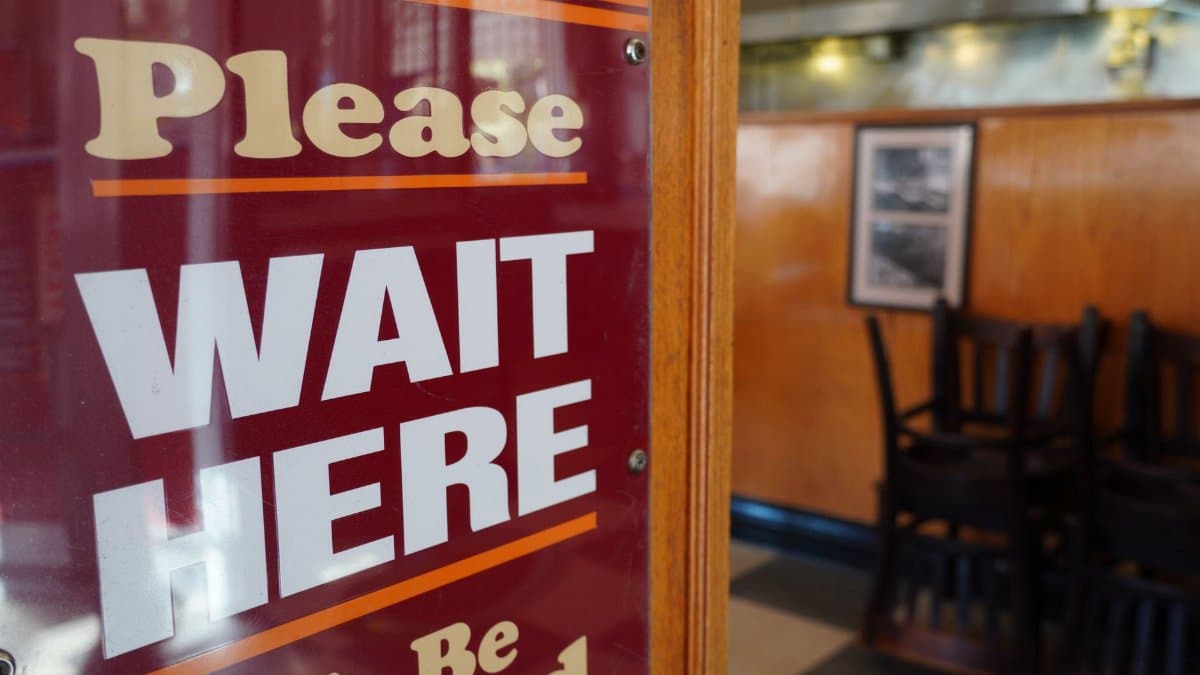
Across the state, the first conversation many patients have with Massachusetts primary care is not with a physician. It is with a scheduler who has already given away the next several months. New patients hear that a practice is closed to newcomers. Established patients hear that a lingering cough can wait until spring. Parents trying to book a child for a school physical learn that the next opening sits past the deadline printed on a form from the district.
This is not a quirk of one town. Urban clinics, suburban groups, and rural practices describe the same squeeze. Demand rose after the pandemic. The workforce did not keep pace. Some physicians retired. Others cut their hours. The apology at the front desk has become a kind of statewide greeting.
A Reputation That No Longer Matches the Wait
For years, people outside the state treated Massachusetts as a place that had figured health care out. Coverage is broader here than in much of the country. Academic medical centers draw patients from far away. That reputation still has truth in it, and it can also hide the ordinary failure at the front of the system. A state can insure almost everyone and still leave them unable to book the visit that insurance is supposed to buy.
The contradiction shows up in exam rooms before it shows up in speeches. Specialists remain busy. Hospitals still fill. The missing piece is the clinician who is supposed to stand between a person and the rest of the machine. When that piece is scarce, cost control, prevention, and better outcomes all start on unstable ground.
The Deadline Lawmakers Keep Naming

On Beacon Hill, the language has grown sharper. Leaders describe a scramble to reshape how the state pays for and organizes basic care. They point to a January deadline, the kind of date that is supposed to force a deal out of a conference room and onto the floor. Supporters say the moment is ripe. Insurers, hospital systems, and physician groups have all conceded that the status quo wastes money and wears people down.
Yet concession is not a statute. A deadline can concentrate attention. It can also become another date that slips. Veterans of the building know how a bill can gather cosponsors, win a hearing, and then vanish into negotiations that produce neither text nor vote. The public hears urgency. The calendar hears something softer.
What Patients Actually Need

Ask patients what they want and the answer is rarely a new agency or a glossy plan. They want a person who knows their history and can see them before a small problem becomes an emergency. They want a referral that does not require three portals and a week of silence.
For middle aged readers, the stakes are concrete. A parent in another town who needs someone to notice a change in memory. This is the work Massachusetts primary care is supposed to do in ordinary time, not in a crisis. When the visit is months away, people either wait and worry or land in an emergency department that was never designed for this task. Whatever bill emerges will be judged by whether that distance shrinks.
Doctors Running on Empty

Physicians describe days that begin before dawn and end with a stack of messages no visit can absorb. The unpaid labor of refills, forms, and portal notes has swallowed evenings. Burned out doctors do not always quit in a dramatic exit. They reduce panels. They stop taking new patients. They leave employed roles for jobs with fewer nights of charting. Some leave clinical work entirely.
The loss is quiet and cumulative. A town does not announce that it has one fewer doctor who will manage diabetes across decades. It simply has a longer wait. Medical students watch this and choose other fields. The pipeline problem is not only about tuition and training slots. It is about whether a young clinician can imagine a life that includes both good medicine and a dinner at home.
Money That Does Not Follow the Visit

Much of the fight is about payment. Fee for service still rewards procedures more richly than the slow work of listening, coordinating, and preventing. A short visit that unravels a medication list may pay less than a test ordered down the hall. Practices that try to offer longer appointments, team care, or after hours access often find that the revenue does not cover the staff required to do it well.
Reform ideas circulate every session. Some would raise spending on basic care as a share of the health care dollar. Some would pay a monthly amount for a patient panel and judge success by access and outcomes rather than by the number of claims. Others would ease administrative burdens that steal hours from exam rooms.
Why Closed Talks Worry Advocates

The present worry is procedural as much as medical. Closed door talks can produce compromise. They can also produce a deal shaped by whoever has the most lobbyists in the hallway. Patient groups and smaller practices say they learn the details, if they learn them at all, when the text is already nearly final. That is a poor way to write rules that will govern how millions of people find a doctor.
Transparency is not a luxury add on. If Massachusetts primary care is to be rebuilt, residents deserve to see which provisions survived and which were traded away. A January deadline should not be an excuse to skip that reckoning. Speed without a public draft is not the same thing as courage. Lawmakers who ask for trust should be willing to show their work before the vote, not after the headlines.
Congregations and the Care Between Visits
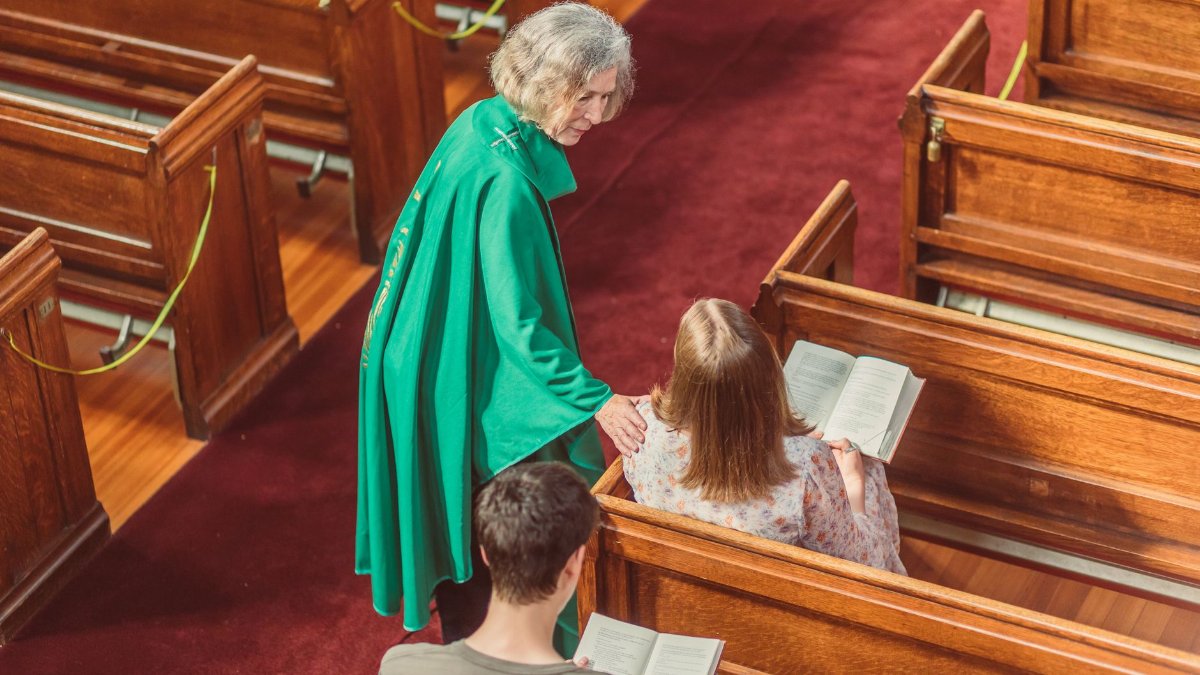
There is another layer to this story, one that health bills rarely name. In church basements, synagogue social halls, and mosque community rooms, volunteers already do a kind of neighboring that medicine cannot bill. They drive neighbors to appointments that finally appear on the calendar. They sit with people who have been told to wait. They notice who has stopped coming to services because a phone call with a clinic went nowhere.
This is not a substitute for a clinician. Spiritual communities can offer presence, meals, and a ride. They cannot diagnose, prescribe, or manage a complex illness. Still, the gap between visits is where fear grows, and congregations have become informal waiting rooms for a system that is overbooked.
What a Real Fix Would Look Like

A credible law would do a few hard things at once. It would make access for new patients a measurable duty, not a slogan. It would pay for time, including the time spent coordinating with specialists and answering messages that cannot wait for the next quarter. It would support training and loan relief tied to staying in community practice, not only to a brief tour. It would simplify prior authorization so that a referral is not a second job.
It would also tell the truth about tradeoffs. If the state asks insurers and large systems to shift money toward basic care, someone will argue that another line item must shrink. Leaders who say they are scrambling should be willing to name those choices in daylight. A vague promise to value the front of medicine has been made before.
The Cost of Waiting One More Session

I have sat in enough waiting rooms, as a reporter and as a daughter, to know that delay has a texture. It is the rattle of a magazine. It is a number on a screen that does not move. It is a person rehearsing symptoms so they will not forget them when the door finally opens. Multiply that by a commonwealth and you have more than an inconvenience.
Massachusetts primary care will not be saved by another hearing that ends in applause. It will be saved, if it is saved, by a bill with dates, dollars, and duties, passed in time for the January clock lawmakers themselves have cited. Until that text exists, the scramble is a mood, not a remedy. The retired teacher in Worcester does not need a mood. She needs a name on a schedule and a clinician who still has room to know her.