
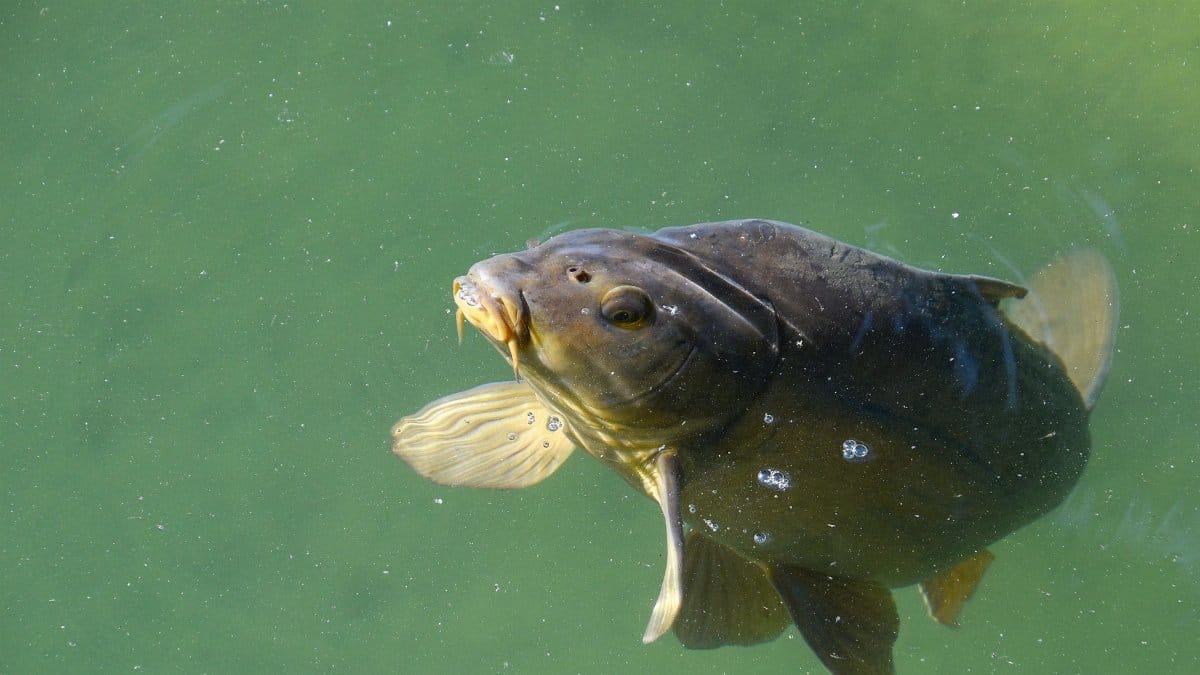
In a pointed rebuke that underscores ongoing tensions between federal and state priorities, Illinois Gov. JB Pritzker accused the Trump administration of undermining critical protections for one of the nations most vital freshwater resources by halting progress on efforts to stop invasive species. The decision has drawn sharp criticism from environmental advocates who see the pause as shortsighted amid growing threats to regional ecosystems and economies. Brandon Road carp stands at the center of this dispute as a key component in barriers designed to prevent Asian carp from reaching the Great Lakes.
Origins of the Barrier Initiative

The project at Brandon Road Lock and Dam near Joliet emerged from years of research into fish migration patterns and the vulnerabilities of connected waterways. Engineers focused on creating a series of electric and physical deterrents that could limit upstream movement without disrupting commercial navigation. State officials have long argued that such measures represent a necessary investment to safeguard biodiversity across multiple states.
Political Dimensions of the Halt

Pritzker framed the interruption as more than a budgetary choice and instead as a direct challenge to cooperative federalism on environmental matters. His statements highlighted how the move could expose downstream communities to risks that were previously mitigated through joint planning. Observers note that similar projects have faced delays when administrations shift focus toward other infrastructure goals.
Ecological Stakes for Regional Waters
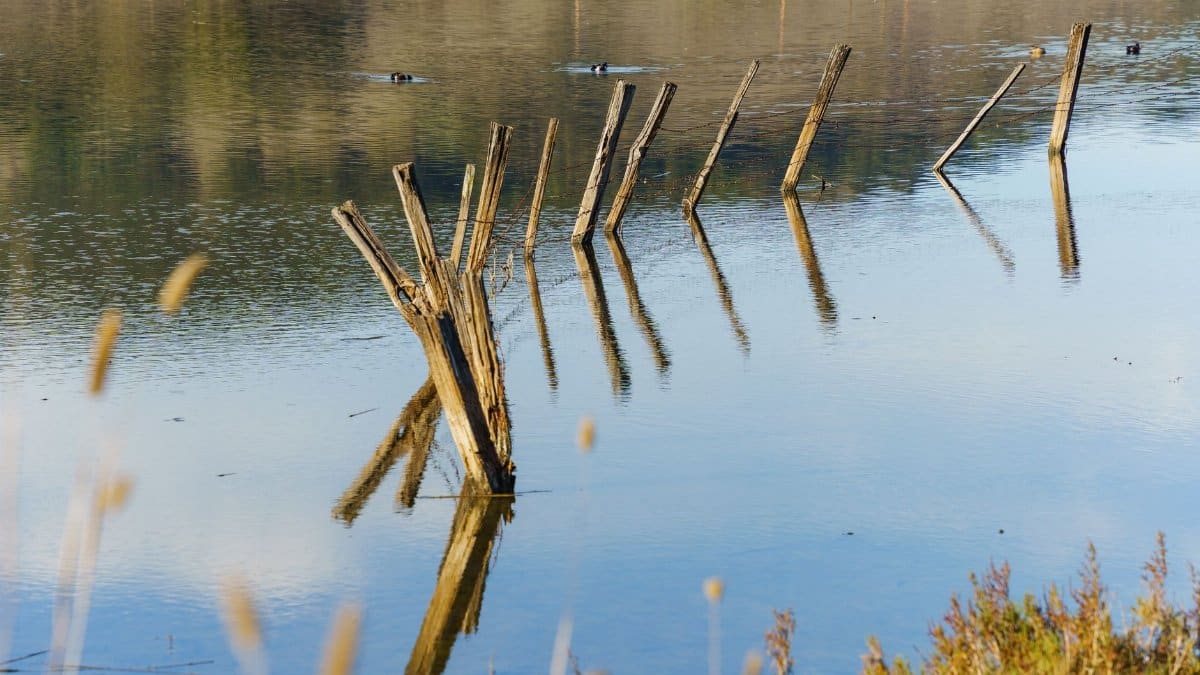
Asian carp pose a documented danger because of their rapid reproduction and ability to outcompete native fish for food sources. Without containment at strategic points like Brandon Road the potential spread could alter food webs and reduce populations of species valued by both commercial and recreational fishers. Monitoring data from the Mississippi River basin already shows the extent of their advance in southern segments.
Economic Pressures on Local Industries

Fishing operations tourism operators and shipping companies all depend on stable conditions in the Great Lakes system. A breach by invasive populations might lead to higher costs for management and lost revenue from diminished catches or altered recreational appeal. Analysts have estimated billions in annual value tied to these waters making prevention a matter of practical concern rather than abstract policy.
Engineering Challenges at the Site

Construction at the lock involves complex integration of sound barriers bubble curtains and reinforced structures to guide or repel fish. Teams must balance effectiveness with the need to maintain passage for barges carrying goods between the heartland and ports. Recent pauses have left partially built elements in limbo raising questions about long term maintenance and completion timelines.
State Level Responses and Alternatives
Illinois leaders have explored supplemental funding options and partnerships with neighboring states to sustain momentum on related work. These efforts include expanded monitoring programs and public outreach to build support for continued investment. Such steps aim to compensate for the absence of federal support while keeping the issue visible in national discussions.
Broader Implications for Invasive Species Policy
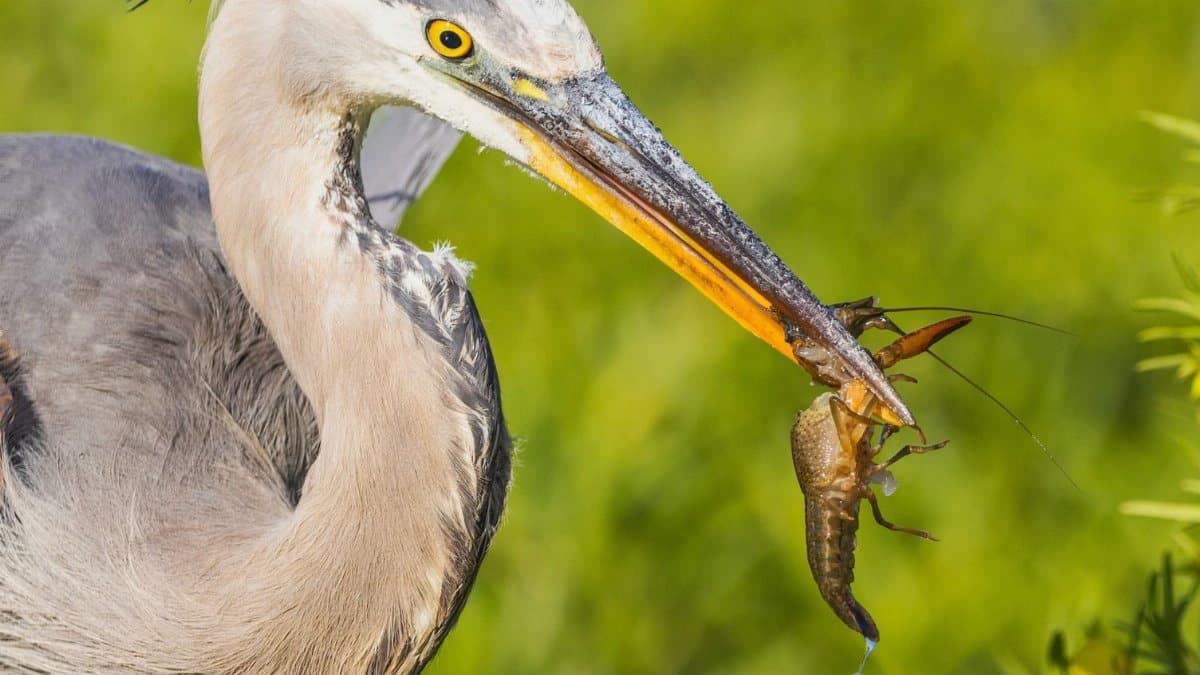
The episode reflects wider debates over how the country prioritizes threats from non native organisms in an era of shifting political leadership. Similar disputes have arisen around other waterways where rapid response measures clash with regulatory reviews or spending constraints. Success in one location often informs strategies elsewhere but only if projects reach full operation.
Future Outlook for Containment Efforts

Advocates continue to press for renewed federal engagement citing the interconnected nature of the challenge across state lines. Without coordinated action the window for effective intervention may narrow as fish populations adapt and expand. The situation at Brandon Road serves as a test case for whether regional protections can withstand changes in national administration.