

In recent weeks several communities around the Twin Cities have begun to reevaluate their approach to surveillance technology. An investigation by the Star Tribune brought to light how license plate cameras were being used in ways that extended beyond typical traffic enforcement. This revelation prompted local officials to impose new restrictions on data access and to reconsider partnerships with vendors that supply such equipment.
The Star Tribune Investigation Uncovers Surprising Uses
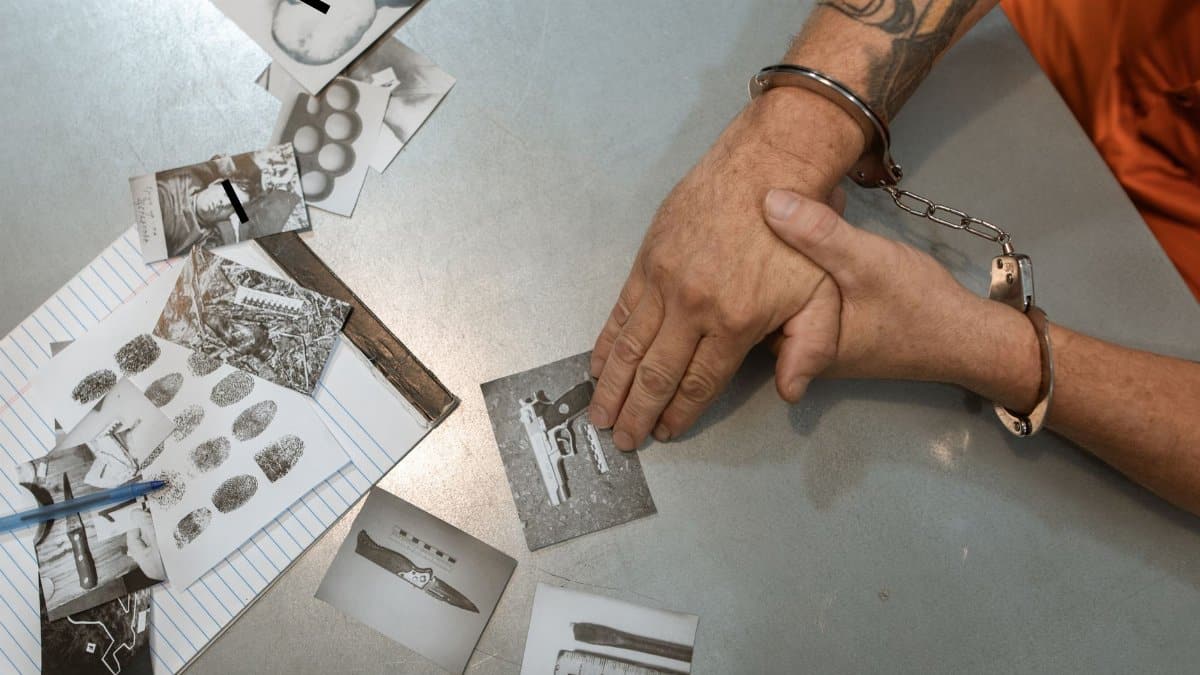
The reporting detailed searches conducted through Flock systems that appeared tied to immigration matters rather than local crime probes. Officials in places like Fridley responded by limiting who could query the stored images and for what reasons. The findings prompted public meetings where residents voiced unease over how routine vehicle tracking might feed into federal databases.
Suburbs Take Action to Limit Data Access

Fridley and neighboring towns adopted new rules that bar automatic sharing of records with outside agencies. City councils voted to require warrants for most queries and to shorten the period that images remain available. These steps came after residents raised questions about transparency and oversight during open forums.
Understanding How License Plate Cameras Operate

License plate cameras capture images of passing vehicles and store the time location and plate number in centralized systems. The devices operate around the clock along roads and in parking areas. While supporters highlight their value in recovering stolen cars authorities have also used them for broader pattern analysis that can extend far beyond the original purpose.
Privacy Rights in the Digital Age

Residents expressed concern that constant recording erodes expectations of anonymity during everyday travel. Legal experts note that courts have yet to settle how Fourth Amendment protections apply to aggregated location data collected without individualized suspicion. Local policies now emphasize that such records should serve only narrowly defined public safety goals.
Immigration Enforcement and Surveillance Concerns
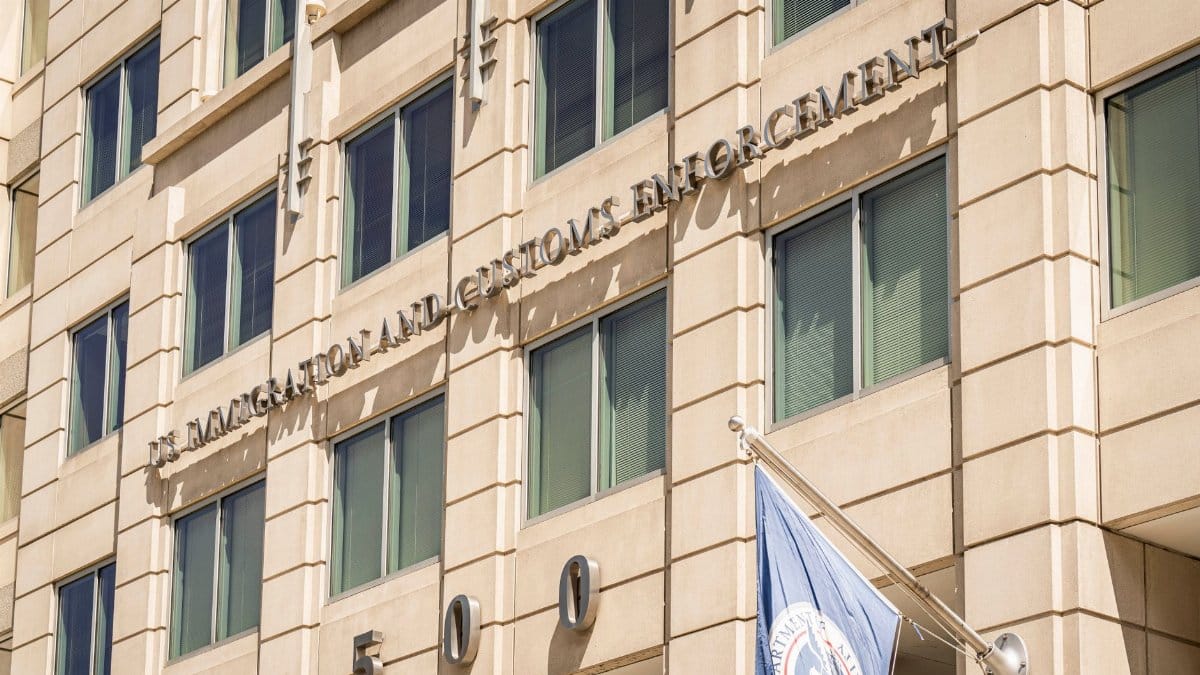
The Star Tribune account showed queries linked to federal immigration checks which surprised many who assumed the cameras served only municipal needs. Community advocates argued that mixing local footage with national enforcement priorities risks chilling participation in civic life. Some suburbs responded by explicitly prohibiting use of the data for civil immigration matters.
Broader Implications for Twin Cities Residents
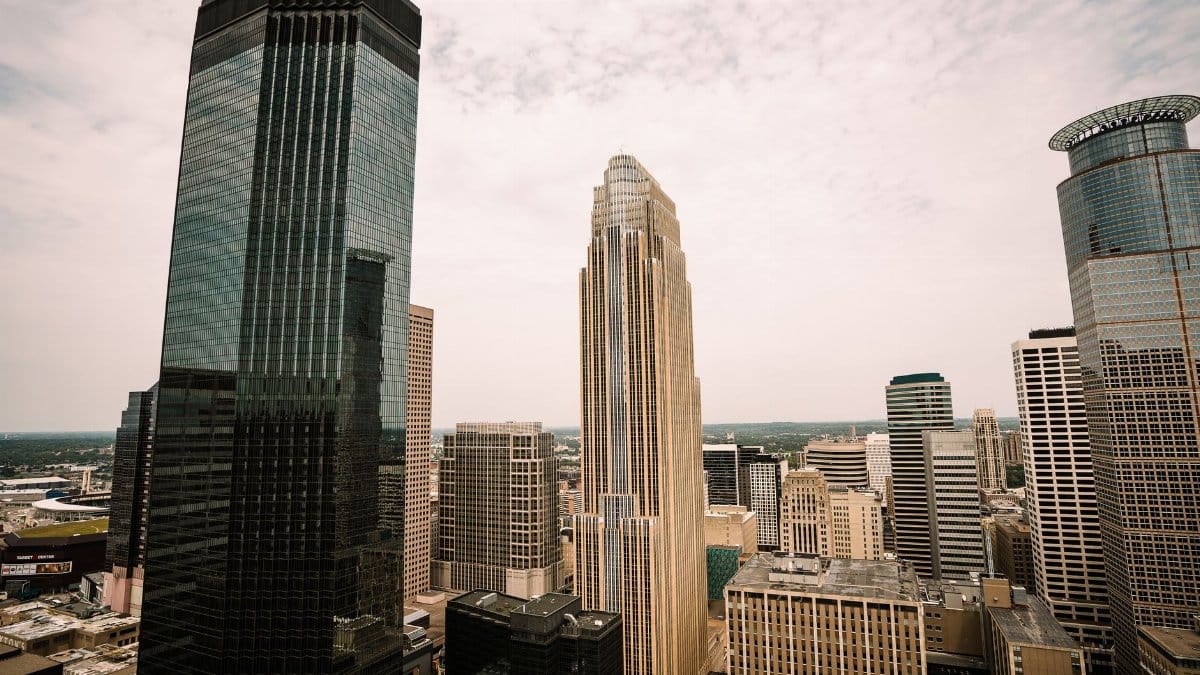
Families now wonder whether routine errands could place them in databases accessible to distant agencies. Business owners worry that delivery routes might be scrutinized without cause. The debate has expanded to include questions about how long any city should retain images and whether independent audits can prevent misuse.
Comparing Policies Across the Nation
Other metropolitan areas have faced similar scrutiny after investigations revealed expanded uses of vehicle surveillance. Some jurisdictions ended contracts with vendors while others added civilian review boards. Twin Cities suburbs appear to be following a middle path that preserves limited access while tightening controls.
Looking Ahead for Community Safety Measures
City leaders say they will monitor the effects of the new limits and adjust as needed. They stress that public trust depends on clear rules and regular reporting about how often the systems are accessed. The episode illustrates how quickly technology adopted for one purpose can raise wider questions about oversight and accountability.