

In the vibrant streets of South Florida where Haitian families have built lives over generations a sense of unease now hangs over daily routines. As the July deadline nears thousands face the end of legal work permits and protection from deportation leaving communities to ponder what comes next. This situation centers on Haitian TPS Miami and has sparked gatherings outside government offices along with quiet conversations in homes and churches about uncertain futures. Advocates describe the strain on households that have contributed to local businesses and schools for years while officials weigh options amid shifting national policies. The outcome will shape not only individual paths but also the broader economic and social fabric of the region.
Origins of Protection Programs for Haitians

Temporary protections emerged decades ago in response to political turmoil and natural disasters in Haiti. These measures allowed eligible individuals already in the United States to remain and work legally during crises. Over time extensions became common as conditions back home stayed unstable. In South Florida this history ties directly to waves of arrivals that strengthened neighborhoods through entrepreneurship and cultural exchange.
Current Status of Permits in the Region

With the expiration set for late July many holders of these permits must prepare applications for alternatives or risk losing their status. Local agencies report increased inquiries about renewal processes and possible adjustments under new guidelines. Haitian TPS Miami appears at the center of these discussions as residents seek clarity on timelines and requirements from immigration authorities.
Economic Contributions of Affected Workers
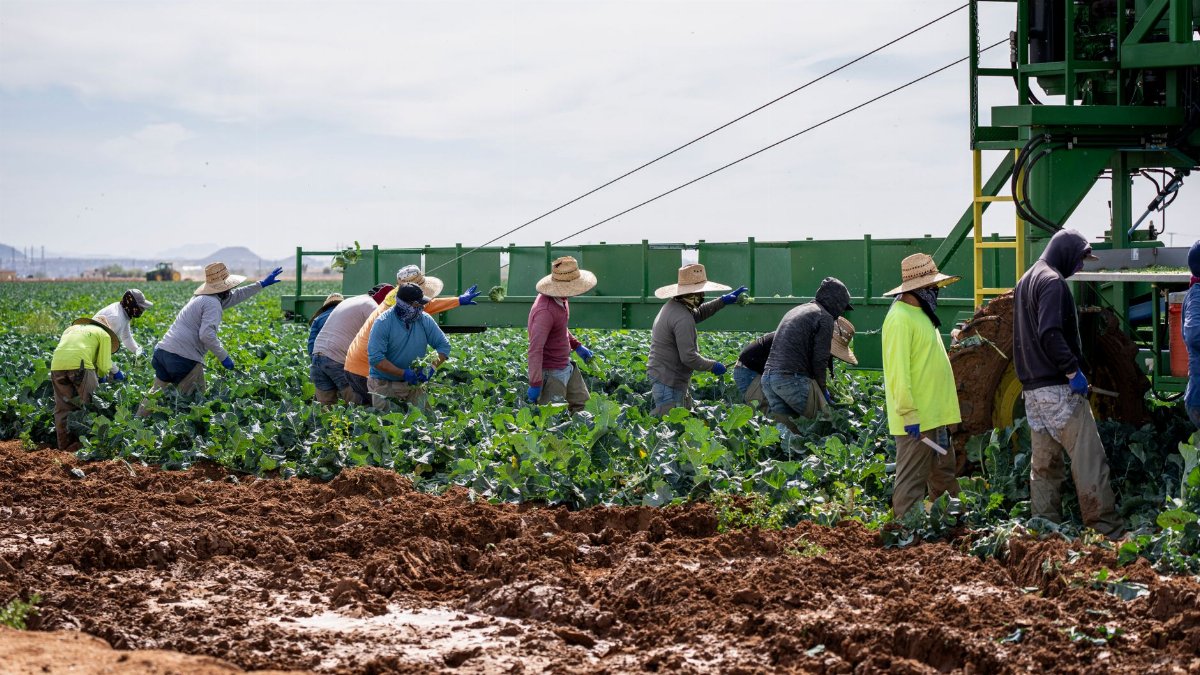
Haitian immigrants holding protected status fill essential roles in construction health care and hospitality across Miami. Their labor supports industries that rely on steady reliable staffing. Loss of work authorization could disrupt these sectors leading to shortages and higher costs for employers. Studies from regional universities highlight how such workers bolster tax revenues and consumer spending in surrounding areas.
Community Organizing and Public Rallies
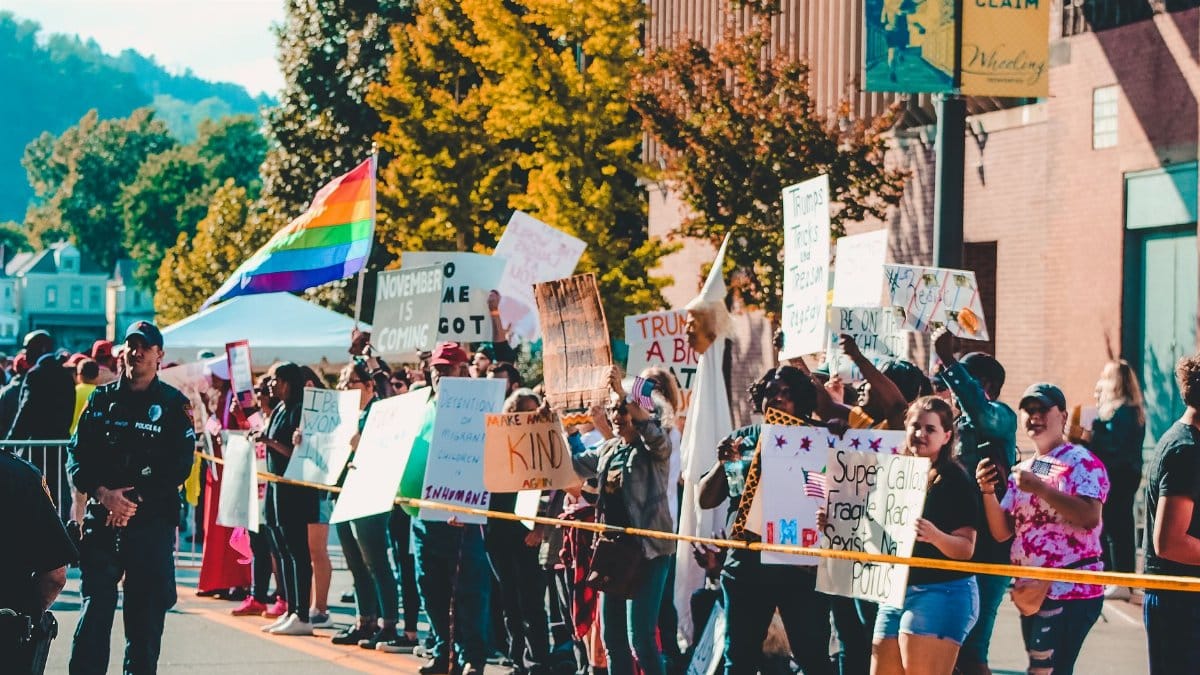
In recent weeks residents have organized events to draw attention to the looming changes. Church leaders and local groups coordinate marches and meetings to share information on legal options. These efforts aim to build solidarity among families while pressing elected representatives for extensions or new pathways. Turnout at such events reflects deep investment in staying rooted in South Florida.
Challenges for Families and Children

Mixed status households now confront added pressures as parents consider relocation or separation scenarios. Schools in affected districts note rising concerns among students about stability at home. Support networks including nonprofit organizations step in with counseling and resource referrals to ease transitions. The human side of policy shifts becomes evident in these personal stories of resilience amid doubt.
Policy Debates at State and National Levels

Lawmakers in Washington and Tallahassee review the implications of ending protections for this group. Arguments range from calls for humanitarian extensions to emphasis on enforcement priorities. Haitian TPS Miami serves as a focal point in these exchanges with data on employment and integration informing positions on both sides. Outcomes may set precedents for similar programs nationwide.
Potential Paths Forward for Residents

Options under discussion include applications for other visas or asylum claims based on individual circumstances. Legal aid clinics expand hours to assist with paperwork and case reviews. Some explore returns to Haiti if conditions allow while others pursue citizenship routes already in progress. Community centers host workshops to outline steps and timelines clearly.
Broader Impacts on Local Services

Hospitals and social agencies anticipate shifts in demand if work permits lapse. Remittances sent back to Haiti could decline affecting extended family networks overseas. Planners in Miami examine how workforce changes might influence housing markets and public transit usage over coming months. These ripple effects extend beyond immediate legal questions.
Voices from Longtime Residents

Interviews reveal a mix of hope and apprehension among those who arrived years earlier. Many describe building businesses from the ground up and raising American born children in the area. Their reflections underscore contributions to civic life through volunteering and cultural events that enrich the city. Such accounts add depth to abstract policy talks.
Looking Ahead After the Deadline

As July 24 approaches monitoring of enforcement actions and court rulings will guide responses. Advocates continue pushing for comprehensive reforms that address root causes of migration. The experience of Haitian TPS Miami may influence future approaches to similar protections for other nationalities facing comparable challenges. Adaptation remains a hallmark of these communities through previous uncertainties.