
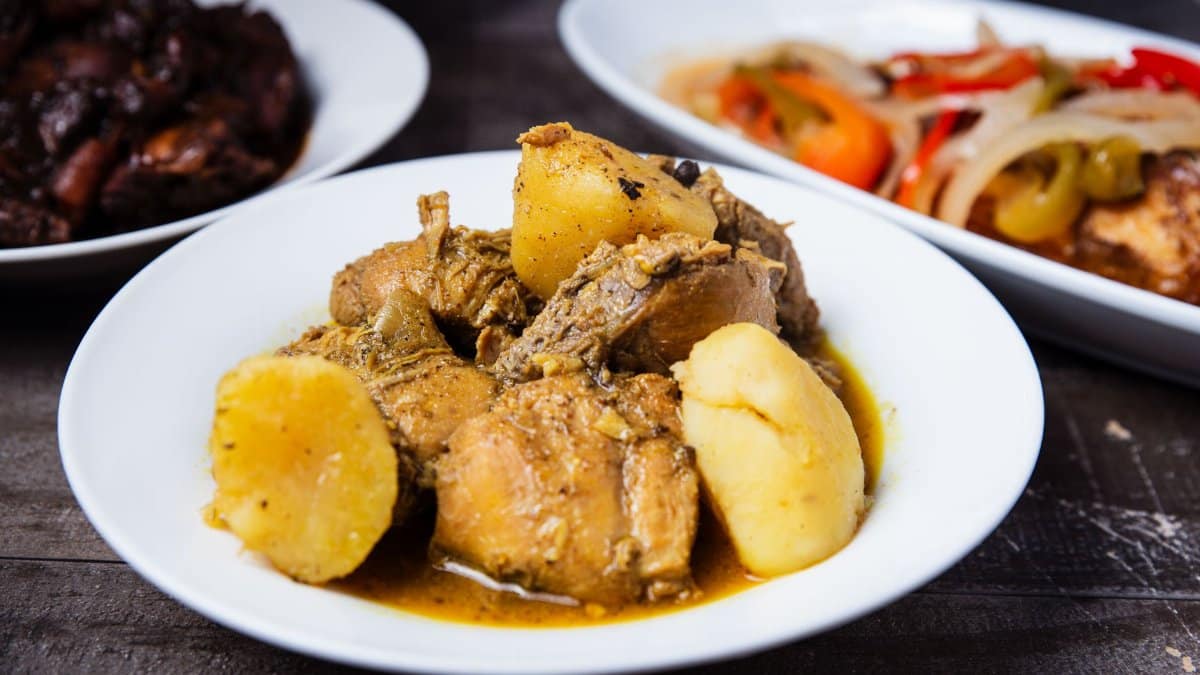
In the lively markets of Port of Spain, young Harry Singh first learned the rhythms of cumin and scotch bonnet peppers from his grandmother, a lesson that would later reshape dining in a northern state far from the sea. Decades after arriving in America with little more than recipes and determination, he opened doors that welcomed Minnesotans to plates of jerk chicken and roti. The Harry Singh obituary Caribbean food records capture how one immigrant turned unfamiliar spices into everyday fare for thousands. His restaurants became gathering spots where families celebrated milestones over steaming bowls of callaloo, proving that taste could bridge vast distances. Friends recall his quiet pride when diners asked for seconds, a simple sign that his vision had taken root.
Roots in Caribbean Traditions

Harry Singh grew up surrounded by the vibrant produce of Trinidad, where markets overflowed with mangoes, plantains and fresh herbs. Those early experiences shaped his belief that food carried stories worth preserving. He often spoke of learning to balance heat and sweetness at his family table, skills he later refined behind the stoves of his own establishments. This foundation allowed him to adapt island methods for American kitchens without losing their essential character.
Arrival and First Steps in Minnesota

Settling in the Twin Cities during the nineteen seventies presented immediate hurdles, from sourcing ingredients to explaining dishes to curious locals. Harry Singh began by catering small events, introducing neighbors to flavors they had never encountered. Word spread slowly at first, yet steady demand encouraged him to open a modest storefront that soon drew regulars from across the metro area. His approach remained consistent: quality produce, generous portions and an open invitation to try something new.
Creating Signature Menus

Each menu Harry Singh crafted highlighted staples like curry goat and festival bread alongside milder options for cautious palates. He experimented with local produce to recreate island staples, ensuring freshness remained paramount. Patrons appreciated the clear descriptions that guided choices, turning first time visits into lasting habits. Over time these offerings influenced other kitchens, as chefs borrowed techniques and suppliers expanded their stock to meet rising interest.
Community Gatherings at the Table

Beyond meals, the restaurants served as informal community centers where conversations flowed as freely as the beverages. Harry Singh welcomed discussions about culture and heritage, often joining tables to share anecdotes from his homeland. Annual events such as spice tastings and music nights strengthened bonds among diverse groups. These efforts fostered understanding in a region where Caribbean traditions had previously remained distant.
Overcoming Early Doubts

Many initially questioned whether Minnesotans would embrace such bold seasonings. Harry Singh persisted through slow seasons by refining recipes based on direct feedback. He adjusted spice levels gradually while maintaining authenticity, a balance that eventually won over skeptics. Suppliers who hesitated to stock specialty items soon became reliable partners once sales proved steady.
Family Contributions and Daily Operations

Relatives played essential roles in daily tasks, from front of house management to recipe testing. Harry Singh emphasized shared responsibility, teaching children and siblings the same principles he had absorbed decades earlier. This collaborative model sustained the business through economic shifts and helped maintain consistent quality across locations.
Broader Influence on Regional Cuisine
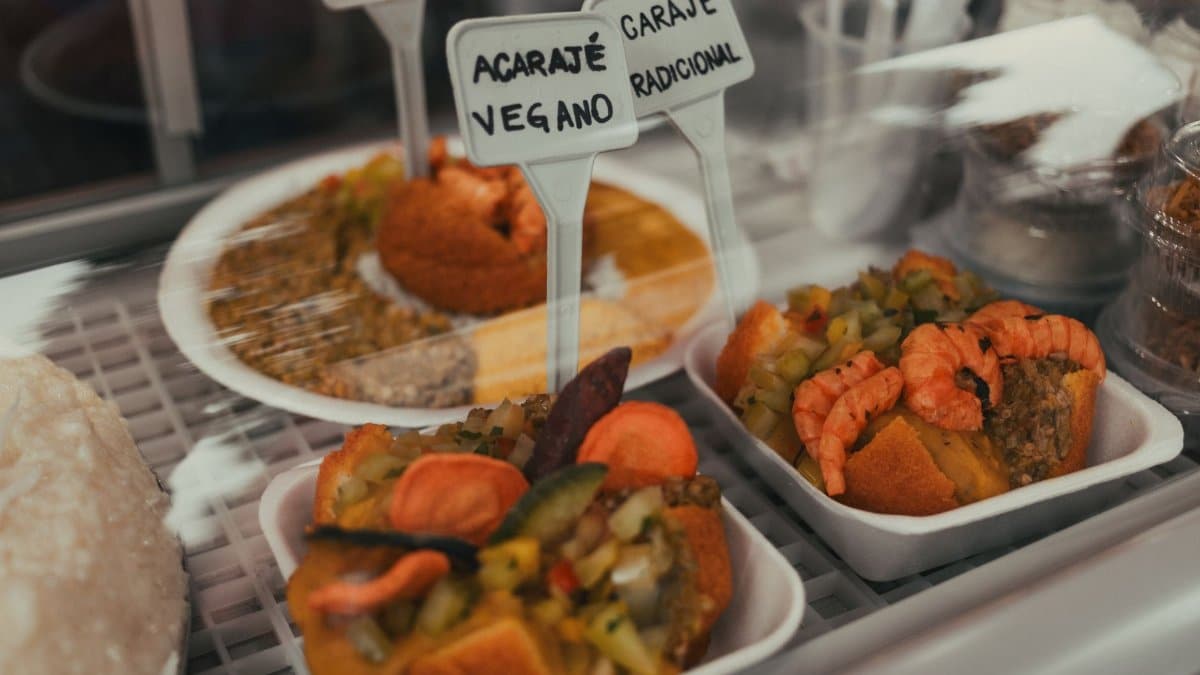
Local food scenes expanded as Harry Singh demonstrated viable markets for international flavors. Other entrepreneurs followed with their own concepts, creating a wider array of options for residents. Markets began carrying previously rare items, and cooking classes incorporated his methods. The ripple effects extended to festivals and school programs that celebrated global traditions.
Enduring Tributes and Reflections

Following his passing, former staff and customers gathered to recount meals that marked personal milestones. Archives including the Harry Singh obituary Caribbean food entries preserve these accounts for future generations. His establishments stand as reminders that persistence and generosity can transform regional tastes. The Harry Singh obituary Caribbean food accounts also note how his work continues through those who carry forward his recipes and welcoming spirit. Harry Singh obituary Caribbean food details further highlight a quiet innovator whose impact endures in every kitchen now serving similar dishes across the state.