

The recent announcement from a prominent firm signals deeper pressures on manufacturing as firms adapt to shifting markets and global supply chains. Bay Area electronics layoffs reflect these adjustments in a region long tied to innovation and production. Observers note that such moves affect not only payrolls but also the fabric of communities where work has anchored families for generations. This development invites reflection on how economic transitions intersect with personal meaning and collective resilience.
Company Decision and Operational Shifts
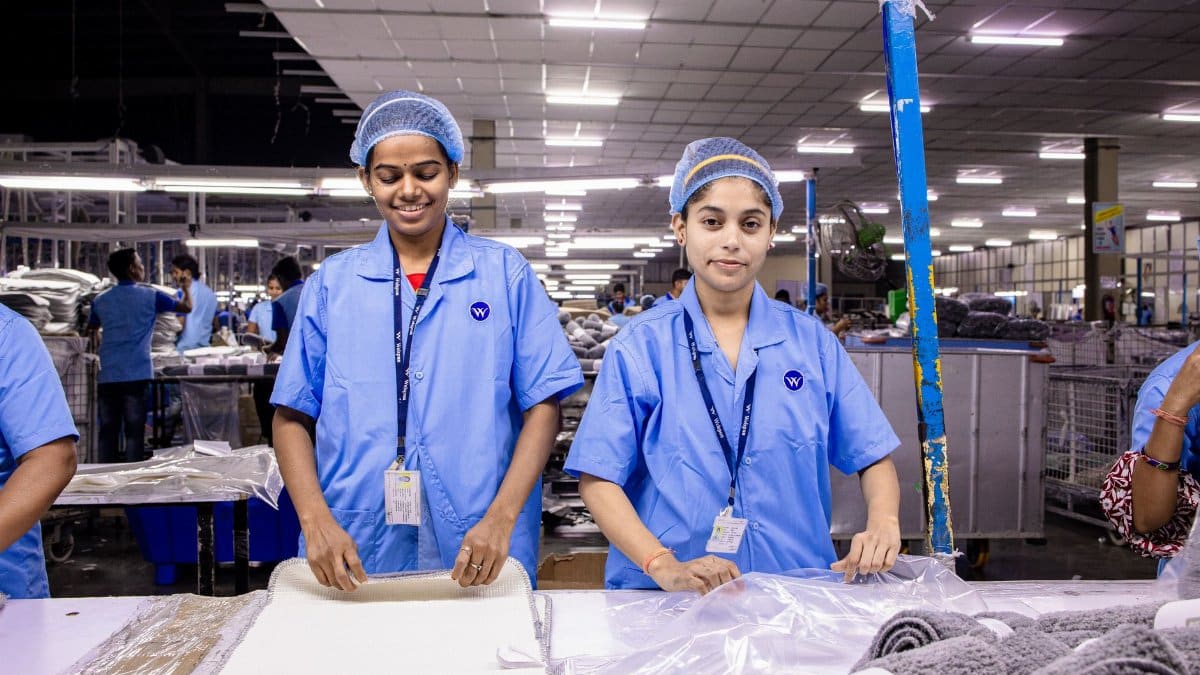
The firm cited changes in demand and production needs as reasons for closing the facility. Executives described the step as necessary to sustain viability amid evolving conditions in electronics assembly. Workers learned of the closure through internal notices that outlined timelines for winding down activities. The inclusion of senior leadership among those affected underscores the breadth of the adjustment.
Effects on Employees and Families

Two hundred twelve positions will end including roles across assembly engineering and administration. Many staff members have spent decades at the site building expertise and relationships that extend beyond the workplace. Support services such as job placement assistance have been offered yet the emotional weight remains heavy for households that relied on steady income from the plant. Stories from similar transitions show how sudden changes can prompt reevaluation of career paths and life priorities.
Regional Manufacturing Landscape

The Bay Area has seen repeated instances of production moving overseas or consolidating as costs rise. This latest example adds to a pattern where electronics work faces competition from lower wage regions. Local officials have tracked these trends through employment data that reveals slower growth in factory jobs compared with software and services. The pattern raises questions about retaining skilled trades in an area known for advanced technology.
Broader Economic Ripple Effects

Suppliers and service providers tied to the plant may experience reduced orders as operations cease. Small businesses near the facility that catered to workers during shifts could see lower foot traffic. Economists point to multiplier effects where each direct job loss influences additional positions in logistics maintenance and retail. These secondary impacts often surface gradually yet shape neighborhood vitality over time.
Worker Support and Transition Programs

State and local agencies have begun coordinating workshops on resume development and retraining options focused on adjacent fields like renewable energy components. Unions representing some employees have advocated for extended benefits to bridge gaps during searches for new roles. Community colleges in the vicinity stand ready to expand courses in automation and advanced manufacturing that could help displaced staff acquire updated credentials.
Spiritual Dimensions of Career Loss

Periods of professional upheaval often lead individuals to consider purpose beyond daily tasks and financial security. Faith communities in the region have organized gatherings where workers share experiences and seek guidance through prayer or meditation practices. Such spaces offer reminders that identity encompasses more than occupational titles and that renewal can emerge from disruption.
Policy Responses and Future Outlook

Lawmakers have discussed incentives to encourage companies to retain manufacturing footprints through tax credits or infrastructure investments. Advocates argue that targeted measures could slow the pace of Bay Area electronics layoffs while fostering innovation in domestic production techniques. Industry analysts project continued volatility as firms balance automation gains against the value of human oversight in quality control.
Community Resilience and Adaptation

Grassroots efforts have emerged to document the history of the closing plant and celebrate contributions made by its workforce over the years. Local leaders emphasize the importance of preserving institutional knowledge even as physical operations end. These initiatives highlight how shared narratives help communities process change and prepare for what lies ahead in a dynamic economic setting.