

In bustling commercial districts from San Francisco to San Diego entrepreneurs encounter growing obstacles that influence their daily decisions and long range plans. Reader letters frequently point to policies shaping the commercial environment and warn that excessive oversight reduces the flow of capital while limiting prospects for expansion. These concerns reflect broader patterns where California business regulation plays a central role in determining whether companies choose to remain or relocate elsewhere.
Effects on Capital Availability

Letters from business observers describe how rules governing licensing and compliance create barriers that discourage investors from committing funds to new projects. Without steady inflows of support many promising ideas never advance beyond initial planning stages leaving communities with fewer options for development and progress.
Rising Costs for Operations

Daily expenses climb as firms allocate more resources toward meeting detailed requirements instead of focusing on core activities such as product improvement or customer outreach. This shift often results in higher prices passed along to consumers who then adjust their purchasing habits in response to the added financial pressure.
Consequences for Job Creation
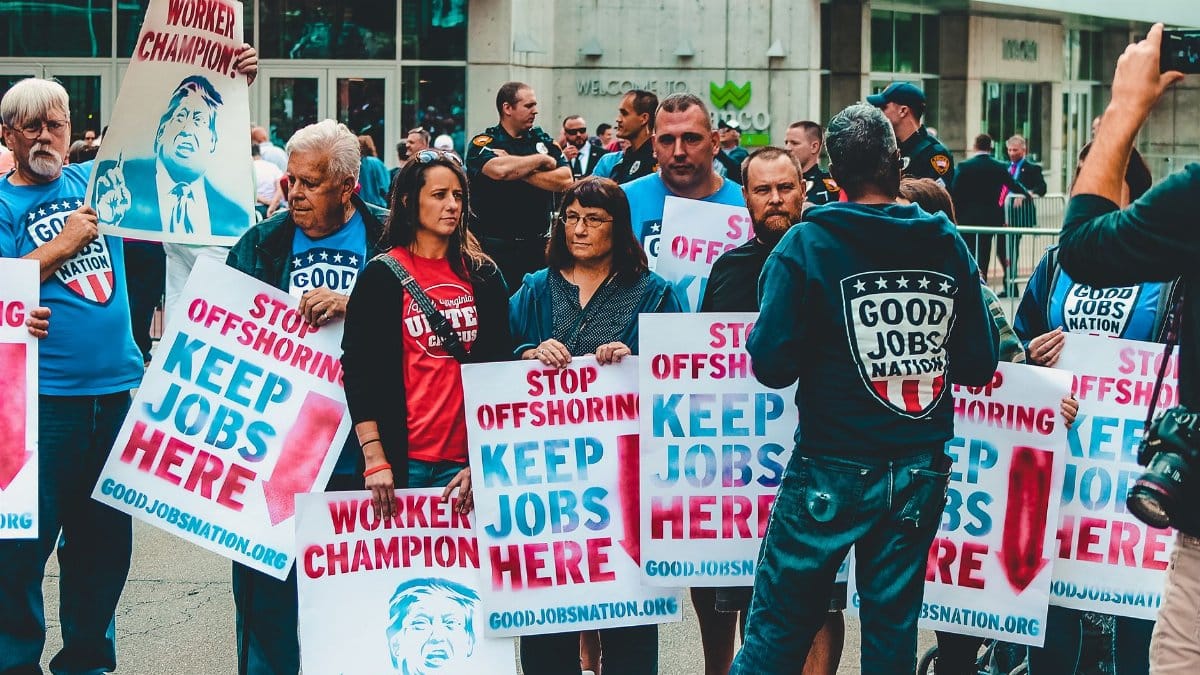
When companies scale back or move portions of their work to other locations employment opportunities shrink particularly in fields that once attracted skilled workers seeking stable positions with room for advancement. Communities notice the change through slower population growth and reduced demand for local services.
Regional Comparisons in Policy Approach

States with lighter oversight frequently attract firms that once operated within California borders leading to shifts in economic activity that benefit those alternative locations over time. Observers note that such movements alter the competitive balance and influence decisions about where to establish headquarters or research facilities.
Pressures on Emerging Companies

Startups face unique difficulties when navigating complex approval processes that demand significant time and expertise often diverting attention from the creative work essential to their success. Many founders report delays that allow competitors in less regulated areas to gain market ground first.
Insights From Published Correspondence

The letters emphasize a recurring theme that balanced approaches could preserve protections without undermining the conditions necessary for commercial vitality and sustained investment interest across multiple industries.
Extended Economic Projections

Analysts project continued challenges if current trends persist with potential declines in overall output and reduced appeal for both domestic and international participants seeking reliable environments for growth initiatives.
Ethical Dimensions of Oversight

From a perspective aligned with broader human values some correspondents suggest that policies should reflect compassion for those building livelihoods through enterprise rather than solely emphasizing restrictions that may unintentionally limit opportunities for many families dependent on steady commercial activity.
Considerations for Future Adjustments

Thoughtful revisions could involve clearer guidelines and streamlined procedures that maintain necessary safeguards while restoring an atmosphere more conducive to innovation and the positive developments readers hope to see reemerge in coming years.