
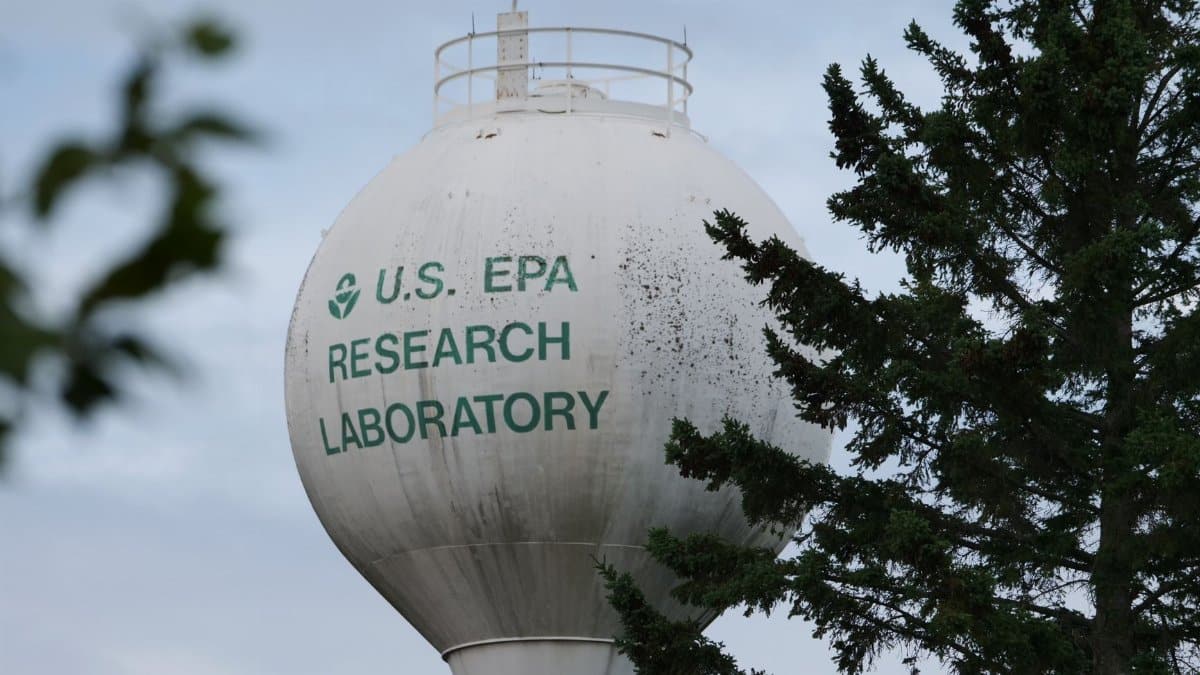
Along the banks of the Chehalis River in Cosmopolis Washington an aging industrial facility has become the focus of federal intervention. Authorities are taking steps to address hazardous materials that threaten both the waterway and nearby residents. This situation brings attention to the EPA pulp mill cleanup process and its implications for environmental protection in rural communities across the nation. The pulp mill in question has stood idle for years yet continues to pose risks due to deteriorating storage tanks containing acids that are now leaking.
Origins of the Facility and Its Operations
The pulp mill once served as a major employer in a region where timber processing supported families for decades. Built in the middle of the twentieth century the site processed wood into paper products drawing on local resources and creating a steady flow of goods to markets. Over time shifts in the industry led to its closure leaving behind equipment and stored chemicals that required careful oversight.
Current Conditions at the Abandoned Location
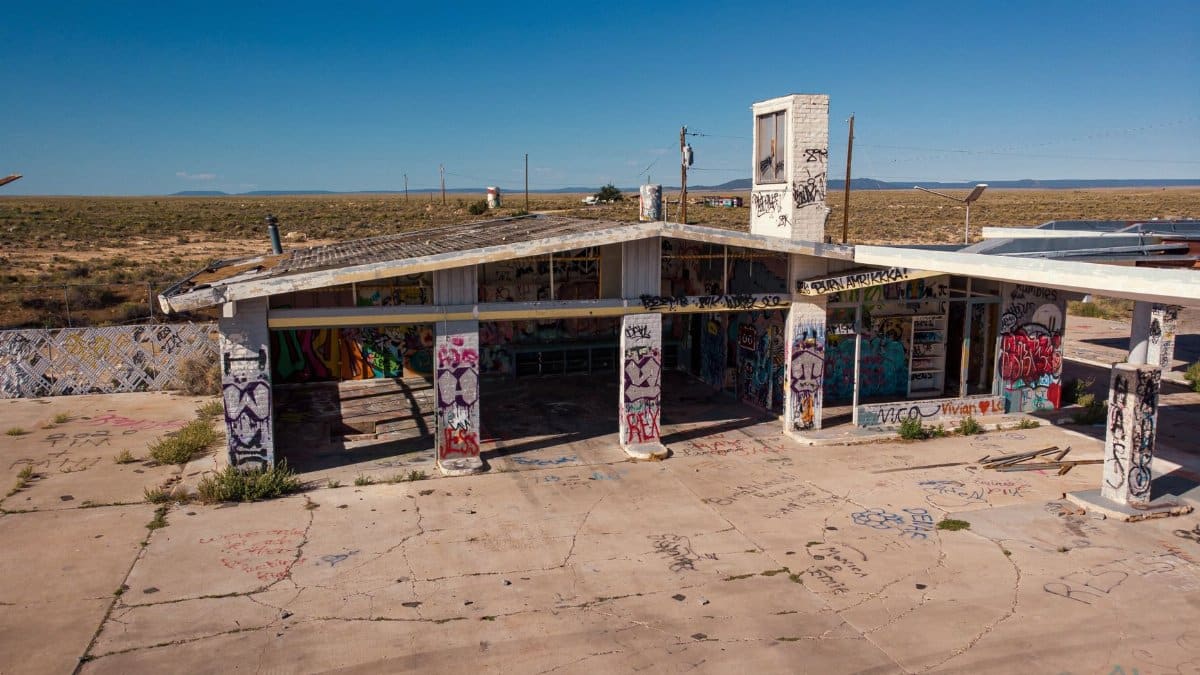
Inspectors have documented corrosion in several large vessels holding acidic solutions. These containers have begun to release their contents slowly into surrounding soil and drainage systems. The gradual escape of materials raises concerns about long term effects on local water quality and soil stability in the immediate area.
Role of Federal Oversight in Waste Management
The EPA pulp mill cleanup directive requires the owner to extract and transport hundreds of thousands of gallons of the acids to approved disposal locations. This order stems from assessments showing the potential for wider contamination if action is delayed. Officials emphasize that timely removal protects both the river ecosystem and public access to safe drinking sources downstream.
Potential Effects on the Chehalis River System
Acids entering the river could alter water chemistry and harm fish populations that local communities rely upon for food and recreation. Monitoring programs already track changes in pH levels and sediment composition. Early intervention aims to prevent these shifts from becoming permanent features of the waterway.
Community Perspectives and Daily Life Impacts

Residents in Cosmopolis and surrounding towns have voiced worries about odors and possible health effects from the site. Some recall earlier periods when the mill operated and brought economic activity while others focus on restoring the area for future generations. Public meetings have allowed neighbors to share observations and ask questions about safety measures during the removal process.
Technical Steps in the Planned Extraction

Specialized crews will use containment barriers and pumping systems to transfer the acids into secure tankers. Each phase includes testing to verify that no additional releases occur during handling. Transportation routes have been selected to minimize travel near sensitive habitats and populated zones.
Legal Framework Guiding the Enforcement Action

Federal statutes provide the basis for requiring responsible parties to address legacy pollution at closed industrial properties. In this instance the EPA pulp mill cleanup order includes deadlines and reporting requirements to ensure compliance. Failure to meet these terms could result in further legal proceedings and additional costs.
Broader Lessons for Similar Sites Nationwide

Many former manufacturing locations face comparable challenges with stored chemicals and aging infrastructure. The approach taken here may serve as a model for coordinating between regulators property owners and local governments. Sharing information about effective techniques helps reduce risks at other facilities in various states.
Economic Considerations Around Site Restoration
Cleanup activities can create temporary jobs for skilled workers while also preparing the land for alternative uses. Property values in the vicinity often stabilize once contamination sources are eliminated. Long term benefits include opportunities for new development that aligns with community goals for growth and conservation.