
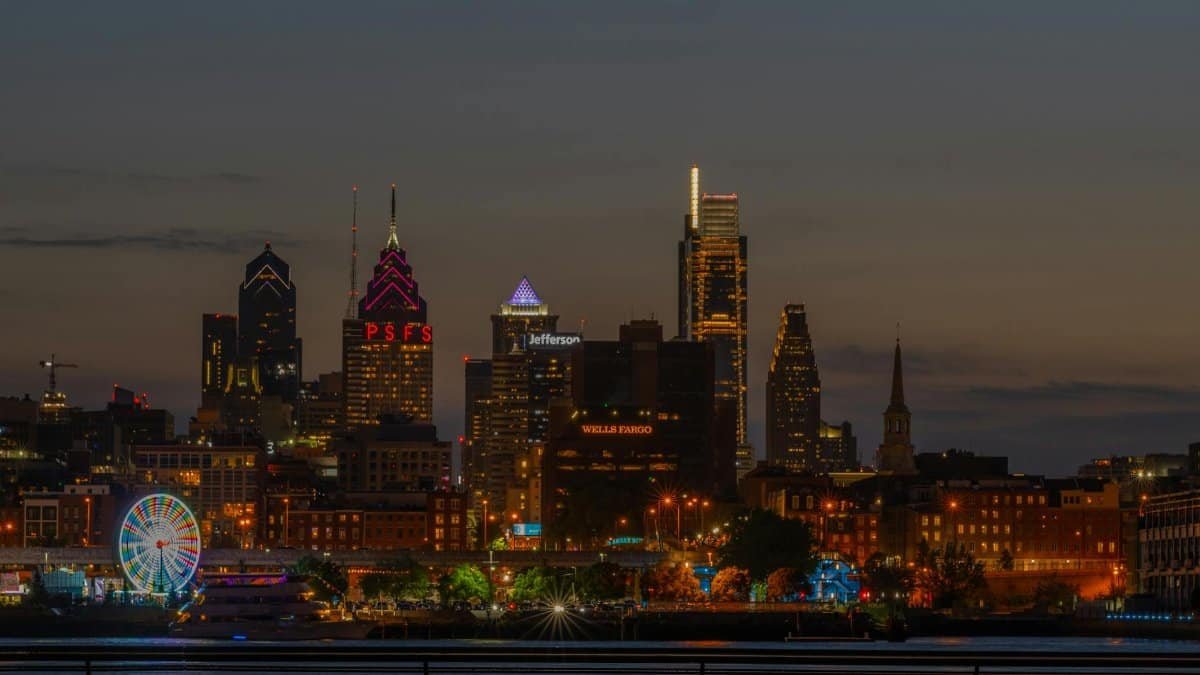
Across Philadelphia neighborhoods where steeples pierce the sky and congregations gather weekly a quiet revolution is underway. It centers on the most basic element of life and liturgy: water. In response to persistent questions about purity and safety local authorities and volunteers have launched expanded philadelphia water testing efforts. These programs seek to address long held fears about contaminants that could affect not only physical health but also the sense of peace and trust that spiritual practices require. For many middle aged residents raising families and reflecting on their legacies the quality of what they drink has taken on profound importance. It is a matter that bridges the material and the sacred. Community forums have seen standing room only crowds as people seek both data and reassurance that aligns with their deepest values.
The Rise of Community Activism

What began as scattered complaints has grown into a coordinated movement. Neighborhood associations have partnered with environmental advocates and spiritual organizations to push for more rigorous oversight. Petitions circulate regularly calling for increased funding and independent verification of water safety. This activism reflects a desire for control over ones environment especially among those who have witnessed gradual changes over the years. Middle aged residents in particular often bring a perspective shaped by decades of community involvement. They understand that sustained pressure is necessary to achieve lasting change.
The energy is palpable at town halls where grandmothers and retired professionals speak with equal passion. Their voices carry the weight of lived experience and a spiritual conviction that every person deserves resources that support rather than undermine wellbeing.
Water as a Symbol of Life and Faith

In many spiritual traditions water holds a central place. It cleanses. It renews. It sustains. From the rivers of baptism to the holy waters of other faiths the element is more than H2O. It is a metaphor for divine grace. In Philadelphia this symbolism has taken on new urgency as doubts about water quality spread. Faith leaders have begun to incorporate messages about environmental stewardship into their sermons. They remind congregants that caring for the waters that flow through their city is part of their spiritual mandate. This fusion of ecology and theology has energized many middle aged believers who see it as a way to live out their principles in concrete ways.
One local minister described how his congregation organized a prayer vigil focused on the rivers that supply the city. Participants reflected on biblical passages about living water while learning about the technical aspects of water monitoring. Such events illustrate how philadelphia water testing has transcended the laboratory to become a community wide spiritual practice.
The Historical Context of Infrastructure Struggles

Philadelphia boasts one of the oldest public water systems in the nation. Built in an era when industrial activity dominated the landscape this system has faced ongoing challenges. Decades of wear on pipes and treatment facilities have led to occasional violations and public skepticism. Understanding this background helps explain why current testing initiatives resonate so strongly. Residents are not reacting to a single incident but to a cumulative sense of vulnerability. For those with deep roots in the city these issues feel personal. They want to protect not only their own health but the heritage they hope to pass to children and grandchildren.
Inside the Laboratories Conducting Tests

Advanced equipment now plays a key role in the philadelphia water testing underway at various facilities. Technicians examine samples for lead microbial contaminants and a range of chemical compounds. The process is meticulous involving multiple stages of analysis to ensure accuracy. Results are then shared with both officials and the public through online portals and community meetings. This transparency represents a significant shift from past practices when information was harder to obtain. Scientists emphasize that most samples meet federal standards yet they acknowledge that even low levels of certain substances can raise questions especially for sensitive populations.
Key Findings from Recent Analyses

Early results from these testing rounds have been mixed. While the majority of locations show safe levels some older neighborhoods have registered higher traces of metals. Experts stress that context matters and that the city has invested millions in upgrades. Still the data has prompted further investigation into specific sources of pollution. For spiritually inclined residents these findings carry extra weight. They see any threat to purity as a call to action a reminder of humanitys responsibility to safeguard the natural world entrusted to us.
A report from the Environmental Protection Agency offers additional perspective on national trends in urban water supplies. View the EPA water quality resources here.
Faith Communities Take a Leading Role

Churches synagogues and mosques across the Philadelphia region have not remained on the sidelines. Many have hosted informational sessions invited experts to speak and even funded independent testing in their areas. This involvement stems from a belief that justice includes access to clean resources. Middle aged parishioners often at the heart of these institutions bring both wisdom and determination to the cause. They recall past environmental battles and see this as the latest chapter. Their participation adds a moral dimension to what could otherwise be a purely technical discussion.
Understanding the Science Behind the Scenes

For those without a background in chemistry the details of water analysis can seem daunting. Yet the basics are accessible. Testing looks for bacteria that could cause illness as well as heavy metals like lead that accumulate over time. Newer concerns include substances known as PFAS which resist breakdown in the environment. Educators from local universities have created simple guides to help residents interpret the numbers. This educational push aligns with spiritual values of empowerment and knowledge. Informed individuals can make better choices and advocate more effectively for improvements.
Effects on Daily Life and Spiritual Practice
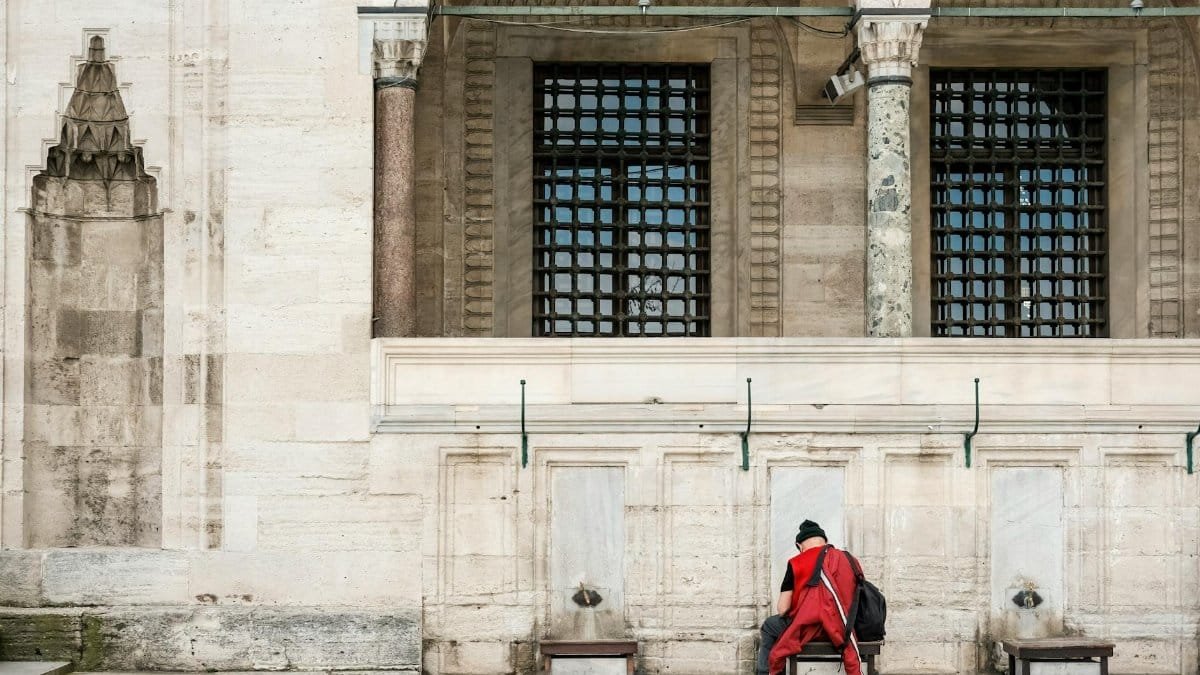
The possibility of contaminated water affects more than physical wellness. It can erode the sense of security needed for mental and spiritual health. Families may hesitate to use tap water for cooking or bathing. Some have turned to bottled alternatives though that brings its own environmental costs. In spiritual terms the anxiety can interfere with the peace sought through prayer or reflection. Recognizing this connection leaders encourage a balanced approach that combines practical precautions with trust in collective action to improve conditions.
Government and Organizational Responses
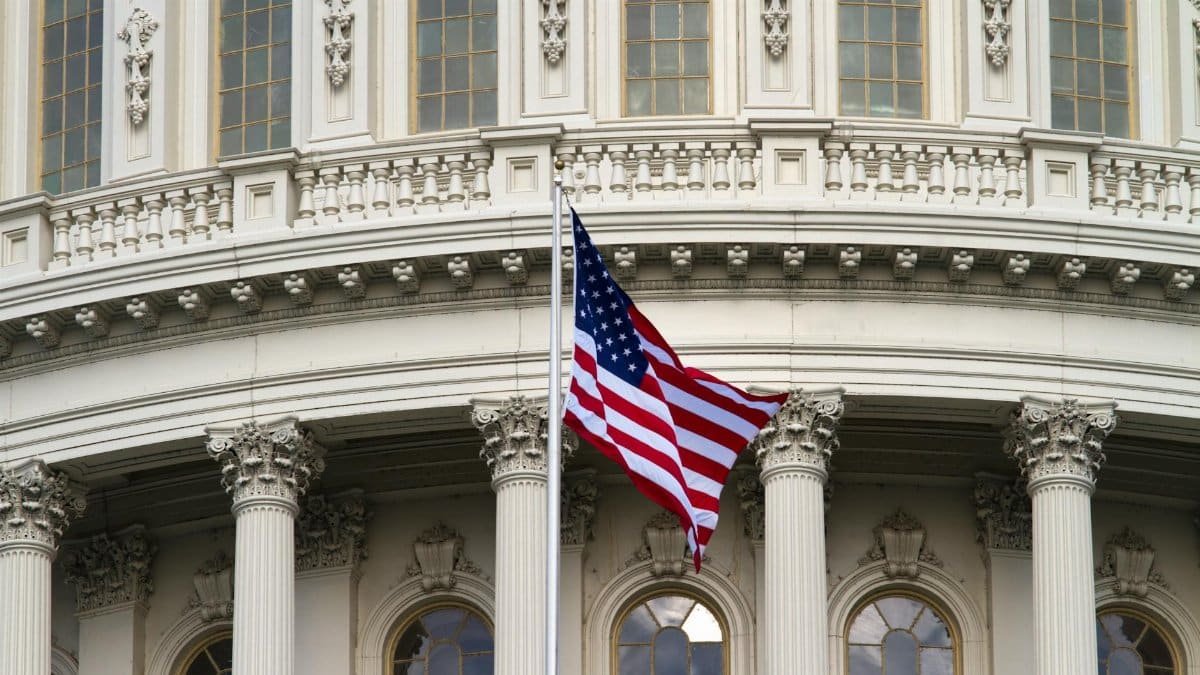
City officials have responded to the concerns by increasing the frequency of philadelphia water testing and releasing results more promptly. Partnerships with nonprofit groups have expanded the reach of these efforts allowing for more comprehensive coverage. Funding has been allocated for infrastructure repairs with a focus on the most vulnerable areas. These steps while welcomed by many also invite ongoing scrutiny to ensure they deliver real change. The collaboration between public agencies and private citizens sets a model for other cities facing similar issues.
Empowering Residents with Knowledge and Tools

Education remains a cornerstone of the current initiatives. Workshops teach people how to read water quality reports and when to consider home filtration systems. Spiritual centers have integrated these lessons into their adult education programs viewing them as acts of compassion and care. Residents learn not only about threats but also about the positive actions they can take. This empowerment fosters a sense of agency that resonates with spiritual teachings on stewardship and community support.
Simple measures such as using certified filters or flushing pipes before use can reduce risks significantly. Community sharing of best practices has created networks of support that extend beyond water issues to other areas of neighborhood well being.
Inspiring Stories from the Front Lines

Amid the technical reports and policy debates human stories stand out. One group of retirees in Northeast Philadelphia banded together to monitor local streams and share data with authorities. Their persistence led to the discovery of a small pollution source that was quickly addressed. In another instance a coalition of churches raised funds to install advanced filtration in low income housing. These examples show how determination rooted in spiritual conviction can yield tangible results. They offer hope that collective effort can overcome even entrenched problems.
Charting a Path Toward Sustainable Solutions

Looking to the future Philadelphia aims to integrate the lessons from its water testing programs into broader sustainability plans. This includes exploring green infrastructure investing in treatment technology and fostering a culture of conservation. Spiritual communities are well positioned to promote these values drawing on teachings of respect for the earth and all its inhabitants. As the initiatives continue to unfold they promise to strengthen not only the physical infrastructure but also the social and spiritual bonds that hold the city together. The journey toward truly clean water is long yet each step brings the community closer to a sense of wholeness and renewal.