
Traffic across the Washington Bridge came to an abrupt stop one morning in late 2023, stranding commuters and exposing long standing weaknesses in state infrastructure. The incident quickly turned into a political crisis for Dan McKee Rhode Island governor, whose administration faced sharp questions about oversight and response times. What began as an engineering failure soon evolved into a broader reckoning with leadership that has left him trailing badly in the polls.
The Sudden Closure and Its Ripple Effects

Residents who rely on the span for daily travel described hours lost in detours and missed appointments. Local businesses near the affected routes reported sharp drops in customer traffic. State engineers later confirmed corrosion issues that had gone unaddressed for years despite prior inspections. The episode highlighted gaps in maintenance protocols that critics say should have been caught earlier.
McKee’s Rise Through State Politics
McKee entered statewide office after years in local government and the legislature. He ascended to the governorship following the departure of his predecessor and won a full term in a competitive race. Supporters at the time praised his focus on education funding and small business support. Yet the bridge episode has overshadowed those earlier efforts and raised doubts about his capacity to manage large projects.
Current Polling Shows a Steep Decline
Recent surveys place the governor roughly twenty points behind his primary challenger. The margin has widened since the bridge closure became a daily topic in local media. Voters in suburban areas that once backed him now express frustration over commute times and perceived inaction. Campaign aides point to external factors such as inflation, but internal polling tells a different story of eroding confidence.
Democratic Primary Dynamics at Play

The rematch against a familiar opponent has forced McKee to defend his record in unusually direct terms. Debates have centered on procurement processes and emergency preparedness rather than traditional policy contrasts. Party activists who stayed neutral in the last cycle now openly question whether he can unify the ticket for November. Fundraising has slowed as donors wait to see whether the gap narrows.
Infrastructure Oversight Under Scrutiny
Federal highway officials have requested additional documentation on how Rhode Island allocates repair funds. Lawmakers in the statehouse have scheduled hearings to examine whether earlier warnings were ignored. Contractors involved in the bridge project have faced subpoenas for records dating back several years. These reviews continue even as temporary fixes allow limited traffic to resume.
Public Sentiment and Media Coverage
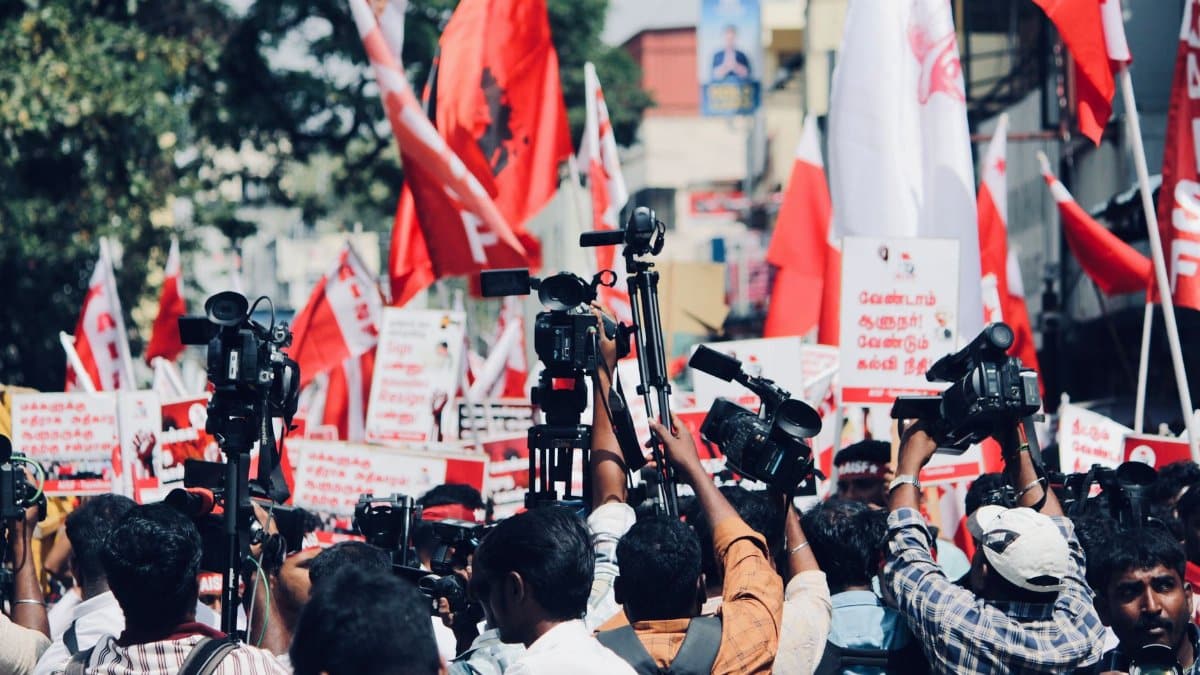
Letters to the editor and call in radio shows reveal widespread irritation that extends beyond the immediate inconvenience. Editorial boards have called for clearer accountability from the executive branch. National outlets have begun to list Rhode Island among states where an incumbent faces an unusually difficult primary. The tone of coverage has shifted from routine to skeptical in a matter of months.
Broader Economic Concerns for Voters
Housing costs and energy prices remain top issues in voter surveys across the state. McKee has promoted tax credits for redevelopment projects, yet progress has been uneven in older mill towns. Small manufacturers cite supply chain delays that compound the effects of the bridge closure. These overlapping pressures create a difficult environment for any sitting executive seeking reelection.
Looking Toward November and Beyond

Even if McKee survives the primary, the general election presents additional hurdles in a state that has trended Democratic but remains sensitive to pocketbook issues. Potential Republican opponents are already running ads that tie the bridge problems to wider questions of competence. The outcome will likely influence how future governors approach capital planning and public communication during crises.