
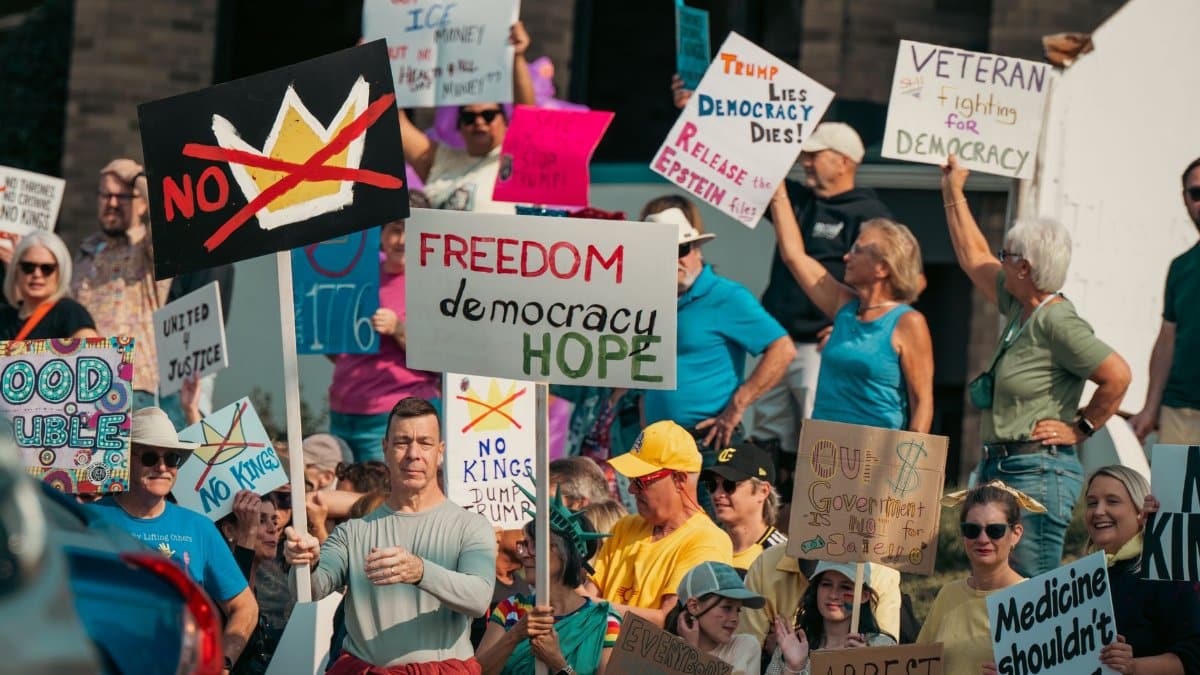
In a crowded chamber at Miami City Hall last week, residents lined up for hours to share personal stories of fear and division, urging leaders to reconsider ties that blur the line between city policing and federal immigration work. The room grew quiet at times as speakers described strained relations with local officers, and the session revealed deep divisions over how far municipal government should go in supporting national enforcement priorities. One after another, they framed their appeal around the Miami ICE Agreement 287g Exit Debate, insisting the partnership no longer serves the interests of a city built on diverse neighborhoods.
Origins of Local Federal Cooperation

The 287g program began more than two decades ago as a way for state and local officers to receive training from federal agents. In Miami the arrangement allowed certain police personnel to question individuals about immigration status during routine stops. Over time the scope expanded, drawing both praise from supporters of stricter border controls and criticism from those who see it as an overreach that erodes everyday trust between residents and officers.
Public Pressure at the Commission Meeting

Dozens of speakers addressed the city commission directly, many citing specific encounters in which routine traffic matters led to extended detention. They argued that the visible presence of immigration checks discourages people from reporting crimes or seeking help from first responders. Several longtime residents recalled a different era when local departments focused solely on neighborhood safety rather than layered federal mandates.
Arguments Offered by Program Defenders

Supporters of the current setup maintain that it removes individuals with serious criminal records from the streets more quickly. They point to data shared by federal agencies showing arrests tied to prior convictions for assault or drug trafficking. City officials who back continuation say the training and resources provided through the partnership strengthen overall law enforcement capacity without shifting core duties away from local priorities.
Effects on Neighborhood Trust

Community organizations presented surveys indicating lower rates of cooperation with police in areas with higher immigrant populations. Families described avoiding contact with officers even when facing domestic issues or property crimes, worried that any interaction could trigger secondary screening. This reluctance, they contend, ultimately weakens the ability of police to solve cases that affect everyone in those districts.
Legal and Budget Questions for the City

Analysts note that Miami shoulders certain administrative costs tied to the agreement, including staff time for reporting and coordination. Some commissioners asked whether those resources might be redirected toward violence prevention or youth programs. Others raised concerns about potential liability if federal policies change abruptly or if court rulings limit the role of local officers in immigration matters.
Experiences Shared by Miami Families

A grandmother recounted how her son, a lawful permanent resident, faced questioning after a minor traffic stop that later proved unfounded. A small business owner described losing employees who chose to relocate rather than risk repeated encounters. These accounts added a human dimension to the policy discussion, showing how enforcement ripples through households that have lived in the city for generations.
Lessons from Other Jurisdictions

Several counties in neighboring states have scaled back or ended similar arrangements in recent years, citing both cost and community relations. In those places, officials reported modest shifts in arrest patterns but improved dialogue with immigrant advocacy groups. Miami leaders have begun reviewing those outcomes to gauge whether a similar adjustment could fit local conditions without compromising public safety metrics.
Next Steps in the Ongoing Discussion

The commission has scheduled follow up sessions to examine data on program results and hear from additional experts. Advocates hope for a formal review process that includes public input, while law enforcement representatives stress the need for any changes to preserve access to federal databases. The outcome will likely influence how other Florida cities approach their own arrangements in the months ahead.