
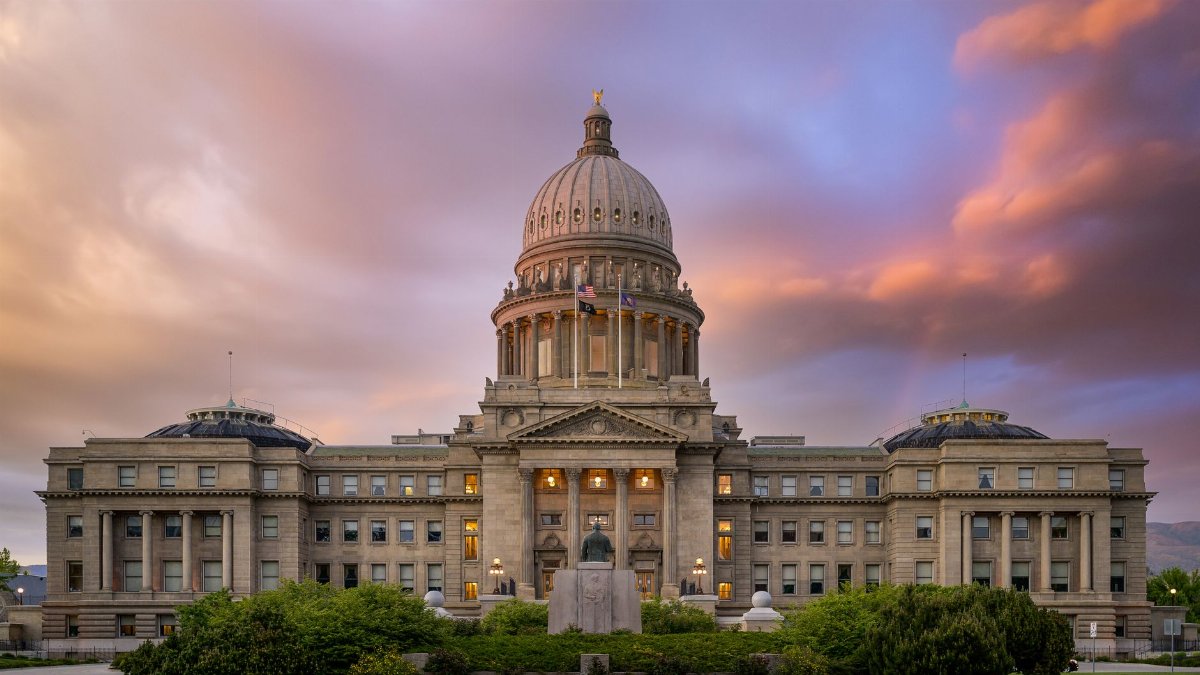
On a cold spring morning in Boise, the conversation at a downtown coffee counter was not about taxes or school bonds. It was about which rifle ought to stand beside the state flower and the state bird. That small, strange civic question is the Idaho state gun vote, and it lands on Tuesday as the state tries to mark America’s 250th birthday with a symbol that is both familiar and fiercely contested.
A birthday framed by a firearm
Idaho already keeps a long shelf of official emblems. There is a state tree, a state fish, a state insect, even a state dinosaur. Lawmakers decided the national anniversary deserved something more pointed. They put an official state firearm on the ballot and asked voters to choose. The gesture is ceremonial. It does not change who may buy a gun, where a gun may be carried, or how a crime is charged. Still, symbols have a way of telling a place what it wants to believe about itself.
The timing is deliberate. The United States is moving toward the 250th anniversary of the Declaration of Independence, and states are hunting for local ways to join the pageant. Some will restore monuments. Some will stage parades. Idaho chose a vote. In a state where hunting season is a calendar event and a rifle in a truck rack draws little notice, the choice feels, to many residents, less like provocation than like inventory.
What voters are actually deciding
The ballot does not ask whether guns belong in Idaho life. That argument was settled, in practice, long ago. The question is narrower and, in its way, more revealing. Which firearm best represents the state. Supporters of the measure describe it as heritage, a nod to settlement, ranch work, and the militia tradition written into the federal Constitution. Critics hear a different message. They hear a legislature more eager to celebrate a tool of force than to address the costs that tool can impose.
Because the choice is symbolic, the campaign has been quieter than a tax fight and louder than a typical state symbol bill. Yard signs are scarce. Talk radio is not. In church basements and grange halls, people argue about history, taste, and whether a government ought to anoint a weapon at all.
How Idaho talks about guns without raising its voice
Spend a week in the state and the ordinary presence of firearms becomes obvious. A hardware store sells ammunition beside work gloves. A high school parking lot holds more pickup trucks than compact cars, and some of those trucks carry locked cases for weekend hunts. Urban Boise is not rural Owyhee County, yet both places treat gun ownership as a default rather than a statement.
That ease is what makes the Idaho state gun vote feel, to its backers, almost redundant. If the culture is already settled, why vote. The answer they give is visibility. An official firearm, they say, puts Idaho on the record at a moment when national politics treats every rifle as a partisan badge. Opponents answer that visibility is exactly the problem. A state seal should gather people. A state gun, they fear, will sort them.
The people who will mark a box

At a gun shop south of Nampa, a clerk named Dale described the vote as a compliment. He has sold rifles to grandparents buying a first deer gun for a teenager and to newcomers from California who want to learn what their neighbors already know. He does not expect the official designation to move a single unit of inventory. He expects it to settle an argument at the dinner table about whether Idaho is embarrassed by its own habits.
Across town, a retired teacher named Marisol said she will vote no, or vote for the mildest option if a no box is not enough. She grew up around hunting. She also sat with a colleague after a student brought a family handgun to a parking lot argument. For her, the anniversary of independence should be about the promise of self government, not the hardware that sometimes guards it and sometimes wounds it. Both Dale and Marisol will stand in the same line on Tuesday. That is the quiet drama of the thing.
Lawmakers and the urge to designate
State capitols love designation bills. They are inexpensive, photogenic, and rarely vetoed. A flower does not lobby. A fossil does not sue. A firearm is different because it arrives already loaded with national meaning. Sponsors in the Idaho Legislature framed the bill as patriotism with a local accent. They spoke of pioneers, of the Nez Perce War only in passing and often poorly, and of the Second Amendment as a kind of state motto.
Democrats and a handful of uneasy Republicans asked why this symbol and why now. They noted rural hospital closures, teacher shortages, and water fights that actually change lives. The majority answered that a people can do more than one thing at once. They can fund roads and also pick an emblem. Whether voters accept that answer is the point of sending the question out of the marble building and into the counties.
History, memory, and what gets left out
Any official story edits. Idaho’s gun history includes fur trappers, homesteaders, and the armed enforcement of removal and reservation policy against tribal nations. It includes labor conflict in the mining towns and the modern surge of tactical firearms marketed for self defense rather than for elk. A single state gun cannot hold all of that. It will hold the version that wins.
Historians who study western memory warn that anniversary projects often sand down the rough grain. The safer emblems, the syringa flower, the mountain bluebird, do not ask anyone to account for violence. A firearm does, even when the ballot language stays polite. Voters who treat the choice as harmless pageantry may be surprised by how long the winning image stays in textbooks and tourism brochures.
A national habit of local symbols
Idaho is not the first state to flirt with an official gun, and it will not be the last to use a birthday as an excuse for identity politics in miniature. Across the country, legislatures have designated official minerals, official dances, and official cookies. The pattern is the same. A constituent writes a letter. A sponsor likes the photo opportunity. A committee hearing lasts twenty minutes. What changes in this case is the object. Cookies do not appear in homicide statistics. Rifles do.
That does not make the Idaho state gun vote a public safety bill. Analysts who track firearm policy say symbolic votes rarely move death rates. What they move is the weather of politics. They tell activists which issues a majority is willing to bless in public. They give campaigns a clip for the next cycle. In that sense the ballot is less about steel and walnut than about permission.
Faith, civic ritual, and a mismatched category
Some congregations have treated the week as a chance to talk about stewardship and fear. In a Wednesday evening circle in Twin Falls, a pastor asked his people to separate love of neighbor from love of a particular tool. He did not tell them how to vote. He did ask them not to confuse a state emblem with a sacrament. The room was uneasy in the way rooms get when politics enters through the side door of a prayer meeting.
The unease is instructive. Idaho’s religious life is predominantly Christian and predominantly conservative, but it is not a single choir. LDS wards, evangelical churches, Catholic parishes, and a growing number of unaffiliated residents do not share one theory of the gun. The vote forces a civic ritual, the private marking of a box, onto a question some believers would rather leave in the realm of personal conscience.
Commerce, tourism, and the souvenir problem
If a design wins, someone will print it. State gift shops already sell magnets of the capitol dome and the cutthroat trout. An official firearm invites a sharper kind of merchandise, and with it a sharper kind of argument about taste. Tourism offices prefer images that photograph well against the Sawtooths. A rifle can do that. It can also confirm the stereotype that outsiders already carry when they fly into Boise and expect a costume western.
Local makers see a smaller, more practical opening. Custom engravers, leather workers, and museum curators may get a season of attention. Whether that attention outlasts the news cycle is doubtful. Symbolic designations rarely create industries. They create captions.
What Tuesday will not settle
Polls on this question are thin, and anyone quoting a precise margin is guessing. Rural counties are likely to embrace the idea. Parts of Ada County may narrow the gap or reject it. Turnout will depend on what else shares the ballot and on whether spring weather keeps people home. A low turnout would not erase the result. It would, however, let both sides claim that the true Idaho stayed on the couch.
The morning after, the laws on background checks, concealed carry, and school safety will look exactly as they did the morning before. That continuity is the strongest argument for calm and the strongest argument for frustration. Calm, because a symbol is not a statute. Frustration, because a state that can organize itself to pick a gun can also organize itself to do harder work, and often does not.
Reading the result without a slogan
Journalists will be tempted to treat the tally as a referendum on the Second Amendment itself. That reading is too large. Idaho voters are not being asked to repeal a constitutional right or to invent one. They are being asked which object deserves a line in the state code beside the western white pine. A wide margin will say the culture is confident. A narrow margin will say the culture is arguing with its own reflection.
Either way, the Idaho state gun vote belongs to a broader American habit. We keep trying to pour complicated histories into single emblems, then we act surprised when the emblem leaks. The leak is not a failure of the voters. It is a property of the container.
The line at the precinct
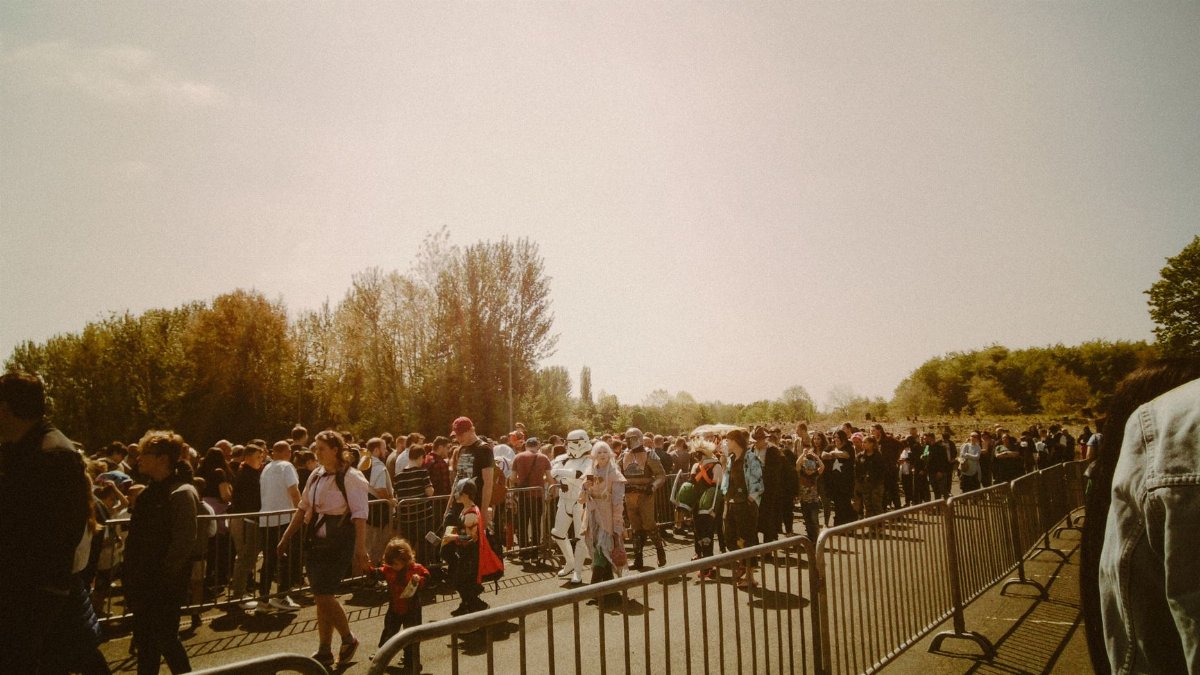
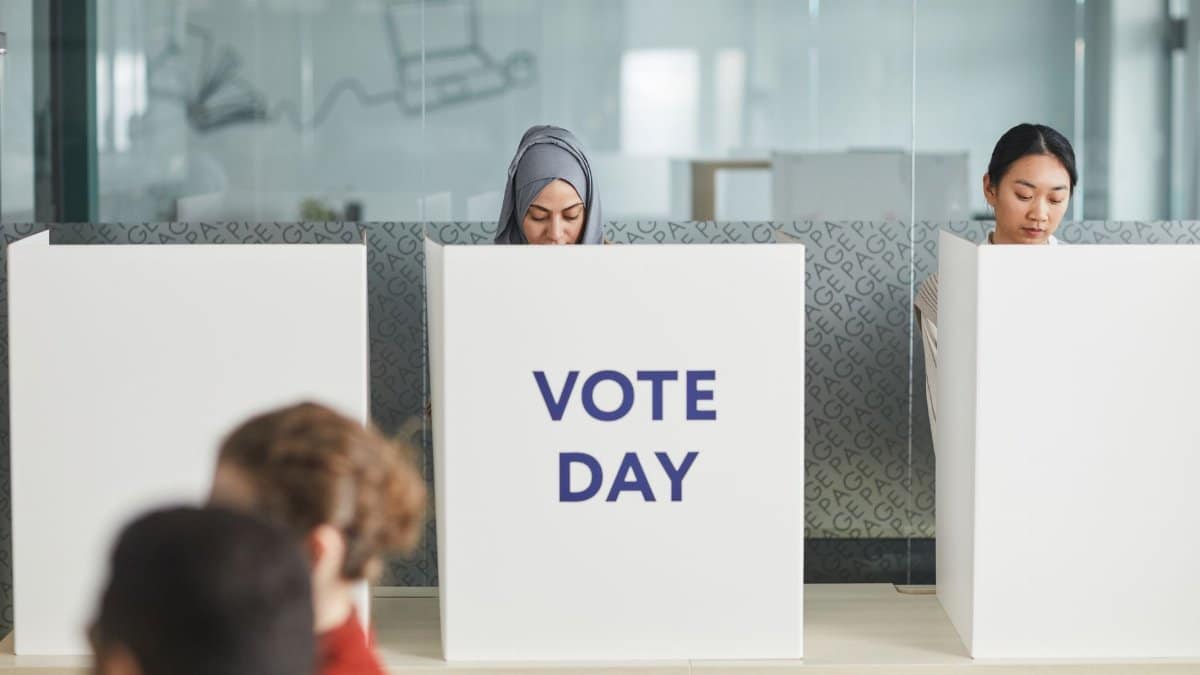
On Tuesday the procedure will be plain. A voter will show identification, take a ballot, and pause over a question that sounds almost whimsical until the weight of it arrives. Some will choose quickly, the way they choose a favorite team. Some will stand longer than they expected, thinking of a father who taught them to shoot, or of a name read aloud at a vigil, or of both.
I have watched enough local elections to know that the most consequential moments often look administrative. A folding table. A felt tip pen. A volunteer who has done this for twenty years and wants to get home for supper. The Idaho state gun vote will pass through that ordinary machinery and come out the other side as a story the state tells about itself for years. Whether the story is generous enough to include the people who flinch at it is the part no ballot language can guarantee.
By nightfall the counties will report numbers, and someone will declare a winner. The rifle, or whatever design prevails, will not fire a shot in celebration. It will sit in statute, clean and official, while Idaho goes back to the harder business of living with the real ones.