
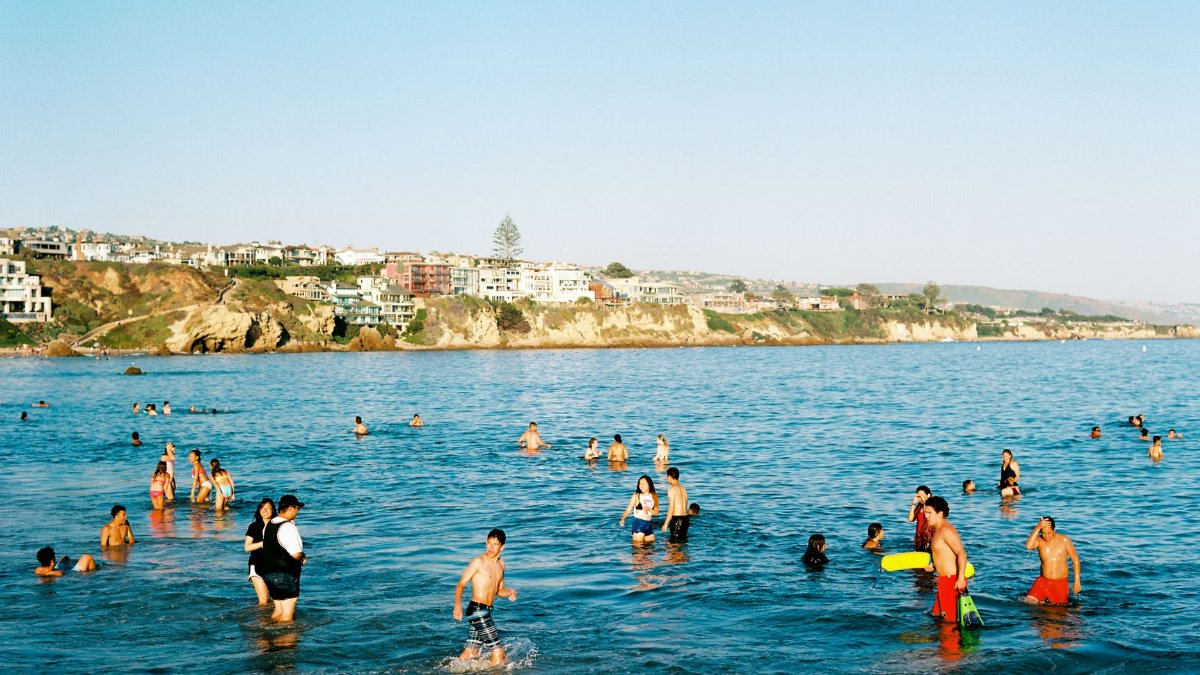
On a bright October morning in Newport Beach, water that belonged beyond the sand instead crossed the boardwalk and pooled in parking lanes, turning a short drive into a cautious crawl. People stood at the edge of the harbor and watched the Pacific climb with the clock. City crews placed cones where curbs vanished under a thin, insistent sheet. Meteorologists and emergency managers have been using a plain phrase for the mess: SoCal high tides flooding. What many hoped would be a single difficult night has stretched on, with alerts covering Newport Beach, Long Beach, and other low stretches of shore through Friday.
A coastline that no longer waits for storms
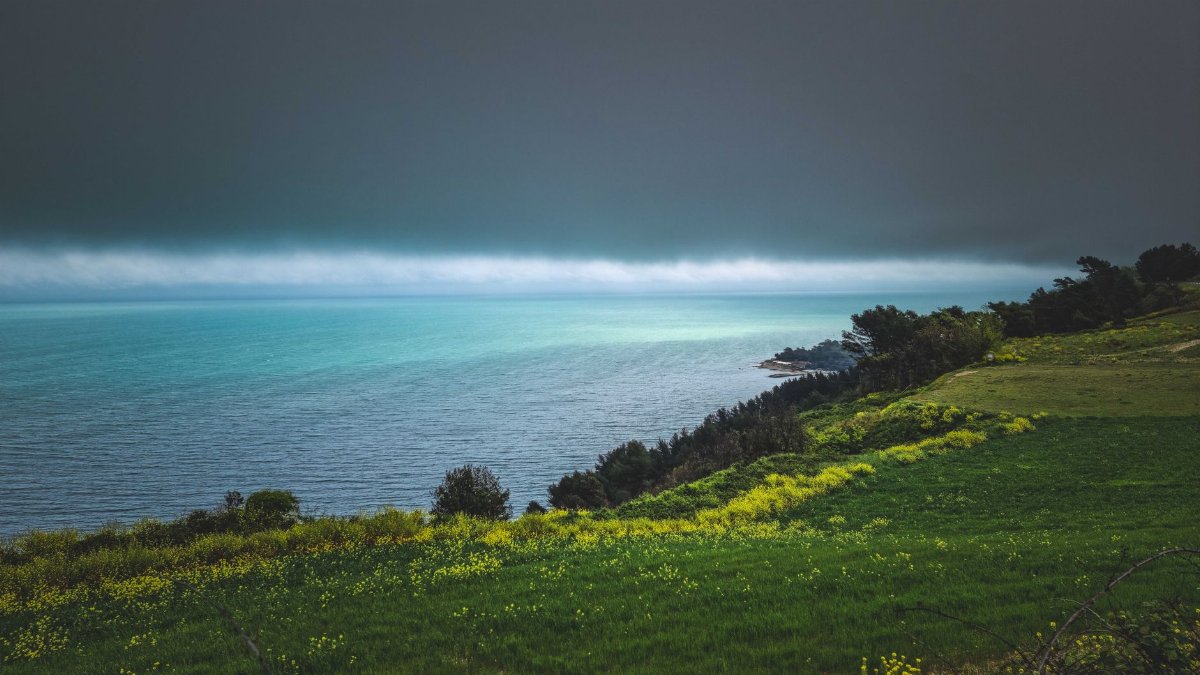
Southern California is used to drama from the ocean, but usually that drama arrives with wind, rain, or a storm parked offshore. This stretch of days has often looked ordinary from a kitchen window. The trouble is the tide itself, lifted by a seasonal alignment of moon and sun that pushes water higher than a routine afternoon high. Where streets sit only a little above the harbor, that extra lift sends water over the wall and into daily life.
The pictures repeat. Sidewalks shine. Drains run the wrong way. A car left in a familiar spot comes back with salt dried on the mats. None of this needs a dark cloud. It needs a built edge that sits close to the water, and a tide that keeps testing that edge. For people who live a block inland, the week can still feel abstract. For people whose front steps face the channel, it is the week itself.
Newport Beach and the harbor streets
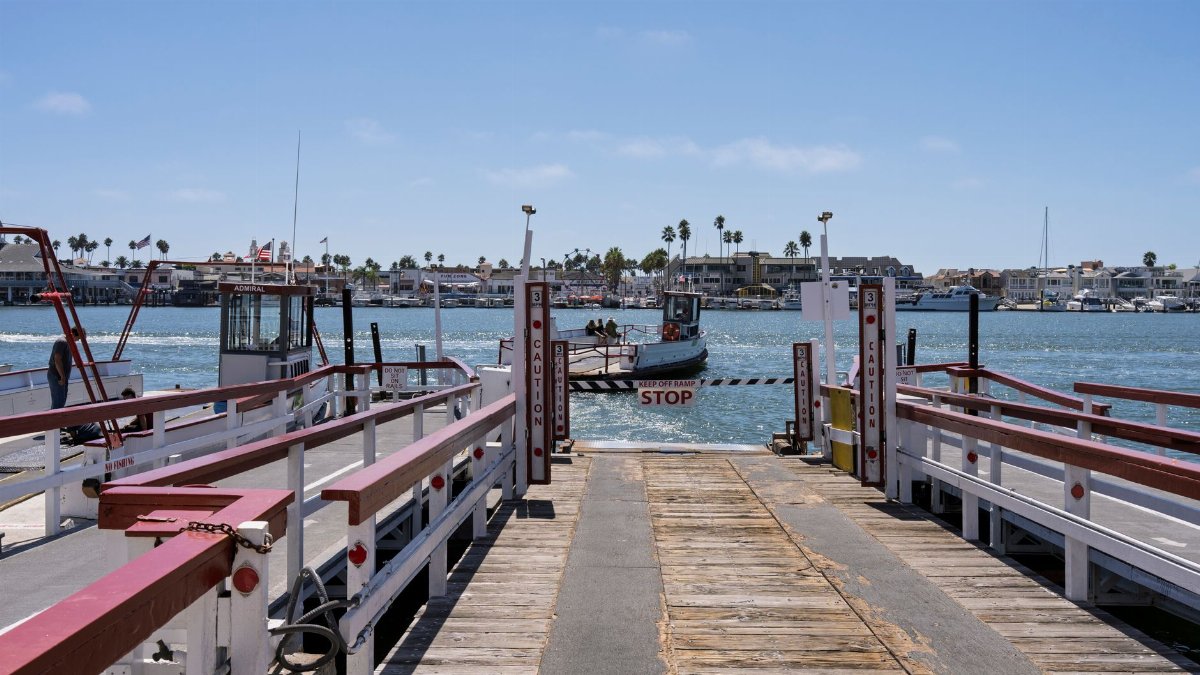
Newport Beach has become one of the clearest classrooms for this kind of flooding. Balboa Island and the streets that ring the harbor sit low, and residents know the calendar of big tides the way other towns know the first hot week of summer. When the water is up, it does not always announce itself with a wave. It seeps. It finds the gap under a gate. It turns a corner that was dry at breakfast into a shallow lake by lunch.
Shop owners along the peninsula talk about moving stock a shelf higher and warning customers that the usual lot may be closed. Parents reroute the school run. Joggers hop the wettest planks and then give up and turn around. The inconvenience is not cinematic. It is repetitive, and repetition is what wears people down. A single soaked afternoon can be a story. Several in a row start to feel like a condition.
Long Beach and the working waterfront
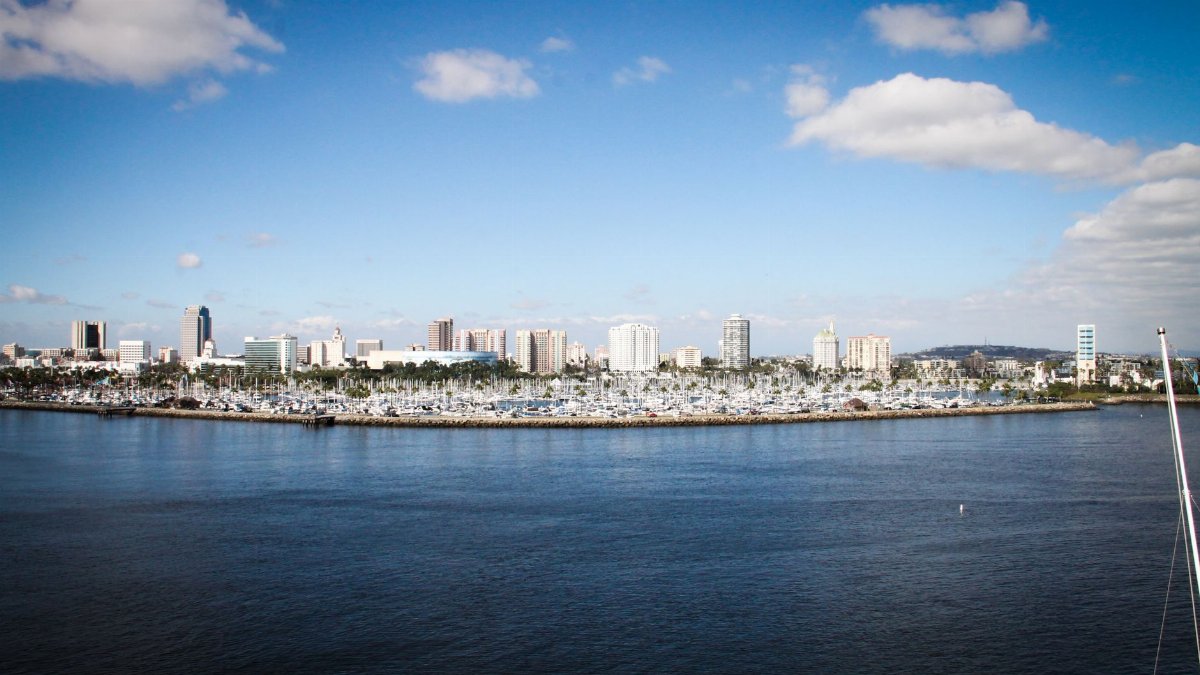
Long Beach tells a related story with a different cast. Naples and other canal neighborhoods see the same quiet invasion, while the broader waterfront has to think about piers, paths, and the people who work near the water rather than merely live beside it. A flooded walkway is a nuisance for a visitor and a hazard for someone pushing a cart or guiding a bike at dusk.
City staff in both places have spent the week doing unglamorous work: checking pumps, refreshing barricades, answering the same questions from people who thought the worst had already passed. That last point matters. When an alert is extended, trust depends on clarity. Residents can accept a wet Friday if they understand why Thursday did not end the problem. They resent surprise. The ocean does not negotiate, but the messaging around it can still be precise.
Why the water climbs even under a clear sky
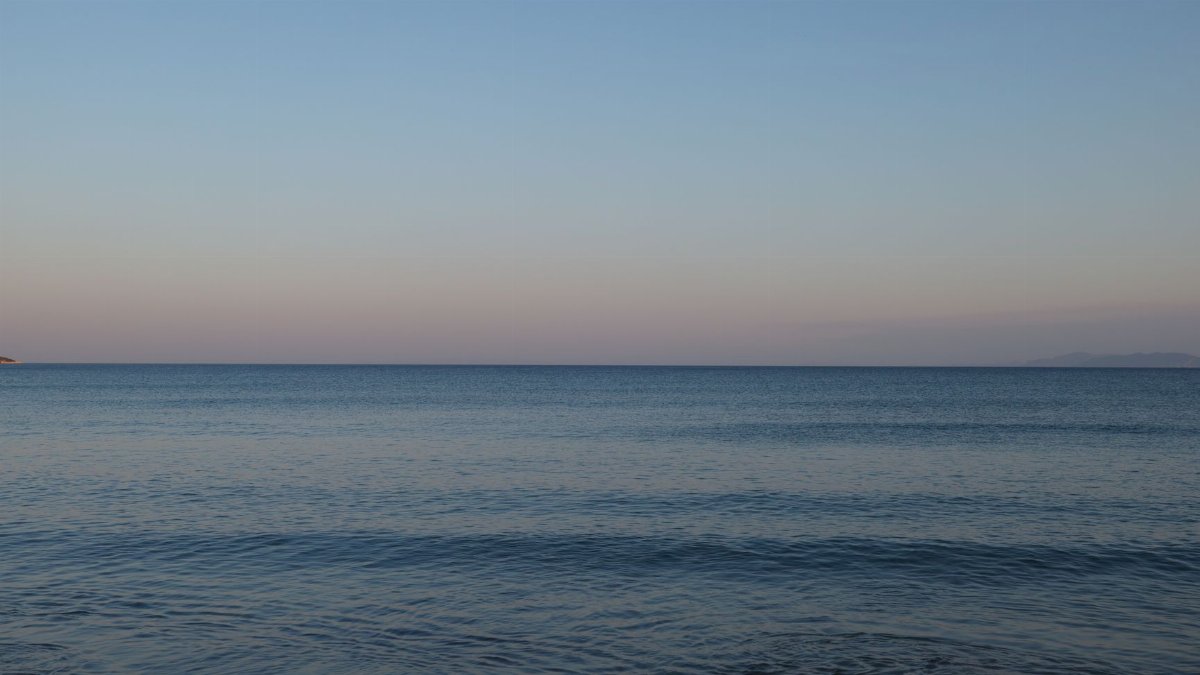
Tides are a clock, not a mood. The moon pulls, the sun adds or subtracts, and the shape of the coast decides how that pull shows up at a given pier. Around a full or new moon, highs run higher and lows run lower. When the moon is also nearer Earth, the range grows again. Southern California sees this every year. What changes is how much dry land remains between that high and the things people care about: doorways, electrical boxes, the first step of a stair.
SoCal high tides flooding is what that geometry looks like when the margin disappears. A few extra inches, repeated over several cycles, fill places that used to drain. Wind can worsen it if it blows toward shore, and a higher background sea means the same astronomical event reaches farther than it did a generation ago. You do not need a new theory to explain a wet curb. You need a memory of where the water used to stop.
Advisories that refuse to expire on schedule

The practical news is duration. Alerts tied to SoCal high tides flooding have been extended through Friday, covering Newport Beach, Long Beach, and other coastal communities rather than a single famous pier. An extension sounds bureaucratic until you are deciding whether to leave a car on the street overnight. Then it is the only sentence that matters.
Forecasters watch successive high tide windows, not one peak. If the next cycle can still top the same walls, the advisory stays. That can feel like officials are moving the goalposts. In fact they are following the water. Friday is the current edge of the forecast, not a magical ending. If winds shift or a later cycle runs higher than expected, the map can change again. The useful message is narrower than a promise: watch the next high, not the headline date alone.
What officials want people to do before the next high

The advice is plain because the water is plain. Move vehicles out of lots that flooded yesterday. Do not drive through water that hides the pavement. Salt water is hard on engines, and depth is easy to misjudge. Secure trash carts and anything else that can float into a drain. Check on neighbors who have trouble with stairs or who keep medical equipment near the floor. If you walk a flooded path, assume it is slick and that a drain may be open under the shine.
Cities can place cones and sandbags. They cannot stand in every driveway. The gap between a regional alert and a dry living room is still filled by small decisions made an hour before the peak. That is unsatisfying if you want a single fix. It is also how these weeks are actually lived.
Damage that does not look like a disaster
Insurance conversations get awkward, because the harm is often cumulative rather than catastrophic. A warped floorboard. Corrosion on a hinge. A pump that ran all night and now sounds tired. Businesses lose hours, not necessarily a whole season. The photographs that travel online tend to show the dramatic curb. They show less of the cleanup, which is mops and the particular smell of harbor water indoors.
There is also a split that flooding makes visible. People with a second parking spot, a flexible job, or a house set a little higher can treat the week as an annoyance. People whose shift starts when the tide is up, or whose only entrance faces the canal, absorb it as lost wages and real risk. A serious account of this coastline has to hold both truths. The misery is not evenly assigned.
Living with a higher baseline
The longer question is not whether a single October will be remembered. It is whether streets designed for an older sea can keep their promise. Raising roads, improving pumps, rethinking where new housing meets the water, and restoring some natural buffers are all discussed in coastal plans across the state. None of that work is quick. All of it costs money and forces arguments about who pays and who is asked to move.
Residents sometimes hear those debates as distant. Then a week like this arrives and the abstract becomes a pair of wet shoes by the door. SoCal high tides flooding will not replace earthquakes or wildfire in the regional imagination. It may become one of the most regular teachers. Regular problems are easy to underestimate until they stop being occasional.
How to read Friday and the days after

Friday is the date now attached to the advisory, and it deserves respect without superstition. If the high tides ease, crews will pull barricades and the harbor can look like itself again by evening. If they do not ease, the same blocks will flood on the same schedule, and patience will turn into pressure. Either way, the useful habit is local. Know the time of high water near your exact shore, not a regional average, and look at the street rather than the forecast alone.
I have walked enough wet coastal towns, on earlier assignments, to distrust any sentence that calls a soaked week unprecedented and then moves on. The more accurate line is quieter. This is what the edge of Southern California feels like when the tide is high and the land is low, and when that combination lasts longer than a news cycle prefers. The misery is tacked on, one day after another, until the water decides it is finished.