

In a quiet neighborhood of Edina where tree lined streets meet daily commutes, the city council gathered one evening to settle a question that had divided neighbors for months. Residents filled the room to discuss plans for resurfacing Wooddale Avenue, with some hoping for added space for cyclists and others concerned about losing room for their cars. After careful review the council voted unanimously to keep parking in place and turn down new bike facilities. This choice reflects broader tensions in suburban planning where safety, convenience and community input often pull in different directions. The outcome leaves the Edina bike lane project on hold for now while officials consider other options for improving mobility across the area.
Origins of the Street Resurfacing Debate
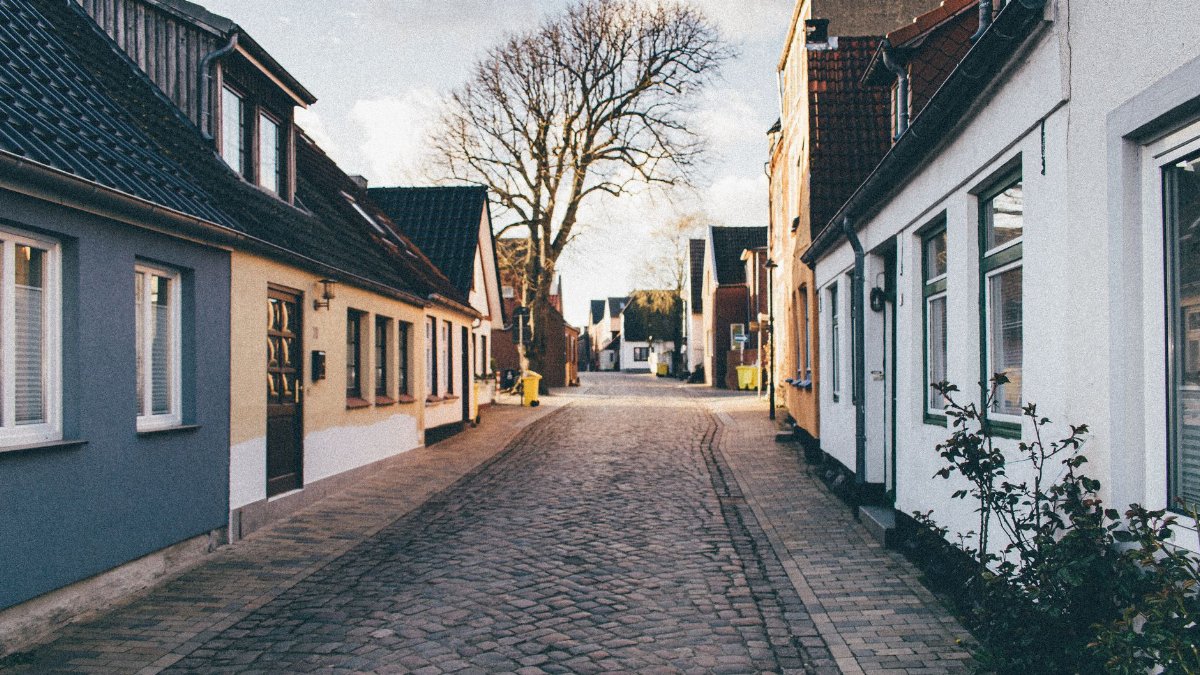
Wooddale Avenue has long served as a main route for local traffic in this Minneapolis suburb. City engineers first proposed updates during routine maintenance planning, noting that the pavement needed replacement to address cracks and drainage issues. Early sketches included painted lanes for bicycles alongside the existing car spaces. Public notices went out inviting feedback, and soon the conversation expanded beyond simple repairs into questions of how streets should serve everyone who uses them.
Resident Voices at Public Meetings

Many homeowners along the corridor spoke at hearings about their reliance on street parking for guests and family members. Some described narrow driveways that already limit options during winter snow removal. Others noted that adding dedicated cyclist space might slow emergency vehicles or delivery trucks on an already busy stretch. These personal accounts carried weight with council members who represent districts where single family homes predominate.
Council Deliberations and Final Vote

During the decisive session each council member highlighted the need to balance competing interests. They reviewed traffic counts showing moderate bicycle use compared with steady car volumes. After reviewing cost estimates for restriping and signage the group concluded that preserving the current layout made the most practical sense at this time. The unanimous decision avoided further division and allowed resurfacing work to proceed without added complications.
Implications for Local Traffic Patterns
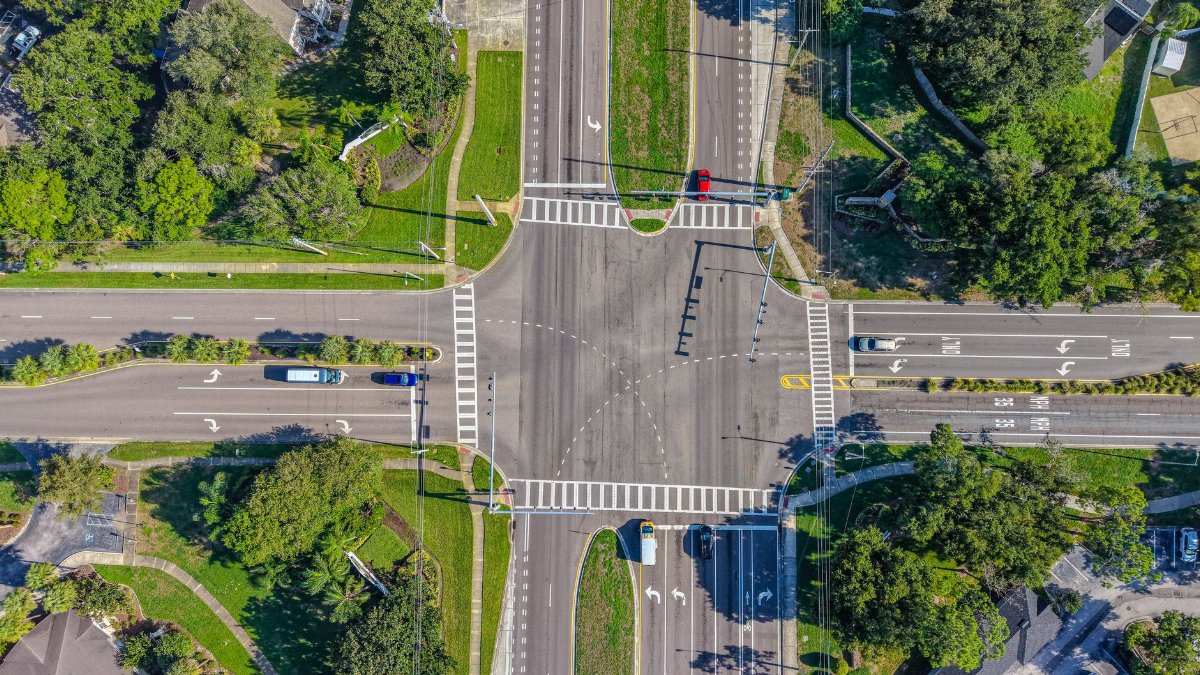
Keeping the avenue as is means drivers will continue to find familiar parking spots near shops and homes. Cyclists will rely on the existing shared roadway markings rather than protected paths. City staff expect this arrangement to maintain current speeds while planners monitor any changes in accident reports over the coming year. Nearby intersections may receive minor signal adjustments to improve flow for all users.
Comparisons with Nearby Communities
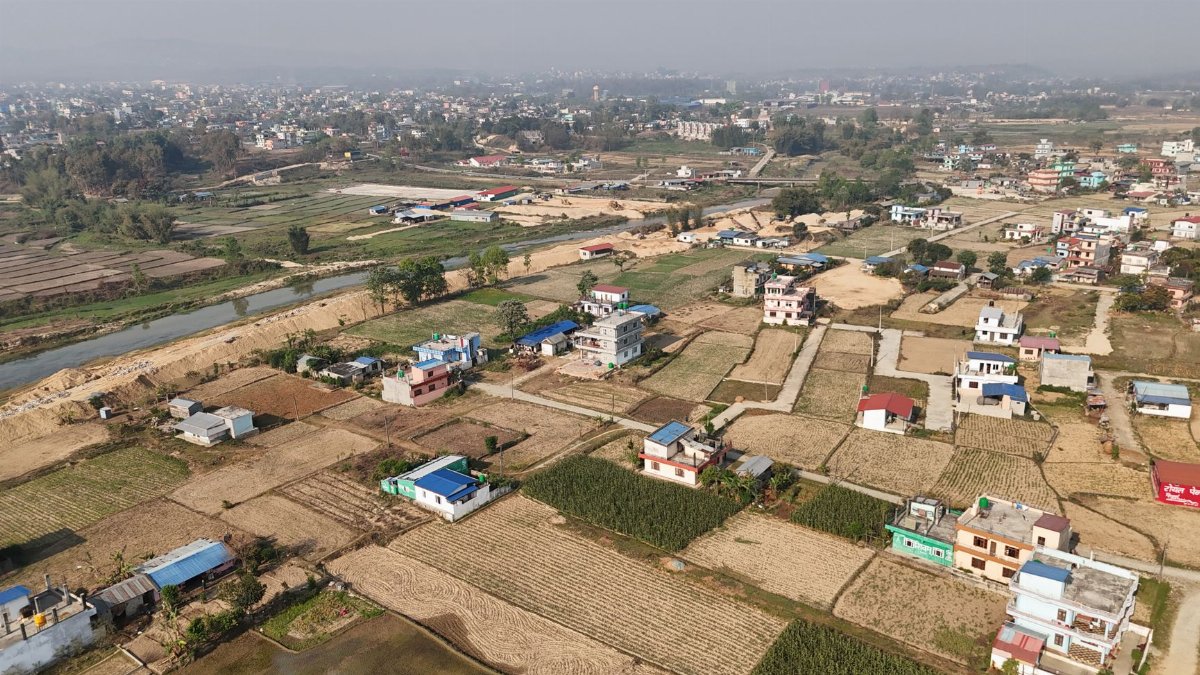
Other suburbs have taken different approaches when resurfacing similar streets. Some have installed temporary barriers to test cyclist accommodations before committing to permanent changes. Edina leaders studied those examples yet decided the local context called for a more cautious path. This choice aligns with preferences expressed by business owners who worried about reduced customer access during construction.
Future Options for Pedestrian and Cyclist Safety

Although the immediate plan for Wooddale Avenue remains unchanged, officials indicated they will explore parallel routes for improved cyclist connections. Sidewalk repairs and crosswalk enhancements could provide safer walking options without altering car parking. Grant applications for regional trail links may offer longer term solutions that do not require changes to this particular avenue.
Broader Lessons on Suburban Infrastructure
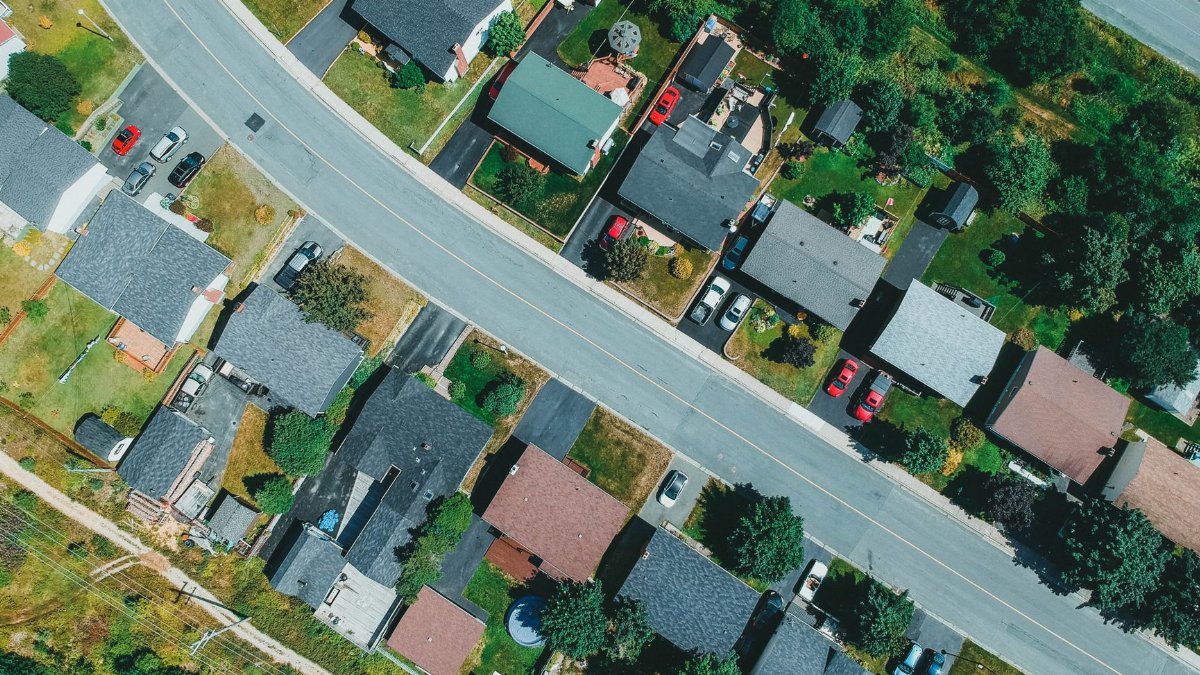
The Edina experience illustrates how even modest street projects can surface deep community values around space and access. Planners elsewhere might draw from the open dialogue process used here to surface concerns early. As more suburbs face aging pavement and shifting travel habits, such debates will likely recur with each new resurfacing cycle.
Next Steps for City Transportation Planning
Staff members will now finalize contracts for the paving work scheduled later this season. A follow up report on traffic conditions is due within eighteen months to assess whether additional measures become necessary. Residents can submit ongoing comments through the city website as patterns evolve with new housing developments nearby.