

On a sweltering afternoon in Baltimore, residents open their utility bills with a sense of dread. The proposed BGE Rate Hike Maryland comes at a time when many households already struggle with rising costs for essentials. This adjustment, which Baltimore Gas and Electric has put forward to regulators, aims to cover infrastructure upgrades and increased demand during peak summer months. Officials estimate it would add roughly eight dollars to the typical monthly electric bill. Such changes ripple through communities where budgets are tight and every expense matters. The utility argues that investments in the grid will prevent future outages and support growing needs from electric vehicles and home improvements.
Background on the Utility Provider
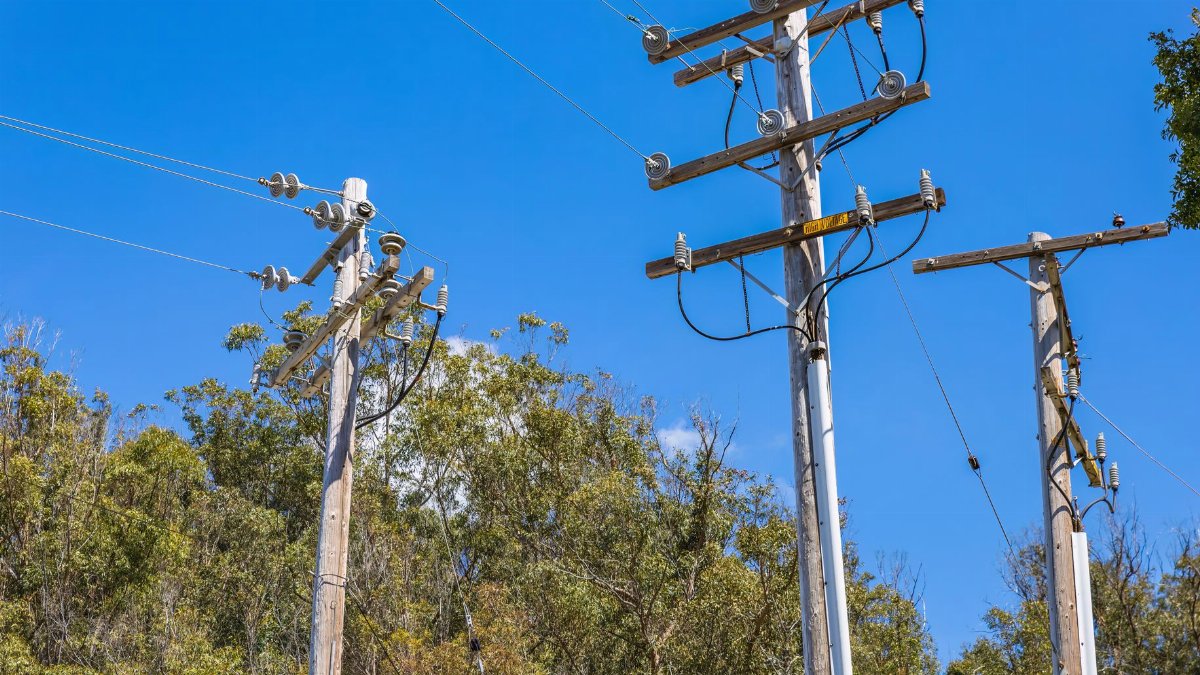
Baltimore Gas and Electric has served the region for generations, maintaining lines that deliver power to homes and businesses across central Maryland. Its network faces constant pressure from aging equipment and expanding suburban development. Company leaders point to recent storms that exposed weak points in the system, leading to prolonged outages for thousands of customers. They say steady funding is required to replace transformers and strengthen poles before problems grow worse. Regulators review these requests through formal proceedings that allow public input and expert testimony. Past cases show a pattern of gradual increases tied to capital projects rather than sudden spikes from fuel costs alone.
Reasons Driving the Current Request

Infrastructure renewal stands at the center of the filing. Crews must address decades old wiring that no longer meets modern reliability standards. At the same time, hotter summers push air conditioning loads higher, forcing the company to secure additional capacity during critical periods. Officials also cite federal rules on grid resilience that require new monitoring systems and backup resources. Without these steps, they warn of more frequent service interruptions that could affect hospitals, schools and manufacturing plants. The proposal spreads costs over several years to limit immediate pain for families already managing groceries, gasoline and health care.
Impact on Household Budgets

An eight dollar monthly rise may appear modest on paper, yet it compounds across thousands of accounts in lower income neighborhoods. Fixed income seniors often keep thermostats low to save money, only to face health risks during heat waves. Younger families balancing rent and child care describe similar tradeoffs when planning for back to school expenses. Local food banks report more requests for help with utility arrears each time rates move upward. Community advocates note that even small additions can push marginal households into arrears, triggering late fees that grow quickly.
Regulatory Review Process

State commissioners examine detailed cost studies submitted by the utility before approving any change. Hearings allow consumer groups, industrial users and environmental organizations to question projections and suggest alternatives. Staff analysts compare the request against similar filings in neighboring states to gauge reasonableness. The schedule calls for a decision later this year, with any approved increase phased in over multiple billing cycles. Transparency measures include posting documents online so residents can review line items related to new substations and smart meters.
Comparisons With Neighboring States

Utilities in Pennsylvania and Virginia have filed parallel requests in recent months, citing overlapping challenges with extreme weather and supply chain delays for equipment. Maryland rates remain somewhat lower than those in parts of New Jersey, though the gap narrows after each round of approvals. Analysts track these trends to understand whether regional economic conditions or policy differences explain the variations. Customers who move across state lines often notice the differences on their first new bill.
Options for Managing Higher Costs
The company promotes budget billing plans that average payments across seasons, reducing surprises in July and August. Rebate programs for efficient appliances and insulation help some households lower overall usage. Community solar projects now under construction offer another path for residents who cannot install panels on their own roofs. Local governments have expanded outreach to connect eligible families with assistance funds administered through nonprofit partners.
Long Term Grid Investments

Beyond immediate repairs, planners look ahead to rising electricity demand from data centers and vehicle charging stations. Upgrades today can accommodate that growth without repeated future disruptions. Environmental organizations urge faster adoption of renewable sources to offset some traditional generation expenses. The utility responds that a diverse mix of resources provides the most reliable service at the lowest long run cost.
Outlook for Customers and Regulators

Final approval or modification of the request will shape bills for years ahead. Residents can submit comments through the commission website or attend virtual sessions scheduled over the coming weeks. Observers expect continued scrutiny of every major expenditure line to ensure value for ratepayers. The outcome will also influence how other utilities approach their own filings in an era of shifting energy needs.