

Travelers across the state prepare for an unusually intense holiday rush as millions plan getaways over the long weekend. Forecasts point to unprecedented volumes on key corridors with California July 4 Traffic projected to exceed prior benchmarks in several regions. Families seek mountain retreats or coastal escapes while commuters face extended delays on routes linking major cities to recreational areas. Officials monitor real time data to adjust staffing and signage in anticipation of the surge.
Highway Volume Expectations

State transportation analysts anticipate daily vehicle counts climbing well above typical summer baselines on interstates serving both urban centers and rural destinations. Routes connecting the coast to inland valleys stand out as particularly vulnerable given overlapping vacation schedules. Data from prior holiday periods show steady growth in departures beginning the day before the observed date and extending through the following Monday.
Bay Area Specific Pressures

Residents in the greater San Francisco region may encounter some of the most pronounced slowdowns on bridges and feeder roads leading outward. Morning and evening peak windows could stretch by several hours as workers combine time off with leisure travel. Local agencies coordinate with neighboring counties to manage spillover onto secondary roads not designed for such loads.
Comparison With Earlier Seasons

Recent years reveal a pattern of incremental increases tied to population growth and shifting work arrangements. The current outlook suggests further elevation driven by pent up demand after earlier restrictions on gatherings. Analysts note that certain corridors already operate near capacity during ordinary weekends making additional volume especially disruptive.
Effects of Flexible Work Arrangements

Many professionals now blend office returns with extended breaks allowing departures midweek rather than clustered on a single day. This diffusion can ease some bottlenecks yet simultaneously lengthens the overall period of elevated movement. Employers report higher rates of approved leave requests clustered around the holiday creating ripple effects on service industries.
Transit Options and Limitations
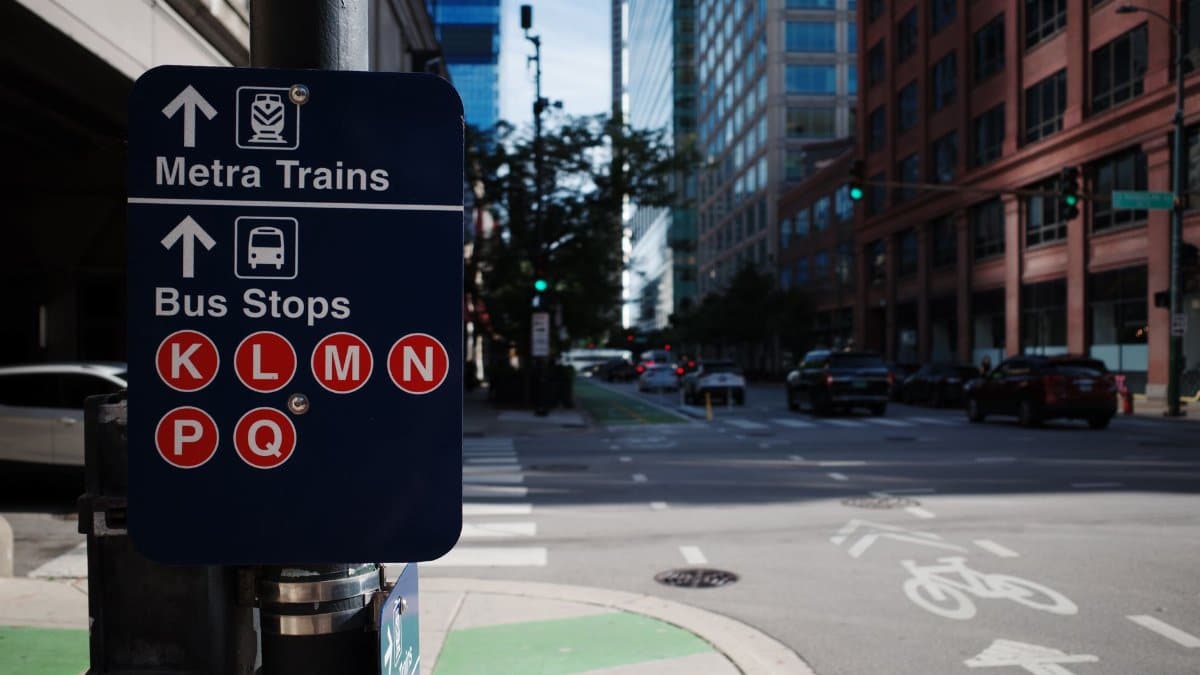
Regional rail and bus networks promote themselves as relief valves yet capacity constraints limit their ability to absorb large numbers of leisure travelers carrying luggage or traveling with children. Schedules often reduce frequency on the actual holiday leaving gaps that push more people back to personal vehicles.
Safety and Enforcement Measures

Patrol presence increases on high risk segments with emphasis on speed compliance and impaired driving prevention. Data collected during similar periods indicate a correlation between longer travel times and fatigue related incidents. Public messaging campaigns urge advance planning and rest stops to mitigate such risks.
Tourism Revenue Implications

Local businesses in destination communities stand to gain from higher visitor counts yet face challenges when access routes become impassable for hours. Hotels and restaurants adjust staffing models to accommodate irregular arrival patterns while fuel retailers prepare for sustained demand at pumps along primary corridors.
Weather Related Variables

Long range outlooks suggest typical summer conditions across most of the state though isolated heat events could further stress older vehicles or prompt additional stops for cooling. Coastal fog remains a separate concern for early morning drivers on western routes where visibility drops without warning.
Advice for Motorists

Advance route monitoring through official applications allows drivers to identify emerging slowdowns and consider alternate paths before committing to a corridor. Packing sufficient water and entertainment for younger passengers reduces the stress of unexpected halts.
Longer Term Outlook

Planners examine infrastructure upgrades and demand management strategies to address recurring holiday strains. Continued population expansion and evolving travel preferences indicate that similar pressures will likely recur in future seasons absent targeted interventions.