
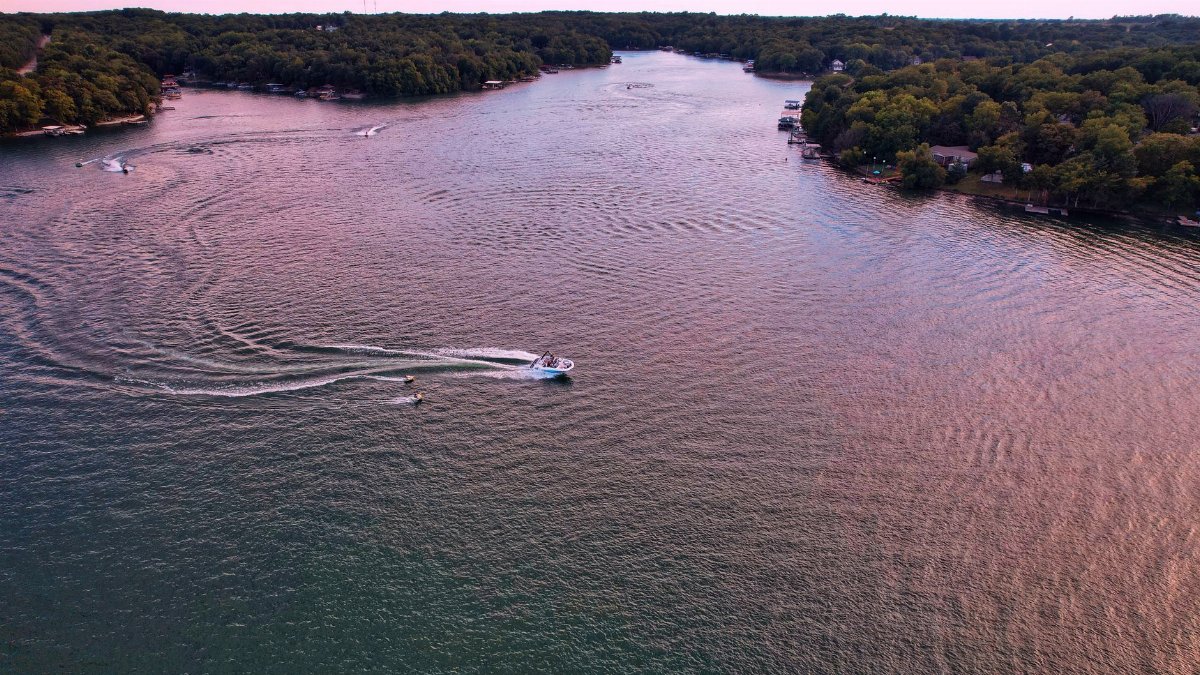
Lake St. Clair has earned fresh attention after Bassmaster magazine placed it on a list of the nations ten premier bass waters. This recognition highlights how a relatively compact freshwater body between Michigan and Ontario continues to draw dedicated anglers year after year. The announcement arrives at a moment when many regional fisheries face pressure from development and changing water conditions yet Lake St. Clair Bass Fishing remains a steady draw for both residents and visitors who value its mix of accessible shorelines and open water structure. Local chambers of commerce note increased inquiries about charters and lodging since the ranking appeared.
Early Reputation and Modern Revival

Records show that serious bass pursuit on these waters dates back decades though the lake once suffered from industrial runoff that reduced public confidence. Cleanup efforts beginning in the late twentieth century gradually restored clarity and fish populations. Today the same areas once written off now host consistent catches that match or exceed those reported on larger neighboring lakes. Guides who have worked the system for thirty years describe a steady improvement in both numbers and average size of fish landed each season.
Distinct Habitat Features That Support Bass
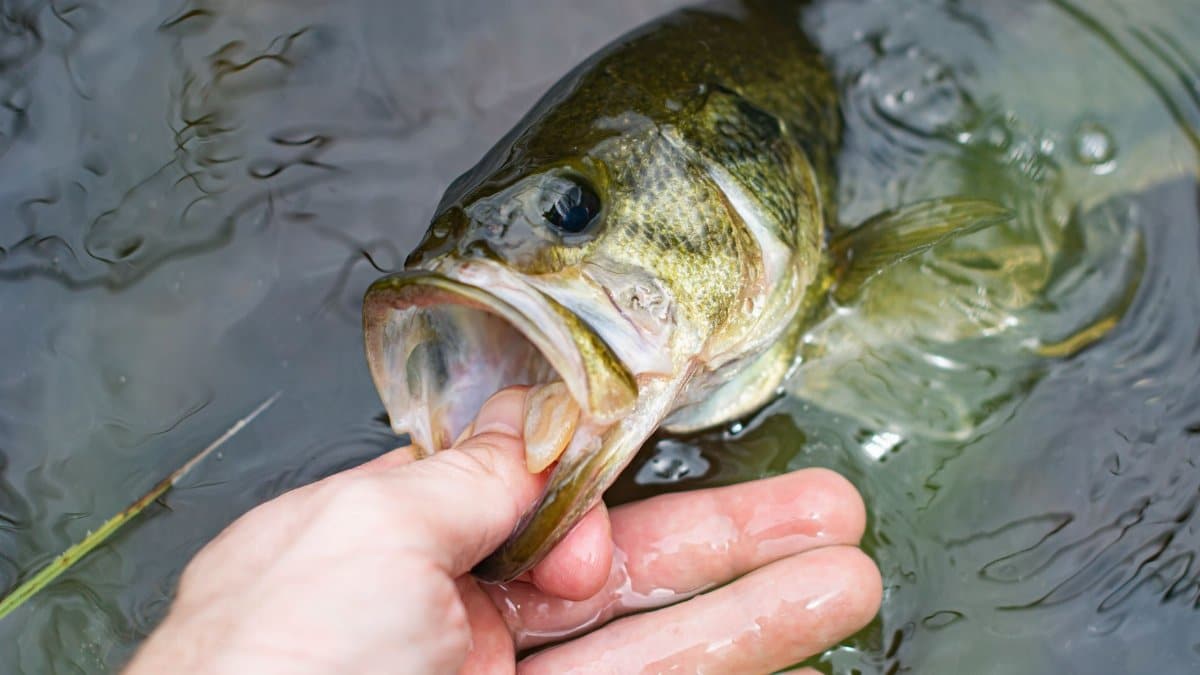
The lake combines shallow flats with deeper channels created by natural river inflows and shipping lanes. These varied depths allow bass to move between feeding zones and resting areas within short distances. Weed beds scattered across the northern and southern ends provide cover while rocky reefs near the center offer ambush points. Such variety reduces the need for long runs and keeps fuel costs reasonable for day trips.
Seasonal Patterns That Shape Success
Spring warming triggers movement toward protected bays where males prepare nests. Anglers report steady action on soft plastics during this window. Summer pushes fish deeper during daylight yet early morning and evening topwater bites remain reliable along weed edges. Fall cooling brings renewed surface activity as prey species school near shore. Winter ice fishing exists on a smaller scale though most serious bass effort pauses until open water returns.
Local Economy and Charter Growth

Marinas along both Michigan and Ontario shores have expanded slip capacity and added guide services in response to visitor interest. Restaurants and tackle shops near launch ramps report stronger shoulder season sales. Property owners who rent cottages note bookings extending further into October than they did five years ago. These trends reflect how sustained fishing quality translates into measurable income for nearby communities.
Techniques Commonly Employed by Regulars

Many experienced locals favor casting crankbaits over flats in moderate wind while others rely on live bait during high pressure periods. Electronics that map bottom composition help identify transition zones where fish stage. A measured retrieve often outperforms aggressive presentations when water clarity rises after calm weather. Sharing such observations among clubs has helped newer participants shorten their learning curve.
Conservation Measures Now in Place
State and provincial agencies coordinate on harvest limits that protect larger breeding females while still allowing reasonable daily limits. Habitat restoration projects funded through fishing license revenue have replanted native vegetation in several bays. Volunteer groups conduct regular cleanups that remove discarded line and other debris. These steps aim to preserve the conditions that earned the current ranking.
Comparisons With Nearby Fisheries
Lake Erie and the Detroit River receive more national publicity yet many longtime participants prefer the shorter travel times and lighter boat traffic found on St. Clair. The smaller surface area concentrates fish in predictable locations during certain months. This concentration can produce higher catch rates per hour for those who learn the patterns compared with vast open water systems that require more scouting.
Visitor Considerations and Access Points

Public launches managed by local governments offer ample parking on most weekdays though weekends fill quickly during peak months. Several marinas provide transient slips and fuel for those arriving by water. Weather can shift rapidly across the open water so checking forecasts before departure remains standard practice. Lodging options range from basic motels to waterfront rentals depending on group size and budget.
Outlook for Continued Quality

Ongoing monitoring by fisheries biologists suggests that current management practices support stable reproduction rates. Climate driven changes in water temperature will require adaptive rules yet the lake has shown resilience in past decades. Continued cooperation across the international border should help maintain the conditions that place Lake St. Clair Bass Fishing among respected destinations.