

In a county where neighbors still leave casseroles on porches and pastors know which families skipped the last clinic, a cluster of measles cases became something larger than a clinical log. The Pennsylvania measles outbreak did not stay inside exam rooms. It moved through group texts, school pickup lines, and county briefings that arrived late or landed in language too cautious to answer the question people were actually asking. By the time officials tried to correct the record, many residents had already chosen a story. Some of those stories were wrong. A few were dangerous. The distance between a confirmed case and a trusted explanation is where this kind of emergency is won or lost, and in Pennsylvania that distance proved wider than the maps suggested.
What the first days failed to settle

Measles announces itself with a fever, a cough, and a rash, but the public story begins earlier, in the hours when a health department knows more than it is ready to say. Families wanted a simple account: who was sick, where exposure might have occurred, and whether anyone had died. Clinicians wanted privacy protected and lab results confirmed. Those instincts are not opposed in theory. In practice they collided.
When official language stays vague, unofficial language fills the gap. A screenshot circulates faster than a press release. A cousin who works at a hospital becomes a source. A local page treats rumor as reporting because no one with a title has yet said, in plain words, what is known and what is not. That pattern is old. It felt new only because the stakes were immediate and the audience was already primed to doubt.
State desks and county phones

Pennsylvania runs public health through a patchwork. The state sets standards, tracks statewide trends, and speaks when an event crosses county lines. Counties often hold the relationships that make a warning believable. During the Pennsylvania measles outbreak, that split became a liability. Messages drafted in Harrisburg did not always match what Lancaster officials were hearing from schools, clinics, and funeral homes. Timing slipped. One office waited for confirmation while another fielded calls that could not wait.
Residents do not experience government as an org chart. They experience it as a voice. If the county says one thing on a Tuesday night and the state says something softer on Wednesday morning, people assume someone is hiding the worse version. The assumption can be unfair. It is also predictable. A joint briefing, even a short one, would have cost less trust than a week of parallel statements.
How a death becomes a narrative

Nothing accelerates misinformation like mortality. Measles can kill, especially young children and people with weakened immune systems, and that fact is not in dispute among physicians. What was in dispute, in kitchens and comment threads, was whether particular deaths in Lancaster County belonged to this cluster, and whether officials were minimizing them.
I have watched this confusion before, in smaller outbreaks, when grief and bureaucracy occupy the same week. A family may describe a measles death because that is how the illness felt in the house. A medical examiner may still be waiting on tests. A politician may repeat the family account because it is vivid and because caution sounds like evasion. None of those speakers is necessarily lying. Together they produce a public record that cannot be reconciled in a single afternoon.
The responsible correction is narrow. Name what has been confirmed. Name what has not. Say when the next update will come. Do not let a vacuum stand in for either compassion or precision. Silence after a reported death reads as guilt even when it is only process.
Lancaster County and the habits of trust
Lancaster County is not a monolith. It holds suburbs, small cities, farm townships, and long settled religious communities whose relationship to state medicine has never been simple. Amish and Mennonite families are often invoked in national coverage as if they were a single refusal. That shorthand is lazy and, in a crisis, unhelpful. Vaccination rates vary by church district, by family, and by how recently a trusted clinician has sat at the table.
What does travel well in those communities is a messenger who is already known. A nurse who has delivered babies in the same township for twenty years will outperform a slide deck from a capital city. During the Pennsylvania measles outbreak, some of the most useful conversations happened far from microphones: in church basements, at produce auctions, in the parking lots of clinics that had earned patience over years. Those conversations are slow. Viruses are not. The mismatch is the whole problem of outbreak communication in a place that values face to face authority.
Politics at the margin of a rash

Measles is a clinical event with a political afterlife. In Pennsylvania, as elsewhere, arguments about mandates, school exclusions, and parental rights did not pause because a virus had arrived. Lawmakers who had spent seasons casting public health agencies as overreaching found it awkward to urge the same agencies be believed. Advocates who treat every hesitation as moral failure found it awkward to admit that a badly timed order can deepen refusal.
The Pennsylvania measles outbreak became a proxy. Commentators used case counts to score older fights about covid rules, about election trust, about whether experts had forfeited the benefit of the doubt. Those fights are real. They are also a poor substitute for contact tracing. A child in isolation does not need a theory of the administrative state. The child needs a household that understands quarantine, a school that knows whom to notify, and a clinic that can offer vaccine without turning the visit into a referendum.
Elected officials can help or harm that work in a single sentence. Praise for nurses is cheap. A clear endorsement of measles vaccination, delivered beside a local physician rather than a party logo, is harder and more useful. So is the discipline to stop amplifying unverified death claims while investigations are open.
What the vaccine still does
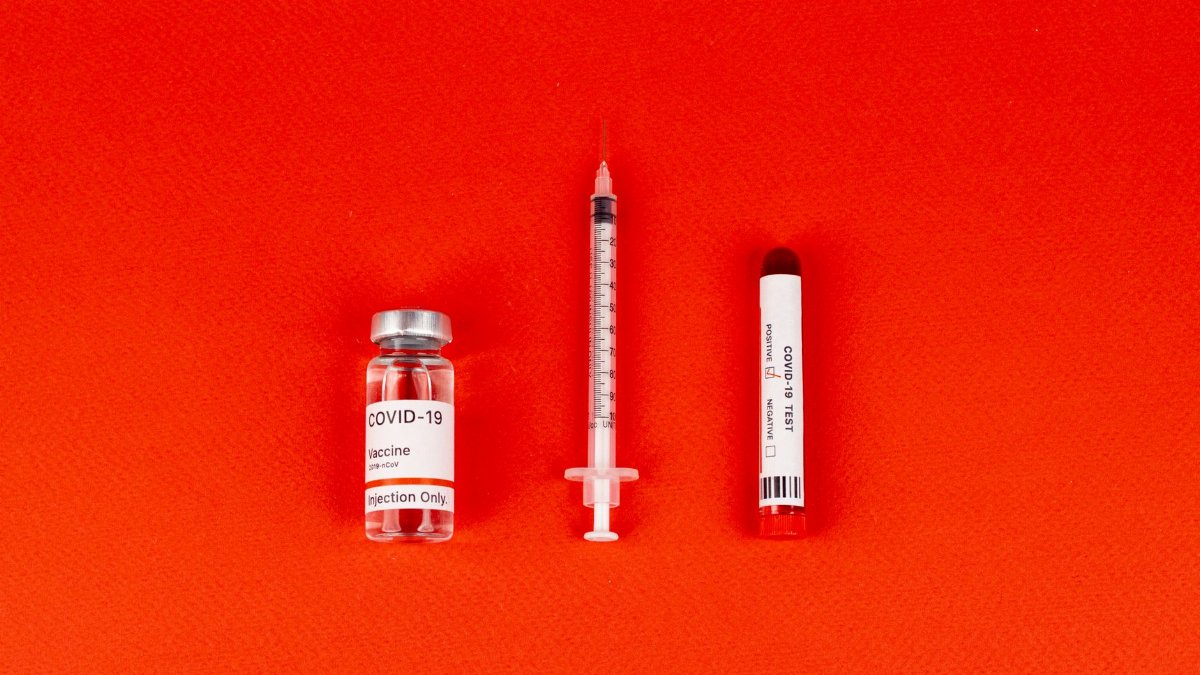
The measles, mumps, and rubella vaccine remains one of the sturdier tools in American medicine. The Centers for Disease Control and Prevention reports that two doses are about 97 percent effective at preventing measles, a figure laid out in the agency’s own measles guidance at https://www.cdc.gov/measles/about/index.html. That is not a slogan. It is why outbreaks in highly vaccinated communities tend to stay small, and why clusters grow where coverage has slipped.
Slipped coverage is not only a story about refusal. It is also a story about missed well child visits, insurance confusion, transportation, and clinics that closed or shortened hours. A county can have both a philosophical objection in one township and a scheduling failure in the next. Treating every unvaccinated child as a political actor flatters the adults and abandons the practical fix: make the shot easy, local, and explained by someone the family already respects.
Exclusion from school is a blunt instrument. It protects classmates. It also punishes families who are late rather than opposed, and it can be enforced with a tone that confirms every suspicion about the state. The better version is specific. Here is the date. Here is the site. Here is what happens if you come, and what happens if you do not. Clarity is a form of respect.
Schools, sanctuaries, and shared air
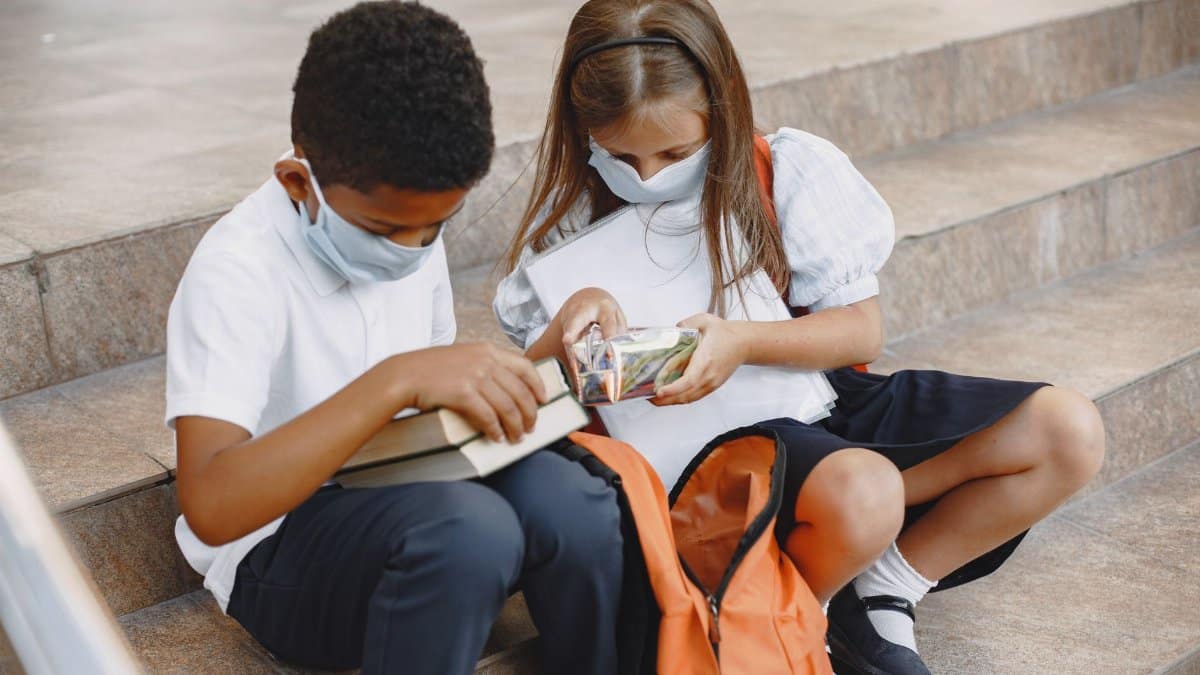
Measles spreads in the rooms where people sing, wait, and learn. Schools noticed absentee spikes before some press offices did. Churches noticed empty pews. Employers noticed which shifts could not be filled. Those institutions are not health departments, yet they became the front line of the Pennsylvania measles outbreak because that is where exposure actually occurs.
Spiritual communities, in particular, carried a double burden. They were asked to comfort the sick and, at the same time, to discourage gatherings that might sicken others. Leaders who frame illness as a test of faith can unintentionally delay care. Leaders who frame vaccination as care for the neighbor can move people whom a health secretary cannot reach. Neither sermon substitutes for a lab result. Both can change whether a family seeks one.
Journalists have a parallel duty. Naming a congregation as the source of an outbreak, before investigators have said so, can isolate people who might otherwise come forward. Declining to report at all leaves the field to accounts with no editor. The middle path is unglamorous: attribute, update, and resist the temptation to make a county a symbol.
The rumor economy

Misinformation in this episode was not a single viral lie. It was a stack. One claim said officials had concealed deaths. Another said the vaccine had caused the rash. A third said only outsiders were sick, which had the convenient effect of making local precautions seem unnecessary. Each claim answered an emotional need: anger at being managed, fear of a shot, desire to locate danger somewhere else.
Platforms reward the stack. A county Facebook group does not require a correction to travel as far as the original post, and a correction written in bureaucratic English will not travel at all. Health departments that still issue updates as PDFs are speaking a dialect the audience has left. Short video from a known local clinician, posted the same hour as the rumor, is not a branding exercise. It is containment.
There is a limit to what communication can repair. If people believe the count is political, no font choice will save it. Rebuilding that belief takes years of ordinary competence: accurate flu shot clinics, honest admission of error, and officials who show up when the news is not dramatic. Outbreaks audit the years that preceded them.
Why a fix will not arrive by memo

The tempting conclusion is a new protocol. Share drafts earlier. Hold joint briefings. Translate guidance into the languages and the religious idioms of the county. Publish a daily number until the cluster ends. Those steps are worth writing down. They will fail if the people who must deliver them do not trust one another, or if the public has already decided that every number is a weapon.
A durable fix looks more like staffing than like spin. County health offices need enough people to call schools before rumors do. State epidemiologists need the authority to speak before every sentence has been sanded down by lawyers. Legislators need the restraint to stop treating vaccination as a culture war trophy. Faith leaders need room to urge prevention without being drafted into a party. Parents need clinics that do not require a day off work to protect a child.
None of that is easy, which is why the title of this problem keeps recurring under new place names. Pennsylvania has the laboratories, the hospitals, and the legal tools. What it lacked, in the weeks when the Pennsylvania measles outbreak was still small enough to contain with ordinary diligence, was a shared habit of saying the hard thing early and saying it together. Measles will not grant a second rehearsal. The next cluster will test whether anyone learned the first lesson, or whether politics and rumor will again arrive faster than the truth.