
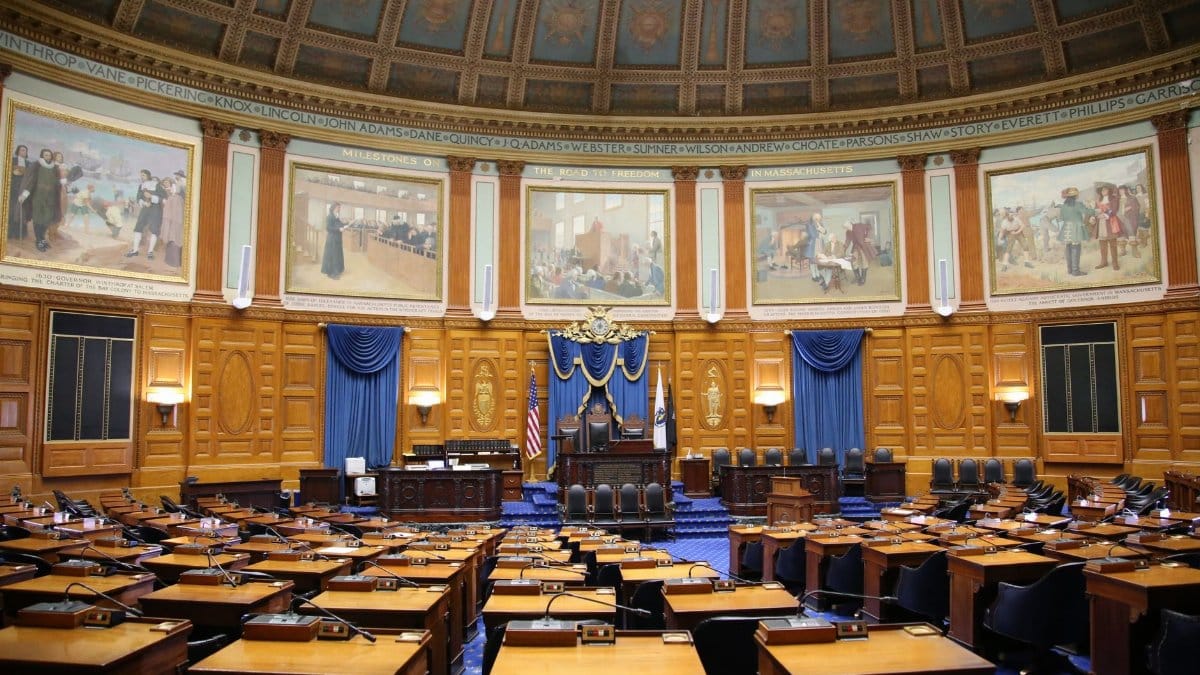
In Springfield, the weeks after Thanksgiving are usually quiet enough for lawmakers to catch their breath. This year the calendar points somewhere else. An Illinois House committee has indicated it will call witnesses in the Carol Ammons investigation, a legislative inquiry running alongside a federal criminal case that the Urbana Democrat is contesting. Reporting by WTTW News on November 17, 2026, described a panel ready to hear from people rather than linger over paper alone. The choice does not settle guilt or innocence. It does tell constituents that the House intends to keep moving. For voters who have watched Illinois politics swing between scandal and promised reform, the next hearings will test whether a legislature can examine one of its own without turning the room into a campaign stage.
A calendar that will not wait

Holiday recesses often freeze difficult business. Staff go home. Members scatter to districts. Committees that might have met in November slip into January, and memory of the dispute softens. The signal here is different. By placing witnesses after Thanksgiving, the House is saying the inquiry has a pulse even when the building is thin. That timing matters. A delay into the new year would have invited the charge that colleagues were protecting one of their own. A rush before the holiday would have invited the opposite charge, that politics was outrunning preparation. The middle path is not glamorous. It is a date on a calendar and a promise that someone will be sworn, or at least seated, to answer questions.
Voters should not confuse a hearing date with a verdict. Committees move on political time. Courts move on procedural time. Those clocks rarely match, and the mismatch is where public confusion grows.
What calling witnesses actually means
A witness list is a choice about what kind of record the House wants. Documents can show payments, emails, calendars, and votes. People can explain intent, context, and contradiction. When a panel says it will call witnesses, it is accepting the mess of live testimony: memory that fails, lawyers who object, answers that wander, and moments that clip easily for social media. That is also the point. Paper cannot be pressed the way a person can. A legislator who says she did not know, or a staffer who says she was told to route a request a certain way, creates a record that later readers can weigh.
None of that requires the committee to preview names. Responsible panels often keep the list close until subpoenas are served and counsel is arranged. Speculation about who might appear fills the gap, and speculation is a poor substitute for a transcript. The public interest is in whether the questions are serious, whether both the member and the accusers in the public narrative get a fair chance to be heard, and whether the committee publishes what it learns.
Ten federal counts beside a State House inquiry
The federal case is the heavier legal weather. Ammons is fighting 10 federal felony charges. Felony counts in federal court carry the possibility of prison, fines, and the loss of rights that follow a conviction. Fighting the charges means the government still has to prove them. An indictment is a formal accusation, not a finding. That distinction is easy to lose when headlines stack the number 10 next to a familiar name.
The House inquiry is a different instrument. It asks whether a member should keep the trust of the chamber while a criminal case proceeds, and whether any use of office, staff, or public resources belongs under legislative rules as well as under criminal statutes. Those questions can overlap with a prosecution. They are not the same questions. A committee can find conduct unbecoming and still be irrelevant to a jury. A jury can acquit and still leave colleagues uneasy about judgment. Treating the two forums as one story flattens both.
The Urbana Democrat in a wider map

Carol Ammons represents a district anchored in Urbana, a university city with a long habit of sending progressive Democrats to Springfield. Her name is known beyond Champaign County because she has been a visible voice on criminal justice, education, and the everyday business of a caucus that has held the House for years. Visibility cuts both ways. Allies describe a lawmaker willing to take hard votes. Critics, including some inside her own party when disputes flare, treat prominence as a reason to look harder when allegations surface.
Geography matters for the politics even if it does not matter for the elements of a federal offense. Downstate members and Chicago members do not experience an Urbana scandal the same way. University towns generate intense local coverage and a skeptical, highly educated electorate. Rural and suburban districts may register the story only as another line in the long Illinois ledger of public officials in trouble. The committee has to speak to all of those audiences at once, which is why tone will matter as much as exhibits.
Presumption, appearance, and the seat itself

American criminal procedure starts from a presumption of innocence. Legislative ethics starts from a different anxiety: the appearance of the institution. A member under federal indictment can be legally innocent and still be a distraction every time the House gavels in. Colleagues may not want to share a podium. Opponents may not want to negotiate. Staff may hesitate to carry out ordinary directives for fear that routine work will be reread later as evidence. Those are real costs, and they arrive before any verdict.
They are not a reason to skip process. Stripping a member of committee posts, demanding a resignation, or moving toward expulsion are severe acts. They should rest on a record the public can read, not on a whisper network or a prosecutor’s press release. The Carol Ammons investigation, if it is conducted with patience, is one way to build that record. If it is conducted as theater, it will add heat and subtract trust.
How a House examines its own

Illinois has spent decades promising that lawmakers will police themselves better than the headlines suggest. Ethics laws have been rewritten. Inspectors and legislative watchdogs have been created, criticized, and sometimes weakened. Voters remember governors who left office in disgrace more clearly than they remember the clause numbers of reform bills. That memory hangs over any new inquiry. Skeptics assume a committee of politicians will protect a politician. Advocates for aggressive oversight assume any restraint is a cover up. Both assumptions can be wrong in the same week.
A useful hearing has a few plain features. The scope is stated in advance. The member under review has counsel and time to respond. Questions stay tied to conduct, not to personality or to unrelated policy fights. Findings, if any, distinguish what is proved, what is disputed, and what is simply unknown. Recommendations, if any, say what rule would change even if this member were not in the news. Without those habits, a witness day becomes a press conference with a gavel.
Federal prosecutors and legislative clocks
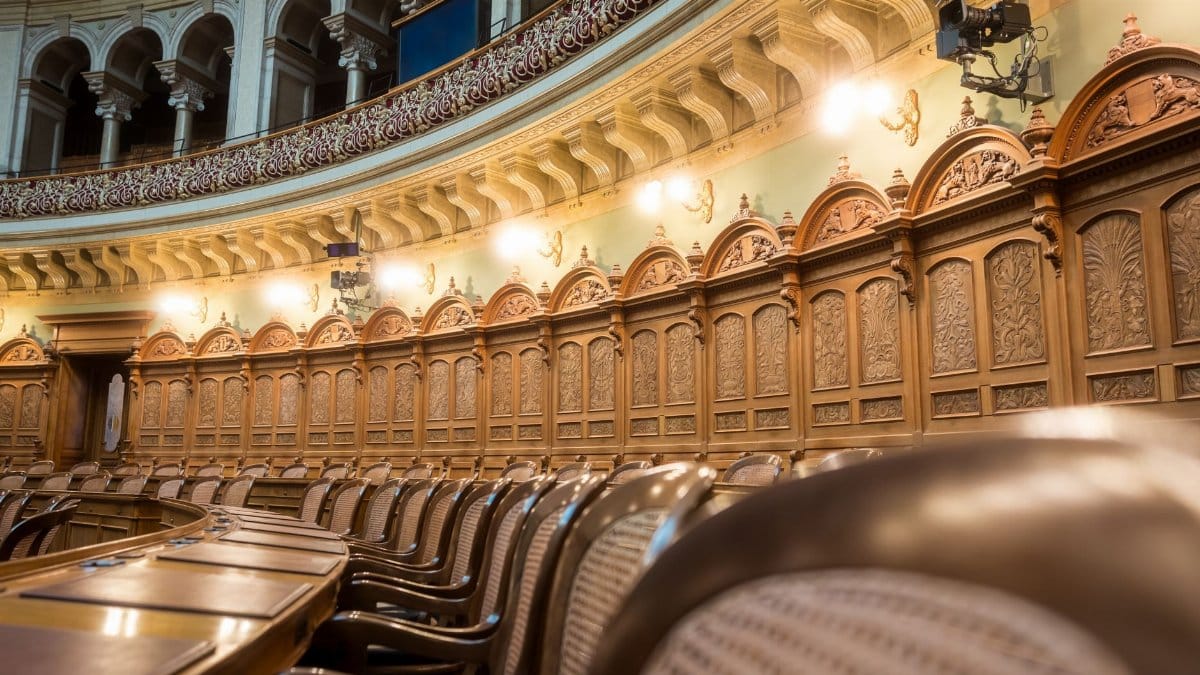
There is a practical tension the public rarely sees up close. Federal prosecutors dislike legislative hearings that preview witnesses, lock in stories, or hand defense lawyers a free discovery tool. Defense lawyers dislike hearings that force a client to speak, or to look silent, while a trial is pending. Committees dislike being told to wait indefinitely because a criminal case can take years. Someone has to yield a little. Often the yield is narrow questioning, grants of immunity that are rare and legally delicate, or a decision to hear from third parties rather than from the accused member herself.
Readers should watch for that boundary. If the House calls only friendly narrators, the record will be thin. If it demands testimony that a criminal defendant cannot safely give, it may create a constitutional mess without clarifying the facts. The art is to gather what the criminal case will not timely provide: how the office functioned, what colleagues observed, and whether House rules were treated as optional.
What constituents can fairly ask

People in the district are entitled to more than suspense. They can ask whether Ammons will keep voting, and on what subjects, while charges are pending. They can ask whether staff are paid and directed in the ordinary way. They can ask their other representatives what standard they would accept if the member under scrutiny belonged to the other party. They can ask local party organizations whether endorsements and sample ballots will pretend nothing is happening. Those are civic questions, not legal elements.
They can also refuse the cheap version of the story. A number of felony counts is not a measure of moral weight by itself. Ten counts can describe a single scheme charged in overlapping ways, or ten distinct acts, or something in between. Until the charging documents are read carefully, and until a defense is heard, arithmetic is not analysis. The same caution applies to leaks. A detail that flatters one side and arrives without a document is not yet a fact.
The media problem in a small state capital
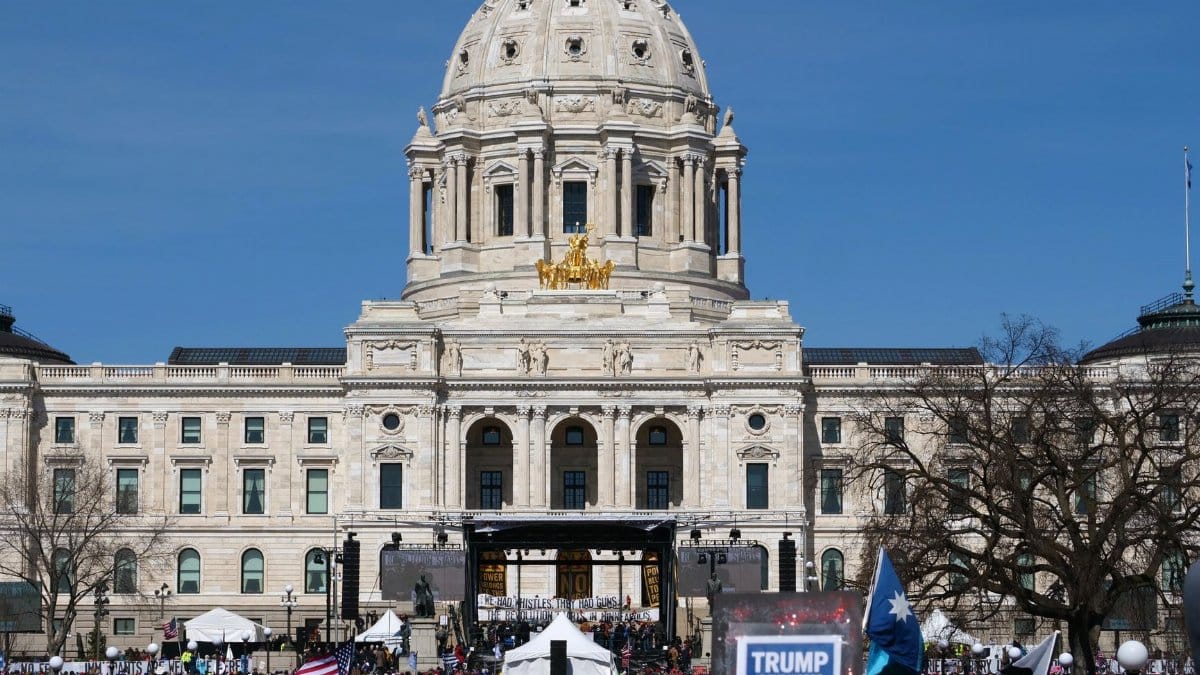
Springfield still has serious reporters, and Chicago television still reaches downstate living rooms, but the middle of the information market has thinned. Hearings that once drew a full press row now compete with national feeds and with local crime briefs. That scarcity raises the value of the official record. If the committee posts video, exhibits, and a written summary in plain language, citizens can check the Carol Ammons investigation without relying on a single clip. If it does not, the most theatrical ninety seconds will become the whole event.
WTTW’s account of the decision to move forward with witnesses is a starting point, not a substitute for the hearing itself. Follow the notice of meeting. Follow who is allowed to question. Follow whether answers are given under oath. Those mechanics tell you whether the House is building a record or managing a headline.
Party loyalty and the cost of silence

Democrats control the chamber Ammons serves in. That fact will shape every gesture. A majority that moves too slowly will be accused of sheltering a colleague. A majority that moves too fast will be accused of sacrificing a progressive voice to look tough. Republicans will have an incentive to portray the case as proof of a culture, not as a case about one member. Some Democrats will have an incentive to change the subject to policy wins in Urbana and Champaign. Silence from leadership is itself a message, and it rarely ages well.
The fairer posture is dull and rare. Leaders can say the charges are serious, the member is presumed innocent in court, the House will hear witnesses, and no one should campaign on an unfinished file. They can also say that voters, not a press conference, will eventually judge fitness for another term if the law allows the member to remain on the ballot. That sentence will satisfy almost no one in the moment. It is still the sentence that keeps institutions from eating their own rules.
After the holiday, a narrower room
When lawmakers return, the building will feel smaller than the rhetoric. A committee room is not a courtroom. There is no jury of strangers drawn from a wheel. There are members with histories, grudges, alliances, and upcoming primaries. The witness chair will still matter. A clear answer can quiet a rumor. A slippery answer can harden a caucus that had been willing to wait. A refusal to appear can become its own political fact, even when lawyers have sound reasons for it.
The Carol Ammons investigation will not, by itself, repair Illinois government or condemn it. It will show whether this House can hold two ideas at once: that federal charges demand gravity, and that gravity is not the same thing as a rush to judgment. Constituents in Urbana and observers in Springfield should listen for questions that could have been asked of any member, not only of a member already in the dock of public opinion.
A record that outlasts the week

News cycles prefer a winner by Friday. Criminal cases and legislative inquiries prefer a file that still makes sense a year later. The choice to call witnesses after Thanksgiving is a bid for that longer file. It will succeed if the questions are specific, the answers are preserved, and the committee resists the urge to declare the story finished when the cameras leave. It will fail if the hearing is used only to bless a decision already made in private.
Ammons is entitled to contest every count in federal court. Her colleagues are entitled to ask whether the House can function with confidence while that contest unfolds. The public is entitled to see the difference between those two entitlements, written down, under lights, with names attached to questions. That is the modest promise of the weeks ahead. It is also the only promise worth trusting until a judge, a jury, or a full chamber speaks in its own proper voice.