
On a gray morning off the Oregon coast, an old sailor and a small dog waited for a ship that was not supposed to be part of the plan. The voyage had begun as a private promise, a last long passage toward American Samoa, and it ended in an Oregon man sailing rescue that drew quiet attention far beyond the harbor he had left. For weeks the boat drifted more than it sailed. Food grew plain. The radio became a lifeline rather than a convenience. What followed was less a triumph than a reminder of how thin the margin can be between a chosen risk and a call for help.
A harbor decision made late in life
Harry Blodgett, an 86 year old Oregon man, set out alone on a sailboat with his dog, aiming for American Samoa. Friends and neighbors understood the trip as a bucket list passage, the kind of journey a person names when time feels shorter than the chart. He was not a celebrity mariner. He was a local sailor who still believed the open ocean could be met with patience, a sound hull, and enough canned food.
Late life voyages are easy to romanticize from shore. On the water they are logistics. A sailor of that age must trust knees, eyes, and sleep in ways a younger crew can share among several people. Blodgett chose solitude anyway. The choice does not require agreement to deserve a clear account. It asks only that the rest of us notice what he was willing to trade for one more horizon.
The dog who kept the watch
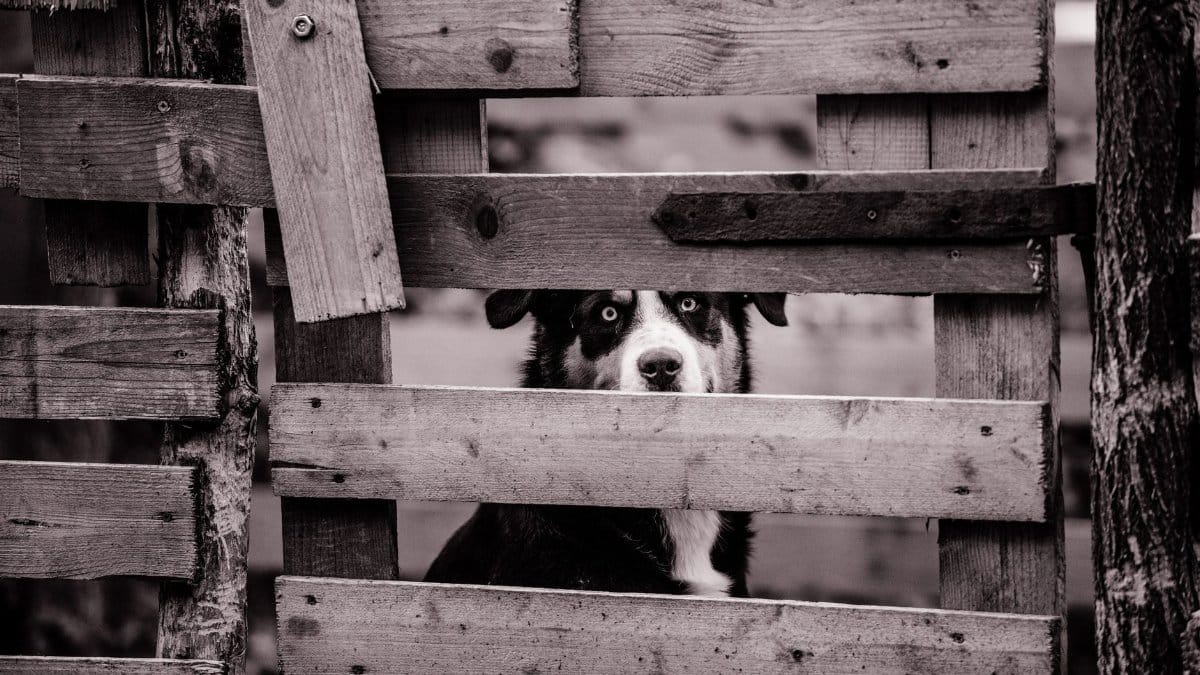
The dog, blind in one eye, was not a mascot for cameras that had not yet arrived. On a small boat a companion animal is weight, routine, and company during the hours when the wind dies and the mind starts bargaining with itself. Sailors who travel with dogs speak of feeding schedules that structure the day and of a presence that makes night watches less abstract.
There is no tidy moral in a one eyed dog at sea. There is a practical one. Care for another living thing can steady a person when the passage stops being an idea and becomes weather, salt, and waiting. In the later telling of this Oregon man sailing rescue, the dog remained part of the picture because the voyage was never only about a destination on a chart.
Weeks when the boat stopped answering

Reports from the voyage describe a craft that could no longer make reliable way toward American Samoa. Sails and systems that work in a harbor can fail in sequence once a boat is alone. A rudder that binds, a engine that will not catch, a charge that fades: any one of those can turn a passage into a drift. Weeks adrift is not a single dramatic moment. It is repetition. The same horizon. The same calculation of water. The same hope that a ship lane is nearer than it looks.
People on land often imagine rescue as an instant response. At sea, distance edits that fantasy. A disabled boat can be hard to see, harder to reach, and subject to currents that do not consult the sailor’s plan. Blodgett’s weeks on the water belonged to that slower category of trouble, the kind that exhausts before it terrifies.
How help finally found the boat
The rescue, as described in regional coverage including reporting that reached readers through The Seattle Times and other Northwest outlets, came after the boat had been adrift long enough to worry anyone who knew the route. Commercial ships and rescue services share a standing duty to answer distress when they can. In cases like this, a passing vessel may be the first real chance, with official coordinators working the position, the weather, and the condition of the people aboard.
What matters for a general reader is not a technical reconstruction of every radio call. It is the sequence ordinary people can understand. A sailor asks for help. Someone hears. A larger ship alters course. The small boat, which had been a home, becomes a thing to leave. That handoff is the center of any Oregon man sailing rescue, and it is more solemn than heroic language usually allows.
What rescuers see when they arrive

Crews who take a person off a disabled sailboat look first for injury, dehydration, and the ability to move. They also look at the boat itself, because a vessel that cannot steer is a hazard as well as a story. Transferring an older adult and a dog from a low, rolling deck to a ship is awkward work. It asks for calm from people who have already spent their calm.
Public accounts did not need to invent drama. An 86 year old man, weeks from a safe harbor, with a dog beside him, is drama enough. The spiritual question, if one belongs here, is not whether the sea punished a dream. It is what a person owes the people who interrupt their own passage to pull a stranger aboard.
The coast that sent him and waited

Oregon’s harbors are full of boats that leave for an afternoon and a smaller number that leave for an ocean. Communities around those harbors tend to know who is overdue. Word travels through marinas, bait shops, and the informal network of people who listen to marine radio because it is how they live. When news of the rescue circulated, it landed in that local register: relief first, then the slower talk about whether the trip should have been attempted at all.
That second conversation is rarely kind, and it is rarely useless. Neighbors can hold two thoughts. They can be glad a man and a dog are alive. They can also ask what preparation looks like when age, distance, and solitude are all part of the plan. The Oregon man sailing rescue gave them a concrete case rather than a hypothetical.
Aging, solitude, and the wish to go anyway

Gerontologists and mariners do not always share a vocabulary, but they share a problem. Later life is full of advice to reduce risk, and full of people who experience that advice as a shrinking of the self. A long sail can look, from the outside, like denial. From the inside it can look like the last form of work a person still trusts.
None of that cancels physics. The United States Coast Guard has long urged boaters to file plans, carry reliable communication, and treat weather as a decision rather than a mood. Its public guidance, available at https://www.uscg.mil/, is plain on purpose. Equipment fails. Bodies tire. Help is farther than the brochure suggests. Blodgett’s voyage sits inside that tension, not outside it.
Faith without a sermon
Some readers will reach for providence. A man adrift for weeks, found before the stores ran out, can look like a mercy. Others will reach for probability. Shipping lanes exist. Radios exist. People on watch do their jobs. Both readings can be held without turning a rescue into a parable that flattens the sailor or the crews who answered.
If there is a spiritual residue, it is modest. Companionship mattered. So did the willingness of strangers to change course. So did the fact that a dream of American Samoa did not outrank the need to live. Gratitude, in this telling, is not a lesson imposed on Blodgett. It is a response available to anyone who heard that he and the dog were brought in.
What the unfinished chart still says

The destination was not reached. That fact should stay in the story. A bucket list item completed by rescue is not the same thing as a passage completed by sail. To pretend otherwise is to insult both the intention and the people who had to intervene. Unfinished voyages are common at sea. Storms, illness, and mechanical failure end more trips than pride likes to admit.
What remains is a record of an attempt and of its limit. For readers who have their own late plans, the useful detail is not inspiration. It is proportion. Name the risk. Tell someone the route. Carry the means to be found. Accept that the ocean does not grade effort on a curve.
After the headlines move on

News of an Oregon man sailing rescue burns bright for a few days and then yields to other weather. The man and the dog return to ordinary time, which is where most of a life is lived. Recovery from weeks adrift is not only medical. It is the adjustment of a person who left as a skipper and came back as someone who had to be taken off his own boat.
Communities that follow these stories sometimes want a sequel: another attempt, a vow never to sail again, a tidy statement of regret or defiance. Real people seldom supply that on schedule. Silence after rescue can be fatigue. It can also be dignity. Not every survivor owes the public a moral.
A measured way to remember the voyage

Remember the age without turning it into a spectacle. Remember the dog without turning it into a charm. Remember the weeks adrift as a sequence of hard days, not as a myth of invincibility. And remember that rescue is a form of neighborliness practiced at industrial scale, by crews whose names rarely last as long as the sailor’s.
Harry Blodgett wanted American Samoa. He got a ship, a second chance, and a story that traveled farther than his boat. That is not the ending he charted. It is the ending the sea and other people allowed. For anyone still moved by the phrase Oregon man sailing rescue, the honest response is relief, then a clearer respect for limits, then a quieter thanks for the watchers who answered when the passage failed.