
On a cold morning in a Minneapolis warehouse, a worker stacks tins of gummies beside jars of seltzer and waits for a phone call that could empty the shelves. Orders still arrive. So do questions from stores that do not know whether the drinks they sell in July will be contraband by winter. The federal hemp THC ban, set to take effect in December, has turned a once quiet corner of agriculture and retail into a countdown.
What the December deadline actually changes
Congress wrote hemp into federal law in the 2018 Farm Bill, defining it as cannabis with a very low concentration of delta 9 THC. That definition opened a market for fiber, grain, and later for products that deliver a mild high without coming from a state licensed marijuana plant. Lawmakers who wanted to shut that second door attached new limits to a spending package. When those limits take hold in December, many beverages, edibles, and vapes now sold as hemp will fall outside the legal definition, even if a laboratory report once cleared them.
The shift is not a local ordinance. It is a federal rule with reach into every state that built a retail trade on the Farm Bill language. Minnesota is among the most exposed because it chose, in 2022, to regulate low dose hemp derived products rather than pretend they did not exist.
How Minnesota built a market the new rule would erase
After years of gray market sales, Minnesota set serving limits, age gates, and testing rules for edible and drinkable hemp THC. Breweries, soda makers, and specialty shops treated the statute as a permit to invest. Farmers who could not profit on fiber found buyers for flower destined for extraction. The state collected tax. Cities wrote zoning. None of that local architecture survives if federal law says the molecule itself is no longer hemp.
Industry groups in the state estimate thousands of jobs tied to cultivation, manufacturing, and retail. Those figures are self reported and should be read with caution, but the storefronts are not theoretical. They line commercial strips from Duluth to Rochester.
The bills that try to slow the clock

Senator Amy Klobuchar and Representative Angie Craig, both Minnesota Democrats, have backed legislation that would delay or rewrite the restriction before December. The Klobuchar measure, offered with Republican colleagues who also have hemp economies at home, would push the effective date back by years and ask regulators to write a national standard instead of a blunt cutoff. Craig has pressed a House companion that would preserve a path for products already operating under state caps on dose and potency.
Neither bill is law. Both are attempts to reopen a fight that many members thought they had finished when they voted for the spending package. Supporters describe the effort as a correction. Opponents describe it as a rescue of an intoxicating market that never belonged under the hemp label.
Why some lawmakers want the ban to stand
The case for the restriction is straightforward. Delta 8 and similar compounds, often made by converting CBD in a lab, spread through gas stations and online shops with little consistent testing. Pediatric emergency visits rose in several states after those products became easy to buy. Packaging sometimes mimicked candy. Age checks were uneven. Public health officials argued that a Farm Bill written for rope and seed had become a back door for intoxication.
Groups that represent licensed marijuana businesses have also urged Congress not to retreat. They say hemp THC undercut state tax systems and safety rules that cannabis operators must follow. For them, December is not a shock. It is the close of a loophole.
Farmers caught between fiber and flower
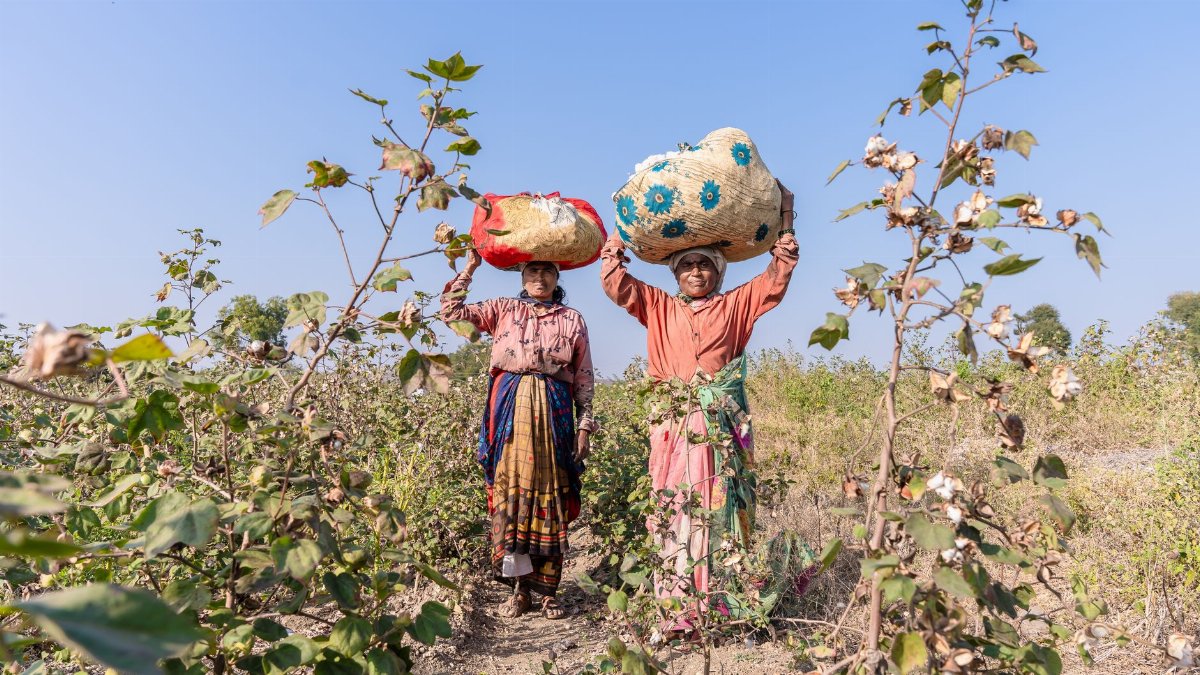
Not every hemp grower sells a high. Some raise grain for food and fiber for textiles, markets the 2018 law was written to revive. They fear collateral damage: lenders pulling back, insurers rewriting policies, and buyers refusing any crop that shares a name with a banned product. A delay bill would not, by itself, guarantee those contracts. It would at least keep the legal status of non intoxicating hemp from being rewritten in the same breath as a crackdown on gummies.
Minnesota growers who pivoted to cannabinoid flower have fewer options. If the federal hemp THC ban arrives on schedule, their most valuable acreage may have no lawful buyer unless the state marijuana program can absorb them, a transition that requires licenses, capital, and time they may not have.
What retailers are doing while Congress argues

Shop owners are splitting inventory, rewriting labels, and asking lawyers whether a product made this fall can be sold after the deadline if it was lawful when it was bottled. Some are shifting recipes toward CBD only formulas that would survive a strict reading of the new definition. Others are stocking down, unwilling to hold goods that could become unsellable overnight.
Banks and payment processors, already wary of anything that smells like cannabis, have tightened further. A manufacturer can comply with every Minnesota rule and still lose a processor because the federal calendar looks hostile. That friction hits small firms harder than national brands with cash reserves.
The public health argument that will not go away

Even if Congress delays the restriction, the underlying complaint remains. Children have been sickened by mislabeled products. Potency has varied wildly between what a package promises and what a lab later finds. A delay that merely freezes today’s patchwork would disappoint parents and physicians who wanted a national floor on testing, packaging, and age.
A rewrite that copies Minnesota’s dose caps, requires third party testing, and bans lookalike candy packaging would answer part of that concern without wiping out an adult market that voters in several states have already accepted. Whether Congress has the appetite for that nuance in a short session is the open question.
States cannot simply opt out
State legalization of marijuana does not override a federal hemp definition. A shop in St. Paul that follows every Minnesota rule can still be out of compliance with federal law once December arrives. Enforcement may be uneven. The Food and Drug Administration and the Drug Enforcement Administration have limited staff, and priorities shift. But a product that is federally illegal is a poor foundation for a loan, a lease, or a multistate distribution deal.
That is why industry lobbyists have focused on Congress rather than on statehouses. A governor cannot postpone a statute passed in Washington.
What a delay would and would not do

A successful delay would buy time. It would not settle whether intoxicating hemp belongs in the Farm Bill, in the Controlled Substances Act, or in a new category of its own. It would not force states to align their milligram caps. It would not fund the lab capacity needed if every batch must be tested to a federal standard.
A failed delay would force a harder choice on businesses: exit, reformulate, or seek a marijuana license in states that offer one. Consumers who prefer a low dose drink to a dispensary visit would lose that option in much of the country, including places where marijuana remains illegal.
The politics of a quiet provision

The restriction passed with less public debate than its economic footprint now suggests. Members who voted for a funding bill to keep the government open did not all intend to shutter a retail sector. That is the political opening Klobuchar and Craig are using. Colleagues who feel surprised are easier to move than colleagues who cast a deliberate vote against hemp THC.
The counterpressure is real. Parents, prevention groups, and licensed cannabis firms will argue that surprise is not a reason to restore a market they consider unsafe and unfair. Any floor speech in the coming months will have to answer both the warehouse in Minneapolis and the emergency department that treated a child who ate a lookalike gummy.
What readers should watch before December

The practical markers are simple. Does a delay bill get a committee hearing, or does it die as a press release? Does the House leadership allow a vote, or does the Senate language stall without a vehicle? Do regulators issue guidance that softens the cutoff for non intoxicating hemp, or do they stay silent and leave businesses to guess?
Until one of those things happens, the federal hemp THC ban remains the default. The tins in the warehouse are still legal. The calendar is the part no state statute can edit.