
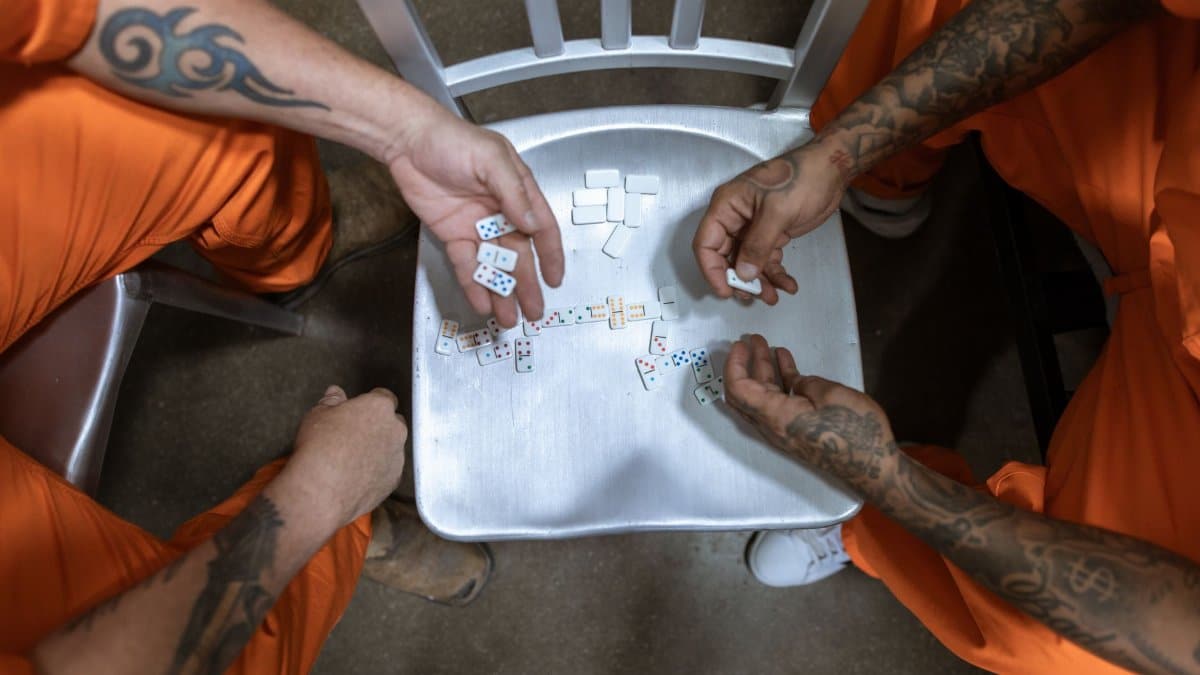
A recent review exposed how public assistance programs meant for vulnerable residents ended up reaching people locked away in prison cells as well as a fortunate lottery recipient who should never have qualified. This situation highlights serious gaps in how eligibility gets checked across multiple state agencies. The Maryland SNAP audit exposed these lapses in detail and raised questions about accountability at every level of administration.
Core Discoveries in State Benefit Distribution

State examiners found multiple cases where inmates continued receiving food aid and cash support long after their incarceration began. Records showed no consistent cross checks between prison rolls and benefit databases. Such oversights allowed payments to flow uninterrupted for months or even years in some instances.
Case of the Lottery Recipient

One standout example involved an individual who claimed a substantial prize yet kept collecting assistance. Officials failed to update income data promptly enough to halt the flow. This case alone drew attention because the amounts involved exceeded typical household support levels by a wide margin.
Role of Interagency Communication Gaps

Different departments operated in isolation with outdated systems that rarely shared real time information. Prison officials did not alert benefit administrators when new inmates arrived. Likewise benefit offices seldom verified incarceration status before issuing payments.
Financial Risks from Federal Authorities
Maryland now faces possible repayment demands and reduced future funding because federal rules require strict eligibility enforcement. Past audits in other states have led to multimillion dollar penalties when similar problems surfaced. Local leaders must act quickly to avoid comparable consequences here.
Steps Suggested by Examiners

The review called for automated data matching between benefit systems and correction department files. Regular training for staff on verification procedures also appeared on the list of needed changes. Without these fixes the same errors could repeat in future cycles.
Effects Felt by Maryland Taxpayers

Every improper payment represents money drawn from public coffers that could support legitimate recipients. Residents expressed frustration that resources meant for families facing hardship instead reached people with no valid claim. Restoring trust requires visible improvements in oversight.
Comparison with Practices in Neighboring States

Nearby jurisdictions have adopted unified databases that flag discrepancies almost instantly. Maryland lags behind in adopting similar technology. Adopting proven methods from elsewhere could reduce errors without requiring entirely new frameworks.
Longer Term Outlook for Program Integrity

Sustained attention from lawmakers and agency heads will determine whether reforms take hold. Periodic follow up reviews can measure progress and identify remaining weak points. Public confidence depends on seeing measurable reductions in ineligible payments over time.