
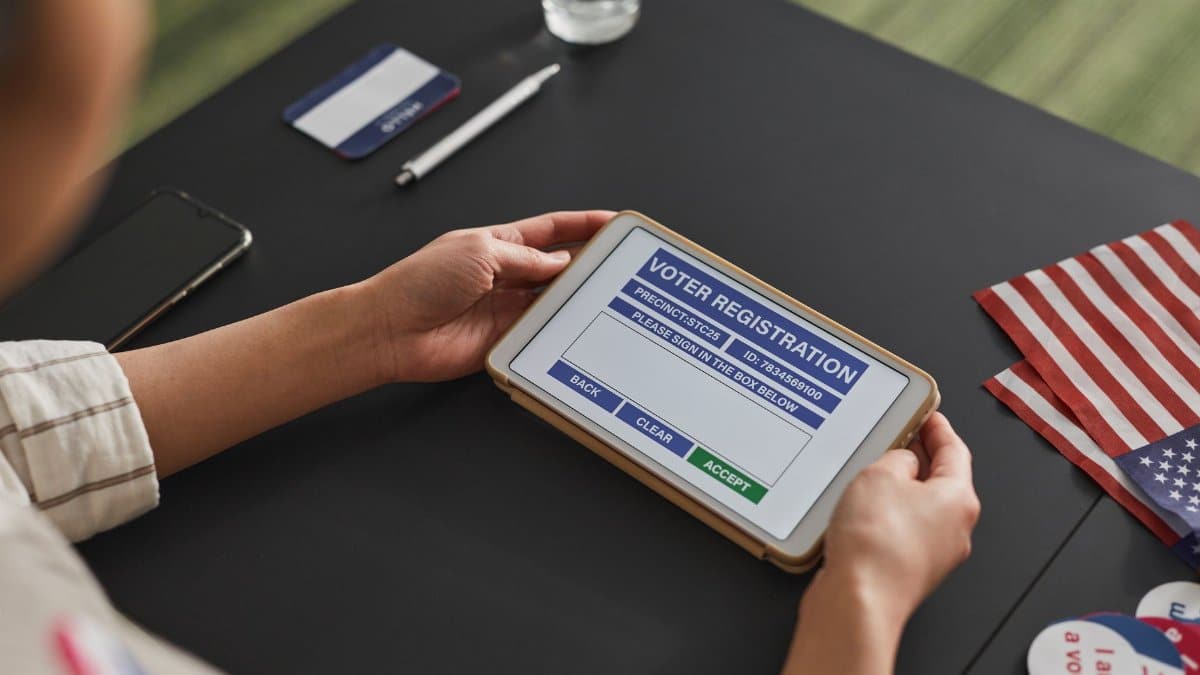
On a quiet weekday in a county elections office, clerks opened the usual batch of electronic files and found a gap where new voters should have been. The missing records traced back to Texas DPS voter registration transfers that, according to subsequent accounts, never left state custody. Files dating to October 2025 sat unsent while local offices prepared for an October early voting window that depends on clean, current rolls. The problem did not arrive as a speech. It arrived as a transfer failure with a civic consequence: people who believed they had registered at a driver license counter may not have appeared on county lists in time to cast a ballot.
What the unsent files actually were

The Department of Public Safety is not an elections agency, yet for many Texans it is the front door to the franchise. When a resident applies for or renews a driver license and chooses to register, that choice is supposed to travel, by secure electronic means, to the county that keeps the official list. Reporting by The Dallas Morning News described a backlog in which online registration files generated through that process were not transmitted to counties. The files were not rumors. They were records with dates, beginning in October 2025, that local officials said they never received.
A backlog of that kind is easy to misunderstand. It is not the same as a rejected application, and it is not the same as a voter who moved and forgot to update an address. It is a handoff that did not happen. Until a county accepts a registration, the person is not on that county list, no matter how complete the form looked at the license office.
Why the license counter became a registration desk
Federal motor voter law has long required driver license agencies to offer registration. Texas built its version of that duty into everyday DPS transactions. The convenience is real. A person already standing at a counter with proof of identity and residency can complete a civic task without a second trip. That convenience, though, creates a chain of custody. DPS collects. A state elections system routes. A county verifies and adds the name. Break any link and the promise made at the counter is only half kept.
Texas DPS voter registration therefore lives in two worlds at once. In one world it is a customer service checkbox. In the other it is a legal record that decides who receives a ballot. Staff at a license office can do their part perfectly and still leave a voter invisible if the electronic file never arrives downstream.
How counties learned they were missing names

County election administrators tend to notice absence before they notice explanation. Daily or weekly imports that once arrived on schedule simply did not. Some offices compared internal expectations with what the state portal showed and found nothing to import. Others heard from residents who swore they had registered at DPS and then failed to appear in a public lookup. Those conversations are awkward. The clerk cannot register someone retroactively on a verbal assurance, and the resident cannot produce a county confirmation that was never generated.
The reporting framed the failure as a transmission problem rather than a county processing delay. That distinction matters. If a file reaches a county and sits in a queue, local staff can be blamed, fairly or not, for speed. If the file never arrives, the county cannot cure what it cannot see. Local officials were left explaining a state side failure to voters who had done what the signs at DPS told them to do.
The October clock and early voting

Registration deadlines are not suggestions. Texas sets a cutoff before early voting begins, and October is when that calendar tightens. Files dated to October 2025 that remained unsent raised a plain question: were people who acted in time treated as if they had acted too late? Early voting magnifies the harm. A voter who discovers a missing registration on the first day of early voting may still have days to untangle it. A voter who discovers it on the last day may not.
Provisional ballots exist for some mismatches, but they are not a comfort. They require follow up, they are not counted unless eligibility is later confirmed, and they place the burden on the person who already believed the state had finished the job. A silent queue at the state level can turn a routine license visit into a contested ballot.
What voters were entitled to assume

Most people do not track file transfer protocols. They remember a question at a counter, a signature, and a sense that the task was done. When Texas DPS voter registration is offered in that setting, the state is not offering a courtesy. It is offering a legal pathway. The reasonable assumption is that the pathway works.
That assumption is especially strong for first time registrants, for people who recently moved between counties, and for younger adults getting a first license. They have no prior county voter record to fall back on. If the electronic file vanishes into an unsent folder, there is no older registration to save them. The failure falls hardest on the people with the least institutional memory of how elections offices work.
How the duty is split under Texas practice
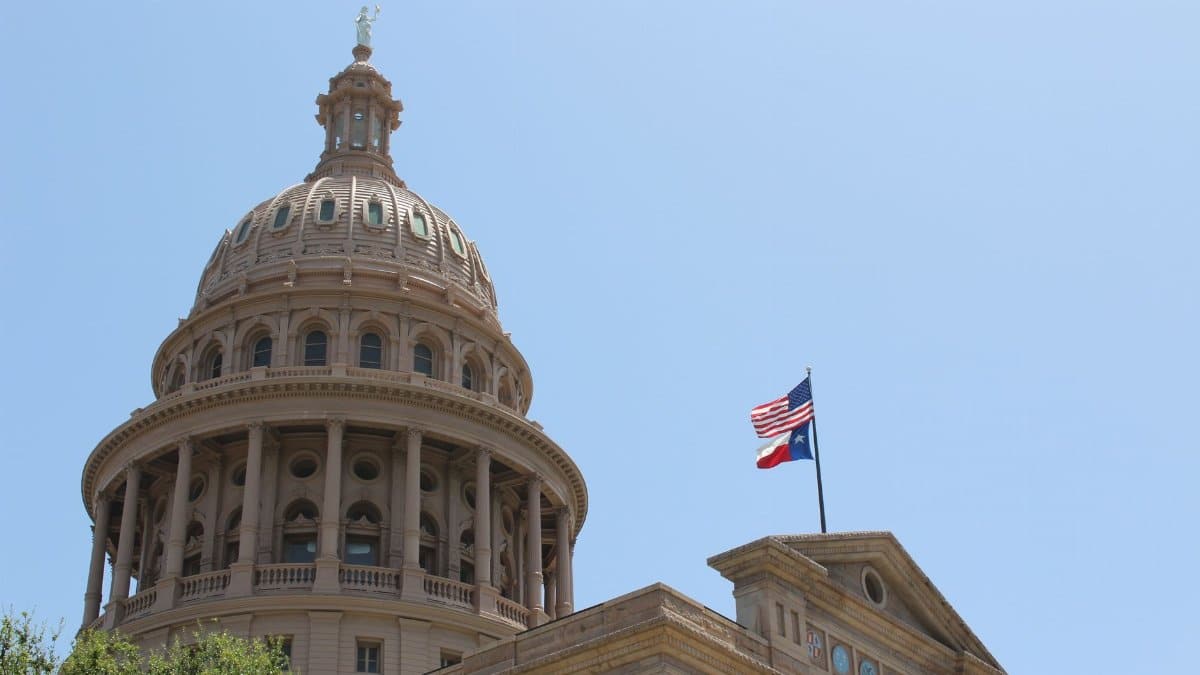
State law and long practice divide the work. DPS gathers the application during a licensing transaction. The secretary of state maintains the statewide system that counties use. County voter registrars decide, under statute, whether an applicant is eligible and then add or reject the name. None of those actors can do the others job. A registrar cannot add a ghost file. DPS cannot print a county voter certificate. The secretary of state cannot, by press release alone, place a name on a local roll.
When a link in that split duty fails, accountability gets fuzzy in public debate and very sharp in a polling place. The voter does not care which server held the file. The voter cares whether the name is on the list when a poll worker looks it up. Clarity about who must resend, who must reprocess, and who must notify the applicant is the only remedy that matches the structure of the system.
Partisan noise around a technical fact

Election administration in Texas rarely stays technical for long. A story about unsent files invites instant theories: suppression on one side, incompetence or even fraud narratives on the other. The documented claim is narrower. Files that should have moved did not move. That claim can be checked against transmission logs, county import records, and the dates on the applications. It does not require a theory about motive to be serious.
Still, motive talk fills the vacuum when agencies are slow to publish numbers. How many files? Which counties? What share were new registrations rather than updates? Were any applicants past the deadline only because of the delay, or were the files late but still inside the legal window once resent? Without those figures, advocates will supply their own. The healthier path is a public accounting that is boring, specific, and complete.
The human cost of a queue nobody sees
A missed registration is not abstract. It can mean a teacher who planned to vote before a evening shift and was turned toward a provisional process she did not understand. It can mean a new resident who used the license office precisely because work hours do not allow a weekday trip to the elections department. It can mean a parent who registered while replacing a lost card and then spent election week on the phone.
Those scenes do not require inflated totals to matter. Even a modest set of unsent October 2025 files, if they concerned eligible citizens who met the deadline, is a breach of a basic expectation. Elections depend on trust that the paperwork state government solicits will be finished by state government. When that trust thins, turnout arguments and lawsuit arguments grow louder, and the quieter work of fixing a transfer job gets less attention than it deserves.
What a competent repair looks like

Repair starts with an inventory. Every unsent file needs a date stamp, a county destination, and a status: resent, accepted, rejected for a real eligibility reason, or still unresolved. Counties need a clean reload, not a trickle of duplicates that clerks must untangle by hand. Applicants need direct notice, by mail or by the contact information they already gave DPS, telling them whether they are registered and where.
A repair also needs a clock that respects election dates. Resending files after a registration deadline does not automatically cure a voter who was eligible on time. Officials have to say, in plain language, how they will treat applications that were completed before the cutoff but trapped in the backlog. Silence on that point is its own kind of disenfranchisement, because it leaves local officials and voters guessing under pressure.
Questions that should be answered in public

Readers trying to judge Texas DPS voter registration after this episode deserve a short list of answers, not a fog of assurances. When did the failure begin, and when was it detected inside the agency rather than by counties? What software or staffing change coincided with the first missing batch? How many applications from October 2025 and later months were affected? Which counties received delayed files, and which received none until the story became public? What written notice went to applicants?
Those questions are answerable with records the state already holds. Publishing them would not settle every political argument about Texas elections. It would settle the factual argument about this backlog. The Dallas Morning News account, available through the newspaper site, put the failure on the record. The next documents should come from the agencies that held the files.
What residents can do without waiting for a press conference

No one should assume a counter conversation equals a county listing. Texans can check registration status with their county or through the state lookup before the deadline, and again a week before early voting. If the name is missing, they can submit a county application while time remains, and they can keep a copy. If the deadline has passed and the only registration attempt was at DPS during the affected period, they should ask both the county and state elections office, in writing, for the disposition of that file.
That advice is not a substitute for the state finishing its own work. It is a hedge against a system that already failed once. People who registered in good faith should not have to become their own couriers. Until the resend is documented and the rolls match the applications, the hedge is rational.
A test of whether convenience is real
Motor voter style registration is often praised as modern government: one stop, one identity check, one less barrier. The praise holds only if the second half of the transaction is as reliable as the first. Texas DPS voter registration failed that test for a set of files that reached back to October 2025 and, by the accounts counties gave reporters, never arrived before an October early voting period raised the stakes.
The remedy is not a new slogan about trust. It is a completed transfer, a county acceptance, a notice to each applicant, and a public count of who was affected. Elections are made of names on lists. When the state asks for those names at a license counter and then does not send them, the failure is not a minor clerical quirk. It is a broken promise at the exact point where government claimed it would make voting easier.