
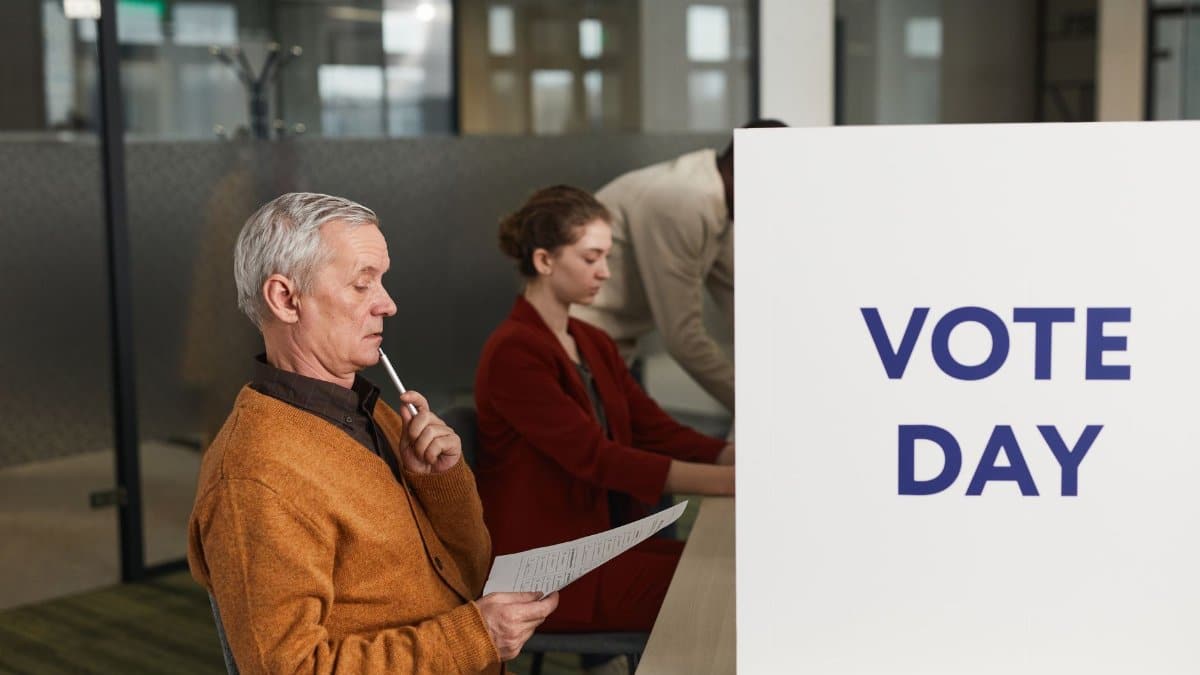
In a school gymnasium in western Suffolk County, folding tables stood where basketball lines usually guide practice. Poll workers checked names while a janitor taped paper over a trophy case so campaign chatter would not spill into a hallway of lockers. Parents who had just dropped off children stayed to cast ballots, and a few teachers crossed the lot on a break, badges still clipped to their sweaters. The ordinary machinery of a weekday collided with the calendar of a national election. Long Island midterm voting is taking shape in rooms like this one, as early ballots continue and local races share attention with statewide contests. Officials describe the logistics as familiar, which is not the same as simple.
School buildings carry two jobs at once
For generations, Long Island school districts have lent gyms, cafeterias, and auditoriums to boards of elections. The arrangement saves public money and places polling sites near neighborhoods people already know how to find. It also asks superintendents to solve a puzzle that has nothing to do with curriculum. Buses still run. Lunch still happens. A voter with a cane may need a door that students use between periods.
District leaders tend to describe the work in practical terms. Which entrance stays open to the public. Which corridor is blocked. Whether a club meeting moves to another room. None of that appears on a ballot, yet it shapes whether a resident feels welcome or rushed. When Long Island midterm voting stretches across days of early ballots rather than a single Tuesday, the disruption lasts longer. A one day inconvenience becomes a week of altered routines, extra staff at the doors, and careful notes home to families.
Early voting changes the rhythm of the week
Early voting, now a settled feature of New York elections, spreads participation across mornings, evenings, and weekends. County boards post hours and site lists well before the first ballot is cast, and local news outlets repeat them until the details feel repetitive. Repetition is the point. A commuter who cannot leave work on Election Day may have a free hour on a Thursday. A retiree may prefer a quiet Saturday to a crowded Tuesday.
On Long Island, that flexibility meets heavy traffic, limited parking, and school dismissal times that do not bend for politics. Poll workers say the early days often start slow and thicken near closing, especially when a storm is in the forecast or a high profile debate has just aired. The pattern is not a prediction of the final result. It is a reminder that convenience is uneven. A site with a wide lot fills faster than a site tucked behind a playing field with one narrow drive.
Statewide offices share space with village concerns
A midterm year in New York is not a quiet administrative exercise. Voters choose a governor and other statewide officers, along with members of Congress and the State Legislature. Those contests set the tone of advertising and the temperature of party meetings. They do not erase the smaller lines on the ballot, where town boards, judgeships, and local propositions ask for judgments that will be felt on a single block.
School communities feel that mix in a particular way. A congressional race may dominate the mail, while a budget vote or a board seat, if it happens to coincide, decides class sizes and building repairs. Even when school elections sit on a separate calendar, the presence of voting machines in a gymnasium pulls education into the political season. Parents talk about taxes in the same line where they talk about highway funding. The conversations are not always tidy, and they do not need to be. They are how a suburb works out what it owes itself.
How districts keep students clear of the line
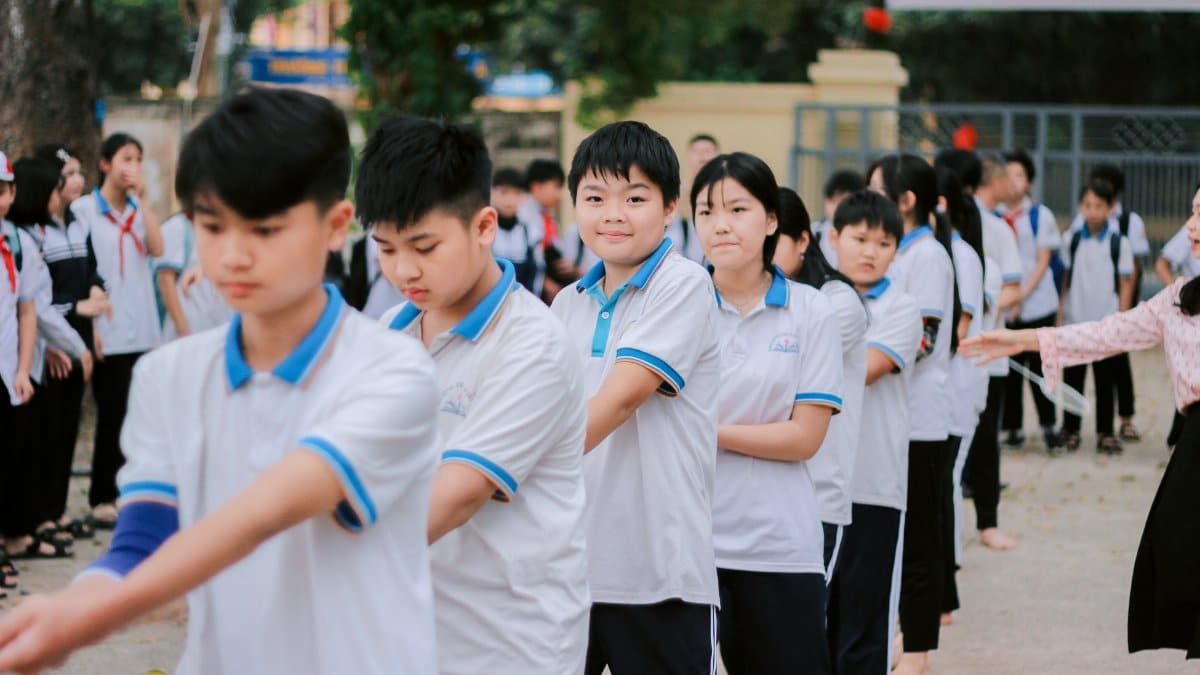
The most delicate job belongs to the people who move children around a building that is suddenly public. Principals redraw passing routes. Security staff learn which visitors belong in the voting wing and which do not. In some buildings, classes that usually use the gym relocate to a cafeteria stage or an all purpose room for the duration. Coaches adjust practice. A concert rehearsal slides to another night.
Parents notice the small frictions first. Pickup moves to a side loop. A door that is normally propped open is locked. A sign in three languages points toward the ballot tables and away from the main office. These are not glamorous preparations, and they rarely make speeches. They are the difference between a smooth morning and a confused one. Superintendents who have lived through several cycles say the second and third early voting days are easier than the first, once staff learn which questions repeat.
Access, identification, and the ordinary wait
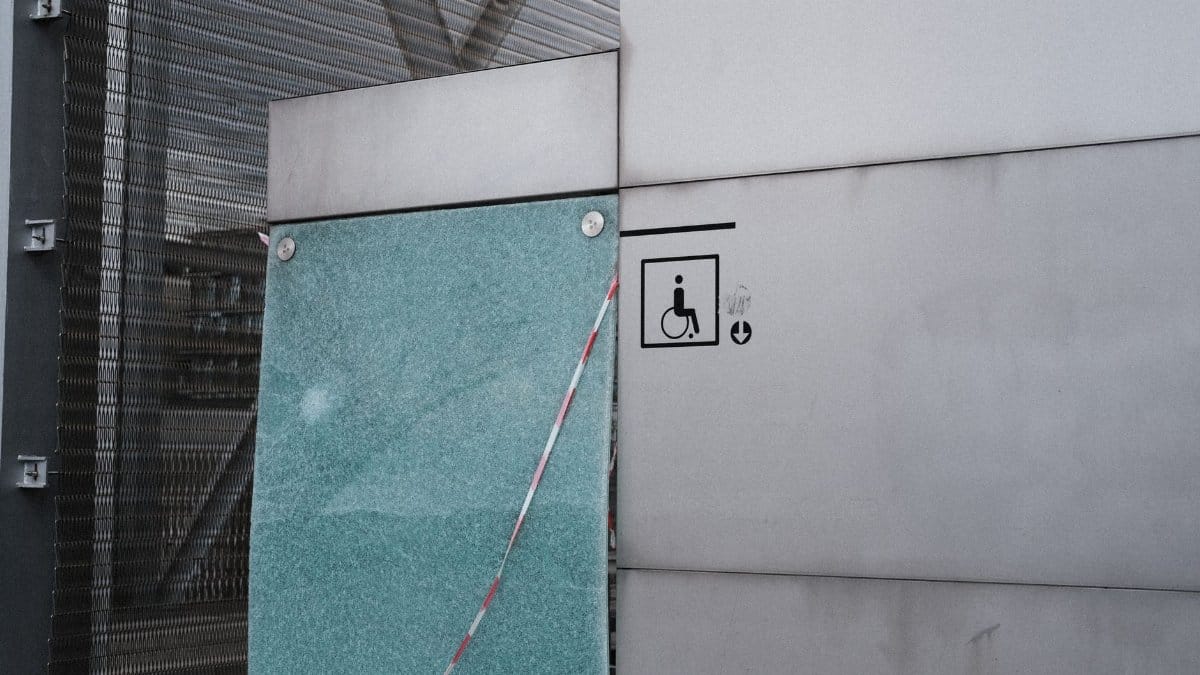
Election administrators spend the weeks before opening day on checklists that sound dull until something fails. Machines are tested. Ballots are proofread. Poll books are loaded. Sites are measured for ramps, lighting, and the turning radius of a wheelchair. A missing extension cord can stall a table. A poorly placed sign can send a voter to the wrong door and, on a bad day, back to the car.
Voters, for their part, arrive with a narrower set of worries. Did I bring the right identification if I am asked. Is my registration current after a move from one town to another. How long will this take before I am late for a shift. Officials encourage people to confirm polling details on county sites before they leave home, a step that prevents many of the arguments that used to unfold at the check in table. The advice is plain, and it works better than any slogan. The New York State Board of Elections keeps statewide guidance at elections.ny.gov, while Nassau and Suffolk boards publish the local hours that actually govern a given address.
Party workers at a respectful distance
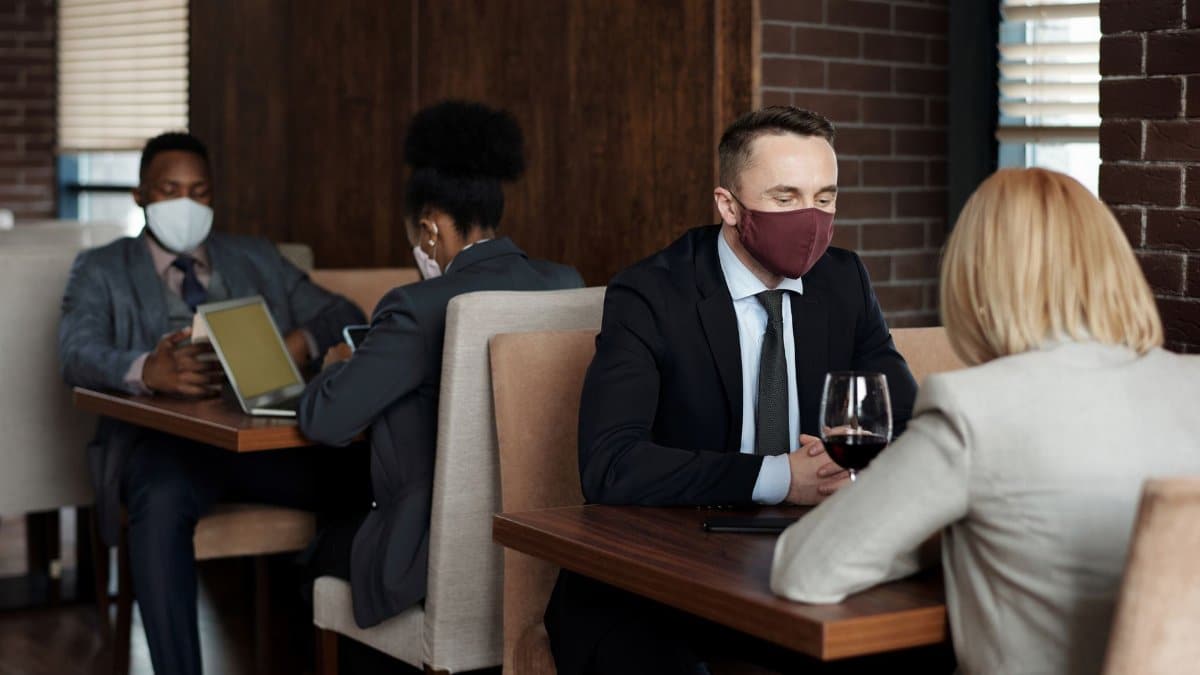
Campaigns do not disappear just because the voting happens inside a school. Volunteers still stand where the law allows, offering palm cards and reminding supporters which contests sit lower on the ballot. The legal boundary matters in a place full of minors. Election law keeps electioneering away from the immediate entrance, and school officials have their own interest in keeping political arguments out of earshot of a third grade line.
Most of the time the bargain holds. A volunteer steps back when asked. A voter declines a flyer with a shake of the head. Occasionally a voice rises, and a poll worker, often a retiree with a patient manner and a laminated rule sheet, restores the volume. The scene is less dramatic than national coverage suggests. It is also more fragile than partisans like to admit. A school parking lot is a poor stage for a shouting match, and communities remember who treated it as one.
What turnout habits reveal, and what they do not
Analysts like to read early numbers as tea leaves. A heavy first weekend can mean enthusiasm, good weather, or simply a cohort of reliable voters who always show up as soon as the doors open. A thin weekday can mean apathy, or it can mean that people are waiting for Election Day because that is the habit they trust. Long Island has both kinds of voters in large supply: the meticulous planner and the neighbor who decides on the walk from the car.
Comparing this cycle with the last one is tempting and often misleading. District lines change. Candidates change. A storm that never arrives still keeps some people home. I have stood in enough of these gyms to distrust any single morning as a verdict. What the early line does reveal is effort. Someone printed the ballots, someone unlocked the building, and someone left work early to participate. That sequence is the whole civic machine, briefly visible.
Poll workers who know the room
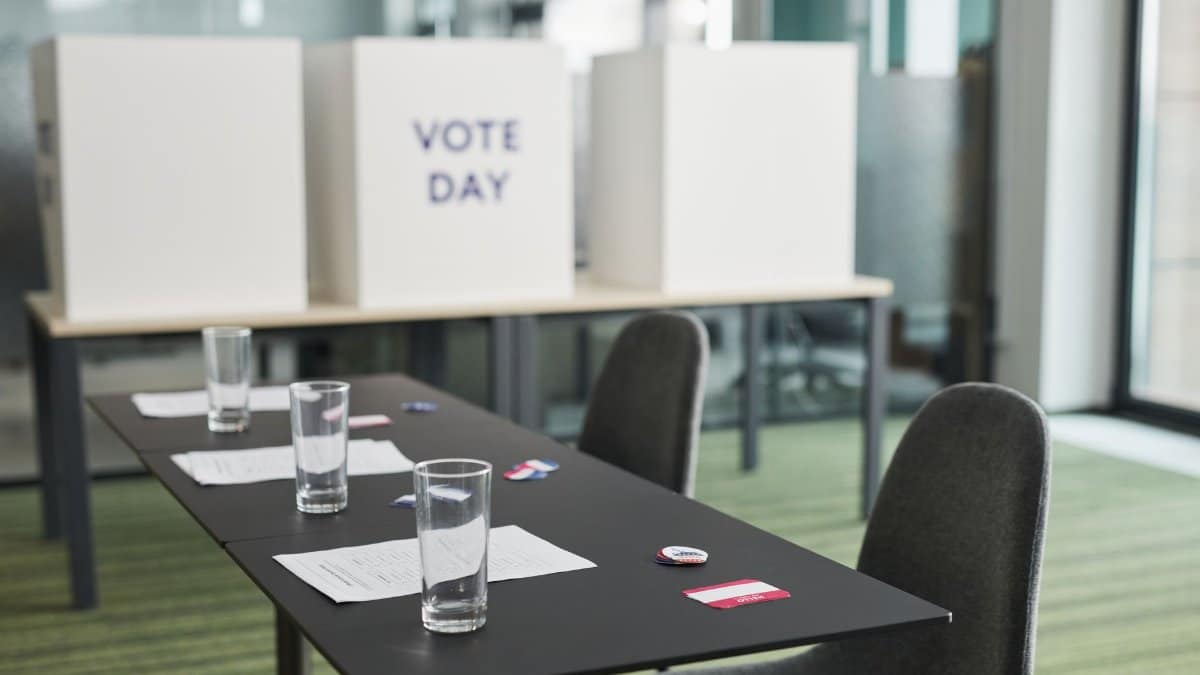
The unsung constant is the poll worker who has staffed the same site for a decade. They know which table wobbles. They know the neighbor who always forgets glasses and needs the sample ballot read aloud. They know when the boiler kicks on and drowns out a name. Training from the board of elections gives them the law. Repetition gives them the temperament.
Recruiting those workers grows harder as the days multiply. Early voting asks people to give up not one Tuesday but a string of shifts, some of them on weekends when grandchildren visit. Counties advertise the paid posts for months. School staff sometimes fill gaps, though they cannot abandon their own duties. The result is a workforce that skews older, deeply local, and quietly proud. When a machine jams or a voter is in the wrong place, that pride is what keeps the line moving without a speech about democracy.
Money, mail, and the noise around the choice
Even a well run polling site cannot insulate voters from the campaign that precedes it. Television ads, text messages, and glossy mailers compete for attention in the weeks before a ballot is marked. On Long Island, where media markets are expensive and households are practiced at throwing political paper into the recycling bin, the volume can feel like weather. It arrives whether or not anyone invited it.
School leaders try to stay out of that weather. District emails about altered pickup are not endorsements, and most administrators are careful to say so. Still, families sometimes hear a logistical note as a political one, especially if a prior fight over budgets left a bruise. Clarity helps. A short message that states the hours, the entrance, and the fact that classes continue will outperform a vague appeal to civic pride. People can hold two ideas at once: the election matters, and the school day must proceed.
A suburb practices the same ritual again
By the last early voting afternoon, the novelty has worn off and the competence shows. Tape on the floor has been replaced once. The trophy case is still covered. A student council poster curls at one corner beside a sign that points to the ballot scanners. Voters who came on the first day tell neighbors that the wait was shorter than they feared. Others still plan to wait for Election Day, trusting a ritual older than the early voting law.
Long Island midterm voting will not settle every argument about taxes, housing, or the direction of the state. It will record, in ordinary handwriting and machine totals, how many people were willing to stand in a school gym and choose. Officials will keep adjusting entrances and hours until the polls close. Districts will put the basketball lines back to their proper use. The preparation is not spectacle. It is the quiet condition of a count that people can accept, even when they dislike the result.