

On Sunday morning, long before most kitchens in the Metroplex fill with coffee, the clocks will give an hour back. At 2 a.m., Daylight saving time D-FW comes to its seasonal end, and the day that follows will feel slightly rearranged. Sunrise arrives sooner by the clock. Sunset does too. For people who measure autumn by the color of the western sky on the drive home, that earlier dark is the change they notice first. The adjustment is small on paper and large in habit, which is why it still starts quiet arguments in offices, school lines, and living rooms.
What changes at 2 a.m. Sunday
The rule is simple and still manages to confuse people every year. At 2 a.m. on Sunday, November 1, clocks fall back one hour to 1 a.m. Phones and computers will mostly handle the jump on their own. Wall clocks, ovens, and the dashboard of an older car will not. The calendar date does not change. Only the labeling of the hours does. From that moment until spring, North Texas runs on standard time.
Nothing in the sky moves because a legislature once decided that evenings should stay bright a little longer. The sun keeps its own schedule. What changes is the number we assign to that light. After the rollback, both dawn and dusk print an hour earlier on the clock than they did on Saturday. Residents who woke in the dark may suddenly see a pale sky at breakfast. Residents who counted on a bright commute home will meet dusk before they reach the garage.
How the evening shrinks across Dallas Fort Worth

In early November the days are already short. The time change makes them feel shorter still, because the missing light is taken from the end of the workday rather than from the middle of the night. On Saturday, sunset still sits in the six o’clock hour. On Sunday, it drops into the five o’clock hour. By the time many people leave downtown, Las Colinas, or a warehouse along Interstate 35, the streetlights are already doing the work the sun did a day earlier.
Morning moves the other way. Sunrise, which had been creeping toward 8 a.m., jumps back toward 7 a.m. Parents who have been dressing children by lamplight may get a week or two of genuine morning sun before December pulls dawn later again. Dog walkers notice it first. So do people whose bedrooms face east. The gift of the season, if it is a gift, is light at the start of the day rather than at the end.
Why the body does not reset as fast as the phone

A clock on the wall can be turned in a second. A circadian rhythm cannot. The internal timer that governs sleep, hunger, and alertness takes its cues from light, meals, and habit. Gaining an hour in autumn is easier for most adults than losing one in March, but easier is not the same as effortless. Some people wake at the old hour for several mornings and feel oddly finished with the day by late afternoon. Children often bounce back faster than their parents, then crash earlier in the evening, which rearranges dinner, homework, and bedtime in the same week.
Sleep doctors tend to treat the autumn change as a chance to protect a schedule rather than as a free pass to stay up late. Going to bed near the usual hour, keeping the bedroom dark, and getting outside soon after waking all help the body accept the new labels on the day. Caffeine late in the afternoon works against that project, as does a glowing screen in a room that is already dim by 6 p.m.
What researchers have actually measured
The spring shift, when an hour disappears, has drawn more medical concern than the fall shift. A Swedish analysis published in the New England Journal of Medicine found a significant rise in heart attacks in the first weekdays after the move to daylight saving time, with a different and milder pattern after the return to standard time. The paper is available through the New England Journal of Medicine. It does not prove that every clock change harms every person. It does suggest that abrupt changes in sleep and light are not neutral for vulnerable hearts.
Sleep researchers have made a broader case. Groups such as the American Academy of Sleep Medicine have argued for ending the twice yearly switch and keeping standard time year round, on the view that morning light is the stronger anchor for human biology. Lawmakers in Washington and in statehouses have floated the opposite idea, a permanent daylight schedule that would preserve late sunsets. Neither camp has produced a settled national law. Until they do, North Texas will keep performing the same small ritual.
Roads, school bells, and the dim commute

The practical effects show up on pavement before they show up in position papers. Earlier dusk means more drivers meeting glare, fatigue, and pedestrians in the same hour. School zones that were bright at dismissal on Friday may be gray by Tuesday. Crossing guards, delivery drivers, and people waiting for buses feel the change in their clothing and in their attention. A reflective vest that seemed optional in October becomes ordinary equipment in November.
Morning traffic tells a kinder story for a little while. More commuters will see the sun on the way in, which can lift mood even when the temperature does not. The trade is familiar to anyone who has lived through a North Texas autumn: brighter breakfasts, darker dinners, and a sudden awareness of how early the office parking lot empties into night.
Work, sport, and the last usable hour
Employers rarely rewrite the day because the clock moved. Shifts still start when they start. What changes is the light around those shifts. Construction crews, landscapers, and youth coaches lose a slice of workable evening. Soccer fields and baseball diamonds that hosted practices after school will go dark before the last drill. Some leagues move indoors. Some simply end the outdoor season. Retail managers notice a different pattern: shoppers who used to wander a parking lot in daylight now arrive under lamps, and the trip from car to door feels longer.
Remote workers face a subtler version of the same squeeze. A late call that once ended in sun may now end in a room that already wants a lamp. People who can step outside at lunch often find that noon light does more for the rest of the day than another hour at a desk after sunset. The advice is old and still sound. Use the bright part of the day on purpose.
Households resetting more than the display
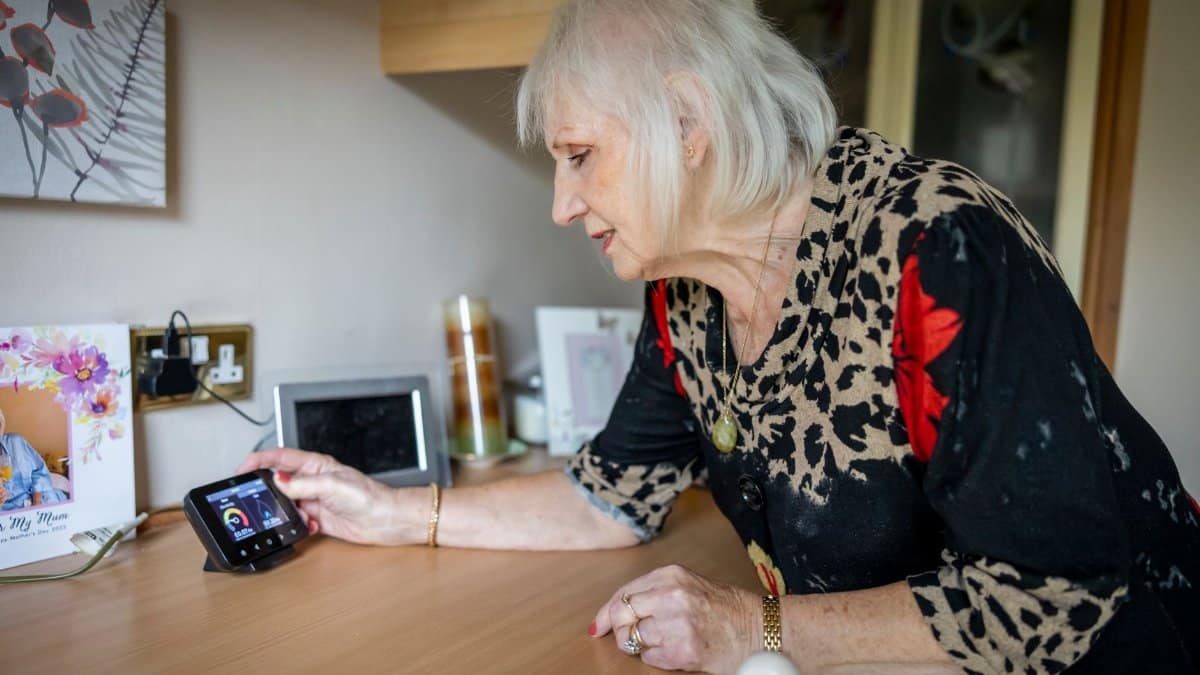
The useful work of this weekend is mostly ordinary. Change the clocks that do not change themselves, including the one in the garage and the one beside the bed. Check smoke alarms while you are already on a chair. Look at medication schedules, especially for older relatives whose pills are tied to morning or evening rather than to a feeling of hunger. If a child has a Sunday game or a Monday test, talk through the new bedtime before Saturday night turns into a negotiation.
Pets adapt on their stomachs. A dog that expects breakfast at a certain brightness will lobby early. Feeding on the new clock, not the old one, shortens the campaign. Plants on a windowsill do not care what the phone says. They will keep following the sun, which is a small reminder that the argument in the kitchen is about human labels, not about nature reversing course.
Faith communities and the early dark

In a region dense with churches, mosques, synagogues, and temples, the earlier sunset is not only a traffic story. Evening services, study groups, and community meals slide into darkness that used to arrive after the benediction. Sunset prayers move earlier on the clock because they follow the sun, not the office calendar. Sabbath and holiday beginnings that are tied to dusk will also print earlier. Choir rehearsals and youth groups compete with homework in a narrower band of family time.
Some congregations treat the shift as a cue rather than a nuisance. Earlier night invites earlier gathering. Candle lighting, quiet prayer, and shared supper fit a season that is already turning inward. Advent is still weeks away, and other traditions keep their own calendars, but the feeling is widely recognized. When the sun leaves before supper, people look for rooms with other people in them. Daylight saving time D-FW is a civic clock change. The way neighbors answer the dark is older than the statute.
The argument that never quite ends

Every autumn revives the same debate. Some residents want the late sunsets of summer to last all year, even if that means winter sunrise near 8:30 a.m. Others want the switch abolished in favor of standard time, accepting early dusk in exchange for morning light that matches school and work. Farmers, broadcasters, retailers, and parents do not share one interest. A golf course and a dawn bakery are not solving the same problem.
Congress has entertained bills to lock the clock and has not finished the job. States can opt out of daylight saving time, as Hawaii and most of Arizona have done, but they cannot unilaterally adopt year round daylight time under current federal law. Until that framework moves, editorials will keep appearing in November and again in March. The public, meanwhile, will keep setting alarms and muttering at the microwave.
A week to watch, not just a night to endure

The healthiest way through the first days is boring on purpose. Keep wake time steady. Seek outdoor light in the morning, even for ten minutes on a driveway. Dim the house in the evening so the body gets a clear signal that night has started, even if the clock says it is barely past supper. If sleep frays for more than a week or two, that is worth a conversation with a clinician, not another scroll through advice columns.
There is also a pleasure available to people willing to claim it. Porch lights come on while the street is still full of neighbors. Kitchen windows glow. The sky over the prairie goes purple before the evening news. Daylight saving time D-FW will return in spring, and the arguments will return with it. For now the hour is back in the morning, the sunset is early, and the Metroplex has a few weeks to learn the dark at a gentler pace than March ever allows.