
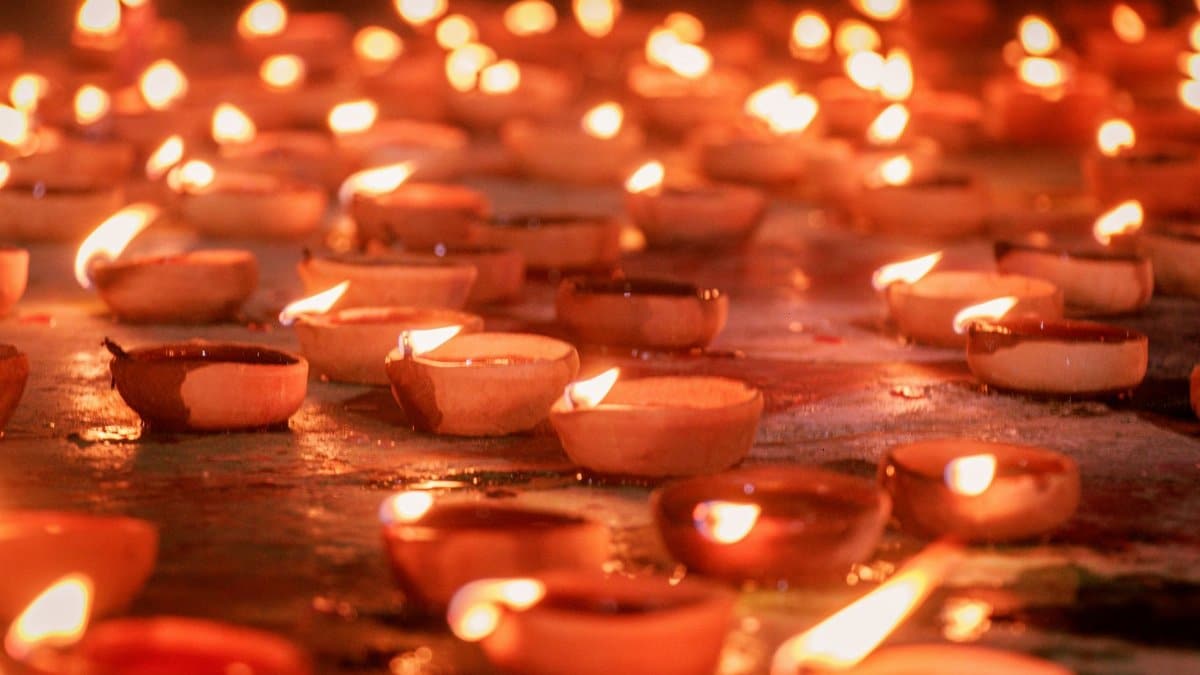
On a clear October evening the first oil lamps appear on porches from the Richmond District to Fremont, small flames against a wind that still smells like the bay. Neighbors who have never shared a language will share a plate. Children practice a dance step on a driveway while someone adjusts a speaker. This is the quiet start of a public season. Bay Area Diwali events turn that private light into something a whole region can walk through, from temple courtyards to civic plazas, and they do it again in 2026 as families prepare for the Festival of Lights.
A festival that travels with its people
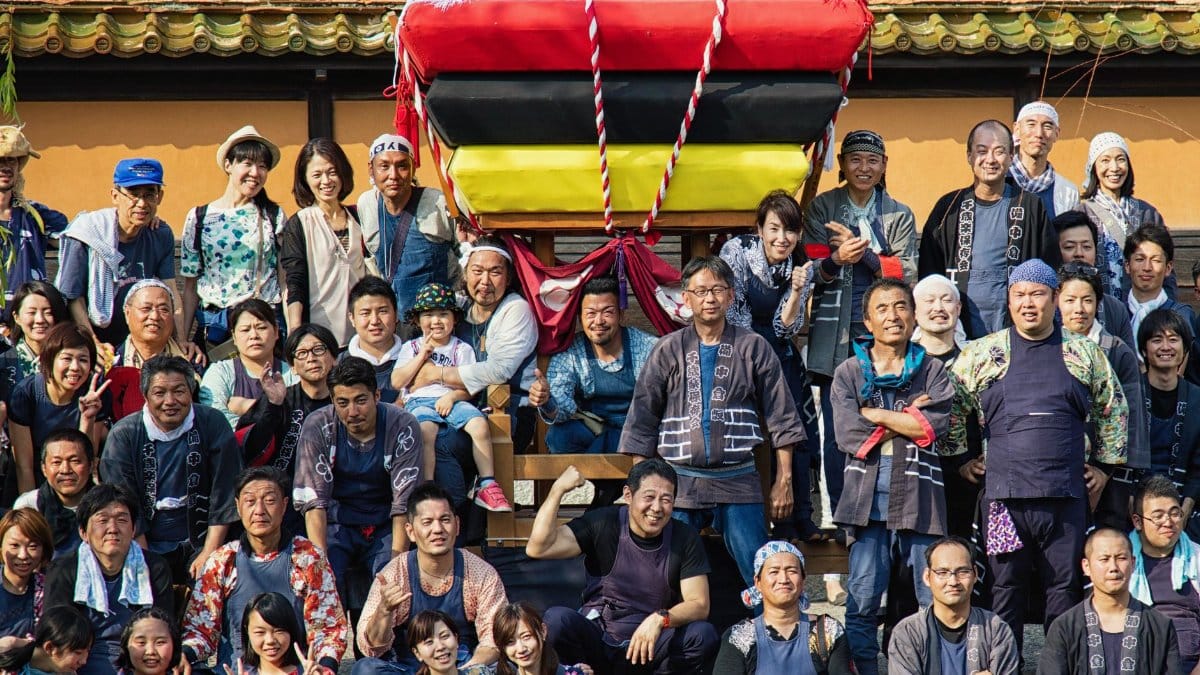
Diwali did not arrive in Northern California as a single imported program. It came with engineers and nurses, graduate students and shopkeepers, and with children who grew up code switching between English at school and Gujarati, Hindi, Tamil, Telugu, Punjabi, or Marathi at home. Over decades those households built institutions sturdy enough to host strangers. A region once known mainly for tech campuses now keeps a festival calendar that rivals older immigrant cities on the East Coast.
The holiday itself is older than any of those institutions. In the most widely told version, lamps mark the return of Rama after exile, a story of duty, separation, and homecoming. Other communities tie the night to Lakshmi, the goddess associated with prosperity, or to the victory of knowledge over ignorance. In the Bay Area those meanings sit side by side without a committee vote. A Jain family, a Sikh neighbor, and a secular colleague can stand in the same line for chai and mean slightly different things by the same flame.
What the lights are meant to mark
The theological core is simple enough to explain to a child and hard enough to exhaust a lifetime. Light is not decoration. It is an argument that confusion, grief, and debt do not get the last word. Households clean rooms, settle accounts where they can, and set out sweets as a sign that scarcity is not the only story. New clothes matter less as fashion than as a reset.
Public celebrations borrow that logic and scale it up. A lamp on a windowsill says the house is ready. A lamp in a plaza says the city is willing to make room. Organizers talk about welcome more than doctrine, which is why so many flyers invite people who have never celebrated before. The risk, of course, is that welcome becomes a backdrop for photos and little else. The better gatherings keep a short explanation nearby, spoken by a volunteer rather than printed in corporate language, so a first visit has somewhere to land.
How the regional calendar fills
No single office owns the season. Temples publish their own schedules. City departments sometimes co sponsor street festivals. University cultural groups book auditoriums. Restaurants add tasting menus. The result is a patchwork that rewards anyone willing to look past the first search result. Bay Area Diwali events cluster in the days around the main night and then spill into the following weekend, because weekday work schedules rarely bend for a lunar calendar.
San Francisco tends to offer the most visible civic stages. The Peninsula and the South Bay, where many Indian American families settled near jobs in tech and medicine, often host the largest temple crowds. The East Bay adds campus energy and smaller neighborhood fairs. A visitor who treats the region as one city will miss half the map. A visitor who treats it as four or five overlapping communities will find something within a reasonable drive on almost any evening of the festival window.
Rangoli, henna, and the work of the hands
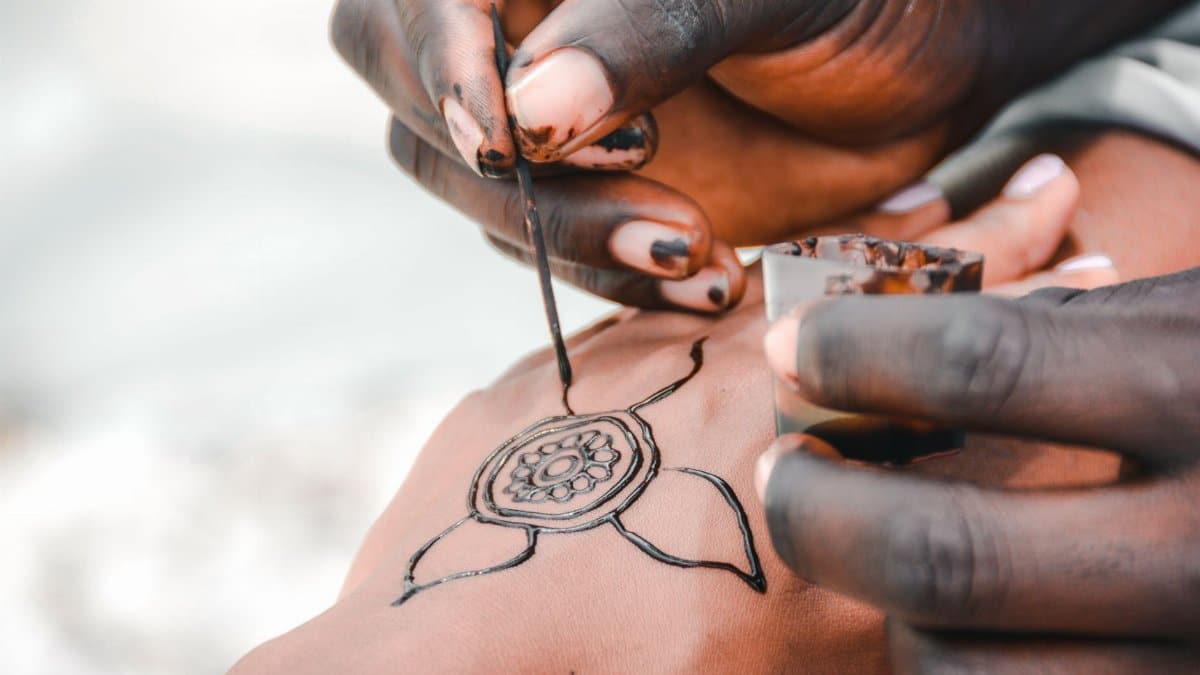
Before the music starts, the ground often tells you where you are. Rangoli, patterns drawn in colored powder, rice flour, or flower petals, spreads across entrances as a sign that guests are expected. The designs can be geometric, floral, or narrative. They take time, and they do not survive a hard rain or a careless shoe. That fragility is part of the point. Beauty offered for a night is still beauty.
Henna tables draw their own lines, especially among teenagers who want a mark they can carry back to school. A skilled artist works quickly and still cannot rush the paste. The stain darkens over hours, which means the souvenir outlasts the event. Parents sometimes grumble about the wait. They also understand that a craft learned in a grandmother’s kitchen is being practiced in a parking lot under string lights, and that this counts as continuity.
Dance, music, and the public square
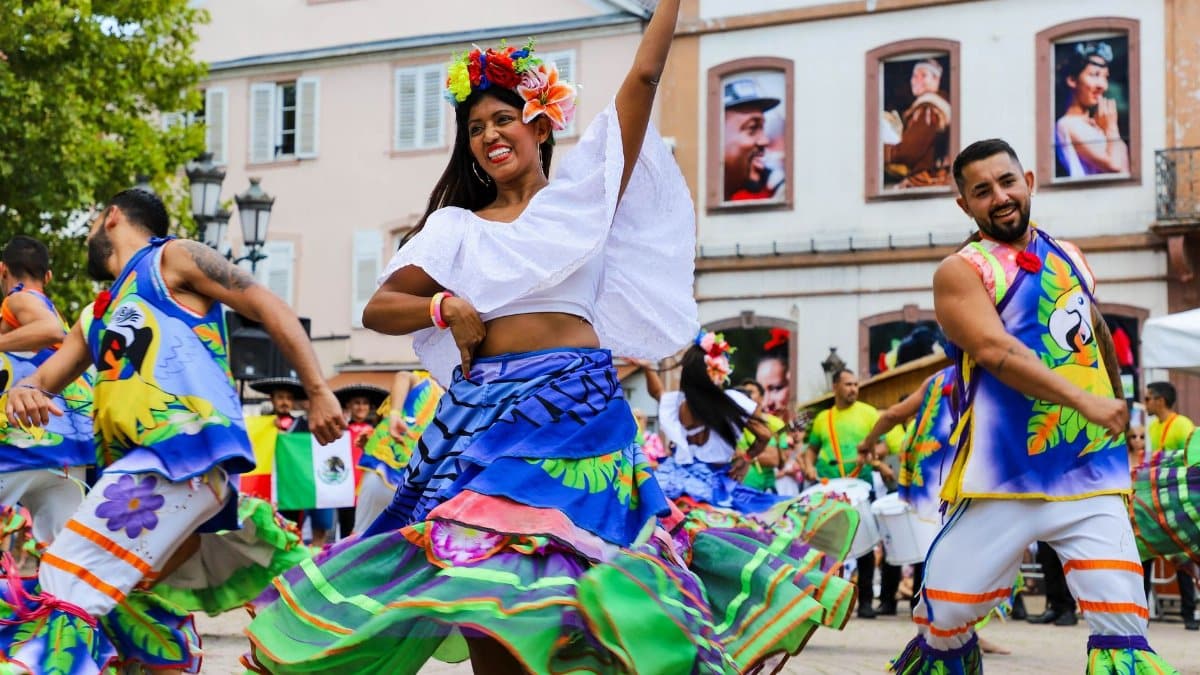
If rangoli is the quiet craft, dance is the announcement. Student groups rehearse garba and dandiya for weeks, circling with sticks in rhythms that look easy until you try them. Classical pieces appear on smaller stages, precise and unhurried. Bollywood medleys pull in people who know the films better than the scripture. A good emcee does not rank these forms. A good sound system keeps the neighbors from calling the city.
Live music changes the temperature of a crowd more than a playlist does. A dhol player can pull strangers into a circle that a speaker cannot. Community bands and visiting artists share bills that would look unlikely on a club calendar and ordinary on a festival one. The public square, in this sense, is not only a location. It is a permission to be loud together without apologizing for the volume of joy.
Free and low cost gatherings
Money shapes who feels invited. Ticketed galas have their place, especially when a nonprofit needs to fund a food pantry or a language school for the rest of the year. They are not the whole story. Many of the Bay Area Diwali events that draw the widest mix of ages and incomes are free or ask only for a small donation at the door. City co sponsored fairs, temple open houses, and campus nights often fall in that range.
Low cost does not mean casual. Volunteers spend months on permits, insurance, portable toilets, and the unglamorous question of where a thousand people will park. A family that cannot afford a formal dinner can still afford an evening of lights, sweets, and a dance their children will remember. That access is a civic achievement, not an accident, and it depends on people who never appear in the highlight reel.
Temples, halls, and city streets
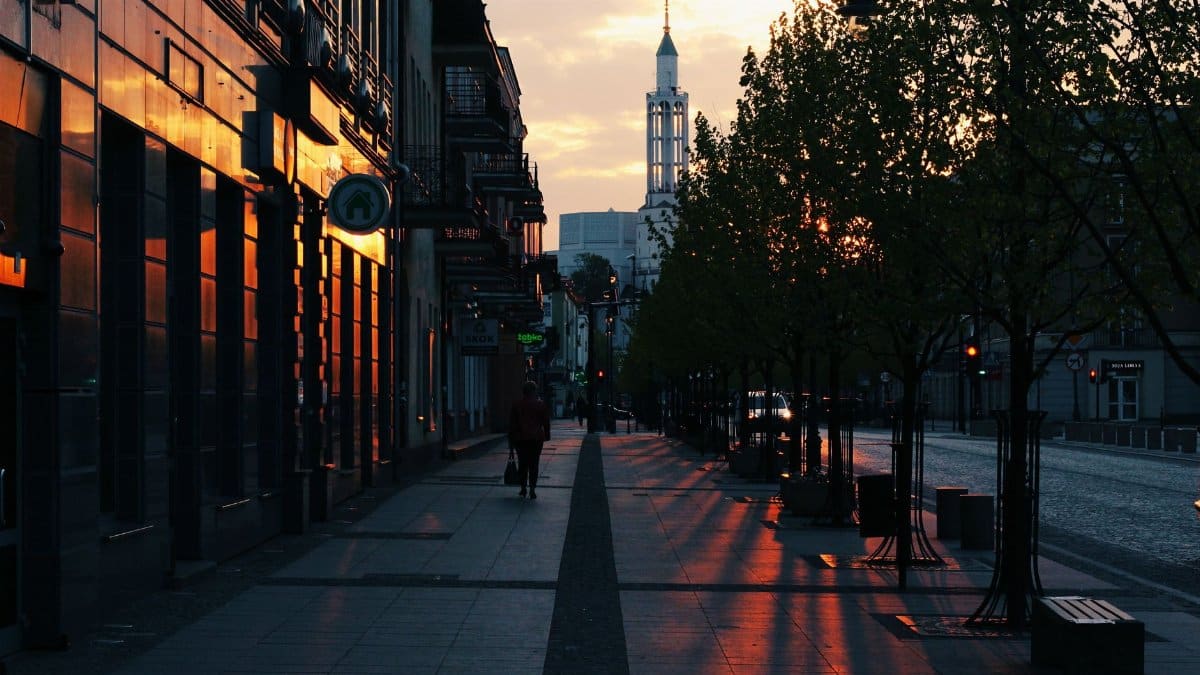
The architecture of the season is improvised. A temple courtyard built for weekly worship becomes a fairground. A school gym takes on the smell of cardamom. A blocked off street in a commercial district suddenly holds a stage, a row of vendors, and a line for sparklers where local rules allow them. Each setting teaches a different lesson about belonging. Inside a temple, guests are on someone else’s sacred ground and the etiquette is specific. On a city street, the festival borrows the sidewalk and gives it back by midnight.
Both matter. Sacred space protects practices that a plaza will sand down. Civic space tells a wider public that this holiday is not a private club. The healthiest Bay Area Diwali events keep a path between the two, so a newcomer can start on the street and, if curiosity holds, step inside for a lamp lighting without feeling tested.
Food as the other language of the night
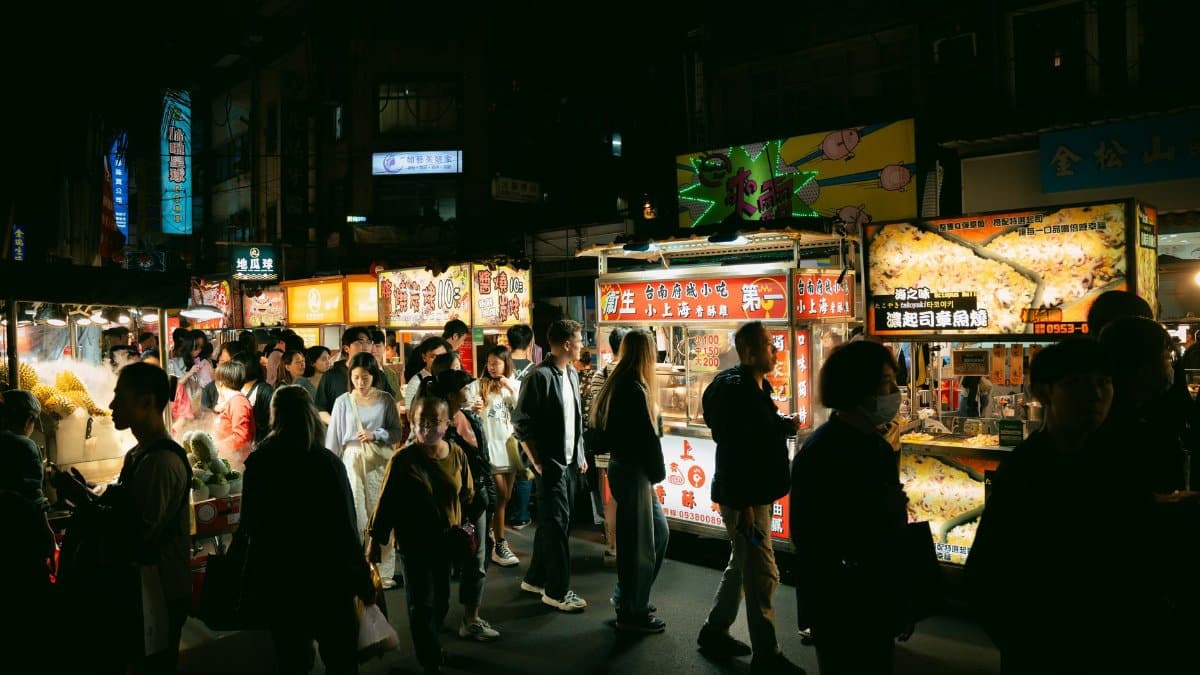
No one should pretend the theology is the only draw. People come for jalebi, samosas, dosa, kulfi, and whatever a particular region of the subcontinent or its diaspora considers nonnegotiable. A Gujarati snack table and a South Indian one can sit twenty feet apart and tell different histories of migration. Halal and vegetarian options appear because the crowd is not one congregation.
Food also does political work without a speech. Sharing a sweet with a stranger is a low stakes trust exercise. Long lines test patience and reveal whether organizers planned for the crowd they invited. When a stall runs out early, the disappointment is real, and so is the lesson that hospitality is a logistics problem as much as a feeling.
Children, elders, and who shows up
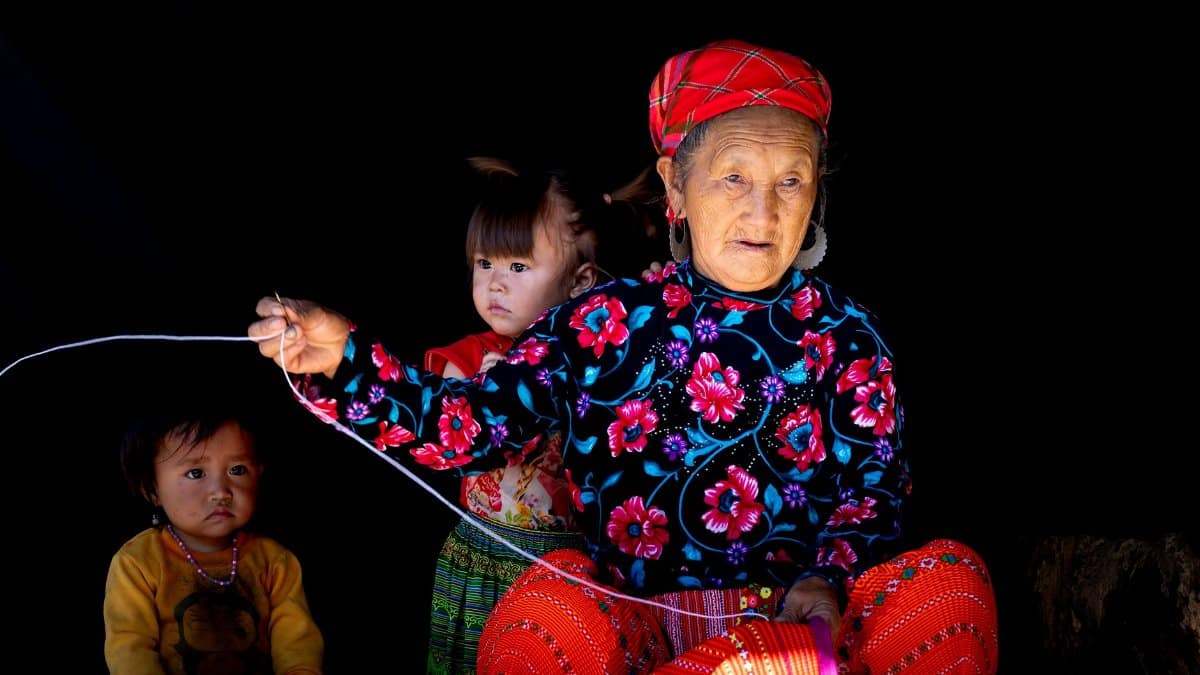
Watch the edges of any crowd and you can read the generational bargain. Elders want the lamp lighting done properly and the story told without irony. Children want glow sticks, friends, and a song they already know from a screen. Parents stand in the middle, translating both ways, sometimes tired of the job and unwilling to quit it. The festival works when none of those groups is treated as the audience and the others as scenery.
Newcomers who are not South Asian test the welcome in a different way. Some arrive through a coworker, a spouse, or a school flyer. They do not need a lecture. They need a clear start time, a sense of what to wear, and someone willing to answer a basic question without sighing. The communities that have practiced this for years make it look easy. It is a skill, renewed every autumn.
Planning a night without losing the point
Practical advice is not beneath a holiday about light. Check more than one listing, because Bay Area Diwali events are announced by many hosts and updated late. Confirm whether a gathering is outdoors, whether food is sold or served, and whether a ticket is required. Transit works better for some San Francisco sites than for suburban temples, where a carpool is often the real public transit. If you bring children, assume the interesting part will run later than the posted start.
Dress for a crowd and for weather that can turn cold once the marine layer arrives. Shoes you can stand in matter more than a new outfit. If photography is part of your plan, ask before aiming a lens at a ritual or at someone else’s child. None of this is sacred law. It is how a guest keeps from becoming the story.
A season larger than any single stage
The mistake is to hunt for the official Diwali, as if the region had appointed one. There is no such night. There is a cluster of nights, some vast and some small enough to fit in a community room, all trying to hold a very old idea in a very new landscape of freeways, rent, and shift work. The lamps do not cancel those pressures. They mark a pause in which people insist on seeing one another.
In 2026 that pause will look familiar to anyone who has walked these fairs before, and slightly different to anyone paying attention. New student groups will claim a stage. A temple will add a language to its announcements. A city block will close for a few hours and then reopen to ordinary traffic. What remains is the choice to show up, to bring a neighbor, and to let a small flame argue, for one evening, that the dark is not the whole account.