
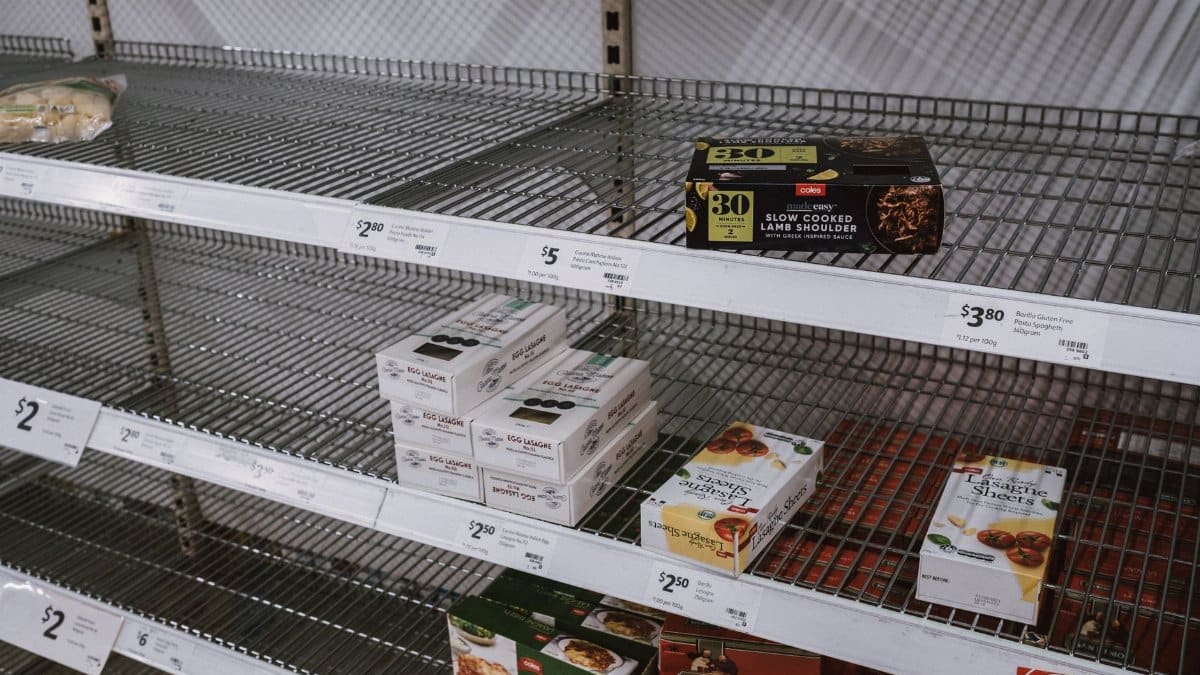
In the bustling streets of San Francisco a fresh proposal has ignited debate among locals and merchants who worry about empty storefronts dotting once vibrant blocks. The measure would place a financial burden on owners who leave grocery spaces unused for long periods aiming to spur quicker leasing and reduce urban decay. As discussions unfold the SF vacant grocery tax stands at the center of arguments over fairness and practical results for daily life in the city.
Origins of the Levy Concept

City leaders first floated the notion after observing a rise in shuttered food markets following pandemic shifts in shopping habits. They drew from similar efforts in other large towns to address blight while supporting better access to fresh goods for families. Advocates claim the approach could generate funds for community projects yet skeptics question whether it truly solves root causes like high rents and shifting consumer patterns.
Local Voices Express Growing Doubts

Many residents in affected districts voice unease about added costs that might pass to tenants or discourage new investments altogether. One longtime shopper noted how the plan overlooks the challenges of finding suitable operators in areas with declining foot traffic. Such feedback has added layers to the conversation pushing policymakers to reconsider details before any vote.
Effects on Everyday Food Choices

Neighborhoods already short on reliable grocers could face further strain if the tax leads owners to convert spaces to non retail uses. Families relying on nearby options for affordable produce describe the uncertainty as a threat to routine health and convenience. Observers point out that broader solutions like incentives for small vendors might prove more effective than penalties alone.
Merchant Concerns Take Center Stage

Property holders argue the SF vacant grocery tax unfairly targets one type of vacancy without addressing wider economic pressures such as rising insurance and labor expenses. They suggest collaborative talks with city hall could yield balanced rules that encourage occupancy without punitive measures. Recent forums have highlighted these points drawing attention from trade groups across the region.
Responses from Municipal Leaders

Officials defend the idea as a necessary tool to revive commercial corridors and ensure equitable development. They reference data on prolonged vacancies and insist the revenue would support programs aiding small businesses in transition. Critics however note a lack of clear metrics for success leaving room for adjustments amid mounting public scrutiny.
Broader Economic Ripple Effects

Analysts warn the policy might dampen investor interest in San Francisco retail properties at a time when recovery remains fragile. Alternative strategies such as streamlined permitting processes receive praise as ways to foster growth without new taxes. This angle has prompted calls for comprehensive studies before advancing the measure.
Lessons from Similar City Efforts
Other places that tried vacancy levies report mixed records with some success in filling spaces but frequent complaints over administrative burdens. San Francisco could learn from these examples by refining exemptions and timelines to fit local conditions. Thoughtful adaptation appears key to avoiding common pitfalls seen elsewhere.
Looking Ahead for City Retail Trends

The SF vacant grocery tax debate reflects larger questions about urban vitality and how communities adapt to change. With more critics emerging the outcome may hinge on finding common ground that balances accountability with support for recovery. Residents and leaders alike watch closely for signs of compromise that could shape the future landscape.