
On a clear evening the approach into Miami can look like a postcard that learned how to blink. Runway lights, cruise ships, and the glass of downtown already do half the advertising. County leaders have now added a private campaign to that skyline, and the paperwork has a name that sounds more like a rumor than a government file: the GTA Miami marketing deal. Rockstar Games is paying Miami Dade four million dollars to promote Grand Theft Auto VI with illuminated airport displays, cranes at PortMiami, and signage at the Kaseya Center. The revelation, first laid out in Miami Herald reporting, turned a branding arrangement into a public argument about taste, money, and who gets to write the image of a city that already sells itself every hour of the day.
What the county put on paper

The arrangement is not a vague promise of future collaboration. It is a paid promotion, with a price tag large enough to matter in a county budget conversation and small enough, in the scale of global game marketing, to look like a bargain for the company writing the check. Four million dollars buys visibility in places residents and visitors cannot easily ignore: the airport, the port, and a major arena. Those are not billboards on a highway shoulder. They are civic infrastructure, the machines and halls through which Miami announces itself.
Supporters describe the payment as found money. The county is not buying the game. Rockstar is buying the right to borrow the county’s most photographed surfaces for a title that has already made South Florida part of its fiction. Critics hear something else. Once a government rents its cranes and its arrival corridors to a private story, the line between public welcome and commercial set dressing gets thin.
Lights, cranes, and an arena that already has a name
Airport lighting is usually a language of safety, not sponsorship. Travelers read those patterns as procedure. Folding a game campaign into that visual field, even if the lights remain lawful and the promotion sits in permitted displays rather than in the signals pilots trust, still changes what the arrival means. A city that greets you with a blockbuster is telling you, before baggage claim, that spectacle is part of the municipal brand.
PortMiami’s cranes are harder to romanticize and easier to see from the water. They are working tools, orange against the bay, and they have become accidental icons. Wrapping that labor in a marketing message turns equipment into a moving billboard. The Kaseya Center already carries a corporate name, so additional signage there feels less like a breach and more like another layer on a building that long ago accepted commerce as architecture. The controversy gathers where the three sites are treated as one package, a single civic stage rented for one fictional Miami.
Why this game, and why this place

Grand Theft Auto has never been a quiet neighbor. The series is famous for satire, crime, and a cartoon of American excess that many players treat as comedy and many parents treat as a warning label. Setting the newest chapter in a version of this region was always going to collide with local pride. Miami has spent decades managing the gap between the city people live in and the city cameras invent. A major game does not invent that gap. It industrializes it.
That is the tender spot in the GTA Miami marketing deal. Officials can say, with some accuracy, that the county is being paid to acknowledge a portrayal it did not commission. Residents can answer that acknowledgment is a choice. You do not have to put the title on the cranes. You do not have to let the airport do part of the launch. Silence was available. So was a smaller, less symbolic buy.
The case for taking the money

Tourism agencies have chased worse partners. Four million dollars can fund real services, or at least relieve pressure somewhere else in a sprawling county. Airports and ports already sell naming moments, retail space, and digital screens. A game that will draw global attention to local skylines, music, and neighborhoods can be framed as unpaid location marketing with a check attached. If visitors come looking for the fiction and stay for the actual restaurants, beaches, and ballgames, the county can claim a return beyond the contract.
There is also a practical politics here. Refusing a famous tenant can look timid. Accepting one can look worldly. Commissioners who want Miami Dade to read as a capital of entertainment, not only of logistics and retirees, have an incentive to treat Rockstar as a peer of sports leagues and cruise lines. In that telling, the deal is not a moral referendum. It is a rental.
The case against lending the skyline
The opposing case is not only about violence in a rated game, though that objection is real and will not be waved away by a press release. It is about consent. Most people who drive past the port or land after midnight did not vote to become extras in a launch campaign. Children in the back seat do not distinguish between a public safety message and a private joke. Workers on those cranes did not apply for a job in advertising.
There is a second objection that has less to do with content and more to do with precedent. If a game studio can buy the airport’s glow and the port’s silhouette, the next bidder may be a sportsbook, a cryptocurrency firm, or a political committee with cleaner paperwork and a worse aftertaste. Governments that treat iconic infrastructure as inventory will not lack customers. They will lack a principle for saying no.
A county already fluent in promotion
None of this arrives in a vacuum. Miami Dade has long understood itself as a product as well as a place. Cruise terminals, sports franchises, art fairs, and airline hubs all trade on the same light. The difference with a narrative game is duration and tone. A jersey logo does not imply a plot. Grand Theft Auto VI will imply one, hour after hour, for an audience that may never separate Leon and Vice City folklore from the streets they later visit.
I have watched this confusion in smaller ways for years, in visitors who ask where the television Miami ends and the bus route begins. The confusion is not always harmful. It can be affectionate. It becomes a civic problem when public agencies help blur the line and then act surprised that residents feel conscripted. The GTA Miami marketing deal does not create that blur. It spends public surfaces to deepen it.
What transparency actually changes

Revelation matters. A contract that surfaces in the Herald, with a dollar figure and a list of sites, is healthier than a handshake buried in a tourism authority. Residents can argue with a number. They can ask which officials approved the sites, what creative control the county kept, and whether the displays can be pulled if the campaign turns crude. Those are ordinary questions of procurement, and they deserve ordinary answers: dates, votes, and the text of the agreement.
Transparency is not the same as legitimacy. Publishing the deal does not make the cranes neutral. It does let the argument happen in daylight, which is the minimum a democracy owes when it rents the tools people use to arrive, depart, and work. Anyone who wants the promotion to continue should welcome that scrutiny. Anyone who wants it ended should use the record, not rumor.
How other cities will read the experiment

Marketing departments elsewhere are already taking notes. Airports need revenue that does not depend only on landing fees. Ports want the public to see them as more than stacks of containers. Arenas live on sponsorship. A famous entertainment company willing to pay seven figures for a regional tableau is a template, not a one off, if the backlash stays manageable and the check clears.
The lesson will not be artistic. It will be administrative. Which agency signed. Which surfaces were excluded. Whether pilots, port labor, and arena tenants were consulted or merely informed. Cities that copy the package without copying the disclosure will inherit the anger and lose the alibi. Cities that copy both will still have to decide whether a fictional crime spree belongs on the hardware of arrival.
Taste, faith, and the stories a place tells

Some of the discomfort around this campaign is aesthetic, and some of it is moral in a quieter register than a content rating. Communities argue, often in religious language even when they are not in church, about what a hometown is allowed to celebrate. A county that lights its airport for a satire of greed is making a claim about irony: that we are grown enough to laugh at ourselves in public. A county that refuses would be making a claim about stewardship: that some stories should not be underwritten by the lights we share.
Neither claim is unserious. Miami has room for nightclubs and for congregations, for satire and for people who do not want satire on the crane outside their shift. The argument is not resolved by calling one side prudes and the other side killjoys. It is resolved, if it is resolved at all, by admitting that public space carries meanings money cannot fully price.
What residents can still ask

The useful questions are concrete. How long do the displays run. Can they be refused at the port if workers object. Does the airport promotion stay clear of anything a pilot or a controller could mistake for instruction. Where does the four million dollars go, in line items a neighbor can read. What happens if the game’s marketing turns toward imagery the county would not put on its own letterhead.
Those questions do not require anyone to hate video games or to pretend Miami has a virgin skyline. They require the county to act like a landlord with standards, not like a fan who got a callback. Rockstar will market its game with or without these sites. The county’s choice is whether the real port and the real runway join the fiction as paid extras.
A skyline that still belongs to the people under it
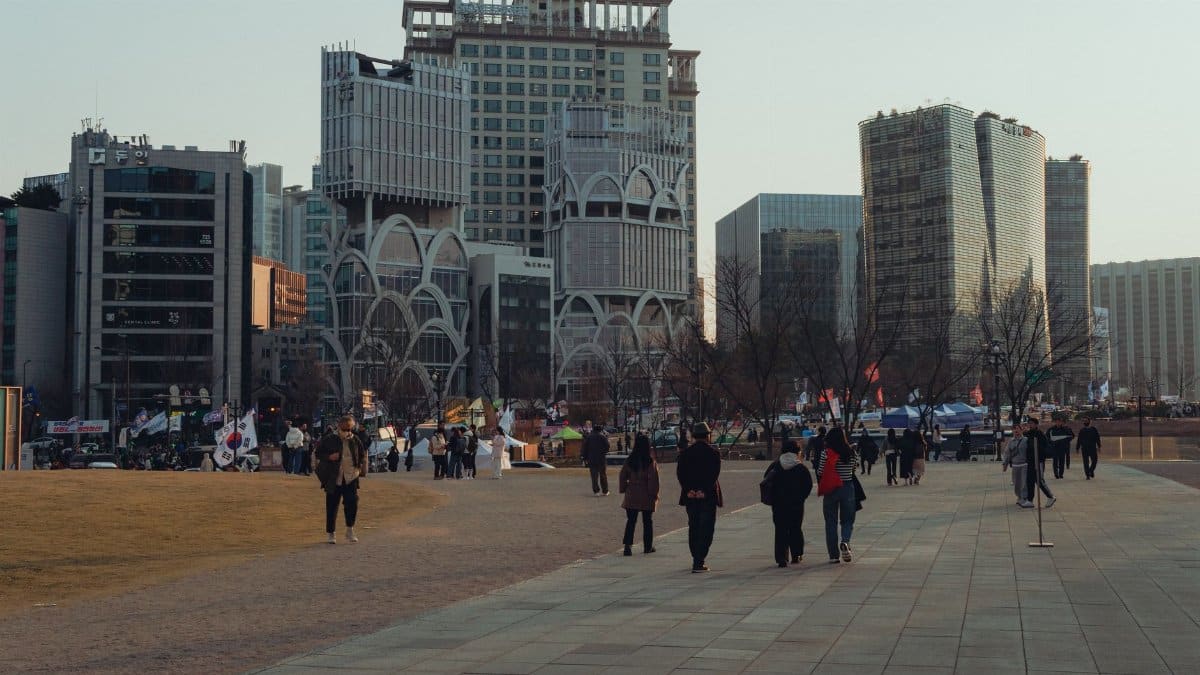
Deals like this fade faster than the arguments they start. The lights will cycle to the next sponsor. The cranes will go back to looking like cranes. The Kaseya Center will sell another board. What remains is a habit. Either Miami Dade treats its most visible tools as rentable skin, or it keeps a short list of surfaces that stay civic even when a famous check arrives.
The GTA Miami marketing deal is a test of that habit, conducted in the most Miami possible medium: brightness, water, and a story bigger than the block it was filmed to resemble. Readers do not have to settle the art. They do have to notice when their arrival home has been sold as someone else’s opening scene. A city can survive that sale. It should not get comfortable pretending the sale was only a painting of the lights.