

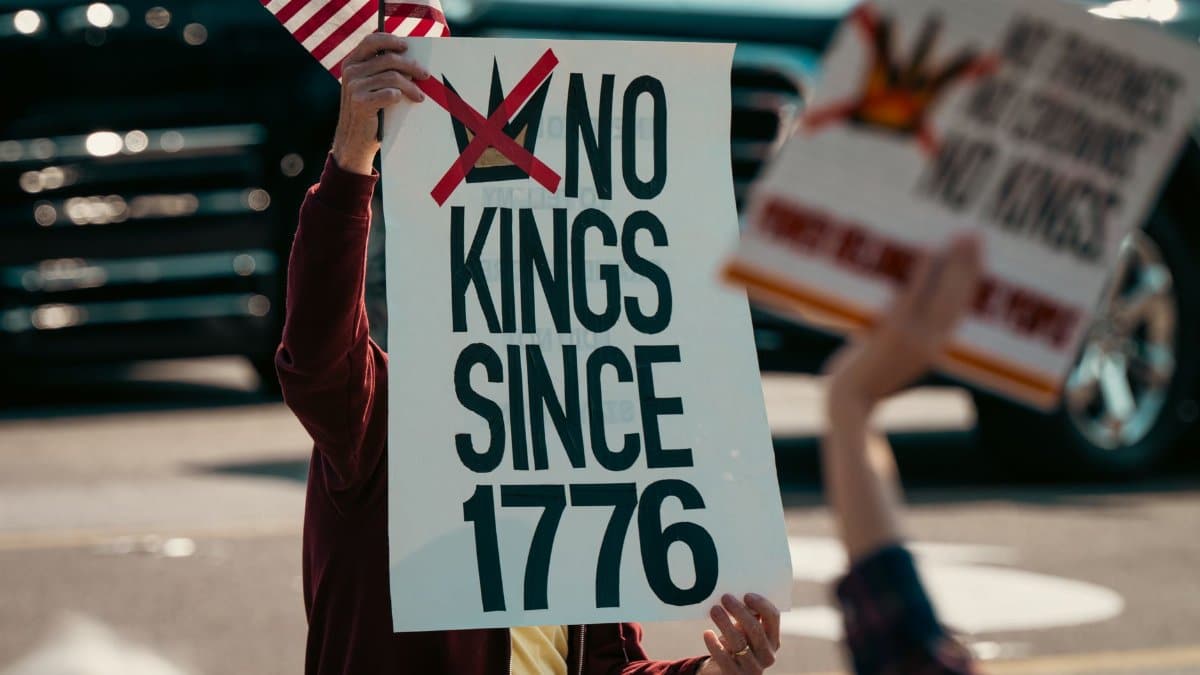
On a warm evening outside Houston City Hall, immigrant advocates stood with handmade signs while council members inside weighed a vote that would not stay local for long. The measure before them carried a plain name and a heavy consequence: ICE policy amendments, drafted after Gov. Greg Abbott warned that Houston could lose public safety grants worth about 114 million dollars. The room was tense, the language careful, and the politics impossible to miss.
A vote shaped by a funding threat

Houston City Council approved the changes after weeks of pressure from Austin. Abbott had tied continued public safety money to closer cooperation with federal immigration authorities. City leaders who had hoped to keep the debate narrow found themselves defending a budget line that pays for officers, equipment, and emergency response. For a city the size of Houston, that sum is not symbolic. It is payroll, vehicles, and the capacity to answer calls.
Supporters framed the vote as fiscal realism. Opponents called it coercion dressed up as policy. Both descriptions can be true at once. A council can dislike the terms of a bargain and still decide that walking away costs more than it can explain to residents who expect police and fire services to remain fully funded.
What the amendments actually do
The package does not turn Houston police into a full immigration force. It tightens rules around when local officers share information, how detainers are handled, and how city departments document contact with Immigration and Customs Enforcement. The text is bureaucratic on purpose. Ambiguity had been a shield. The amendments replace some of that ambiguity with procedures that state officials can audit.
That shift matters more than any single clause. Once a city writes cooperation into local policy, later councils inherit a paper trail. Reversing it becomes harder, especially if grant agreements treat the language as a condition of payment. Advocates who read the fine print argued that procedure is power, even when the procedure looks modest on the page.
Mayor Whitmire and the political middle

Mayor John Whitmire has spent his career in the space between law enforcement priorities and urban Democratic politics. The amendments fit that instinct: concede enough to keep state money flowing, stop short of the most aggressive proposals circulating in the Legislature, and describe the result as public safety rather than immigration politics. Allies say that is governing. Critics say it is a slow surrender of local discretion.
Houston is not a small town that can absorb a symbolic fight with the governor. It is a port city, an energy capital, and home to one of the largest foreign born populations in the country. Any rule that changes how police meet immigrants will be felt in apartment complexes, job sites, and hospital waiting rooms long before it appears in a campaign ad.
How advocates read the moment

Immigrant rights groups treated the vote as a warning, not a surprise. They organized outside the chamber, testified inside it, and warned that families already wary of police would retreat further from reporting crime. Their argument is practical as well as moral. If victims and witnesses stay silent, cases go cold. A policy sold as safety can, in their view, make neighborhoods less safe.
Several speakers described routine fear: a traffic stop that becomes a question about status, a parent who will not open the door, a worker who skips a court date. Those stories do not prove that every clause in the amendments will produce that outcome. They do explain why the phrase ICE policy amendments landed in Houston as more than paperwork.
Faith communities step into a civic fight

Because this fight reached congregations as well as courtrooms, pastors and lay leaders showed up with a language the council is not used to hearing in budget hearings. They spoke about sanctuary in the older sense of the word, about neighbors, and about whether a city can claim hospitality while writing fear into its procedures. That is not a legal brief. It is a moral claim, and it traveled through parishes that cut across party lines.
Some clergy urged the council to protect funding and protect families at the same time, an appeal easier to preach than to draft. Others rejected the premise that money from Austin should set the terms of mercy. The divide inside churches mirrored the divide on the dais: prudence against principle, with no clean way to satisfy both.
Legal limits the council cannot erase

Texas law and federal statutes already constrain what a city may refuse to do. Local policy cannot nullify a lawful detainer process, and it cannot invent powers the Legislature has withheld. City attorneys, according to people familiar with the briefing, walked members through that narrow corridor. The amendments sit inside it: more documentation, clearer channels, fewer places where an officer can claim not to know the rule.
Civil liberties lawyers will test the edges anyway. Challenges tend to focus on whether a local rule encourages stops without adequate cause, or whether it pressures officers to act as immigration agents without training or authority. Those cases take years. Meanwhile the policy is in force, and the grants, if released, will arrive on a faster calendar than any injunction.
The grant money and what it buys

Public safety grants are easy to reduce to a single frightening number. In practice they are a stack of programs: equipment replacement, training, specialized units, and support that cities fold into annual budgets until the money feels permanent. Losing it would not shutter the Houston Police Department. It would force cuts, delays, and a round of explanations that no mayor wants to give after a storm season or a spike in violent crime.
Abbott understands that arithmetic. By attaching immigration cooperation to funds cities already count on, the state turns a policy dispute into a budget emergency. Houston is large enough to bargain and not large enough to ignore the threat. Smaller cities watching the vote will treat the outcome as a template.
Police chiefs and the street level view
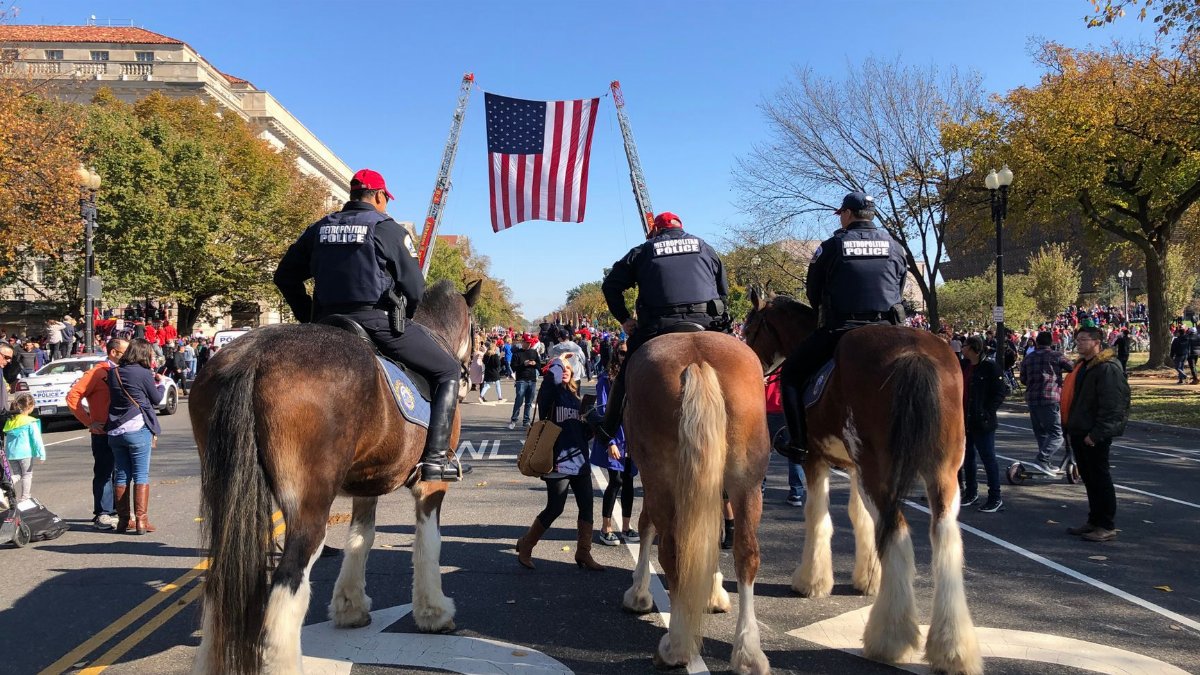
Rank and file officers rarely write the amendments, but they live with them. Chiefs tend to want clear orders and fewer lawsuits. Community policing programs want trust. Those goals collide when a traffic stop can end in a federal hold. Commanders who briefed the council emphasized compliance and officer safety. Neighborhood groups emphasized whether a victim of domestic violence will still call 911.
There is no spreadsheet that settles that tension. Departments can publish statistics on detainers and still miss the calls that never come. The honest measure of these ICE policy amendments will be behavioral, and it will lag the press conference by months.
A state strategy with a national echo

Houston is the latest city pulled into a broader contest over who sets immigration enforcement at the local level. Governors in several states have used funding, preemption, and public accusations of sanctuary policies to pull city halls toward federal priorities. The federal government, for its part, has alternated between demanding cooperation and cautioning against overreach, depending on who holds the White House.
That inconsistency leaves cities exposed. A rule written to satisfy one administration can become a liability under the next. Council members know this, which is one reason the amendments were drafted in the language of process rather than ideology. Process survives a change in party more easily than a speech does.
What residents should watch next

The vote is not the end of the story. Implementation rules, training bulletins, and the actual flow of grant dollars will show whether the council bought stability or merely postponed a harder fight. Watch whether detainer requests rise, whether the city publishes plain language explanations, and whether Abbott declares the city in compliance or returns with new conditions.
Residents who never attend a council meeting will still feel the result if response times slip or if whole blocks go quiet around police. Residents who marched outside City Hall will measure success by whether families keep showing up at schools, clinics, and precincts. Those are different scorecards. Both are legitimate.
The cost of governing under threat

There is a habit in American cities of treating every immigration vote as a morality play with a villain in the capitol and a hero at the microphone. Houston’s debate was messier, and more useful for that reason. A council can believe Abbott’s tactic is heavy handed and still conclude that refusing the money would punish people who had no vote in Austin. A protester can accept that fiscal fact and still insist that fear is a public safety problem of its own.
The ICE policy amendments now on the books try to split that difference. They will be judged less by the rhetoric that surrounded them than by the quiet record of the next year: who gets stopped, who gets held, who gets help, and whether 114 million dollars arrives without a new demand attached. In a city this large, policy is never only paper. It is the distance between a household and the institutions that are supposed to protect it.