
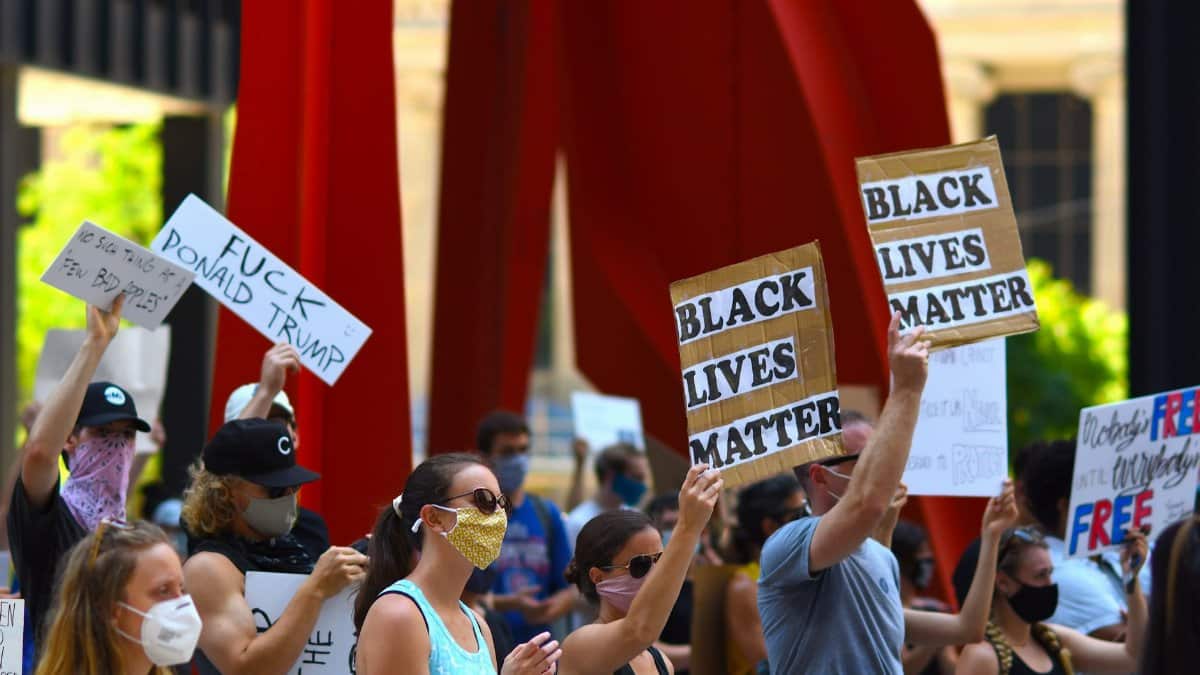
In the final stretch of a tense Senate fight, a familiar American argument has returned to the center of Michigan politics. President Donald Trump has intensified attacks that treat a Muslim candidate’s faith as a liability rather than a private matter of conscience. The phrase Trump El-Sayed Michigan now circulates as shorthand for a clash over belonging, loyalty, and who may seek high office without a religious interrogation. Arab American leaders across the state have answered with a sharp rebuke, warning that the rhetoric does more than bruise one campaign. It revives a suspicion that has shadowed Muslim citizens for a generation, and it asks voters to decide whether faith itself can be turned into a disqualifier.
A drumbeat rather than a single speech
The escalation did not arrive in one tidy moment. In rallies, social posts, and remarks relayed by allies, the president has framed the Democratic hopeful as a threat defined by religion rather than by a record in public health or a platform on costs, wages, and care. Supporters hear a warning about values. Critics hear a religious test dressed up as toughness. Either way, the repetition matters. In a state where margins are often thin, a story told often enough can harden into a voter shortcut.
People who watch the race closely say the attacks have grown more explicit as national attention has grown. What began as innuendo about loyalty has moved toward open claims that a Muslim office seeker cannot be trusted with power. That shift is what Arab American organizers describe as an escalation, not a slip of the tongue. They argue that the point is not to debate a bill or a budget line. The point is to make identity the whole story.
Faith placed on trial

American campaigns have long flirted with religious suspicion, from Catholic candidates in an earlier century to more recent panics about mosques and religious law. The present fight borrows that old script and updates the costume. The candidate is a physician who once led Detroit’s health department and who has spoken about policy in the language of evidence, prevention, and equity. None of that biography has stopped opponents from reducing him to a single identity.
Religious leaders who are not themselves Muslim have begun to notice the method. A political attack that treats Islam as inherently disloyal does not stay inside one community. It teaches every minority faith that devotion can be recast as danger when the recasting is useful. That is why some pastors and rabbis in Michigan have joined statements defending the right of Muslims to run, to worship, and to be judged on votes and ideas rather than on a cartoon of belief.
The Arab American answer
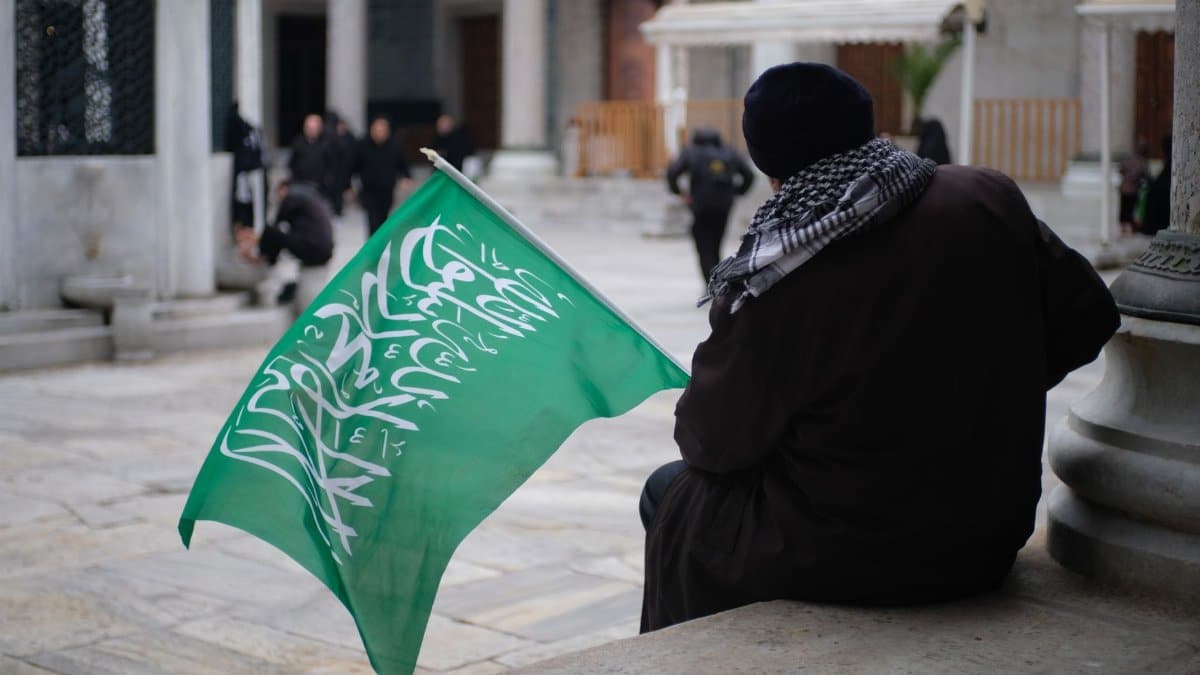
The sharpest reply has come from Arab American civic groups, mosque networks, and business leaders who know Michigan politics from the inside. Dearborn, Hamtramck, and other pockets of the southeast hold some of the country’s most concentrated Arab and Muslim communities. Their message has been steady. The attacks are not colorful campaign spice. They are an attempt to make neighbors suspect one another.
Those leaders have rejected the idea that criticism of a platform is the same thing as an attack on faith. Voters, they say, may reject any contender on taxes, foreign policy, or temperament. What they will not accept is a presidency that paints Muslim citizenship as conditional. The rebuke is aimed as much at the national microphone as at any local surrogate. In community halls, the language has been plain: we are not guests in this state, and we will not audition for belonging every election year.
Why this state keeps absorbing the fight
Michigan is not a backdrop chosen at random. It is a manufacturing state, a union state, and a state with a large Arab American population whose votes can move a close contest. It is also a place where economic anxiety and cultural argument often share the same kitchen table. A president who wants to nationalize a Senate race can do it here with unusual speed, because the audiences he needs are already listening for different reasons.
For viewers outside the state, Trump El-Sayed Michigan has become a way to locate a local wound inside a national feed. Cable segments and search habits collapse a complicated electorate into three words. Lost in that compression are shift changes at auto plants, staffing gaps in hospitals, rent in college towns, and the ordinary fact that Muslim Michiganders coach youth sports, staff emergency rooms, and pay the same property taxes as everyone else. The shorthand is efficient. It is also a kind of erasure.
The physician who stepped into politics

Before he was a headline, the candidate was a doctor trained to look for causes rather than villains. He built a public profile during the 2018 race for governor, arguing that health, environment, and economic dignity were one subject seen from different rooms. He did not win that primary. He did establish himself as a voice for a style of politics that treats data as a moral instrument and treats illness as something a society can choose to reduce.
That history matters because the current attacks rarely engage it. A voter who wants to argue with his ideas on insurance, climate, or the Senate’s role in foreign crises will find little of that argument in the presidential barrage. The omission looks strategic. Identity is easier to inflame than a careful brief on rural hospitals or prescription costs. In that sense the escalation is also a refusal to campaign on the terms the candidate prefers.
Religious freedom as a civic practice
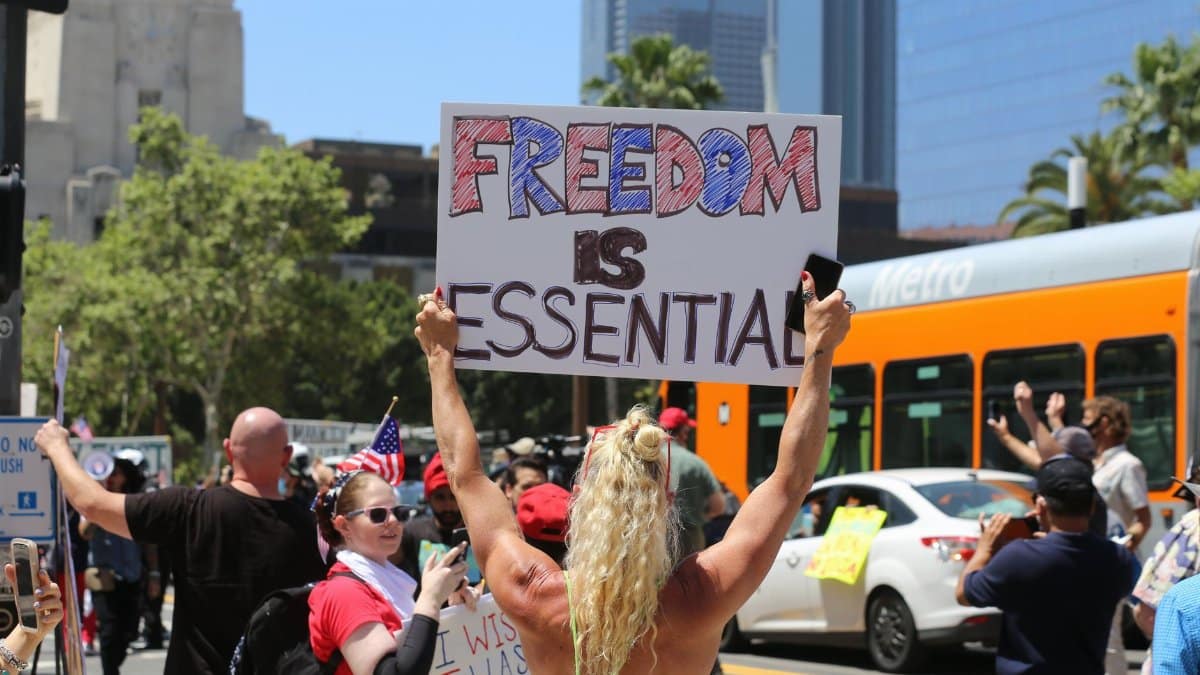
There is a spiritual question underneath the horse race, and it is not confined to one tradition. The country’s founding bargain was that the state would not police conscience. Citizens could be pious, skeptical, or quietly unsure, and still stand for office. When a president suggests that one scripture places a candidate outside the circle of trust, that bargain is being stress tested in public, in front of people who will remember the test longer than they remember the ad buy.
Mosques in Michigan have responded in ways that look less like campaign operations than like pastoral care. Imams have urged congregants not to answer dehumanization with dehumanization. Interfaith meals and church basement conversations have tried to keep the argument on policy, on budgets, and on the conduct of war and peace. Whether that restraint survives a louder month of ads is an open question. Restraint is a discipline, not a guarantee, and it frays when families hear their faith described as a problem on the evening news.
What the shouting is designed to cover
Every negative campaign hides something by what it chooses to shout. Here, the shouting covers pocketbook issues that usually decide Michigan races: the price of groceries, the stability of auto jobs, the cost of insulin, the condition of roads, the fear of a medical bill that arrives after the crisis has passed. A Senate seat is also a vote on judges, on budgets, and on whether the chamber restrains or amplifies a president. Those are dull subjects beside a rally line. They are also the subjects that govern a household.
Arab American organizers have tried to drag the conversation back to those stakes. Their rebuke is not a request for special treatment. It is a request that their candidate, and any candidate, be allowed to win or lose as a politician. In community forums the practical questions sound familiar to anyone who has sat through a town hall. Who will defend manufacturing? Who will take health costs seriously? Who will treat diplomacy as more than a slogan for a Thursday night crowd?
The permission a tactic leaves behind

The danger of this episode is not only the fate of one campaign. It is the permission structure it builds. If a sitting president can describe Muslim faith as a disqualification and pay little political price, the next cycle will inherit the tactic. School board fights, statehouse races, and city councils have already seen smaller versions of the same move. Michigan is simply where the volume is highest this month, and where the cameras have decided to linger.
Civil rights advocates describe a pattern rather than a single remark. Suspicion, once licensed from the top, filters into hiring, into airport lines, into the way a woman in a headscarf is spoken to at a parent meeting. Those harms are harder to film than a rally, and they last longer than a news cycle. Community leaders have tied campaign language to that daily life in their rebuke, arguing that words from a podium do not stay on the podium. Coverage that files the story only as Trump El-Sayed Michigan can miss that second life of the rhetoric, the life that continues after the segment ends.
How the parties are choosing their frames

Democrats in the state face a choice between treating the attacks as a distraction and treating them as the central moral fact of the race. Some want to pivot at once to economics, worried that a fight about religion helps the president set the frame and star in every clip. Others argue that silence reads as consent, especially to young Muslim voters who already feel talked about more than talked with. Neither instinct is costless. A pivot can look like avoidance. A moral confrontation can look like a trap.
Republicans are not a monolith on the tactic. Some welcome the heat, believing cultural conflict mobilizes their base in rural and outer counties. Others, particularly those with business ties in Dearborn or with an eye on general election math, would rather argue about regulation, spending, and the size of the federal footprint. The president’s megaphone makes their preference secondary. When he speaks, the race rearranges itself around his sentence, and local candidates are left to decide whether to echo, soften, or step aside.
What October is likely to leave on the record

As the month deepens, the practical question is whether the escalation continues or whether advisers try to bank the attention and move on. Lines crossed in public are rarely unsaid. They are repeated, clipped, and sent back into feeds until they feel like common sense to one audience and like an insult to another. Advisers can change a schedule. They cannot easily change what people already heard their leader say about their neighbors.
For readers far from Michigan, the episode can look like one more entry in a long national argument about identity and power. For families who recognize themselves in the target, it is closer than that. The rebuke from Arab American leaders is an attempt to refuse that shrinking of citizenship. It insists that a Senate campaign can be hard fought without becoming a trial of belief, and that spiritual life belongs to congregations and consciences, not to opposition research.
Whatever later surveys report, the record of this stretch will remain readable. A president chose to escalate. A community answered in public. And the shorthand Trump El-Sayed Michigan will keep pointing, for a while at least, to the place where that choice was made in full view, with voters left to decide whether faith is a fact of American life or a weapon waiting for the next close race.