

In the dead of winter, when salt covered roads turn every vehicle into a rolling reminder of the seasons demands, Michigan drivers often find themselves searching for reliable ways to keep their cars clean. This need has fueled a noticeable increase in Michigan car washes throughout urban and suburban areas alike. The trend reflects broader patterns tied to weather, infrastructure and shifting consumer habits across the state.
Harsh Weather Patterns Fuel Growth

Michigan experiences prolonged winters that bring heavy snow and ice, leading to widespread use of road salt. This substance protects drivers but leaves vehicles coated in grime that accelerates rust if not addressed promptly. As a result, residents seek frequent cleaning services to maintain their cars. The demand has encouraged entrepreneurs to invest in new facilities equipped with advanced brushes and drying systems suited for cold conditions.
Road Salt Effects on Vehicle Maintenance
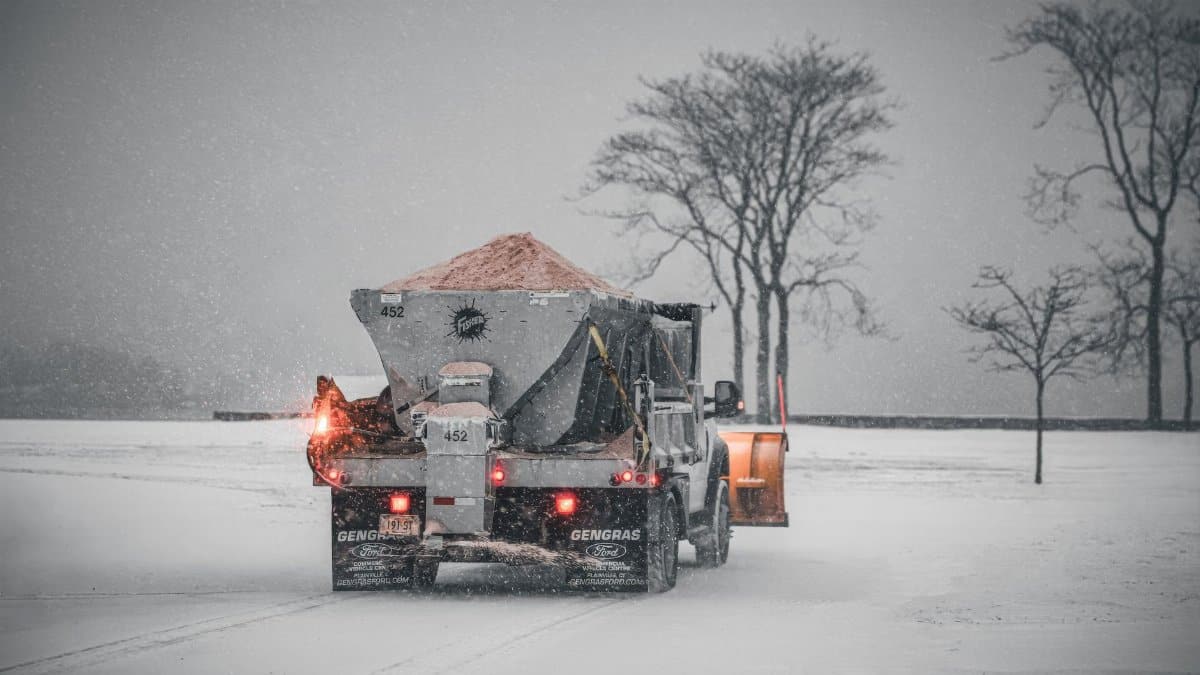
Salt application on highways creates a corrosive environment that shortens the lifespan of undercarriages and paint jobs. Owners report needing more regular washes to counteract this damage. Facilities have responded by offering underbody sprays and specialized packages designed for salt removal. Such adaptations have helped operators build loyal customer bases in cities where winter lasts for months.
Local Regulations and Permit Pauses

Some municipalities have begun reviewing zoning rules as new sites multiply. Officials cite concerns over water usage and traffic flow near residential zones. In certain areas, temporary halts on permits allow time for updated ordinances that balance business interests with community needs. These measures aim to prevent oversaturation while supporting sustainable operations.
Economic Drivers Behind the Expansion

Steady population growth in key regions and rising vehicle ownership have created favorable conditions for service based businesses. Investors note that car washes can generate consistent revenue even during economic fluctuations because cleaning remains a recurring expense for many households. Franchise models have accelerated the pace of openings by providing standardized operations and marketing support.
Consumer Convenience Trends
Modern facilities often include subscription options that allow unlimited washes for a fixed monthly fee. This approach appeals to busy professionals who value quick access without repeated payments. Locations near highways and shopping centers benefit from high visibility and easy entry points that encourage impulse visits after commutes.
Environmental and Water Management Issues

Water recycling systems have become standard in newer builds to reduce consumption and comply with state guidelines. Operators invest in filtration technology that reuses a large portion of runoff. These practices help address public questions about resource use while maintaining service quality during peak seasons.
Effects on Neighborhood Businesses

The arrival of large scale cleaning sites can influence nearby retail activity by drawing steady foot traffic. Some small service stations have adapted by adding their own wash bays to retain customers. Community leaders watch these developments closely to ensure balanced commercial growth that supports existing establishments.
Technological Advances in Service Delivery

Automated tunnels now feature sensors that adjust cleaning intensity based on vehicle size and dirt levels. Mobile apps allow users to track wait times and prepay for services. These innovations improve efficiency and reduce labor costs, making the model attractive for expansion in competitive markets.
Challenges for Independent Operators

Smaller businesses face pressure from national chains that benefit from bulk purchasing and brand recognition. Adaptations such as personalized customer service or eco friendly product lines help independents differentiate themselves. Success often depends on location selection and responsiveness to local preferences.
Outlook for Continued Development

Analysts expect further growth as infrastructure improvements and climate patterns persist. Industry reports from sources like the Detroit Free Press highlight ongoing interest in the sector. Communities will likely refine policies to manage expansion while preserving quality of life for residents. This evolution underscores how regional conditions shape everyday services in meaningful ways.