
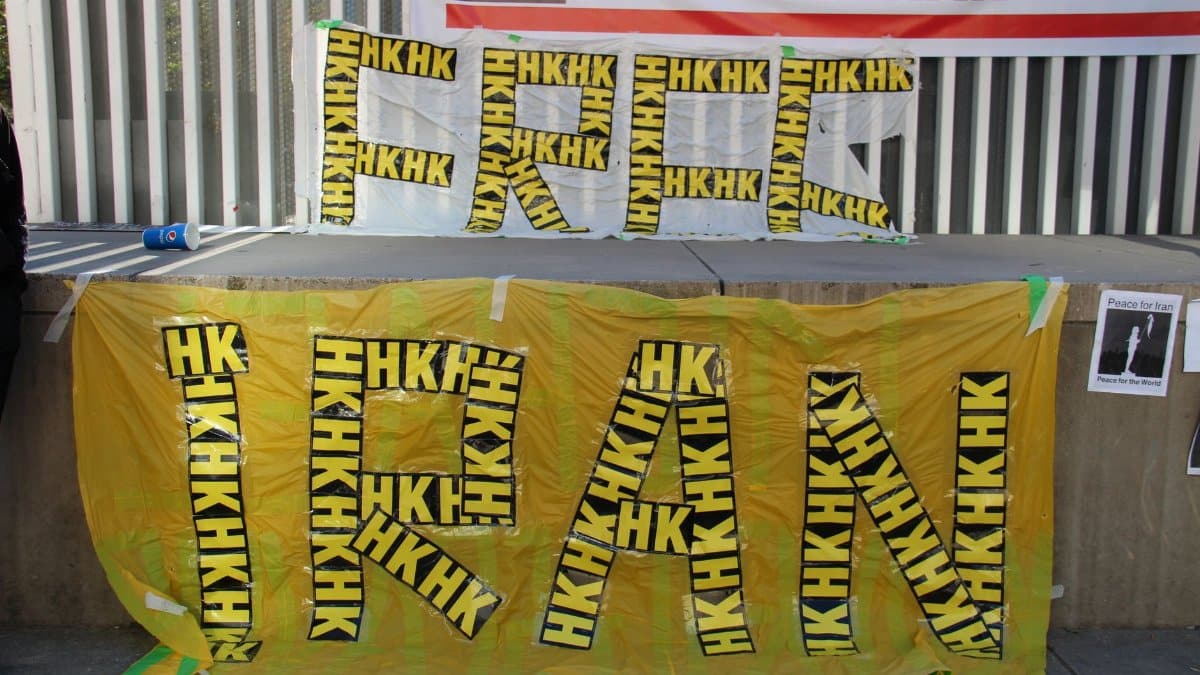
On a quiet Sunday in late October 2026, officials in Tehran said the lines to Washington had not gone dark. The remark landed while families across the region refreshed news feeds and wondered whether another season of strikes was gathering. Iran US messages, passed through intermediaries rather than shouted across podiums, were described as continuing even as fears of renewed fighting rose before elections on both sides. The claim did not end the anxiety. It did suggest that someone, somewhere, was still willing to carry a sentence from one capital to the other.
A narrow statement with a wide echo

Iranian officials framed the moment as proof that diplomacy had not been abandoned. They did not publish the text of any note. They did not name the courier. They said, in essence, that contact remained possible and that talking had not been ruled out. In a season when every pause can be read as preparation, that small assurance traveled farther than its wording. Diplomats who have watched this file for years know the pattern. A public hint of contact can cool a market, steady an ally, or buy a week. It can also be dismissed as theater. Both readings were available on October 25, 2026, and both found audiences.
What mattered was less the poetry of the statement than its timing. Concerns about a fresh round of conflict had been building for weeks. Military movements, heated speeches, and thin public trust made ordinary sentences feel loaded. When Tehran said messages were still moving, listeners heard a bid to keep a door ajar. Whether Washington heard the same thing is a separate question, and one that officials in the United States have often answered with caution rather than confirmation.
Why the weeks before elections feel sharper
Election seasons compress judgment. Leaders know that a misread signal can become a campaign clip by nightfall. In the United States, voters were already sorting economic worry from foreign danger, and any hint of war in the Middle East pulled both themes into the same frame. In Iran, political calendars and street sentiment do not map neatly onto American cycles, yet the approach of foreign ballots still shapes how messages are written. A note sent in October may be drafted for an audience that includes not only a president but also the people who might replace that president.
That double audience encourages vagueness. Clear offers can be attacked as weakness. Silence can be attacked as arrogance. The middle path is a sentence that affirms contact without promising concession. Observers in European capitals described the latest remarks in those terms: enough to say the channel exists, not enough to say what travels through it. The phrase Iran US messages became, for a day, a shorthand for that careful middle path.
How words move when capitals do not speak plainly

Direct conversation between Tehran and Washington has been rare for decades. When it happens, it is usually wrapped in formality, limited in scope, and easy to deny if the politics turn. More often, a third country, a quiet envoy, or a familiar regional intermediary carries the substance. Switzerland has long held a protecting power role for American interests in Iran. Oman, Qatar, and Iraq have, at different moments, hosted talks or passed papers. None of those routes is romantic. Each depends on people who can sit in a room, repeat a position without decorating it, and return with an answer that has not been inflated for domestic television.
The public rarely sees those rooms. What the public sees is a spokesman, a foreign minister, or a state outlet confirming that something was sent. Confirmation is not the same as content. A message might concern prisoner issues, shipping safety, the bounds of a military response, or a request that a proxy step back from a border. It might be a warning. It might be a question. Until an official on the record describes the substance, readers should treat the existence of contact as news and the imagined text of that contact as rumor.
The fear that a pause is only a breath
War concerns in the fall of 2026 were not abstract. Communities that lived through earlier exchanges of fire remember how quickly a single incident can widen. A drone, a missile, a strike on a base, a ship hit in a crowded waterway: each has a local cause and a regional aftershock. Residents in Lebanon, Israel, Iraq, Yemen, and the Gulf states have learned to hear escalation in the gaps between official lines. When Tehran speaks of open diplomacy, many of those residents ask a practical question. Open for whom, and for how long?
Military planners on several sides have incentives to prepare while diplomats talk. Preparation is not the same as a decision to strike, but preparation is visible. Flights change. Naval patrols thicken. Air defenses stay awake. Those signs feed the very anxiety that messages are meant to calm. The result is a split screen. On one side, a statement about contact. On the other, hardware moving under daylight. Citizens are asked to believe both images at once, and many do, because both have been true before.
What Washington tends to say, and what it withholds
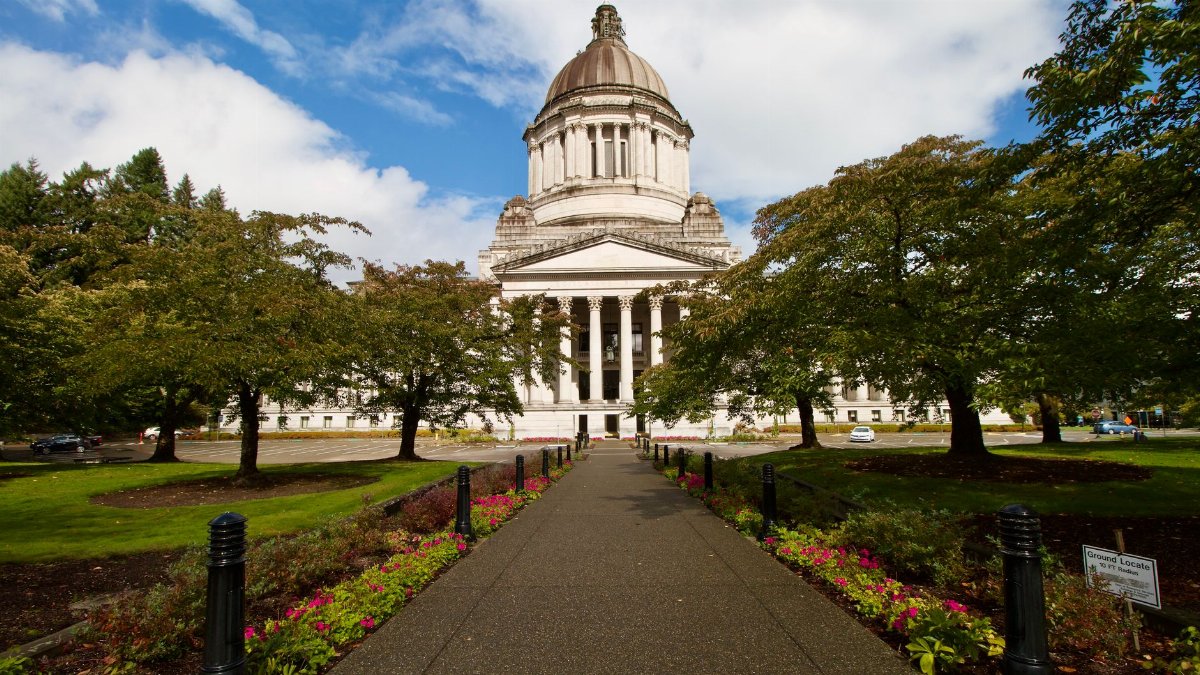
American officials, across administrations, have treated Iranian outreach as something to verify before celebrating. They often confirm that they receive messages through intermediaries while declining to describe tone or terms. That habit frustrates reporters and reassures some allies who fear a surprise bargain. It also leaves a vacuum. Into the vacuum rush commentators who fill silence with motive. Some argue that Tehran speaks of diplomacy only to slow a response. Others argue that Washington hears every note as a trap. Neither habit helps a reader who wants a plain account of what was asked and what was answered.
A fair reading, based on the public record of recent years rather than on any leaked file, is that both governments use contact to manage risk even when they distrust the other side completely. Managing risk is not friendship. It is an attempt to avoid a war that neither capital can fully script once it starts. Iran US messages fit that narrower purpose more often than they fit the language of breakthrough.
Markets, sea lanes, and the price of uncertainty
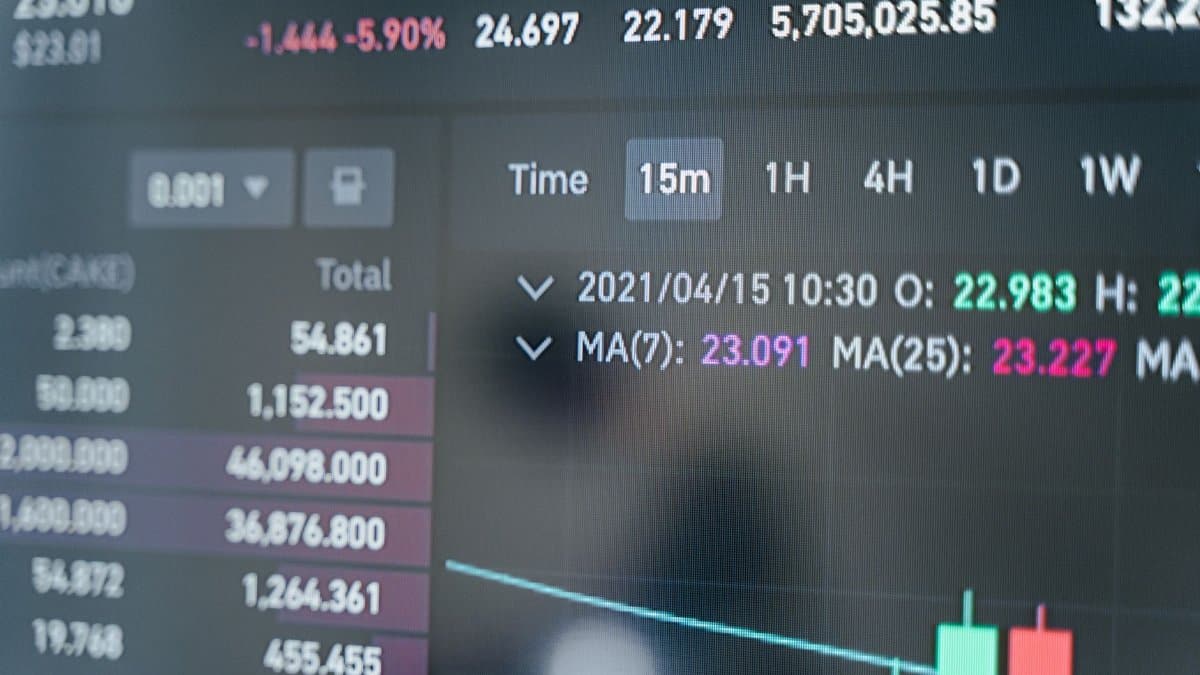
Traders do not need a treaty to move a price. They need a headline. Energy markets in particular treat Middle Eastern tension as a variable that can reprice a barrel before a foreign ministry finishes its briefing. Shipping firms watch the Strait of Hormuz, the Red Sea, and the eastern Mediterranean with the same nervous attention. Insurance costs rise when insurers cannot tell a lull from a lull before impact. Those costs land, eventually, on households that never follow a diplomatic cable.
The October statements did not, by themselves, redraw trade routes. They did remind companies that political speech and physical risk travel on different clocks. A spokesman can say diplomacy remains open at noon. A captain can still reroute by dusk if advisers judge the water unsafe. Readers who want to understand the week should watch both clocks. The diplomatic clock measures sentences. The commercial clock measures whether ships, crews, and insurers believe those sentences.
Neighbors who live inside the margin of error

No conversation between Tehran and Washington stays bilateral for long. Israel calculates its own red lines and does not outsource them. Gulf monarchies balance security ties to the United States against a desire to avoid a war on their doorstep. Iraq tries to keep its territory from becoming a messaging board written in explosions. Lebanon carries factions that answer to more than one capital. Yemen remains a place where local grievance and regional rivalry share the same roads.
Each of those governments hears Iran US messages as something that might constrain them or expose them. A channel that cools one front can heat another if a local actor decides the great powers are distracted. That is why regional diplomats spend as much time talking to one another as they do waiting for Washington and Tehran to clarify a note. The other Mideast news of the same week, from ceasefire talk on smaller fronts to arguments over aid crossings and prisoner lists, belonged to this same web. None of it was a sideshow. All of it could become the spark that a distant channel fails to catch.
Faith, vigil, and the news people carry home
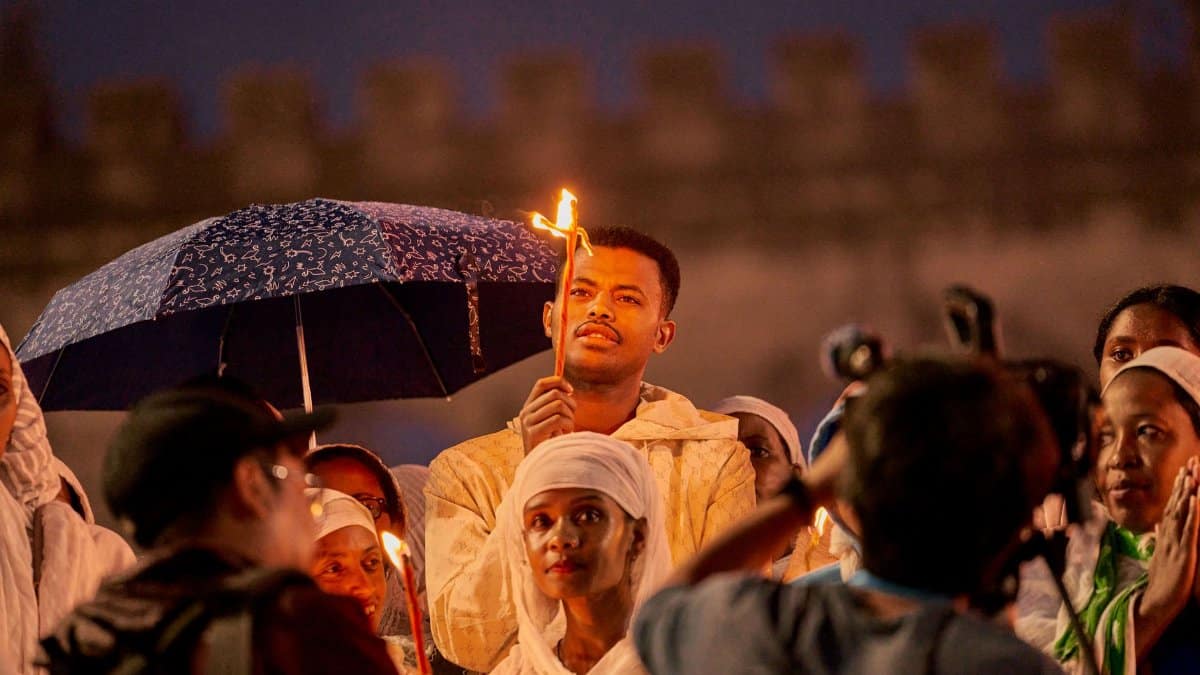
In churches, mosques, and synagogues from Detroit to Beirut, the week’s headlines entered prayers that were already full. Congregations do not set missile policy. They bury people, send money to relatives, and argue at kitchen tables about whether hope is naive. Pastors and imams who spoke to local reporters described a familiar fatigue: the sense that war talk returns on a schedule no scripture chose. Some urged members to read past the slogan and ask who would pay if talking failed. That is not a diplomatic strategy. It is a moral habit, and it shapes how a broad public receives claims about messages and open doors.
I have sat in enough briefings to know that officials dislike being judged by congregations. Yet public consent, even in systems that limit debate, still brushes against what people are willing to endure. When leaders say contact continues, families hear a promise that their children might be spared another siren. If that promise is only atmospheric, the disappointment will not stay inside foreign ministries.
Reading a spokesman without inventing a treaty

Journalism has a duty here that is easy to state and hard to keep. Report what was said. Name who said it. Separate existence from content. Resist the urge to narrate a secret deal that no official has described. The statement associated with October 25, 2026, supports a limited conclusion. Iranian officials wanted the world to believe that messages to the United States were still being passed and that diplomacy had not been closed. It does not support a conclusion about terms, timelines, or the likelihood of strikes next month.
Readers can still draw informed judgments. They can note that public talk of contact often appears when private risk feels high. They can note that elections reward toughness more reliably than patience. They can note that intermediaries matter most when direct trust is absent. Those are patterns, not prophecies. Treating them as prophecies is how commentary outruns the facts.
What would count as a real opening
A real opening would look plainer than a mood. It would include a named channel, a subject both sides acknowledge, and a step that can be checked by people who are not in the room. Prisoner exchanges have sometimes met that test because families can see who comes home. Shipping arrangements can meet it when insurers cut rates and captains return to a lane. Limits on strikes can meet it when the nights grow quieter for more than a news cycle. Until one of those tests is passed, talk of messages remains a sign of intent to manage danger, not proof that danger has been managed.
None of this means the latest remarks were empty. Keeping a courier in motion is work. It requires governments to tolerate the political cost of being seen as willing to listen. In a climate this sharp, willingness is not nothing. It is also not a settlement.
The week ahead, measured in sentences and silences
The days after the statement will be read for confirmation or contradiction. If American officials acknowledge receipt without drama, the channel story holds. If a strike, a proxy attack, or a fiery speech lands instead, the statement will be filed as atmosphere. Regional foreign ministers will keep calling one another. Aid groups will keep counting what they can move. Voters in the United States will keep asking whether foreign danger is being handled or merely described.
Iran US messages will stay in the vocabulary of this season because they name a hope and a limit at the same time. The hope is that someone is still carrying words across a hostile distance. The limit is that words, without a checkable step, cannot disarm a runway or empty a launcher. Between those poles, ordinary people will do what they have done in every previous scare. They will listen, doubt, pray, and wait to see whether the next morning is quieter than the last.