
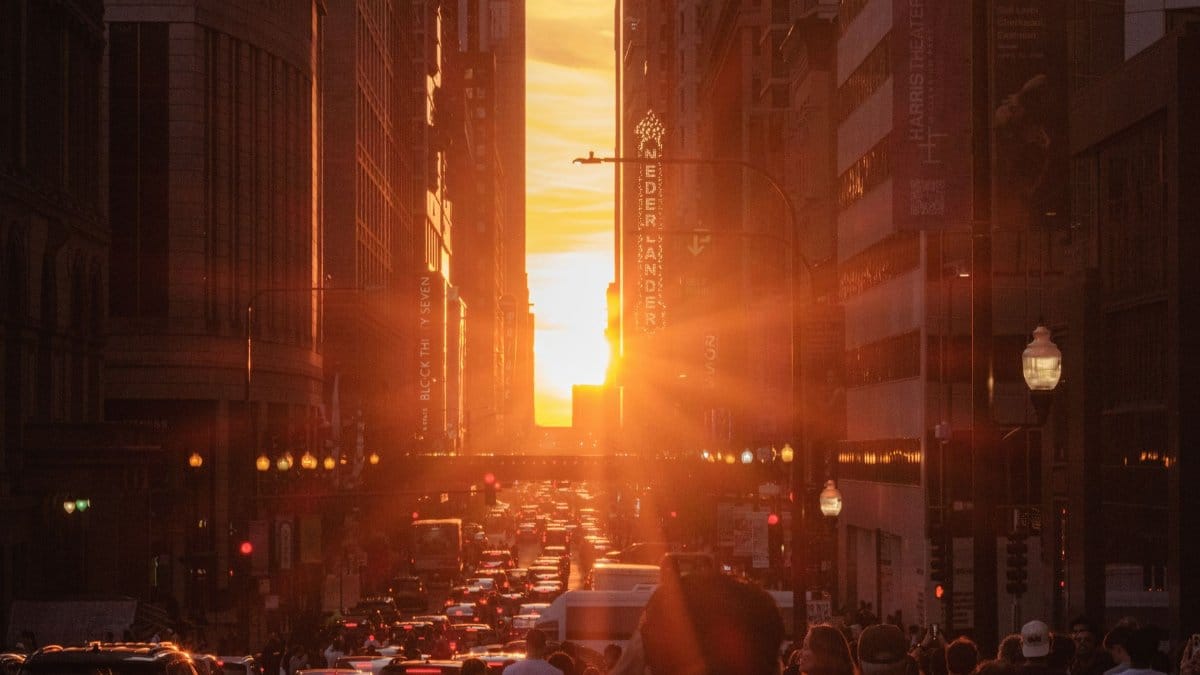
On a Sunday afternoon along the lakefront, cyclists still wore short sleeves and the popcorn stands did a brisk trade, as if September had refused to leave. Families spread blankets near Oak Street Beach while the water held a dull silver light. Forecasters say this stretch of Chicago warm weather will not last. By the turn of the month, colder air is expected to push in, ending a run of mild days that has kept coats in closets and windows cracked open across the city. For people who measure autumn by the first real chill, the calendar and the thermometer are briefly out of step.
Shirtsleeves where coats usually win

The mild spell has a particular look in Chicago. Runners circle the path at North Avenue Beach without gloves. Dog walkers linger past the hour when the wind usually drives them home. Restaurant patios that often stack chairs by the middle of October still take reservations for dinner. Street vendors sell roasted nuts beside people eating ice cream, a small contradiction that feels almost comic and also a little precious, because nearly everyone seems to know the comfort is borrowed.
Away from the lake the same pattern holds. In Logan Square and Hyde Park, windows stay open after dark. Radiators that rattled to life in other years remain quiet. At school pickup, parents debate whether to pack a heavier jacket for the week ahead or to gamble on another mild afternoon. The city has not forgotten winter. It has simply postponed the costume change.
What the forecast holds through month end

The immediate outlook keeps the mild air in place through October 31, which is why many residents are treating the coming days as a last outdoor week rather than a new season. Daytime readings are expected to stay well above what late October usually delivers, with afternoons comfortable enough for long walks and evenings that do not yet demand a heavy coat. Nights will cool, as they always do near the lake, but not with the bite that sends people hunting for hats.
After that, the pattern is set to change. A push of colder air should drop temperatures toward ranges more familiar for the start of November. The shift may not arrive as a single dramatic front that everyone can point to on a Tuesday morning. It is more likely to show up as a series of cooler days, stronger winds off the lake, and mornings that finally feel like the month printed on the calendar. Anyone planning a weekend outing should check the forecast again before leaving the heavier layers at home.
An October climbing the record books
Taken as a whole, this October is on track to rank as the sixth warmest on record in the city, a standing that puts the month in rare company without quite rewriting the all time list. A ranking like that is built from dozens of days, not from one picnic in the sun. Warm nights matter as much as mild afternoons, because the average that climate records use does not care whether people noticed the softness or slept through it.
Residents do not experience a ranking. They experience a month that refused to turn. Still, the number explains why the mildness has felt persistent rather than accidental. A few warm days in October are ordinary. A month that finishes near the top of the historical list is a different kind of story, one that will be filed beside other unusual autumns when the cold finally arrives and the arguments about what felt normal begin.
The lake that usually hurries autumn along
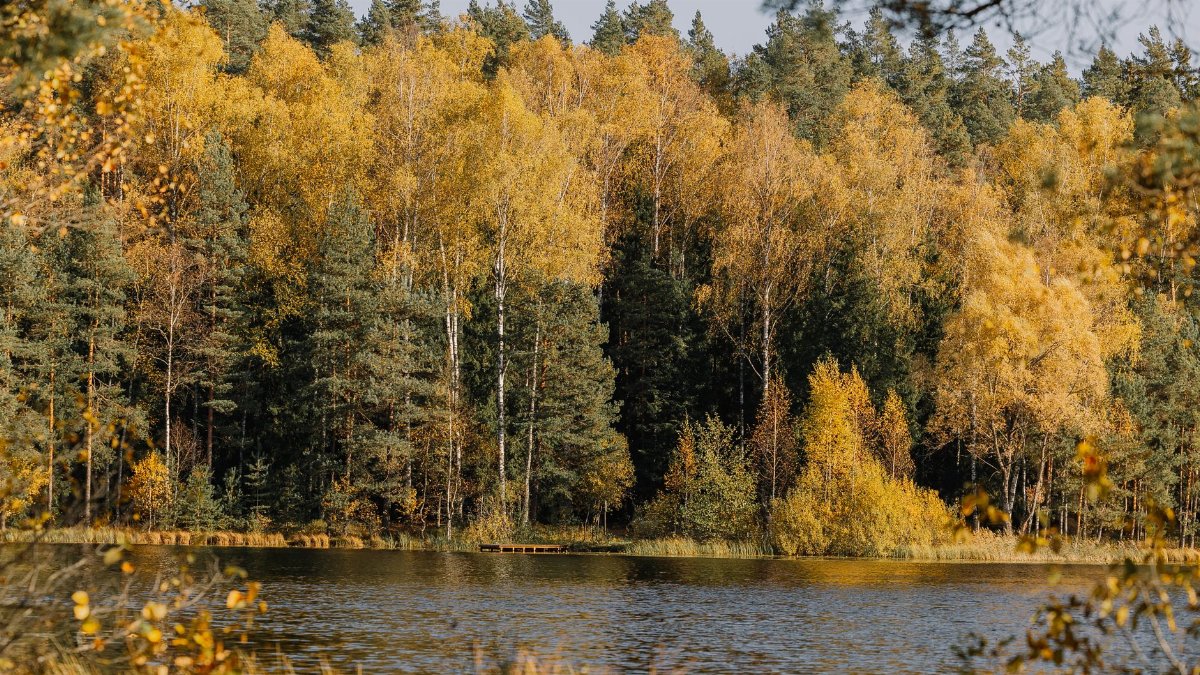
Lake Michigan is the quiet editor of Chicago weather. In spring it holds winter in the water and slows the warmup. In autumn it can moderate the first cold shots, then feed clouds and wind once the air aloft turns sharply cooler. This month the lake has not yet played its sterner role. Shoreline neighborhoods have enjoyed the same gentle afternoons as the inland blocks, with only the familiar breeze to remind people that open water sits a few streets away.
That balance is fragile. When colder air finally crosses the lake, the shoreline can change faster than a forecast map suggests. A pleasant walk at noon can become a raw commute by late afternoon. People who live in high rises along the drive know this rhythm better than most. They watch the color of the water and the direction of the flags. Right now both still say wait. They will not say wait for long.
Patios, parks, and the last easy errands
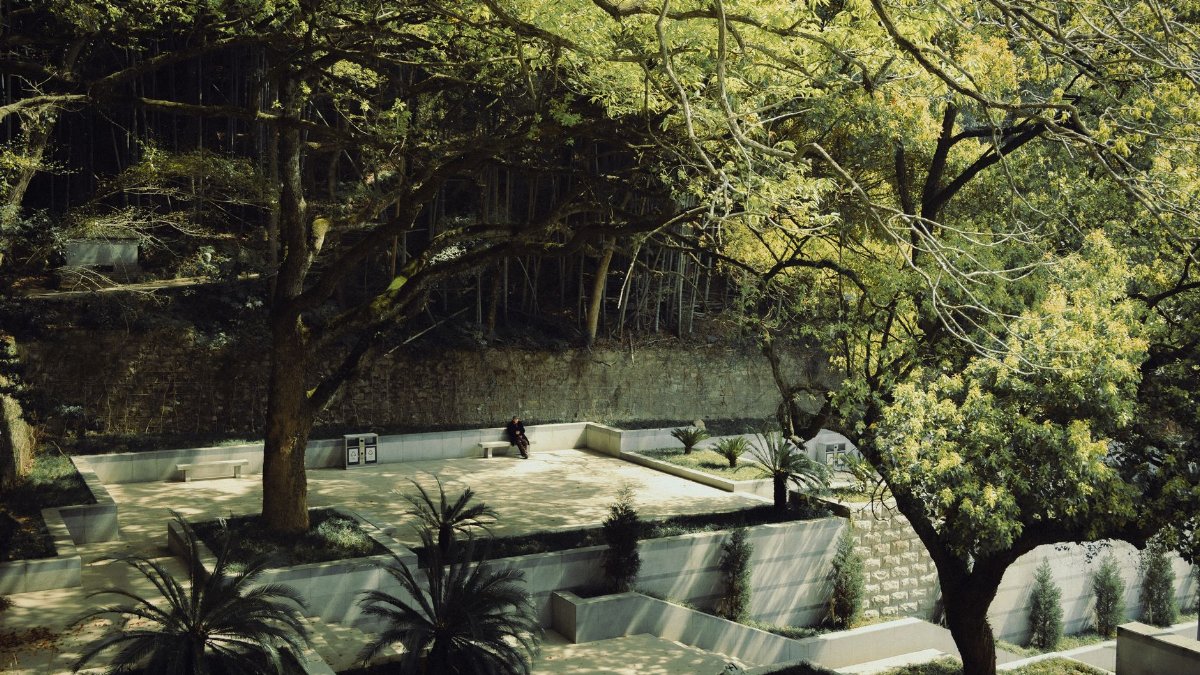
Businesses that depend on foot traffic have treated the mild spell as an extension of the season they budget for and rarely receive. Cafes have kept sidewalk tables out. Parks have stayed busy into the evening, with soccer games and casual picnics occupying fields that in a typical year would already look abandoned by supper time. Museums and neighborhood festivals have drawn crowds willing to stand in line outdoors because standing in line still feels pleasant.
There is a practical side to Chicago warm weather that has nothing to do with leisure. People are finishing exterior painting, washing windows, and hauling summer furniture to storage while the work is still comfortable. Landlords are delaying the moment when building heat becomes a daily cost. The mild air is not only a mood. It is a short allowance of time for chores that become miserable once the wind picks up.
Gardens racing a frost that has not come
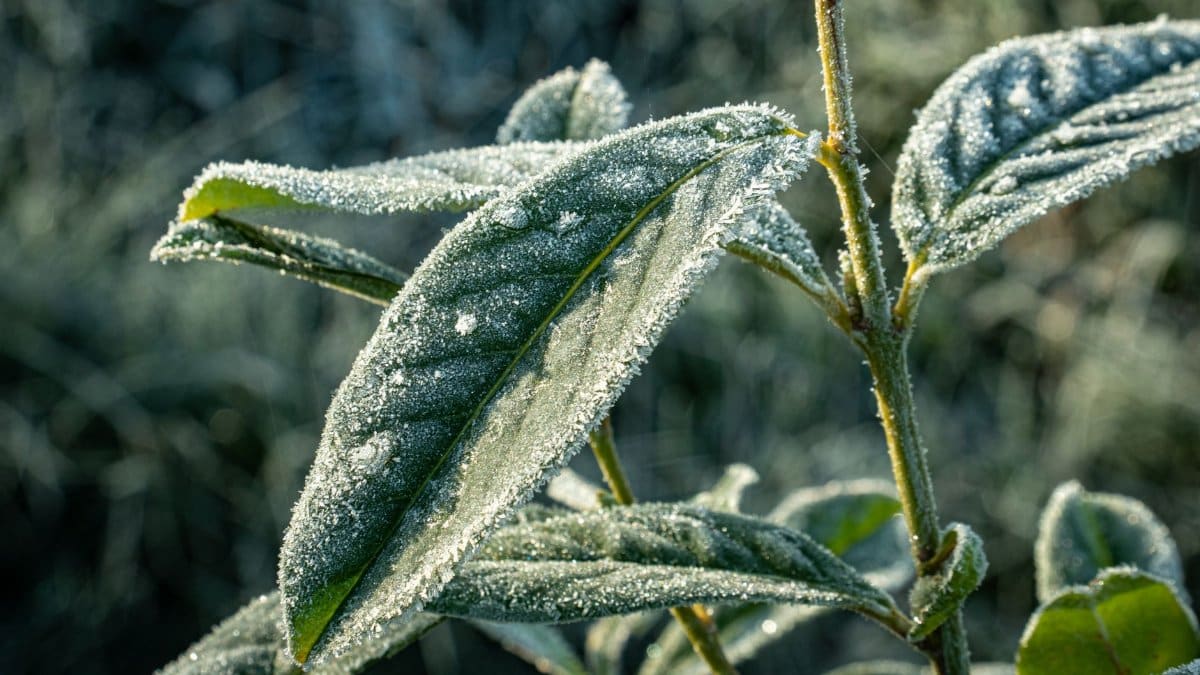
In community gardens from Albany Park to Bronzeville, plots still hold tomatoes, herbs, and late greens that would normally be finished by now. Gardeners walk the rows in light jackets, pulling what they can and covering what they hope to save. A hard frost has not yet drawn the sharp line that ends the growing season in this climate. That delay is a gift and a gamble. Plants that keep producing also keep people attached to a schedule the weather is about to cancel.
The coming drop will settle the question. Once nights fall into a harder chill, tender crops will blacken and the pleasant ambiguity of this month will end in a single morning. Experienced growers already know the ritual. They harvest what matters, leave the rest, and turn the soil when they can still feel their hands. The sixth warmest October does not repeal that ending. It only moves it a little later on the calendar.
How homes and streets will feel the change
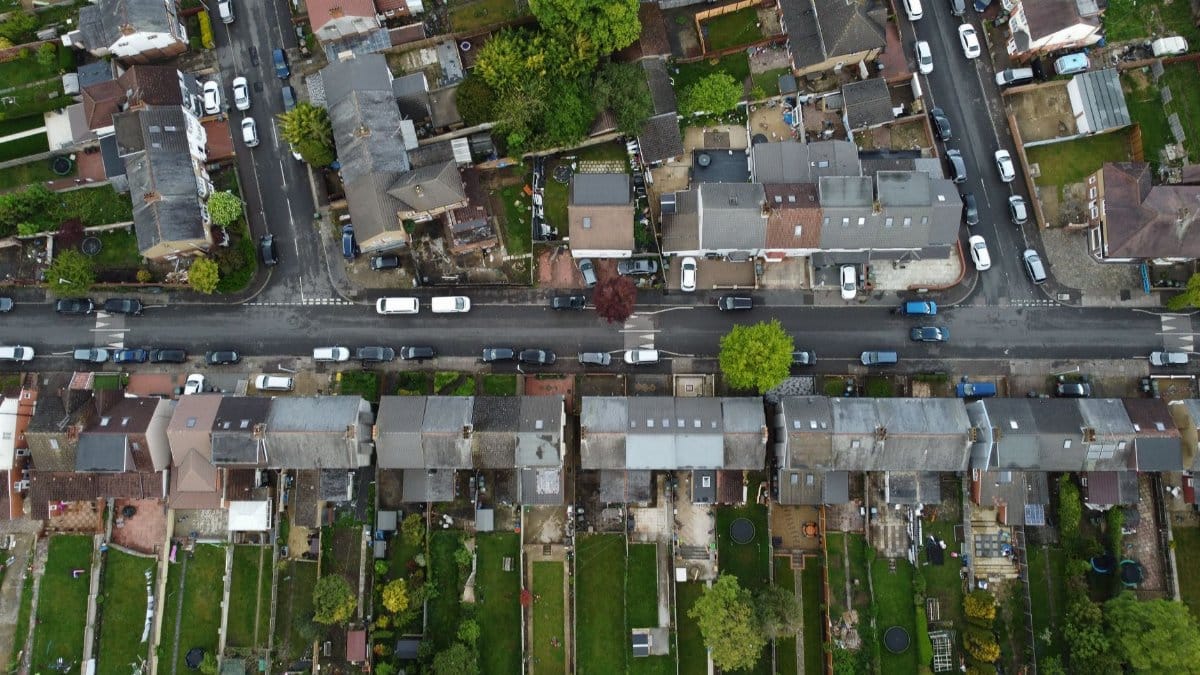
When the temperature drops, the city will notice in small mechanical ways before it notices in headlines. Furnaces that have idled will cycle on. Older buildings will tick and knock as pipes and radiators warm. Windows that have stood open for ventilation will close, and apartments will smell again of dust and last winter’s heat. Street crews will watch overnight lows more carefully, not because a major snow is in the immediate picture, but because the first cold nights change how pavement, bridges, and standing water behave.
Commuters will make the adjustment in closets rather than in schedules. The coat that felt absurd on Monday may feel necessary by the following weekend. Parents will rediscover mittens at the bottom of bins. None of this is dramatic. It is the ordinary machinery of a northern city remembering itself. The mild week has been the exception. The drop is the return.
Why the mild air lingered
Forecasters describe the pattern in plain terms. A ridge of milder air has held over the region, keeping the sharper cold parked farther north and west than it often sits by the final week of October. Storm tracks have not delivered the kind of strong cold front that resets the month in a single sweep. Instead, weak systems have passed with clouds and a breeze, then given way again to sun and comfortable afternoons.
That explanation does not require anyone to treat the month as a mystery. Weather is a sequence of arrangements in the atmosphere, and this arrangement has favored mildness. It is also temporary. Patterns that hold for weeks can break in a day when a deeper trough digs south. The guidance for the end of the month points to exactly that kind of rearrangement. Residents do not need the technical map to feel it. They only need to notice when the morning air finally stops feeling optional.
Memory, ritual, and a softer month
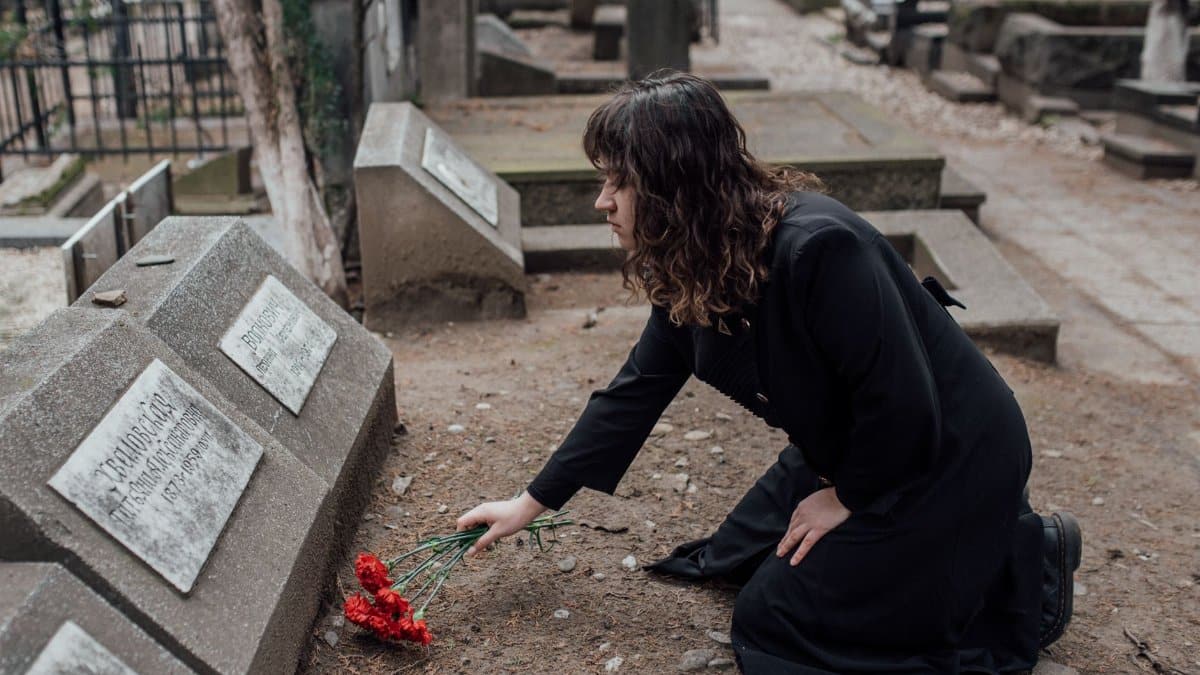
Weather in this city is never only data. It is tied to holidays, to the first game under the lights, to the day someone decides the radiator can wait. A warm October rearranges those private markers. Church picnics and neighborhood block gatherings that organizers feared would be cold have instead felt easy. People have stayed outside after services and after work, talking longer than they planned, because leaving the sidewalk no longer feels like a retreat from the wind.
There is no lesson hidden in a mild week, and it would be a mistake to treat comfort as a promise. Still, the pause has given the city a rare stretch of unstructured time outdoors. In a place where the seasons usually announce themselves with force, a gentle ending to October feels almost courteous. People accept the courtesy and do not trust it. Both responses are reasonable.
What to watch as November begins

The useful habit now is attention rather than alarm. Through the last days of the month, the mild pattern should hold, and the ordinary pleasures of a walk, a patio meal, or an open window remain available. After October 31, the expectation is a clear step down in temperature, with readings sliding toward what early November usually brings and with wind playing a larger role along the shore.
No one needs to dramatize that step. Chicago has lived through far sharper turns, and this one looks like a seasonal correction rather than a crisis. Pack the coat where you can find it. Bring in the plants you mean to save. Leave the picnic blanket out for one more afternoon if the sky stays kind. The Chicago warm weather that has defined these late October days is real, measurable, and nearly finished. The city will look different by the first weekend of November, not because something broke, but because the month finally caught up with itself.